Horseback riding techniques are essential not only for safety but also for enhancing your riding experience. As riders embark on their equestrian journey, familiarizing themselves with the horseback riding basics can make all the difference. From mastering the nuances of your riding position to understanding horse communication signals, each element plays a crucial role in building a solid foundation. Whether you’re seeking English riding tips or looking to refine your Western riding skills, focusing on effective techniques can dramatically improve your abilities. In this introduction, we will explore various aspects of horseback riding techniques that will undoubtedly elevate your riding proficiency!
Engaging in equestrian activities encompasses various methodologies that every rider should be well-acquainted with. These riding strategies not only promote rider safety but also foster a deeper connection with one’s horse. By focusing on essential riding style fundamentals and understanding the interplay of balance and proper posture, riders can better communicate with their horses. Whether you’re drawn to the finesse of jumping or the gracefulness of Western events, grasping effective riding principles will enhance your overall skillset. This comprehensive look at horseback riding techniques will guide you through each pivotal aspect, aiding in your journey to becoming an adept equestrian.
The Fundamentals of Horseback Riding Basics
Horseback riding is an intricate skill that requires a fundamental understanding of key concepts. From the outset, new riders need to familiarize themselves with the basics, which serve as a foundation for more advanced techniques. This includes learning how to approach a horse, proper mounting techniques, and understanding the horse’s behavior and body language. Knowing these basics can help build confidence and ensure safety in the saddle.
Moreover, mastering horseback riding basics also cultivates a deeper appreciation for equestrian sports. Understanding the movements and psychology behind how horses respond to various cues can significantly improve a rider’s interaction with their steed. This foundational knowledge not only enhances performance but also strengthens the bond between rider and horse, paving the way for a more enjoyable riding experience.
Frequently Asked Questions
What are the basic horseback riding techniques every beginner should learn?
Beginners in horseback riding should focus on essential techniques such as achieving a proper riding position, effective leg and heel positioning, and basic rein management. Understanding these horseback riding basics helps establish a solid foundation for safety and communication with the horse.
How can I improve my English riding techniques for better performance?
Improving English riding techniques involves practicing proper posture, engaging your core, and mastering rein management. Regularly working on maintaining an upright position and developing a soft connection with the horse through the reins can greatly enhance your riding performance.
What are some key Western riding skills to develop for trail riding?
Key Western riding skills for trail riding include maintaining a relaxed upper body, effective use of leg cues, and practicing the lope gait. These skills help navigate obstacles on trails and improve the overall riding experience for both horse and rider.
Why is the riding position important in horseback riding?
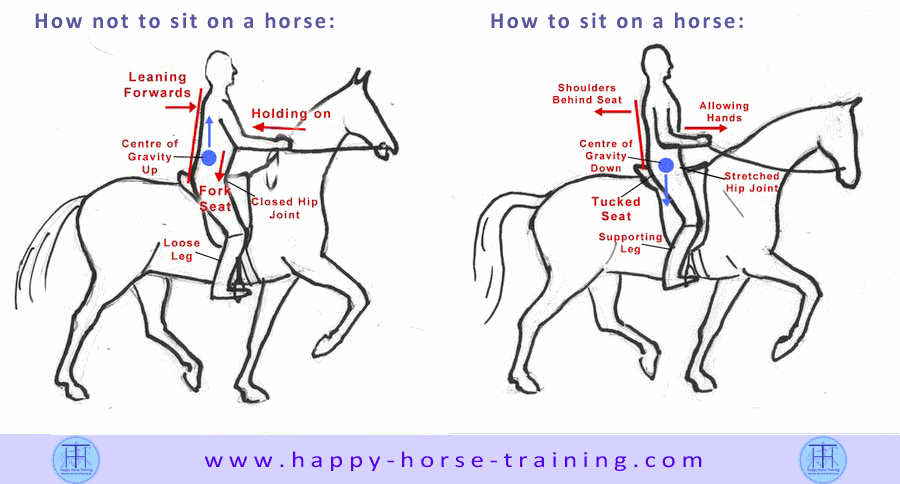
The riding position is crucial because it affects balance, stability, and communication with the horse. A proper riding position ensures that the rider can maintain control and respond to the horse’s movements effectively, enhancing overall riding safety and performance.
What leg and heel positions should I maintain while riding?
While riding, it is important to keep your legs relaxed against the horse’s body with heels down. This position lowers your center of gravity, improves balance, and helps convey clear signals to the horse.
How does effective rein management contribute to horseback riding?
Effective rein management helps maintain communication with your horse, allowing for precise guidance and control at different paces. Proper techniques, like holding the reins softly and using varying pressure, enhance the rider-horse bond and ensure responsive riding.
What body language should I use when riding to communicate with my horse?
Using clear body language is essential in horseback riding. Leaning forward can signal acceleration, while leaning back generally indicates slowing down. Combining these cues with leg cues enhances communication and understanding between rider and horse.
Can you describe some specific English riding techniques for better control?
Specific English riding techniques like the two-point position and sitting trot significantly improve control and balance. The two-point position is especially useful during trotting and cantering to reduce strain on the horse’s back, enhancing performance and comfort.
What are the benefits of mastering horseback riding techniques?
Mastering horseback riding techniques leads to enhanced safety, improved communication with the horse, and a deeper bond between rider and horse. As techniques improve, riders gain confidence, leading to a more enjoyable and fulfilling riding experience.
How can regular practice help improve horseback riding techniques?
Regular practice is essential for mastering horseback riding techniques. Consistent exercises focusing on position, balance, and communication will refine your skills, making you a more skilled and confident rider over time.
| Technique | Description |
|---|---|
| Positioning | Achieving the correct riding position is essential for both English and Western riding. |
| Leg and Heel Position | Proper leg and heel positioning helps in maintaining balance and signaling the horse effectively. |
| Rein Management | Effective management of the reins is crucial for communication and control while riding. |
| Balance and Posture | Maintaining balance and good posture prevents falls and enhances riding experience. |
| Communication Signals | Using body language and leg cues to communicate effectively with the horse. |
| Specific Riding Techniques | Techniques vary by riding style, involving specific skills and methods. |
| Practice Makes Perfect | Consistent practice is essential to improving all aspects of horseback riding techniques. |
Summary
Horseback riding techniques are not just about the act of riding; they encompass essential skills and knowledge that can dramatically enhance both rider and horse experience. By mastering techniques such as proper positioning, balance, and communication, every rider can cultivate a strong bond with their horse and achieve a higher level of performance. Focusing on elements like leg and heel position, effective rein management, and understanding signal communication can ensure safer, more enjoyable rides. Regular practice reinforces these skills, allowing riders to progress steadily, whether they are beginners or seasoned equestrians, ultimately leading to a fulfilling horseback riding journey.