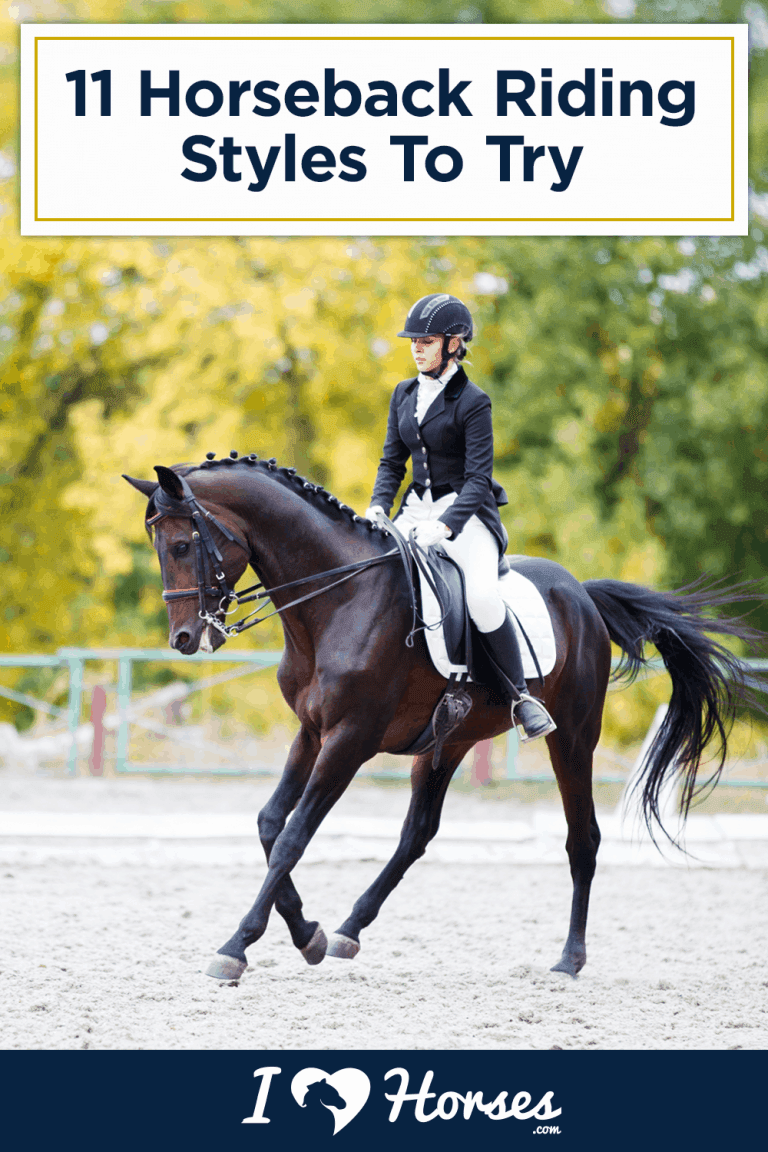
Horseback riding styles encompass a rich tapestry of techniques and traditions that riders around the globe embrace. Among these, two prominent styles stand out: English and Western riding, each renowned for its specific approach and equipment. As riders embark on their equestrian journey, understanding these different horseback riding styles is essential for developing skills and enhancing the riding experience. Whether one is drawn to the precision of dressage or the spirited nature of rodeos, there’s a path for every enthusiast. This article delves into the distinct characteristics of each style, shedding light on their cultural significance and unique techniques.
Exploring the varieties of horseback riding reveals a fascinating world of equestrian disciplines extending beyond just the typical English and Western categories. Terms such as classical riding, trail riding, and cowboy culture all contribute to the broader understanding of how riders interact with their horses. Each alternative term relates to specific practices, equipment, and philosophies that shape the methods of horse riding. Riders can discover unique experiences in various riding approaches, enhancing their connection with both the horse and the environment. Join us as we investigate these diverse horseback riding styles and uncover what distinguishes them in the realm of equestrian sports.
Exploring Horseback Riding for Beginners
Horseback riding is an enriching sport that allows individuals to bond with animals and nature. As a beginner, it’s vital to understand the basics before stepping into the saddle. Starting with lessons from a reputable riding school can provide you with the foundational skills needed to navigate both English and Western riding styles. You will learn essential horse care, grooming techniques, and riding fundamentals, which will bolster your confidence and prepare you for more advanced concepts.
Additionally, beginning riders must consider the fundamental differences in equipment and riding posture between the two styles. For example, in English riding, the saddle is flatter, and riders adopt a more upright position. In contrast, Western riding employs a bulkier saddle with a forward horn, permitting a more relaxed leg position. Grasping these differences early on can help you make an informed decision about which style may suit your personal preferences.
The Evolution of English Horse Riding
English riding has a rich history that traces back to its origins in European cavalry training. Over centuries, it has evolved to encompass various disciplines such as dressage, show jumping, and eventing, which all focus on precision and technique. Understanding the historical context can give riders deeper insights into why certain practices, techniques, and equipment are used, thus enhancing their riding experience.
Contemporary English riding has transformed into a highly competitive sport, with riders often judged on their technical skills and the horse’s performance. Riders must master nuanced cues to express themselves through their body language, guiding their horses smoothly through movements and jumps. This evolution highlights the emphasis placed on both the horse’s athletic ability and the rider’s skill, making English riding an art form as much as a sport.
Introduction to Western Horse Riding
Western riding, with its roots in the cowboy culture of the American frontier, emphasizes practicality and a working relationship with horses. This style is particularly popular for its focus on ranching tasks and various rodeo events. Riders typically employ a relaxed posture, allowing them to maintain control while accomplishing practical tasks, showcasing both horse and rider skills in various environments.
Additionally, the Western riding saddle is designed for enhanced durability and security, which is vital during long rides or when herding cattle. As a beginner in Western riding, understanding the culture and techniques surrounding this style can improve your connection with the horse and enhance your overall riding experience.
Horseback Riding Equipment Essentials
When it comes to horseback riding, understanding the necessary equipment can significantly enhance your experience. English riding gear includes lighter saddles, fitted bridles, and bitless options that facilitate clear communication between horse and rider. Helmets and safety gear are also essential for minimizing risks, especially for beginners.
In contrast, Western riding equipment prioritizes durability and functionality. The Western saddle, complete with a horn, offers added security for the rider, especially useful during intensive tasks like cattle herding. Both styles require riders to familiarize themselves with their specific gear, ensuring safety and effective communication with their horses.
Comparing Riding Techniques
Riding techniques differ significantly between English and Western styles, each with its unique set of skills and focus areas. English riding demands precise movements and balance, often requiring riders to master techniques for communicating with their horse using subtle cues. This discipline actively fosters a harmonious relationship between horse and rider through meticulous training practices.
On the other side, Western riding techniques emphasize practicality and teamwork, allowing riders to navigate varied tasks such as roping or barrel racing with ease. The casual style of Western riding also promotes a more stable and relaxed seat, making it accessible for many riders at different skill levels. Understanding these techniques’ nuances can help riders decide which style resonates more with their personal riding ethos.
Cultural Significance of Horseback Riding
Horseback riding embodies deep cultural significance across different societies. English riding, with its historical ties to nobility and the grace of ancient cavalry practices, continues to be a symbol of elegance and discipline within competitive circles. Its traditions are deeply appreciated, and rituals surrounding English competitions maintain a sense of formality and style.
Conversely, Western riding celebrates a rugged, practical heritage derived from the American cowboy culture. This style emphasizes partnership and teamwork, reflecting its origins in ranching and cattle herding. Events like rodeos not only showcase riding skill but also celebrate this rich cultural history, uniting riders and audiences in appreciation of this timeless connection.
Riding Competitions: English vs. Western
Riding competitions serve as a significant avenue for both English and Western riders to showcase their skills. In English riding, events like dressage highlight the partnership between horse and rider through rigorous tests of precision and control. Here, judges emphasize the technical aspects of the performance, rewarding accuracy and grace.
In contrast, Western riding competitions often prioritize practicality and versatility. Events such as barrel racing and cutting showcase riders’ abilities to manage their horses in dynamic environments, with less emphasis on aesthetics compared to English disciplines. This distinction in competition styles reflects the underlying philosophies of both riding cultures and provides riders with diverse platforms to excel.
Choosing Your Riding Style
Selecting a riding style may be one of the most pivotal decisions for new riders. Factors such as personal interests, intended goals, and desired riding experiences should guide this choice. Several beginners find English riding more appealing due to its structured nature and emphasis on competition.
Conversely, if you prefer a more relaxed atmosphere that values teamwork, Western riding may resonate more with your lifestyle and riding objectives. Ultimately, the right style aligns with the rider’s personality and goals, enhancing overall enjoyment and satisfaction in their equestrian journey.
Getting Started in Horseback Riding
To embark on your horseback riding journey, it’s essential to find a suitable riding school or instructor specializing in your preferred riding style. Many schools offer beginner classes that provide a solid foundation in horse care, grooming, riding techniques, and safety protocols.
Additionally, potential riders should consider participating in introductory workshops or camps that introduce both English and Western riding styles. This exposure not only aids in determining which style might be a better fit but also enhances your overall understanding of horseback riding’s diverse world.
Frequently Asked Questions
What are the main differences between English and Western horseback riding styles?
English and Western horseback riding styles differ primarily in saddle design, riding posture, riding techniques, and cultural significance. English riding features a flatter saddle without a horn and promotes an upright position focused on precision, while Western riding uses a heavier saddle with a horn for security and encourages a relaxed seat, emphasizing practical skill.
What equipment is used in English horseback riding styles?
English horseback riding styles utilize a lightweight saddle without a horn, short stirrups, fitted riding boots, and a helmet for safety. The tack includes bridles, bits, and reins that facilitate nuanced communication between the rider and the horse.
What types of competitions are associated with English riding styles?
Competitions in English riding styles include dressage, show jumping, and eventing. Events are judged based on the rider’s technique and the horse’s performance, emphasizing precision and elegance.
How does Western horseback riding differ in its equipment compared to English riding?
Western horseback riding equipment includes a robust saddle with a horn for added security, longer stirrups for a relaxed leg position, and commonly includes cowboy boots and hats, reflecting the cultural attire of ranchers and cowboys.
What are the key disciplines in Western riding styles?
Key disciplines in Western riding styles include rodeos, roping, barrel racing, and cutting. These events focus on practicality and the horse’s ability to perform specific tasks, showcasing the versatility of both horse and rider.
Is there a difference in riding techniques between English and Western horseback riding styles?
Yes, English riding techniques focus on precision and subtle cues for control, while Western riding techniques emphasize a deep seat, relaxed posture, and often allow for one-handed reins, which frees up the hand for tasks like roping.
What cultural significance do horseback riding styles have?
English riding styles have historical roots in European cavalry traditions, symbolizing elegance and style, whereas Western riding styles emerged from American frontier culture, highlighting the practical relationship between cowboys and their horses.
How can beginners choose between English and Western riding styles?
Beginners should consider their personal preferences and goals. If they are drawn to competitive riding with a focus on precision, English riding may be the right choice. Those who prefer a more relaxed atmosphere with practical skills might find Western riding more appealing.
Are there specific riding schools that focus on English or Western riding styles?
Yes, many riding schools specialize in either English or Western horseback riding styles. It’s advisable for riders to seek instructional facilities that align with their preferred style for the best learning experience.
How can I improve my skills in either English or Western horseback riding styles?
Improving riding skills in either English or Western styles involves regular lessons, practicing techniques, and gaining experience in various riding situations. Joining riding clubs or participating in competitions can also enhance skills and connect riders with the equestrian community.
| Aspect | English Riding | Western Riding |
|---|---|---|
| Equipment | Flatter saddle, shorter stirrups, helmet, lighter tack | Robust saddle with horn, longer stirrups, cowboy gear |
| Riding Techniques | Focus on precision, control, and discipline (e.g., dressage, jumping) | Emphasis on relaxed posture, practical skills like roping |
| Competitions | Judged on technique and performance (e.g., dressage, show jumping) | Focused on versatility and practicality (e.g., rodeo, cutting) |
| Cultural Significance | Rooted in European cavalry traditions, elegant and skill-focused | Emerging from American cowboy culture, functional and team-oriented |
Summary
Horseback Riding Styles can significantly differ, particularly between English and Western riding. English riding emphasizes precision and requires specialized equipment such as a flatter saddle and shorter stirrups, while Western riding focuses on practicality with a robust saddle designed for long rides and working with cattle. Both styles offer unique experiences, and understanding these differences is crucial for aspiring riders. Whether you prefer the competitive edge of English riding or the relaxed atmosphere of Western riding, there is a style that will resonate with every equestrian enthusiast.