
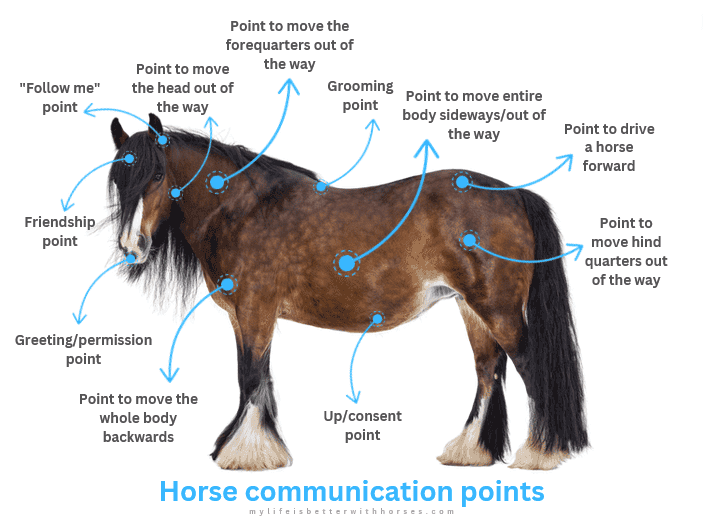
Understanding horse behavior is essential for anyone looking to enjoy the thrilling experience of horseback riding. Horses, as intelligent and sensitive animals, communicate extensively through their body language, making it crucial for riders to recognize their signals. This guide will delve into the intricate aspects of horse communication, providing insights on improving riding skills and building trust with your horse. By learning to interpret horse body language, riders can foster better interactions and achieve a more fulfilling ride. Whether you’re a seasoned equestrian or a beginner, grasping the nuances of horse behavior can significantly enhance your overall experience.
The study of equine behavior encompasses the various ways horses interact with one another and with humans, highlighting their social structures and instinctual responses. Recognizing the subtle cues that horses display, from their ear positions to their vocalizations, contributes to a deeper understanding of how to effectively connect with these majestic creatures. This knowledge not only aids in improving riding techniques but also fosters a harmonious relationship between the rider and their horse. By embracing the principles of equine communication and body language, riders can elevate their skills and cultivate a trusting partnership with their animals.
Understanding Horse Communication
Horse communication is a fascinating field that merges instinct and behavior. Horses primarily express themselves through their body language, which serves as a critical way for them to convey their emotions and intentions. When riding, understanding these non-verbal cues is essential for fostering a positive relationship. For instance, a horse might flatten its ears when it’s uncomfortable, while one that’s relaxed will carry its ears in a neutral position. By learning to decode these signals, riders can respond appropriately, ensuring a safer riding experience.
Moreover, effective communication with horses involves not only observing their cues but also reflecting on how you present yourself. Your posture, tone of voice, and energy all affect how a horse interprets your intentions. By maintaining a calm and assertive demeanor, you can significantly enhance your ability to communicate with your horse. This mutual understanding can lead to a deeper bond, allowing for a more enjoyable and productive riding experience.
Frequently Asked Questions
What are the key signs of horse body language I should look for?
Understanding horse body language is essential for effective communication with your horse. Key signs include ears positioned forward (indicating curiosity), ears pinned back (showing displeasure), and tail swishing (indicating irritation). By interpreting these signals, you can better adjust your riding and care approach.
How can I build trust with my horse for better riding skills?
Building trust with your horse involves spending quality time together, such as grooming and ground handling. When your horse feels secure and trusts you as a rider, they will be more responsive and cooperative during rides, enhancing your riding skills.
What are some tips for understanding horses during training?
To improve your understanding of horses during training, focus on observing their body language, establishing a consistent routine, and using positive reinforcement. These methods promote a clearer communication channel, helping you develop a stronger bond with your horse.
How does horse communication affect my riding experience?
Horse communication affects your riding experience significantly. Understanding how your horse expresses emotions and needs through body language allows you to respond appropriately, ultimately leading to safer and more enjoyable riding sessions.
What should I do when my horse shows signs of anxiety?
When your horse shows signs of anxiety, such as stomping or tensing up, it’s important to remain calm. Assess the environment for potential triggers, use soothing tones, and apply gradual desensitization techniques to help ease their worries.
Can improving my riding skills enhance my horse’s behavior?
Yes, improving your riding skills can positively influence your horse’s behavior. A confident and skilled rider is more likely to provide clear cues and expectations, which helps the horse feel more secure and responsive, leading to an improved riding experience.
What role does patience play in understanding horse behavior?
Patience is crucial in understanding horse behavior as each horse learns and responds at its own pace. Taking time to observe, respond, and adapt to your horse’s needs fosters a trusting relationship and enhances communication.
How can I recognize when my horse is relaxed or comfortable?
You can recognize when your horse is relaxed or comfortable by observing their body language: ears relaxed or slightly forward, soft eye expression, and a loose, calm posture. These signs indicate that your horse is at ease, which is ideal for improved riding experiences.
What is the importance of respecting a horse’s personal space?
Respecting a horse’s personal space is vital for building trust and preventing stress. When approaching a horse, do so calmly and allow them to come to you. A horse that feels safe and respected is more likely to engage positively during riding and handling.
How can I enhance my horse communication skills?
To enhance your horse communication skills, focus on learning about horse body language, engage in regular groundwork exercises, and practice clear and consistent cues while riding. This helps develop a better understanding between you and your horse, leading to improved collaboration and enjoyment.
| Key Points | Details |
|---|---|
| Flight Response | Horses instinctively flee when feeling threatened. A calm rider helps build trust. |
| Body Language | Horses express emotions through posture and movements, like pinned ears indicating irritation. |
| Social Behavior | As herd animals, horses thrive on social interactions, which impacts their connection with humans. |
| Building Trust | Spend time with your horse beyond riding to strengthen your bond. |
| Reading Body Language | Recognize signs of anxiety or comfort in your horse’s posture. |
| Positive Reinforcement | Rewarding good behavior encourages repetition and communication. |
| Consistency | Maintain a structured routine to help your horse anticipate actions and commands. |
| Respect Personal Space | Allow your horse to approach you and be aware of their personal comfort zone. |
| Developing Skills | Enhance your riding abilities through lessons to improve communication. |
| Patience | Training is gradual; be patient and celebrate small achievements. |
Summary
Horse behavior is essential to understanding how to create a harmonious relationship between rider and horse. By recognizing and responding appropriately to a horse’s instincts, body language, and social tendencies, riders can significantly improve their experience. Cultivating trust, maintaining consistency, and developing communication skills are pivotal for effective riding. Additionally, respecting a horse’s personal space and employing positive reinforcement are strategies that further enhance the interaction. Ultimately, the more you understand horse behavior, the more enriching your riding journey will be.