
Understanding horse behavior is essential for anyone looking to deepen their connection with these magnificent creatures. Recognizing how horses communicate through their body language and vocalizations can significantly enhance your riding experience and overall interaction. This guide will explore various aspects of horse behavior and offer valuable insights into building trust with horses. From the vital flight response to the nuances of social interaction, grasping these concepts will not only aid in horse training but also in establishing effective communication. With the right knowledge and techniques, every rider can learn to interpret what their horse is conveying, ultimately improving the bond between rider and steed.
Horse behavior encompasses a range of actions and reactions that reflect a horse’s emotional and physical state. To fully appreciate these dynamics, one must delve into equine communication methods, exploring the way horses express themselves through body language and sounds. The intricacies of horse training can be understood through these behaviors, as they are key to establishing a rapport with your equine partner. Engaging with horses on this level not only enhances riding skills but also fosters a nurturing environment where trust is paramount. By comprehending the signals and responses of horses, riders can navigate their training journeys more effectively and empathetically.
Reasons Behind Horse Behavior Explained
Understanding horse behavior is a crucial aspect of interacting with these magnificent creatures. Horses, as prey animals, have evolved certain instincts and behaviors to survive in the wild. One such instinct is their flight response, where they may bolt or flee at the hint of danger. This can be triggered by sudden movements, loud noises, or unfamiliar environments. As a rider, recognizing these underlying motivations can help you to prevent accidents and foster a secure atmosphere for your horse. Additionally, by being aware of your horse’s body language, including ear positions and tail movements, you can better interpret their feelings and needs.
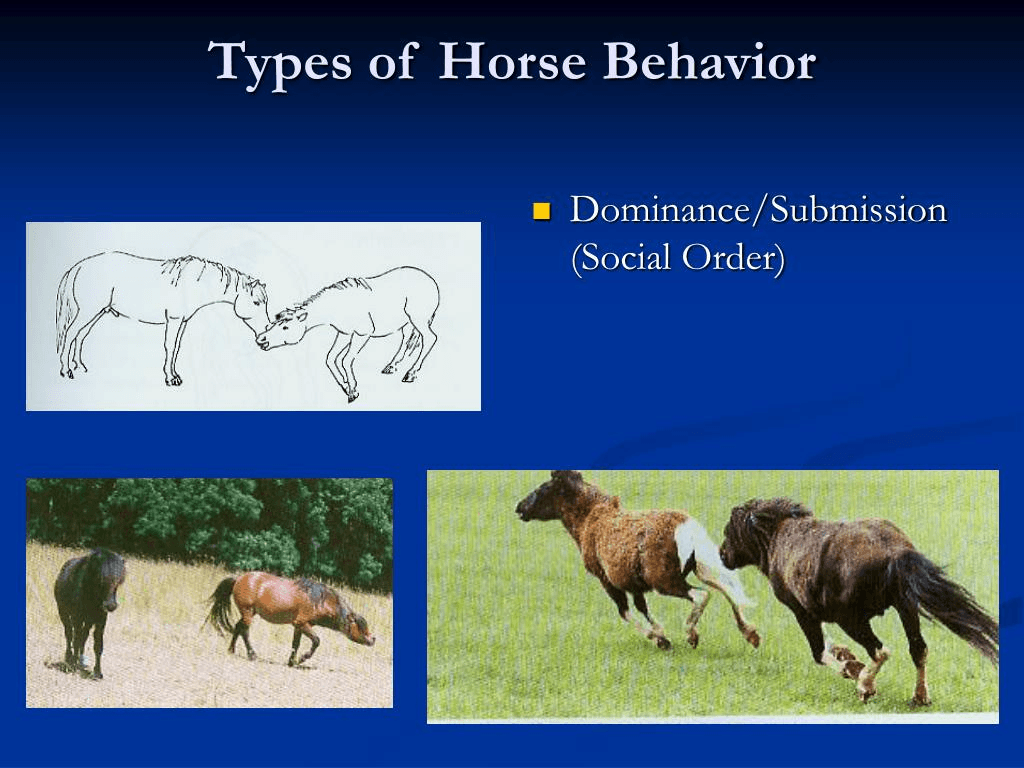
Another factor that plays a significant role in horse behavior is their social nature. Horses are herd animals and thrive on companionship. Their interactions within a group can teach us much about their individual quirks. Some horses are more inclined to socialize while others may be more reserved and prefer solitude. By observing these traits, one can gain insights into your horse’s personality and preferences, ultimately enhancing communication and building a stronger bond.
The Impact of Environment on Horse Behavior
The environment plays a pivotal role in influencing horse behavior. Horses are sensitive to their surroundings, and various factors such as stable conditions, pasture space, and socialization opportunities can greatly affect their well-being. A clean, well-ventilated stable minimizes stress and promotes a healthier mindset. On the other hand, confinement in a cramped or dirty environment can lead to anxiety and behavioral issues. Thus, creating a comfortable living space is paramount for maintaining good behavior in your horse.
Moreover, providing ample opportunities for socialization can significantly reduce stress levels. Horses that regularly interact with their peers tend to exhibit more calm and positive behaviors. They thrive on the company of other horses, finding comfort and security in their presence. As a rider, facilitating their natural social instincts can enhance their demeanor, leading to more enjoyable and productive riding sessions.
Decoding Common Horse Behavioral Traits
To build a successful relationship with your horse, it’s essential to decode their common behavioral traits. For instance, ear positioning serves as a vital indicator of a horse’s mood. Forward-facing ears often signal curiosity or interest in their surroundings, while pinned-back ears may indicate annoyance or discomfort. By interpreting these signals accurately, you can address your horse’s needs more effectively and create a more harmonious riding experience.
Along with ear positioning, understanding body language and tail movements is crucial. A relaxed stance with loose muscles usually signifies comfort, while a tense posture can indicate fear or unease. Observing these signs helps you respond appropriately, whether it’s providing reassurance or managing your horse’s excitement. Additionally, tail movements can reflect their emotional state; for example, a horse swishing its tail might be irritated, indicating that you should approach the situation with caution.
Horse Communication: Listening to Your Equine Friend
Effective communication with your horse is a hallmark of great riding. Horses express their feelings not only through body language and ear positioning but also vocally. Neighing often signifies a desire for attention, while softer nickers can indicate affection. Understanding these auditory cues can enhance your engagement with your horse, allowing for a more responsive and enjoyable partnership.
As you develop your communication skills, it’s essential to note that horses also respond to human cues. The way you interact with them influences their reactions. Using consistent signals and tone of voice during training can reinforce positive behavior and foster understanding. This two-way communication breeds trust, making your horse more likely to respond positively both on the ground and while riding.
Building Trust with Your Horse: A Step-by-Step Guide
Building trust with your horse is a gradual process that requires patience and consistent effort. Establishing a routine is beneficial, as horses thrive on predictability. By adhering to a regular feeding and handling schedule, you create a sense of security that allows your horse to relax and feel more comfortable in your presence.
Additionally, spending quality time with your horse is vital. Engaging in activities that promote bonding, such as grooming or leisurely walks, can enhance your relationship significantly. Providing positive reinforcement for good behavior also plays a crucial role in trust-building. Simple actions like offering treats or gentle praise when your horse complies with commands can encourage them to seek your approval, strengthening the trust necessary for effective riding.
Essential Horse Training Tips for Success
Effective horse training is rooted in a deep understanding of horse behavior. To ensure a successful training experience, start by establishing a strong foundation built on trust and clear communication. This groundwork is crucial for your horse to feel secure and receptive to learning. By gradually introducing commands and cues, you promote a positive learning environment, allowing your horse to adapt at a comfortable pace.
Moreover, ensuring that training sessions are short yet focused is key. Horses have varying attention spans, so keeping sessions engaging can prevent them from becoming bored or overwhelmed. Incorporating rewards—like treats or praise—when they respond correctly reinforces their learning and strengthens the bond between you and your horse. Remember, training is not merely about instruction; it’s about cultivating a relationship rooted in understanding and respect.
Recognizing and Addressing Behavioral Issues in Horses
Despite your best efforts, behavioral challenges may still arise with your horse. Recognizing the underlying causes of these issues is essential for addressing them effectively. For instance, bucking or rearing can stem from fear or discomfort, often indicating that there’s something amiss in their environment or training routine. Taking the time to assess the situation calmly allows you to determine the cause and find appropriate solutions.
In addition, it’s crucial to be mindful of your reactive responses. If a horse is acting out, it’s important to handle the situation sensitively to avoid escalating the behavior. Providing reassurance and understanding can help alleviate their anxiety and allow you to work towards resolving the issue constructively. Patience and consistent training can go a long way in guiding your horse through difficult moments, ultimately leading to a better relationship.
Understanding the Role of Exercise in Horse Behavior
Regular exercise plays a pivotal role in maintaining desirable horse behavior. Horses are naturally active creatures that require movement to stay healthy and content. Lack of exercise can lead to pent-up energy, resulting in undesirable behaviors such as restlessness or excess anxiety. Implementing a consistent exercise regimen helps to mitigate these concerns, creating a calmer and more focused horse during riding sessions.
Moreover, physical activity provides mental stimulation that is equally important for your horse’s overall well-being. Engaging them in various activities, such as trail riding or groundwork, stimulates their minds and keeps them engaged. Such variations not only promote physical fitness but contribute to a more balanced horse mentally, enhancing their responsiveness and behavior while you ride.
The Importance of Socialization in Equine Behavior
Socialization is a fundamental aspect of horse behavior, influencing how they interact with both humans and other horses. Horses thrive within herds and often look to their peers for comfort and guidance. Ensuring that your horse has opportunities to socialize can significantly reduce anxiety and lead to better behavior overall. When they play and interact with other horses, they learn essential social skills that contribute to their overall happiness.
Incorporating socialization opportunities into your horse’s routine can be as simple as allowing them to graze in a pasture with other horses or organizing playdates with familiar companions. These experiences can enhance their confidence and help them feel more secure in their environment. A horse that has a fulfilling social life is often more relaxed and better equipped to handle new situations, making for a more enjoyable and manageable riding experience.
Frequently Asked Questions
What are the basics of understanding horse behavior?
Understanding horse behavior begins with recognizing that horses are social, prey animals with complex instincts. Observing their body language, vocalizations, and social interactions can provide key insights into their comfort levels and personalities.
How does horse communication work, and why is it important?
Horse communication is primarily non-verbal, relying on body language, ear positioning, and vocal sounds. Recognizing these signals helps riders respond appropriately to their horse’s needs, fostering trust and improving the overall riding experience.
What are common behavioral traits to look for in horses?
Key behavioral traits include ear positioning (forward for curiosity, pinned back for aggression), body language (relaxed indicates comfort), tail movements (swishing may show irritation), and vocalizations (neighing for attention, nickering for affection). Understanding these traits enhances horse training.
What are some horse training tips for better understanding horse behavior?
Effective horse training involves using positive reinforcement, being consistent in routines, spending quality time with your horse, and being patient. These practices help build trust and ensure better communication between the rider and horse.
How can I build trust with my horse effectively?
Building trust with your horse involves spending quality time together, consistent handling routines, utilizing positive reinforcement, and allowing your horse to adjust to situations at their own pace, which enhances the bond.
What should I do if my horse exhibits behavioral issues?
Addressing behavioral issues requires understanding the root cause. For example, bucking may signal discomfort or fear. Assess the environmental triggers and respond calmly to reassure your horse.
How does the environment affect horse behavior?
The environment plays a crucial role in horse behavior. A comfortable stable, socialization opportunities, and regular exercise can enhance a horse’s well-being and reduce anxiety, leading to improved behavior.
What are some signs a horse is anxious or stressed?
Signs of anxiety in horses include increased heart rate, sweating, pinned ears, a tense body posture, and refusal to move. Understanding these signs is vital for a rider to create a calming environment for their horse.
How important is social interaction for horse behavior?
Social interaction is essential for horse behavior as horses are herd animals. Allowing your horse to interact with other horses can decrease anxiety, improve mood, and encourage positive behavior.
What is the flight response in horse behavior?
The flight response is a natural instinct in horses to flee from perceived threats. Recognizing signs of this behavior, such as sudden movements or restlessness, allows riders to respond appropriately and help their horses feel secure.
| Key Insights | Details |
|---|---|
| Horse Behavior Basics | Horses are prey animals; their behavior reflects their need for safety and social interaction. |
| Flight Response | Horses may flee when threatened, showing signs of anxiety such as increased heart rate. |
| Social Interaction | Horses thrive in groups, using vocalizations and body language to communicate. |
| Common Behavioral Traits | Ear positioning, body language, tail movements, and vocal sounds all convey horse emotions. |
| Building Trust | Spend time together, be consistent, use positive reinforcement, and practice patience. |
| Decoding Behavioral Issues | Understand triggers for behaviors like bucking or refusal to move. |
| Environmental Impact | A clean, social, and exercise-rich environment is crucial for positive horse behavior. |
Summary
Horse behavior encompasses a variety of instincts and social interactions that are essential for riders to understand when building a bond with their horse. By recognizing the underlying instincts, such as the flight response, and interpreting social cues, riders can effectively communicate and foster trust with their equine partners. Taking the time to observe ear positioning, body language, and vocal signals allows riders to gauge their horse’s emotions and respond appropriately. Furthermore, creating a supportive environment that encourages exercise and social interaction can improve overall horse behavior. In conclusion, understanding horse behavior is a key element in enhancing the relationship between horse and rider, leading to a more enjoyable experience.