
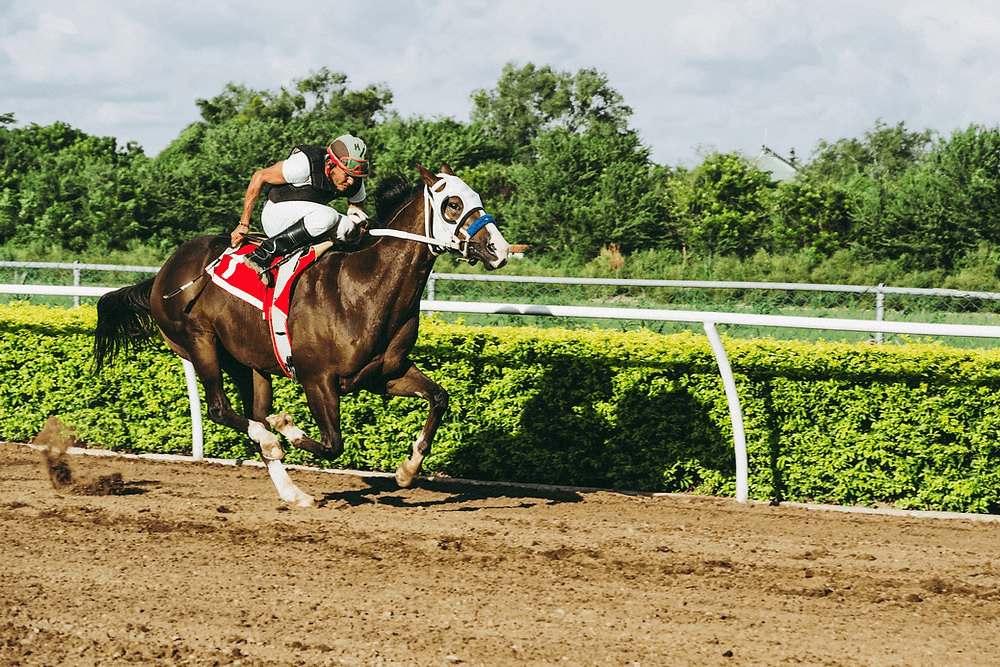
Horse riding techniques are fundamental to becoming a skilled rider, whether you’re just starting out or looking to refine your abilities. These techniques not only enhance your equestrian skills but also foster a better connection between you and your horse. From understanding effective communication with your equine partner to mastering advanced riding techniques and positioning, each aspect plays a vital role in your riding journey. In this guide, we’ll delve into essential horse riding tips that will empower you with the knowledge to elevate your horsemanship techniques. Get ready to enhance your riding experience and build a stronger bond with your horse through these practical approaches.
The art of riding horses involves a variety of approaches and practices essential for any aspiring equestrian. Whether referred to as equine riding methods or horseback riding fundamentals, these principles overlap into what is known as key riding concepts. Developing skills such as effective communication with the horse and maintaining an optimal riding position is crucial for any level of rider. Additionally, exploring strategies for improving responsiveness and flexibility in your horse will greatly enhance your overall equestrian performance. Join us as we navigate through the intricate world of horseback riding and uncover valuable insights to help you and your horse thrive together.
Effective Horse Riding Tips for Beginners
Horse riding can seem daunting for beginners, but with the right tips, anyone can conquer their fears and improve their skills. Start by familiarizing yourself with your horse before mounting. Spend time on the ground getting to know your equine partner – brush them, talk to them, and learn how they respond to your presence. This helps establish trust, which is essential for a successful riding experience.
Next, focus on the basics of mounting and dismounting safely. Always approach your horse calmly and confidently, ensuring they are aware of your presence. When you mount, use a mounting block to help you and avoid putting excessive weight on your horse’s back. Proper technique in these foundational aspects is key to developing your equestrian skills.
Key Equestrian Skills to Develop
As you progress in your riding journey, understanding and developing essential equestrian skills will give you a solid foundation. One crucial skill to develop is your balance in the saddle. A well-balanced rider can enhance the horse’s performance and feel more secure while riding. Practice balancing exercises on foot, such as standing on one leg or using an exercise ball, to prepare your core muscles.
Another important equestrian skill is the ability to effectively use your aids: your legs, hands, and weight distribution. A horse responds to pressure from your legs and the way you hold the reins. Develop your proficiency in using these aids to communicate with your horse. Regular practice and a focus on these skills will improve your overall riding technique.
Essential Horsemanship Techniques for Every Rider
Horsemanship is not just about riding; it’s about how you interact with horses on and off the saddle. Fundamental horsemanship techniques involve understanding horse behavior and psychology. This knowledge enables you to respond appropriately to your horse’s actions, making your rides more enjoyable and seamless. For instance, recognizing when a horse is anxious or uncomfortable can help you adjust your approach, fostering a better relationship.
Additionally, practicing groundwork is a critical horsemanship technique that helps shape a respectful and willing equine partner. Spend time leading your horse, teaching them to follow your cues, and reinforcing positive behavior. This groundwork builds trust and significantly enhances your riding experience.
Advanced Riding Techniques for Experienced Riders
For seasoned riders, advanced riding techniques can elevate your skills further. Techniques such as counter-cantering, flying changes, and lateral movements require a deep understanding of your horse’s balance and responsiveness. These advanced maneuvers not only showcase your riding ability but also enhance the horse’s training.
Continuous learning is vital at this level. Consider taking lessons with a qualified instructor who can provide feedback on your technique and help you refine your skills. Engaging in clinics and workshops can also expose you to diverse riding techniques, improving your overall expertise.
Riding Position Tips for Optimal Control
Maintaining the correct riding position is essential for optimal control and ensuring comfort for both you and your horse. Focus on sitting deep in the saddle with your weight evenly distributed. Your toes should point forward, and your heels should be down – this position aids in balance and gives your horse the freedom to move.
Additionally, regularly check your posture. A good riding position involves having your back straight, shoulders back, and chin up. Practicing this consistently not only makes you a more effective rider but also encourages better communication between you and your horse during rides.
The Art of Synchrony in Riding
Synchrony between rider and horse is critical for a harmonious riding experience. To develop this connection, try to feel the rhythm of your horse’s gaits. Start with simple exercises where you match your movements to your horse’s walk, and as you feel more comfortable, gradually increase to a trot and canter.
Incorporate specific drills focused on transitions and maintaining pace. Practicing these will help you and your horse become more in sync, allowing for smoother transitions and enhanced performance. Building this connection requires patience, but the rewards are significant.
Turning and Circles – Key Maneuvering Techniques
Turning and circling techniques are vital for maneuvering your horse effectively. Mastering turns involves understanding how to apply leg pressure correctly. By pressing on the side you wish to turn towards while guiding your horse with your reins, you can achieve smooth transitions.
Additionally, practicing circles can enhance your horse’s agility and promote better balance. Start by practicing large circles at various gaits before gradually decreasing the circle size. This not only teaches your horse responsiveness but also improves your own control.
Training for Responsiveness and Flexibility
Training your horse for responsiveness involves consistent groundwork and riding. Spend dedicated time teaching your horse commands on the ground, reinforcing their understanding of cues and signals. This foundation is crucial for encouraging flexibility and responsiveness under saddle.
Integrate exercises that focus on responsiveness during your rides, such as practicing quick stops, rapid transitions, and collection. A well-trained horse that responds to subtle cues will make your riding experience much more rewarding.
Building a Bond with Your Equine Partner
The bond between rider and horse is one of mutual trust and respect. Building this relationship starts from the ground up. Take the time to understand your horse’s temperament and reactions. This knowledge will enhance your communication and make your riding sessions more enjoyable.
Engage in activities beyond riding, such as grooming and establishing routines. These actions foster a deeper connection and create a bond that translates into improved performance during riding. Moreover, appreciative interactions will make your time spent together enjoyable and successful.
Frequently Asked Questions
What are the top horse riding techniques for beginners?
Beginners should focus on foundational horse riding techniques such as mastering the correct riding position, understanding basic equine communication, and learning how to synchronize with their horse. These fundamental horse riding tips ensure a comfortable and safe riding experience.
How can I improve my equestrian skills effectively?
To enhance your equestrian skills, practice consistent and targeted exercises that develop both you and your horse. Focus on advanced riding techniques, such as effective communication and maintaining proper posture, to build a stronger partnership with your equine.
What riding position tips should I know for better control?
Key riding position tips include keeping your head up, shoulders back, and knees close to the saddle. Ensuring your feet rest lightly in the stirrups with heels down will provide stability and enhance your control while riding.
What are some horsemanship techniques to build trust with my horse?
Effective horsemanship techniques include spending time on groundwork, using gentle cues, and rewarding your horse’s progress. Building trust through patience and respectful interaction lays the foundation for better responsiveness during rides.
How do advanced riding techniques affect performance?
Advanced riding techniques, such as mastering turns and circles, significantly improve your performance by enhancing your horse’s agility and flexibility. Practicing these techniques helps you communicate more effectively, leading to a more harmonious riding experience.
What are effective horse riding tips for synchronization?
To achieve synchronization with your horse, start at a slow pace and gradually increase speed as you become more comfortable. Use your body movements to signal transitions, and practice consistent rhythm to enhance communication.
How can I practice turns and circles while horse riding?
Practicing turns and circles involves using leg pressure and reins effectively. Apply leg pressure towards the direction of the turn while guiding your horse’s head with the reins to ensure smooth and controlled maneuvers.
What role does flexibility play in horse riding techniques?
Flexibility is crucial in horse riding techniques, as it helps your horse adapt to commands and transitions. Training for responsiveness and flexibility can enhance overall performance and improve your riding experience.
How can I effectively communicate with my horse?
Effective communication with your horse involves understanding its body language and using your legs, hands, and voice to convey intentions. Being aware of subtle cues from your horse strengthens the bond and improves riding performance.
What are the benefits of mastering basic horse riding techniques?
Mastering basic horse riding techniques enhances safety, control, and enjoyment of riding. It establishes a strong foundation for future skills, fostering a deeper partnership with your horse while building confidence in both rider and equine.
| Horse Riding Technique | Key Points |
|---|---|
| Understand the Basics of Equine Communication | – Use legs, hands, and voice to communicate. – Develop a gentle touch for signaling. – Familiarize with common equine behaviors. |
| Master the Correct Riding Position | – Head up, shoulders back. – Chin slightly elevated. – Feet light in stirrups, with heels down and toes up. – Knees close to saddle without gripping. |
| Develop Synchrony with Your Horse | – Start slow and increase pace gradually. – Use your body to signal transitions. – Practice transitions at various gaits. |
| Practice Effective Turns and Circles | – Apply leg pressure to turn. – Use reins to guide the horse’s head. – Be consistent in practice for better understanding. |
| Train for Responsiveness and Flexibility | – Engage in groundwork for trust. – Practice at slow paces for command reinforcement. – Use positive reinforcement for better responses. |
Summary
Horse Riding Techniques are essential for both novice and experienced riders who wish to enhance their skills and bond with their equine partners. Understanding the basics of equine communication is fundamental, as it enables riders to interpret their horse’s body language, fostering a deeper connection. Maintaining the correct riding position ensures better control and comfort for both horse and rider, enhancing overall performance. Synchrony between rider and horse is crucial for achieving harmony during rides, making it easier to communicate intentions. Effective turns and circles are vital for agility, requiring practice and consistent application of techniques. Lastly, training for responsiveness not only boosts a horse’s flexibility but also reinforces the rider’s commands, ensuring a pleasant riding experience. By mastering these techniques, riders will significantly improve their capabilities and enjoy a fulfilling relationship with their horse.