
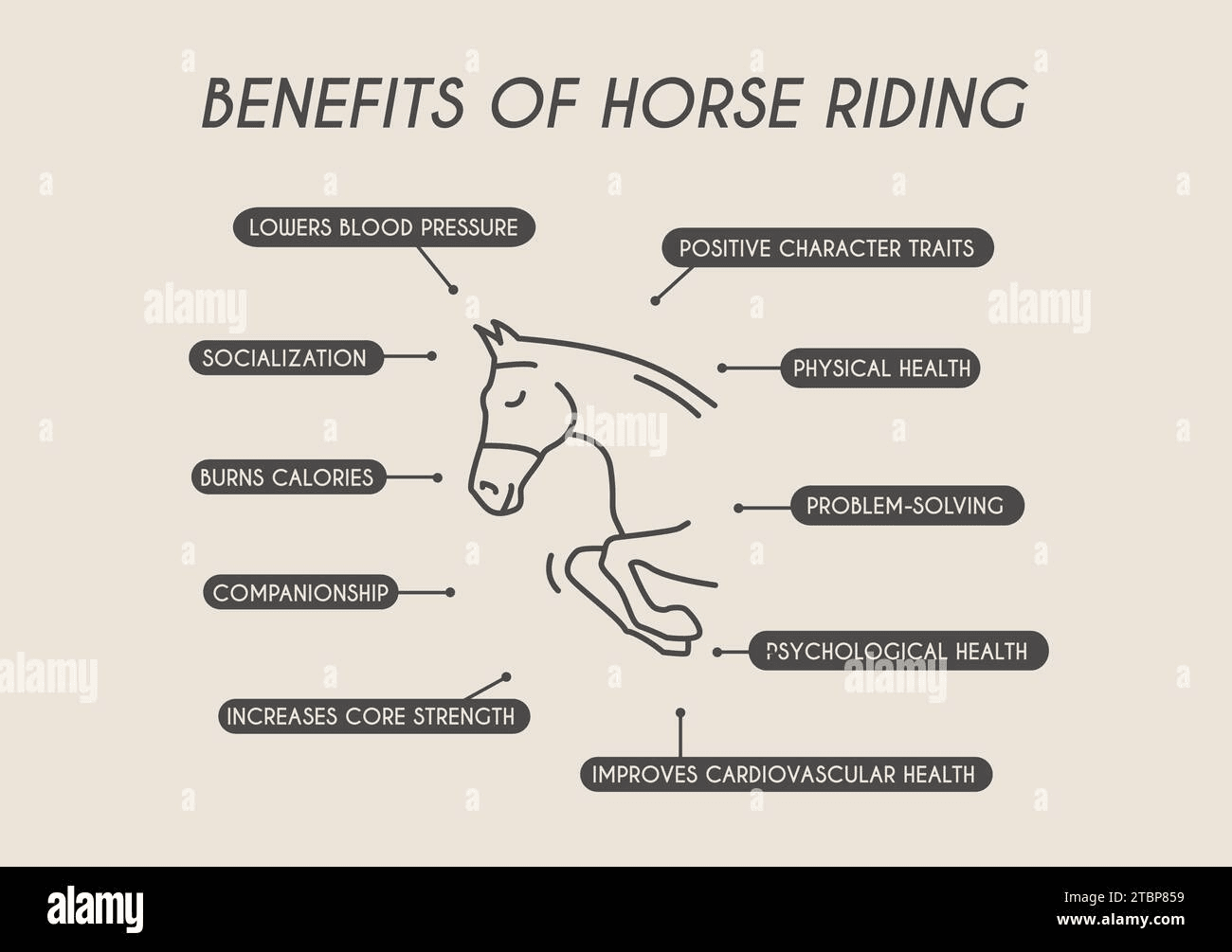
The therapeutic benefits of horseback riding extend far beyond the simple joy of being on horseback. Engaging in this activity provides a unique combination of physical stimulation and emotional connection, leading to enhanced mental well-being. Studies increasingly highlight how riding can alleviate stress, reduce anxiety, and promote feelings of happiness and fulfillment. The interaction between rider and horse fosters a sense of calm, transforming what might seem like a leisure activity into a powerful therapeutic experience. Therefore, whether you are seeking to improve your mental health or simply enjoy the outdoors, horseback riding offers profound benefits that can enrich your life.
Exploring the emotional and psychological advantages of equine activities reveals that horseback riding serves as more than just a hobby; it is a holistic approach to healing and wellness. This form of therapy, often referred to as equine-assisted therapy or riding therapy, integrates the nurturing relationship between humans and horses to facilitate personal growth and mental clarity. Engaging with these incredible animals can empower individuals, helping them confront emotional challenges while building valuable skills like patience and empathy. Furthermore, the structured environment of riding lessons enhances social interaction, encouraging a sense of community among participants. Ultimately, these alternative terms reflect the broader spectrum of therapeutic opportunities presented through the gentle yet powerful influence of horses.
Understanding the Emotional Bond Between Rider and Horse
The emotional bond between a rider and a horse is a remarkable aspect of horseback riding that provides unique therapeutic advantages. Horses are incredibly intuitive creatures, capable of sensing human emotions. This sensitivity allows them to react to a rider’s feelings, creating a relationship built on trust and mutual understanding. As riders interact with their horses, they often develop a profound affection for them, which can lead to improved emotional well-being. This connection serves as a safe space for individuals to express themselves, making it easier to confront past traumas or present challenges.
Additionally, this emotional bond can significantly aid in emotional regulation. The act of simply being around horses has proven itself therapeutic; their calming presence often alleviates feelings of stress and anxiety. When riders build a rapport with their horses, they often feel less isolated and more connected to others, thus nurturing their mental health. The sense of companionship provided by a horse can be invaluable, especially for individuals struggling with depression or loneliness.
Physical Health Benefits of Horseback Riding
Horseback riding is not just a mental exercise; it also involves substantial physical benefits that contribute to an individual’s overall health. Engaging in this sport enhances physical fitness through varied movements, which in turn promotes cardiovascular health, strengthens core muscles, and improves balance and coordination. As riders maneuver their horses, they engage various muscle groups, achieving a low-impact workout that can lead to better body awareness and movement efficiency.
Moreover, the physical activity involved in horseback riding releases endorphins, commonly known as the ‘feel-good’ hormones. These natural chemicals interact with receptors in the brain, reducing the perception of pain and boosting pleasure, helping to alleviate symptoms of anxiety and stress. Regular riding sessions can establish a routine that encourages consistent physical activity, which is essential for anyone looking to maintain or improve their overall mental health.
The Psychological Impact of Riding Lessons
Participating in riding lessons can deliver significant psychological benefits to individuals. Firstly, riding lessons require focus and a commitment to learning, cultivating improved concentration skills. Riders must pay careful attention to their horse’s movements and behaviors, allowing them to practice mindfulness—a technique that has been shown to decrease anxiety and improve emotional stability. This engagement in the present moment helps divert attention away from stressors and negative thoughts.
Furthermore, regular involvement in structured lessons allows riders to develop clear goals, which can tremendously bolster their confidence and self-esteem. Achieving milestones, such as mastering a new riding technique or caring for a horse, provides a tangible sense of accomplishment. This progress can inspire a positive self-image and empower individuals to tackle other challenges in their lives.
Community and Social Benefits of Group Riding
Horseback riding often occurs in community settings, especially in group lessons, which contribute richly to social health. Being part of a riding group allows individuals to connect and share experiences with others who have similar interests, fostering a sense of belonging. This social interaction is critical in mitigating feelings of isolation, making participants feel supported and understood in their journey towards improved mental health.
Additionally, riding with others encourages teamwork and communication skills as group members navigate lessons and activities together. This collaborative aspect not only reinforces social ties but also helps individuals build and strengthen friendships, an essential factor for emotional well-being. As participants support one another in their riding experiences, they create a nurturing environment that can significantly enhance their mental health outcomes.
Building Self-Confidence Through Riding
One of the notable therapeutic benefits of horseback riding is its ability to instill self-confidence in individuals of all ages. Mastering the intricate skills required to ride, such as balancing, steering, and communicating with the horse, challenges riders to step out of their comfort zones. Overcoming these challenges provides a profound sense of achievement and prompts personal growth, which is crucial for boosting self-esteem.
As riders progressively become more skilled and competent, their belief in their abilities rises. Positive reinforcement from instructors and peers further encourages this growth, making individuals feel more capable in other areas of their lives. This increase in self-worth can translate into improved performance in academic, professional, or personal spheres, creating a positive feedback loop that enhances overall mental health.
Establishing Structure and Routine Through Riding
The structured format of riding programs creates an environment of predictability that is especially beneficial for individuals struggling with mental health challenges. Engaging in horseback riding involves a sequence of tasks—grooming, saddling, lessons, and caring for the horse. This routine fosters a sense of stability, which can be incredibly reassuring for participants seeking refuge from the chaos of daily life.
Additionally, having this regular commitment encourages individuals to develop responsibility and accountability. Knowing that a horse depends on them for care and attention can motivate riders to engage consistently with their riding program. This routine not only provides a sense of purpose but also reinforces healthy habits that are conducive to mental wellness.
Therapeutic Riding Programs and Their Impact
Therapeutic riding programs have emerged as vital resources for individuals seeking mental health support through equine-assisted activities. These programs are tailored to meet the specific needs of participants, offering personalized experiences that leverage the therapeutic benefits of horseback riding. With trained therapists and instructors guiding sessions, participants can work towards therapeutic goals while developing horsemanship skills.
Furthermore, such programs often employ strategies that integrate emotional growth alongside riding skills. Participants engage in activities designed to enhance self-awareness, emotional regulation, and social interaction. This multifaceted approach has shown promising results in improving mental health outcomes, making therapeutic riding a compelling option for those seeking an alternative or supplementary form of therapy.
The Calming Effects of Horseback Riding
The calming effects of horseback riding are well-recognized among mental health practitioners. Riding provides a unique opportunity for individuals to experience serenity, often described as therapeutic. The rhythmic motion of moving with the horse can be meditative, allowing riders to disconnect from distressing thoughts and immerse themselves in the experience.
Moreover, the serene environment typically associated with riding—often occurring in natural settings—can enhance feelings of peace. Many riders report a significant reduction in anxiety levels after spending time with horses, attributing this serenity to the natural connection formed during riding. This calming influence is particularly beneficial for those coping with stress-related disorders, offering a holistic approach towards mental health management.
Getting Started with Horseback Riding for Mental Wellness
Embarking on horseback riding as a journey toward mental wellness requires thoughtful preparation. Individuals interested in reaping the benefits should start by researching local riding centers that offer both standard lessons and specialized therapeutic programs. This preliminary step ensures a comfortable and supportive environment conducive to personal development.
It’s also essential to consult with professionals who understand both mental health and equine therapy principles. This guidance can help newcomers integrate horseback riding into their overall mental health regimen. Participation in a trial lesson can also facilitate acclimatization while assessing the rider’s comfort level and interest, ultimately promoting a sustainable and rewarding riding experience.
Frequently Asked Questions
What are the therapeutic benefits of horseback riding for mental health?
Horseback riding offers numerous therapeutic benefits for mental health, including reduced anxiety, improved self-esteem, and enhanced emotional connections with horses, all of which contribute to overall emotional well-being.
How does horseback riding promote physical health along with therapeutic benefits?
The therapeutic benefits of horseback riding extend to physical health by promoting cardiovascular fitness, muscle toning, and coordination, which are essential for reducing stress and anxiety while boosting mental clarity.
Can horseback riding help with anxiety and depression?
Yes, the therapeutic benefits of horseback riding can significantly alleviate symptoms of anxiety and depression. The calming effect of riding and the bond formed with horses help reduce stress and foster emotional resilience.
What role does social interaction play in the therapeutic benefits of horseback riding?
Social interaction in horseback riding settings enhances the therapeutic benefits by providing a sense of community and belonging, which is crucial for mental health and can alleviate feelings of loneliness.
How does horseback riding enhance focus and concentration?
The therapeutic benefits of horseback riding include enhanced focus and concentration, as riders must pay attention to the horse’s movements and needs, fostering mindfulness that helps distract from negative thoughts.
Are there specific therapeutic riding programs available for mental health?
Yes, therapeutic riding programs designed for mental health challenges offer structured environments and professional guidance, maximizing the therapeutic benefits of horseback riding through equine-assisted psychotherapy.
What emotional connections can develop through horseback riding?
Horseback riding fosters deep emotional connections between the rider and horse, allowing individuals to explore and process their feelings, which is a key aspect of the therapeutic benefits of horseback riding.
How can someone get started with horseback riding for mental health benefits?
To experience the therapeutic benefits of horseback riding for mental health, begin by researching local riding centers, consulting professionals, and trying trial lessons to gauge your interest and comfort.
Why is routine important in horseback riding’s therapeutic benefits?
A structured routine in horseback riding provides stability, which is essential for mental health improvement. Knowing what to expect during each session enhances the therapeutic benefits by creating a calming environment.
What strategies can maximize the therapeutic benefits of horseback riding?
Approaching horseback riding with patience, seeking professional guidance, and actively engaging in the riding community can maximize its therapeutic benefits, promoting emotional and mental wellness.
| Key Points | Details |
|---|---|
| Promotes Physical Activity | Encourages good cardiovascular health and enhances muscle tone, reducing anxiety and stress. |
| Enhances Focus and Concentration | Requires significant focus, acting as mindfulness, which helps improve mental clarity. |
| Boosts Self-Esteem and Confidence | Mastering riding skills enhances self-esteem through challenges and accomplishments. |
| Social Interaction | Group riding fosters social connections and combats loneliness, improving well-being. |
| Develops Emotional Connections | Riders learn to recognize and cope with emotions through interactions with horses. |
| Offers a Structured Environment | Provides routine, stability, and predictability, soothing mental health challenges. |
| Stress Reduction | The calming presence of horses and rhythmic riding promote relaxation and peace. |
Summary
The therapeutic benefits of horseback riding encompass a wide array of mental health improvements. Engaging with horses not only promotes physical activity but also enhances focus, self-esteem, social interactions, and emotional connections. This unique relationship between rider and horse serves as a powerful tool for reducing stress and providing structure. As riders navigate the challenges and joys of riding, they often find enhanced mental clarity and emotional resilience. By exploring these benefits, individuals can discover new pathways to wellness and personal growth.