
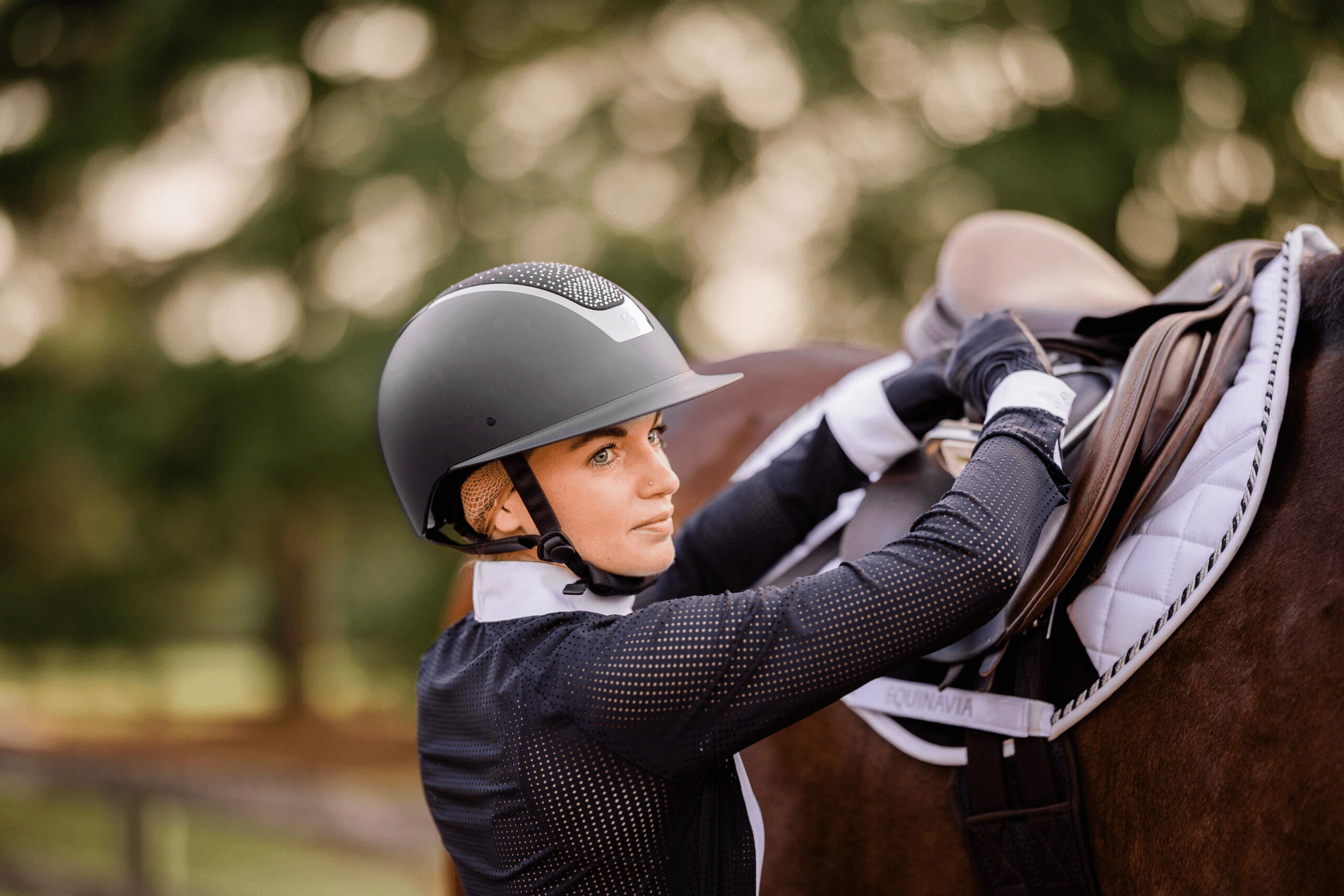
When it comes to horse riding, having the right horse riding gear is crucial for both safety and performance. Proper equipment not only enhances your riding experience but also ensures the well-being of your horse. From the best riding boots that offer ideal grip and comfort to rider safety gear that protects against potential accidents, every piece of gear plays a vital role. In this comprehensive guide, we’ll delve into essential horse riding equipment, explore saddle fitting for optimal comfort, and share tips on choosing riding gear that best suits your needs. Understanding horse tack essentials will help you make informed decisions and elevate your equestrian experience.
Equestrian enthusiasts know that the right gear is an indispensable part of the riding journey. Whether you’re searching for rider accessories designed to enhance safety or equine equipment tailored for your horse’s needs, there’s a wide array of options available. Selecting proper gear—such as quality helmets, riding breeches, and saddle pads—can significantly impact both comfort and performance while riding. Understanding how to fit a saddle correctly and choose durable riding boots can also make a world of difference. As we navigate through the intricacies of selecting optimal riding equipment, we’ll highlight the importance of quality and fit for an enjoyable horseback experience.
The Importance of Rider Safety Gear
Rider safety gear plays a crucial role in ensuring the well-being of equestrians. This category encompasses essential items like helmets, body protectors, and vests, all designed to minimize the risk of injury during horseback riding. Statistics show that falls from horses are one of the leading causes of injuries in riders, emphasizing the necessity of well-fitted safety gear. By prioritizing these essential pieces of equipment, riders can enjoy their passion with a peace of mind knowing they are protected.
When investing in rider safety gear, it is vital to select products that meet industry standards. Helmets should be ASTM or SEI certified, ensuring they can withstand impacts during an accident. Additionally, protective vests should fit snugly without restricting movement, allowing riders to maintain comfort while crucially safeguarding their bodies in case of a fall. Therefore, understanding the importance of rider safety gear is the first step toward a fun and secure horseback riding experience.
Choosing the Best Riding Boots for Comfort and Performance
When it comes to horse riding gear, choosing the best riding boots is paramount for comfort and functionality. Riding boots should be designed to provide adequate grip, support, and protection for your feet while mounted on a horse. Ideally, they should be made from durable materials, such as leather or synthetic fabrics, and feature a slight heel to help prevent slippage in the stirrups. Investing in high-quality riding boots not only enhances performance but also adds to the rider’s confidence and stability.
In addition to style and durability, it is crucial to consider the fit of your riding boots. Proper fit is essential to ensure comfort during long rides, as well as to avoid foot pain or cramping that could distract you from your riding experience. Pay attention to the boot’s height, width, and sole structure when selecting the right pair. Testing riding boots by walking and sitting in them helps ensure the right fit and feel before making a purchase.
Exploring Essential Horse Riding Equipment
Horse riding equipment encompasses various items that enhance both the rider’s and horse’s experience. Essential components include saddles, bridles, and stirrups, all tailored to the specific needs of the horse and rider duo. Additionally, different riding disciplines may require specialized gear; for instance, dressage saddles are designed to enhance movement, while jumping saddles offer more support. Understanding the purpose of each piece of equipment can help riders make informed decisions for optimal performance.
Moreover, selecting the appropriate saddle is vital for comfort and efficiency. A well-fitted saddle supports the horse’s back, allowing for proper movement and reducing the risk of injury. Riders should work with a professional saddle fitter to ensure that both the saddle and bridles are suitable for their unique riding style and their horse’s anatomy. Investing time in finding the right horse riding equipment is invaluable for achieving a successful and rewarding riding experience.
The Art of Saddle Fitting: A Key to Happy Riding
Saddle fitting is an essential aspect of both rider comfort and horse welfare. An ill-fitting saddle can lead to various issues, including discomfort, poor performance, and even injury for both the rider and the horse. Understanding the anatomy of the horse’s back, as well as the various types of saddles available, can aid riders in making an informed choice. A properly fitted saddle distributes the rider’s weight evenly while providing the necessary clearance and space for the horse’s movement.
It is essential to regularly assess saddle fit, as changes in the horse’s body condition or muscle development can affect how a saddle sits. Consulting a qualified saddle fitter is highly recommended to ensure that adjustments can be made when necessary. This attention to saddle fitting not only enhances the riding experience but also fosters a stronger bond between rider and horse, contributing to overall satisfaction in your equestrian journey.
Exploring Different Types of Equestrian Gear
Equestrian gear varies widely based on the type of riding and the specific needs of both horse and rider. From Western saddles to English bridles, each type of equipment caters to distinct riding styles and disciplines. Riders should educate themselves on the differences and the specific equestrian gear that best suits their preferences, ensuring optimal performance and comfort during rides. For instance, endurance riders may prioritize lightweight gear, while jumpers may opt for gear that supports stability and movement.
Furthermore, equestrian gear must also accommodate the various seasons and climates. Lightweight materials are preferable during warmer months, while insulated gear ensures comfort in cooler weather. Riders should seek out versatile equipment that features adaptive qualities to suit changing conditions, enabling them to maintain performance year-round. Ultimately, understanding the different types of equestrian gear allows riders to curate a personalized collection that meets their riding goals and comfort needs.
Essential Horse Tack for Every Equestrian
Horse tack essentials play a significant role in both safety and performance during horseback riding. Tack includes all the equipment used to control or communicate with the horse, such as saddles, bridles, reins, and girths. Choosing the right tack is essential for effective riding; therefore, riders should be knowledgeable about the various options available and their specific functions. Comfort for the horse is paramount, as incorrect adjustments or poorly fitting tack can lead to discomfort and performance issues.
In addition to comfort, quality is crucial when selecting horse tack. Durable materials and craftsmanship are important factors that contribute to the longevity of your equipment. Regular maintenance, such as cleaning and checking for wear, ensures that the tack remains safe and effective. Investing in proper horse tack is critical for fostering a successful partnership with your horse, allowing for smoother communication and a more enjoyable riding experience.
Key Considerations When Choosing Riding Gear
Selecting the right riding gear should not be a rushed decision. There are several key considerations to keep in mind to maximize both comfort and effectiveness during rides. Firstly, prioritize fit, as ill-fitting gear can lead to discomfort or injury. Whether it’s rider safety gear or horse tack, each piece should allow for full mobility and function without restricting the rider or horse.
Next, consider your riding goals and the environments in which you will be riding. Engaging in casual riding, competition, or diverse terrains can greatly influence the type of gear you need. Finally, always aim for quality over price – investing in high-quality riding gear up front saves money in the long run due to lower replacement and injury costs. Seek out reputable brands and read reviews from fellow riders to make informed choices for your riding gear.
Maintaining Your Horse Riding Gear for Longevity
Proper maintenance of horse riding gear is essential for ensuring its longevity and optimal performance. Regular cleaning and care protect equipment against wear and tear, while also maintaining safety standards. For example, riding boots should be cleaned regularly to preserve their materials and waterproofing features, while saddles and bridles should be wiped down and conditioned to prevent cracking.
Additionally, storing riding gear correctly plays a vital role in its maintenance. Equipment should be kept in a dry, well-ventilated space to prevent mold and mildew buildup. Invest in sturdy racks and covers to protect your gear when not in use. By prioritizing maintenance and storage, riders can ensure their horse riding equipment remains in top condition, contributing to safer and more enjoyable riding experiences.
Staying Updated with Equestrian Trends and Innovations
The world of equestrian gear is constantly evolving, with new trends and innovations emerging to enhance both rider and horse experiences. Staying informed about the latest products can help equestrians make better purchasing decisions and improve their riding performance. Innovations in materials, designs, and technology have led to gear that is lighter, more comfortable, and far more efficient than ever before.
Additionally, keeping an eye on equestrian communities and participating in discussions can provide insights into which new products are favored by fellow riders. Attending trade shows or competitions exposes riders to the latest gear offerings, as well as firsthand experiences from industry experts. By staying in tune with equestrian trends, riders can equip themselves and their horses with the best gear available, ensuring an enjoyable and effective riding journey.
Frequently Asked Questions
What is the importance of rider safety gear in horse riding?
Rider safety gear is crucial in horse riding for protecting against injuries. Essential items include helmets, which must meet safety standards, and riding boots that provide grip and support. Wearing the proper safety gear ensures both comfort and confidence while riding.
How can I choose the best riding boots for my needs?
When selecting riding boots, consider materials like leather or synthetic, ensure they rise above the ankle, and have a heel of 1-2 inches. The best riding boots will offer comfort, durability, and a non-slip grip in the stirrups, making them ideal for various riding styles.
What are the key factors in saddle fitting for horse riding gear?
Saddle fitting is essential for both rider and horse comfort. Key factors include the horse’s size and shape, the intended riding style, and ensuring the saddle does not pinch or rub. Consulting a professional saddle fitter can help achieve the optimal fit for your horse.
What should I look for when choosing equestrian gear for beginners?
Beginners should focus on comfort and safety when selecting equestrian gear. Start with a certified helmet, sturdy riding boots, and comfortable breeches. Prioritize fit and quality to ensure a positive experience while learning how to ride.
What horse tack essentials should every rider have?
Every rider should have essential horse tack including a properly fitted saddle, bridle, girth, and stirrups. Additional essentials include grooming kits, saddle pads, and leg protection items to ensure the horse’s comfort and safety during rides.
How important is it to seek professional advice when choosing riding gear?
Seeking professional advice is vital when choosing riding gear as experienced trainers can provide insights on fit, quality, and equipment suitability for your specific riding needs. This helps prevent injuries and enhances your overall riding experience.
What are the best materials for riding gloves in equestrian gear?
The best riding gloves are made from durable, stretchy materials such as leather or synthetic blends that offer flexibility and grip. These gloves help maintain control of the reins and protect your hands from abrasions, enhancing your comfort while riding.
How do I maintain my horse riding equipment properly?
Maintaining horse riding equipment involves regular cleaning and inspection. Wash riding gear and horse tack after use, keeping it dry to prevent mold. Regularly check for wear and tear, especially in saddles and bridles, and replace any damaged gear promptly.
What should I consider when picking out breeches or jodhpurs?
When choosing breeches or jodhpurs, look for breathable materials that offer flexibility and a good fit. Consider the type of riding you will be doing, as some styles provide better grip on the saddle and comfort tailored to specific disciplines.
Are there significant differences between English and Western riding gear?
Yes, English and Western riding gear differ in style and functionality. English riding gear typically includes lighter saddles and bridles designed for jumping and dressage, while Western gear is more robust, designed for ranch work and long-distance riding.
| Category | Key Equipment | Purpose |
|---|---|---|
| Rider Gear | Helmets | Safety and protection for the head. |
| Rider Gear | Riding Boots | Provide grip and support, preventing slipping. |
| Rider Gear | Riding Breeches/Jodhpurs | Flexible and breathable material for comfort and grip. |
| Rider Gear | Gloves | Enhance grip on reins and protect hands. |
| Horse Gear | Saddles | Comfortable fitting is essential for both horse and rider. |
| Horse Gear | Bridles | Various types to suit different riding styles. |
| Horse Gear | Pads and Blankets | Provide cushioning and protect the horse’s back. |
| Horse Gear | Leg Protection | Prevents injuries during riding or competition. |
| Horse Gear | Grooming Kits | Essential for horse hygiene and bonding. |
Summary
Horse riding gear is crucial for ensuring the safety, comfort, and performance of both the horse and rider. Selecting the right equipment can greatly enhance the riding experience. From essential rider gear like helmets and riding boots to horse-specific equipment such as saddles and grooming kits, each piece plays a distinct role in the overall success of your riding adventures. Prioritizing fit, quality, and purpose, along with seeking expert advice when necessary, will not only ensure a more enjoyable ride but also foster a stronger connection between you and your horse. With the right horse riding gear, you can fully immerse yourself in the joy of this magnificent sport.