
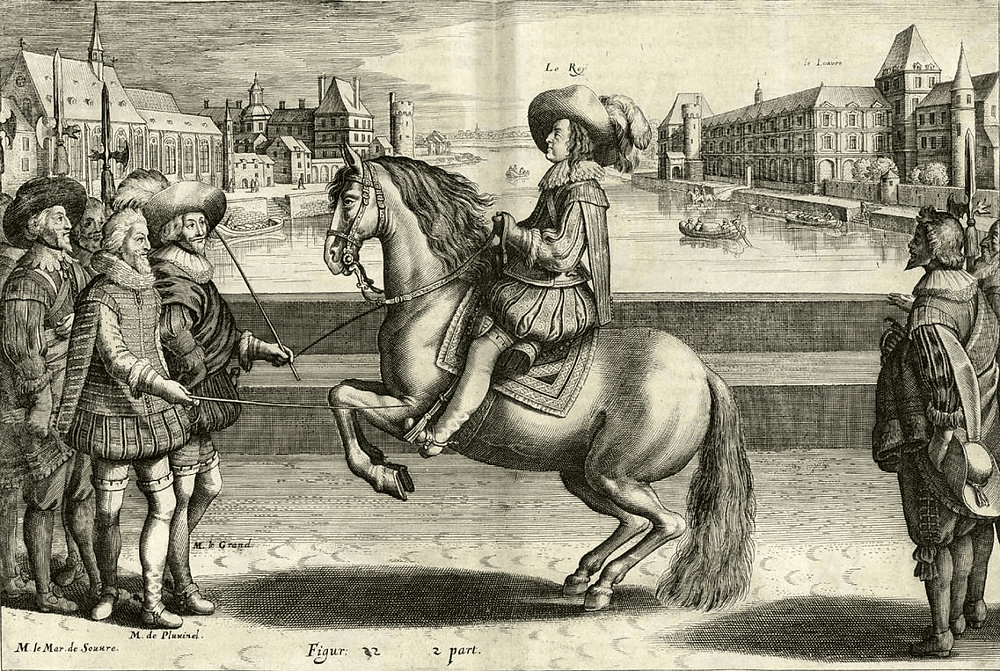
The history of horse riding is a captivating narrative that spans thousands of years, tracing its roots back to the early domestication of horses around 3500 BC. Initially, this crucial practice emerged from the necessity of transportation and labor in ancient societies, with horse riding evolving into a vital aspect of daily life. As civilizations blossomed, horses transformed into symbols of power, prominently featured in warfare and recreational sports. The evolution of this equestrian history illustrates how cultural needs and innovations influenced the development of riding techniques and styles over time. Today, modern horse riding reflects a rich legacy, enriched by diverse traditions and disciplines, making it a cherished activity worldwide.
Exploring the equestrian heritage reveals a profound connection humanity shares with horses throughout time. The evolution of horseback riding embodies not just a mode of transportation, but a cultural phenomenon that has influenced societies worldwide. From the early days of ancient horse riding where functionality was key, to the sophisticated modern horse riding practices infused with sport and leisure, each era enhances our understanding of this timeless bond. Furthermore, the horse riding culture mirrors broader historical contexts that showcase human resilience and adaptation. Understanding this vast narrative allows us to appreciate the significance of equestrian activities in our world today.
The Origins of Equestrian Riding
The roots of equestrian riding can be traced back to the domestication of horses around 3500 BC. Communities in Central Asia relied heavily on horses for essential tasks, closer to survival than recreation. This early symbiotic relationship laid the groundwork for not just practical uses but also a deep cultural connection with these majestic creatures.
Archaeological excavations suggest that the Botai people of Kazakhstan were pioneers in this ancient horse riding. They utilized horses for both transportation and milk production, highlighting the versatility of the animal. This early innovation in horse riding set the stage for advancements in equestrian practices across various civilizations.
The Role of Horses in Ancient Civilizations
In ancient civilizations such as Egypt, Mesopotamia, and Greece, the horse took on a multifaceted role. Beyond serving as a means of transport, they were integral to warfare, prestige, and sport. The Sumerians’ strategic use of horses in battles marked a transformative moment in military history, showcasing the importance of equestrianism in shaping human civilization.
Horses became symbols of power within Egyptian society, often associated with the status of pharaohs. Chariots, drawn by horses, were used in warfare and ceremonial rituals. Similarly, in Greece, horses were celebrated in the Olympic Games, further embedding equestrian culture into the fabric of social and athletic life.
Horse Riding in the Middle Ages: Chivalry and Skill
During the Middle Ages, horse riding transcended mere functionality and evolved into a symbol of chivalry. Knights depended on their steeds not only for combat but also for honor and showing their combat prowess through jousting tournaments, which captivated audiences and solidified the status of both horse and rider as crucial cultural icons.
Training methodologies also advanced significantly during this era. Manuals like Federico Grisone’s “The Book of Horsemanship” outlined principles of horse care and riding techniques, highlighting the growing recognition of riding as a discipline requiring skill, discipline, and artistry.
The Renaissance: A Period of Equestrian Flourishing
The Renaissance marked a rebirth of classical ideas, which extended to horse riding as well. The synergy between art and equestrian practices during this time fostered a culture that celebrated the beauty and grace of horses. Esteemed horsemen like Hans von Aachen enhanced the training methods and aesthetic appreciation of riding.
Artworks from this era often glorified horse riding, showcasing elegant pairings of rider and steed. This artistic lens transitioned into the written word, resulting in popular treatises focusing on horsemanship, emphasizing the nuanced relationship between horse and rider through techniques of control and communication.
The Impact of the Industrial Revolution on Horse Riding
The Industrial Revolution brought about dramatic changes in society, yet it paradoxically led to an expansion of equestrian sports. As machines began to replace horses for everyday tasks, the upper classes turned the animals towards leisure and competition, establishing formal equestrian events that appealed to their sporting whims.
The emergence of organized leagues for disciplines such as horse racing and show jumping created a framework for competitive riding that continues to evolve today. Notably, the Thoroughbred breed became synonymous with horse racing, introducing a level of competitiveness that captured the public’s imagination, establishing a lasting legacy in equestrian sports.
Modern Horse Riding: Expanding Horizons
Entering the 20th century, horse riding diversified significantly, giving rise to multiple disciplines that catered to various skills and preferences, from show jumping to dressage and beyond. Each discipline carries its own rich traditions and expectations, allowing riders to specialize based on their interests and expertise.
Additionally, the therapeutic potential of horse riding has gained recognition in recent years. Equine-assisted therapy is utilized in therapeutic contexts, demonstrating horse riding’s ability to foster emotional recovery and physical rehabilitation, illustrating the profound impact horses can have on human well-being.
Exploring Contemporary Equestrian Cultures
In contemporary society, horse riding serves as a unifying cultural force, visible in diverse forms worldwide. From the legendary cowboy culture of the American West to the storied traditions of equestrian communities in Mongolia, the cultural significance of horse riding reflects unique traditions, showcasing its adaptability and resilience.
The modern landscape of horse riding includes riding schools and local competitions that attract wider audiences, making the experience of riding accessible to people from all walks of life. This democratization of equestrian culture encourages a continued appreciation for the bond shared between horses and humans, inspiring new generations.
The Evolution of Equestrian Techniques Over Time
The evolution of horse riding techniques is a testament to centuries of accumulated knowledge in equestrian history. From the simplistic methods employed by ancient riders to the sophisticated schools of training seen today, it’s evident that each era contributed unique insights and methodologies that have shaped modern riding.
Modern techniques often integrate historical principles with contemporary training philosophies, emphasizing the need for a harmonious relationship between horse and rider. This blend of old and new ensures that riders not only master the skills required but also cultivate a deeper connection with their equine partners.
Horse Riding as a Reflection of Human Society
Examining horse riding through its historical lens reveals much about human society’s values and evolutions. In cultures where horses have been central to survival, the riding practices were developed from practical needs, showcasing innovation driven by necessity.
Conversely, as societies have advanced, the focus on horse riding has shifted from mere survival to sports and recreational activities. This transition highlights our changing values and how leisure practices such as horse riding can bridge gaps between different societies globally.
Frequently Asked Questions
What is the history of horse riding and when did it begin?
The history of horse riding dates back to around 3500 BC with the domestication of horses in Central Asia. Initially, horses were primarily used for transportation and labor, with the Botai people of Kazakhstan being among the first to ride them.
How did ancient civilizations influence the evolution of horse riding?
Ancient civilizations like the Mesopotamians and Egyptians played a crucial role in the evolution of horse riding, using horses in warfare and sport. The Sumerians were pioneers in using horses for battle, shaping early military strategies.
What significance did horses hold in ancient Egypt’s horse riding culture?
In ancient Egypt, horses were symbols of power and status. Pharaohs utilized them in chariots for warfare and ceremonial purposes, showcasing the cultural importance of horse riding during that era.
How did horse riding become associated with chivalry in the Middle Ages?
During the Middle Ages, horse riding became a symbol of chivalry, especially among knights. Horses were vital in battles, and tournaments like jousting showcased the skills of knights, highlighting the elegance and discipline of horse riding.
What advancements in horse riding occurred during the Renaissance period?
The Renaissance marked a flourishing of equestrian arts, emphasizing the bond between horse and rider. Figures like Hans von Aachen contributed to horse riding as an artistic discipline, influencing modern training techniques.
How did the Industrial Revolution impact equestrian sports and horse riding culture?
The Industrial Revolution shifted the role of horses in society but led to the establishment of formal equestrian sports, such as racing and jumping, particularly among the upper classes, thus shaping modern horse riding culture.
What are the modern disciplines of horse riding?
Modern horse riding encompasses various disciplines, including dressage, eventing, show jumping, and western riding. Each discipline has unique skills and techniques, appealing to a broad range of equestrian enthusiasts.
How has horse riding evolved into a therapeutic practice?
Horse riding has evolved into a therapeutic practice known as equine-assisted therapy, utilizing interactions with horses for emotional and physical healing, showcasing the profound bond between humans and horses.
What variations of horse riding culture exist globally today?
Today, horse riding cultures are diverse, ranging from cowboy traditions in the American West to Mongolian mounted games. This diversity reflects local values and traditions, making horse riding a global phenomenon.
What is the overarching significance of the history of horse riding in human culture?
The history of horse riding illustrates a rich tapestry of human experience, from survival and artistry to sport and companionship. It underscores the enduring bond between humans and horses across cultures and time.
| Key Points | Details |
|---|---|
| Origins of Horse Riding | Horse riding began around 3500 BC, primarily for work and transport, with early evidence from the Botai people. |
| Ancient Civilizations | Horses were used in warfare and sport by civilizations like the Mesopotamians, Egyptians, and Greeks. |
| Middle Ages | Horse riding became a symbol of chivalry and knighthood, with jousting becoming popular and formal training emerging. |
| Renaissance | Horse riding became associated with the arts, with prominent horsemen focusing on the beauty of riding. |
| Industrial Revolution | While machinery replaced horses in labor, equestrian sports like racing and show jumping flourished. |
| Modern Horse Riding | Expanded into various disciplines including dressage, eventing, and therapeutic riding. |
| Contemporary Culture | Horse riding is celebrated globally, reflecting diverse cultures and accessible to broader audiences. |
Summary
The history of horse riding is a captivating journey that chronicles its evolution from a basic survival skill to a cherished sport and leisure activity. Initially, horse riding was developed for transportation and work after the domestication of horses around 3500 BC. Throughout ancient times, the significance of riding grew, with civilizations incorporating horses into warfare and celebration. In the Middle Ages, horseback riding became synonymous with knighthood, and it was during the Renaissance that it gained recognition as a noble art form. The Industrial Revolution shifted some functions of horses, but it also saw the rise of equestrian sports. Today, the discipline has expanded, fostering various riding styles, therapeutic practices, and broad cultural expressions worldwide. As horse riding continues to thrive, it remains a testament to the enduring bond between humans and horses throughout history.