
The horse and rider connection is an extraordinary partnership that thrives on trust, communication, and understanding. This bond extends far beyond riding; it is a profound relationship that enhances both the rider’s experiences and the horse’s performance. Developing trust in horse riding is essential as it forms the foundation of effective horse training and smooth interactions. By fostering an emotional bond with your horse and employing clear horse communication, riders can create an environment where their equine partners feel safe and understood. In this article, we will delve into the intricate ways to build trust with horses, unlocking the full potential of this remarkable connection.
Delving into the dynamics between the equine and its handler, we recognize this relationship as one that hinges on mutual respect and communication. This interaction, often characterized by a deep-seated emotional connection, can significantly enhance the pair’s performance and enjoyment. By understanding how to engage effectively with horses, riders can cultivate a nurturing atmosphere that fosters trust and open dialogues. In this exploration of the horse-handler dynamic, we will uncover methods to reinforce this bond, ensuring the relationship is built on a solid foundation of empathy and clarity in communication. Such an approach not only benefits training outcomes but also enriches the overall experience for both horse and rider.
The Importance of Trust in Horse Riding
Trust is a fundamental aspect of horse riding that goes beyond mere obedience to commands. When a horse trusts its rider, it becomes more willing to cooperate, leading to a smoother riding experience. This trust is not built overnight; it takes patience and a consistent approach. Riders must create a safe and predictable environment for their horses, as unpredictability can lead to anxiety and erode trust. Engaging in activities that reinforce this bond is vital, enabling both horse and rider to feel more secure in their relationship.
Building trust involves understanding the unique needs and behaviors of each horse. Every horse is an individual with its own temperament and response to training methods. Riders should take the time to develop a rapport through gentle interactions, consistent routines, and positive reinforcement. Whether through groundwork, grooming, or simply spending time together, every interaction counts. Ultimately, fostering trust leads to a more successful partnership, unlocking the full potential of both horse and rider.
Effective Horse Training Methods
Effective horse training methods hinge upon understanding the psychology of horses. Horses are incredibly sensitive creatures; they pick up on the emotional cues of their riders. By employing gentle training techniques that emphasize positive reinforcement, riders can ensure that their horses respond with confidence and willingness. Training should be clear, consistent, and compassionate, allowing horses to feel safe and understood. This approach not only facilitates better performance but strengthens the bond between horse and rider.
Additionally, structured training sessions that incorporate both groundwork and riding can significantly enhance a horse’s responsiveness. Activities such as lunging and desensitization drills help bridge the communication gap, allowing horses to interpret the rider’s cues more effectively. Riders should focus on developing their own communication skills, learning to listen and respond to their horse’s needs, which in turn fosters a more productive training environment. As a result, training becomes a collaborative effort that respects the horse’s individuality.
Understanding Horse Communication
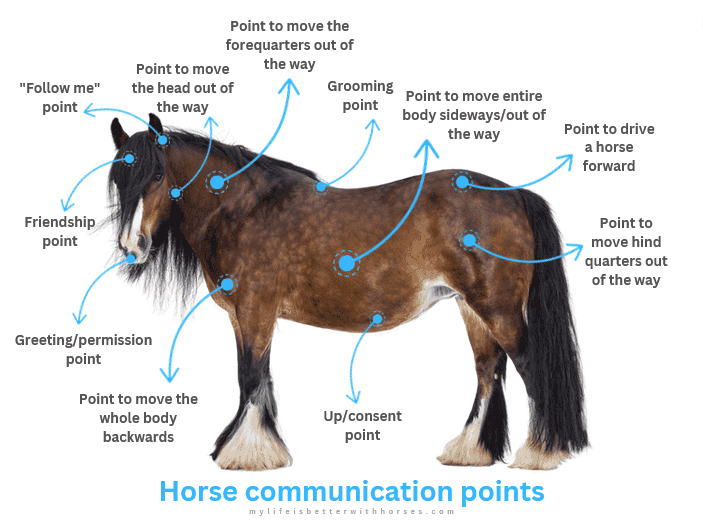
Horses communicate primarily through non-verbal cues, using body language, facial expressions, and even vocalizations. Understanding these signals is crucial for any rider wishing to build a strong connection with their horse. For instance, a horse’s ears can indicate its mood; forward ears suggest curiosity, while pinned ears may signal discomfort or aggression. By becoming attuned to these subtle signs, riders can respond appropriately and foster an atmosphere of trust.
Moreover, effective horse communication also involves the rider’s body language. Horses are adept at reading human emotions and attitudes, so maintaining a calm and confident demeanor can positively impact their behavior. Incorporating activities like mirroring and groundwork can enable riders to better understand their horse’s responses. Ultimately, the goal is to create a dialogue where both horse and rider feel heard and respected, thereby reinforcing their emotional bond.
Exercises to Foster Horse and Rider Connection
Engaging in specific exercises can significantly improve the bond between horse and rider. Activities such as join-up exercises and groundwork provide opportunities for horses to voluntarily engage with their riders, reinforcing the idea of teamwork over submission. Join-up specifically demonstrates the horse’s willingness to follow and trust the rider, showcasing the principles of natural horsemanship and effective leadership.
Furthermore, desensitization exercises can play a vital role in building confidence and trust. Gradually introducing horses to new stimuli ensures they learn to trust their rider in various environments. Each exercise serves as a building block in the relationship, helping both horse and rider understand each other’s expectations and establish a greater emotional connection.
Bonding Through Routine and Consistency
Establishing a routine is essential for creating a supportive environment that fosters trust and connection. Horses thrive on predictability; thus, maintaining regular feeding, grooming, and training schedules can help them feel secure. This steady routine provides a foundation for the horse, allowing it to anticipate interactions and learn what is expected, which builds confidence.
Moreover, consistency in communication, handling, and training techniques is key to maintaining trust. When riders utilize the same cues and commands consistently, horses are less likely to be confused or anxious. Through routine, riders can develop a deeper understanding of their horse’s behavior patterns, which enhances the overall relationship and paves the way for effective training.
Creating a Safe and Supportive Training Environment
The training environment plays a crucial role in fostering the horse and rider connection. Riders must prioritize safety by ensuring training areas are free from hazards. Additionally, using appropriate tack and equipment can prevent accidents and create a sense of security for both horse and rider. A safe space promotes a positive mindset, allowing the horse to focus on training rather than potential dangers.
Support goes beyond just physical safety; it also encompasses emotional security. By providing encouragement and positive reinforcement, riders can create an atmosphere where horses feel valued and understood. Such an environment encourages the horse to engage more openly with its rider, reinforcing the trust that forms the foundation of their relationship.
The Role of Emotional Bond in Riding
The emotional bond between a horse and rider is pivotal to a successful partnership. Trust and communication foster this bond, creating an atmosphere of mutual respect. When riders take the time to understand their horse’s emotions and behaviors, they can respond in ways that deepen that connection. Activities that allow for shared experiences, like trail rides or combined groundwork sessions, strengthen this bond and encourage horses to trust their riders more.
Additionally, the emotional aspect of riding can enhance overall performance. Horses that feel a strong emotional connection with their riders are often more willing to cooperate and may display improved results in training and competitions. Fostering an emotional bond takes time and patience, but the rewards are immense, leading to a more fulfilling riding experience for both horse and rider.
The Impact of Trust on Performance
The relationship of trust significantly impacts a horse’s performance under saddle. When a horse has faith in its rider, it is more willing to take risks and tackle challenges. This trust enables the horse to respond positively to commands and instructions, making training more effective. Riders who recognize the importance of building trust can witness substantial improvements in their horse’s behaviors and performance.
On the flip side, a lack of trust may lead to hesitation, resistance, or even fear during riding sessions. Such issues can manifest as behavioral problems or performance limitations. Therefore, prioritizing trust-building strategies, such as consistent handling and effective communication methods, can ensure a partnership that maximizes the potential for success in riding endeavors.
Strategies for Long-Term Connection
Creating a lasting horse and rider connection involves ongoing efforts and strategies. It is essential to remain committed to the process of building trust and communication over time. Riders can plan regular bonding activities that may include groundwork, grooming, or simple leisure walks in hand. These moments outside of training help reinforce the idea that riding is not solely about performance, but also about mutual companionship.
Moreover, continued education for riders is vital in maintaining and enhancing this connection. Learning about horse behavior, advanced training techniques, and effective communication strategies keeps riders informed and adaptable to their horse’s ever-changing needs. Embracing a growth mindset in the relationship fosters a deeper emotional bond, ensuring that both rider and horse are working towards shared goals.
Frequently Asked Questions
How can I build trust with my horse during training sessions?
Building trust with your horse begins with consistency in your training methods. Establish a routine, use the same commands consistently, and maintain a calm presence to enhance your horse’s sense of security.
What is effective horse training to strengthen the horse and rider connection?
Effective horse training focuses on clear communication and consistency. Incorporate groundwork exercises that emphasize subtle cues and foster trust, enhancing the overall connection between horse and rider.
Why is non-verbal communication important in horse and rider connection?
Non-verbal communication is crucial in horse and rider connection, as horses are sensitive to body language. Understanding how to use your body posture, energy levels, and movements can significantly strengthen your bond.
How does emotional bonding with a horse improve riding performance?
An emotional bond with a horse enhances riding performance by fostering trust and confidence. Horses are more likely to respond positively when they feel secure and connected with their rider.
What are some techniques for horse communication?
Effective horse communication involves using body language, listening to your horse’s reactions, and practicing groundwork. These techniques help establish clear channels of communication for a stronger connection.
What role does consistency play in building trust in horse riding?
Consistency is fundamental in building trust with your horse. Regular routines, consistent commands, and predictable interactions help your horse feel secure and understand your expectations.
How can I enhance the emotional connection with my horse?
Enhance the emotional connection with your horse by spending quality time together, understanding its behavioral patterns, and engaging in activities like grooming that promote bonding.
What exercises can I use to improve the horse and rider connection?
Exercises such as join-up, lunging, mirroring, and desensitization drills are effective in improving the horse and rider connection by fostering communication and trust.
How does a supportive environment affect horse communication?
A supportive environment enhances horse communication by ensuring safety and comfort. A well-maintained training space allows both horse and rider to focus on building trust and effective interaction.
Why is patience important in building trust with horses?
Patience is essential in building trust with horses as it allows them to open up at their own pace. Rushing the process can lead to anxiety and break the connection you are trying to establish.
| Key Points | Details |
|---|---|
| Understanding the Horse’s Nature | Recognize that horses are social animals relying on non-verbal communication. Observe their instincts to establish trust. |
| Building Trust Through Consistency | Create trust by maintaining a routine, using consistent training methods, staying calm, and spending time with your horse. |
| Effective Communication | Utilize body language, listen to your horse’s reactions, and practice groundwork to enhance non-verbal communication. |
| Exercises to Foster Connection | Engage in join-up exercises, lunging, mirroring, and desensitization drills to improve trust and communication. |
| Building a Supportive Environment | Ensure safety, use positive reinforcement, and prioritize your horse’s comfort to enhance trust. |
| Emphasizing Emotional Connection | Spend quality time, understand behaviors, and practice patience to build a deeper bond. |
Summary
The horse and rider connection is essential for a successful and fulfilling partnership. Understanding your horse’s nature and emotions, alongside establishing trust and effective communication, lays the foundation for a strong relationship. By consistently applying these principles and spending quality time together, you foster an environment of safety and respect. This connection not only enhances the riding experience but also contributes to the horse’s overall happiness and performance. Always remember that patience and responsiveness to your horse’s needs will lead to a lifetime of enjoyment and achievement together.