
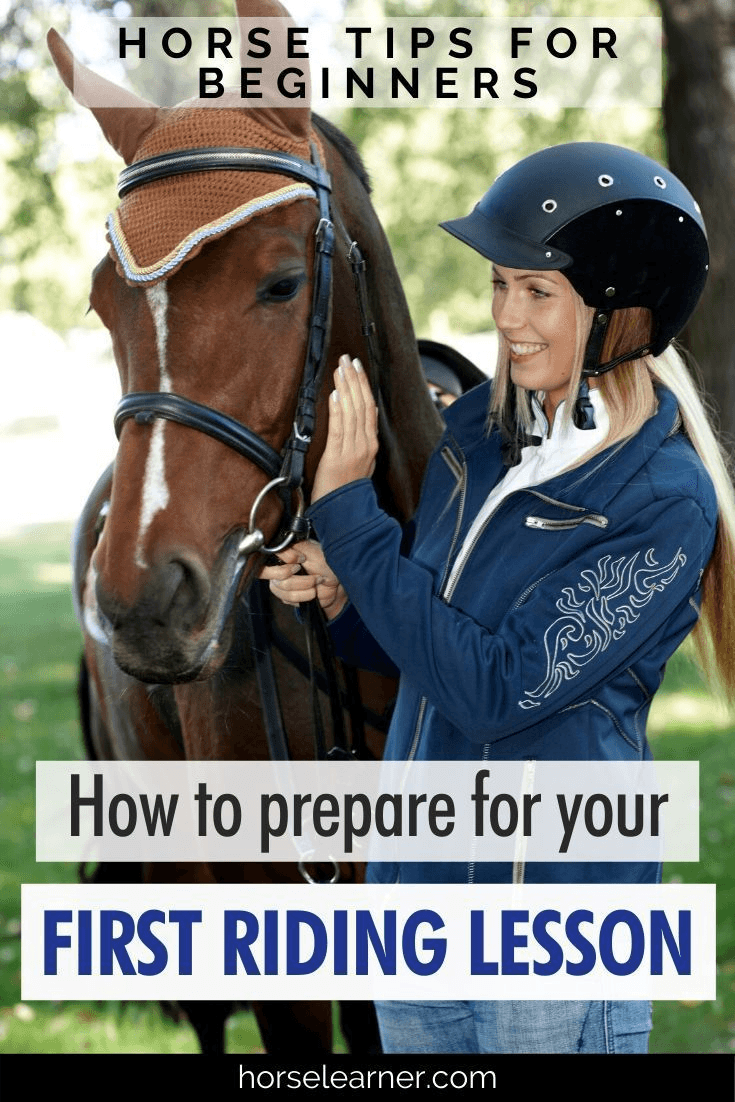
Getting ready for your first horse riding lesson can feel like a mix of excitement and anticipation, especially if you’re wondering how to prepare for your first horse riding lesson. Preparation is key to ensuring that both you and your horse have a safe and enjoyable experience. To kick off this thrilling adventure, it’s essential to familiarize yourself with the basics of horse riding and understand what equipment you’ll need. Whether you’re aiming to ride English or Western, getting the right gear and mindset can make all the difference. In this guide, we’ll explore how to confidently embark on your journey into the world of horse riding.
As you prepare to mount your equine companion, understanding the important steps for your inaugural equestrian experience is crucial. The groundwork for successful horseback riding rests not only on the gear you choose but also on your emotional readiness. New riders will benefit from embracing the fundamentals of equestrianism, which includes learning about horse behavior and the essential riding techniques. Furthermore, arriving at the stables feeling comfortable and equipped will enhance your overall enjoyment. By learning how to gear up and mentally prepare, you’ll be setting yourself up for a delightful first lesson.
Understanding the Fundamentals of Horse Riding
Before embarking on your journey into horse riding, grasping the fundamentals is crucial. Horse riding, at its core, is about the partnership between rider and horse. It’s a unique bond defined by mutual trust, respect, and clear communication. Familiarizing yourself with horse riding terminology will ease this learning process. Terms like “gait,” “lead,” and “posting” become essential as you progress, providing a common language between you, your instructor, and the horse.
Moreover, understanding horse behavior is equally important. Each horse has its temperament and mannerisms, which can affect your riding experience. Watching how horses interact can give you insights into their comfort levels and responses to commands. As you learn about different riding styles, such as English for jumping and Western for ranch work, you’ll begin to identify what resonates best with your interests.
Essential Gear for Beginners
Choosing the right gear for your first horse riding lesson is paramount for both safety and comfort. A certified safety helmet should be your first purchase; it safeguards against serious injuries in case of falls, which can happen to even the most experienced riders. In addition, investing in riding boots with a small heel is essential. They not only provide stability within the stirrups but also serve to prevent your foot from sliding through.
Donning proper riding attire is equally significant. Opt for long pants to protect your legs from chafing, and a fitted shirt that allows for movement. Remember that while it may seem trivial, the comfort of your clothing can influence your overall riding experience. Riding gloves can enhance your grip on the reins, particularly if you’re riding in unforeseen weather conditions. Ensuring you have appropriate gear sets the stage for a successful and enjoyable riding lesson.
Mental Preparation for New Riders
Emotional readiness is just as important as physical preparation when gearing up for your first horse riding lesson. Anxiety can rise for many first-time riders; this is completely normal. To combat nerves, visualizing success can be a powerful tool. Imagining yourself riding confidently and enjoying the experience can help reduce pre-lesson jitters.
Engaging with your instructor about any feelings of apprehension can also be beneficial. Talking through your worries helps demystify the experience and reminds you that everyone begins as a novice. Maintaining a positive mindset is key; remind yourself that every accomplished rider was once a beginner just like you. Focus on the thrill of learning something new rather than worrying about potential mistakes.
Timing Your Arrival: The Importance of Being Early
Arriving at the riding school early is an often-overlooked aspect of lesson preparation. Planning to arrive at least 15-30 minutes in advance helps set a relaxed tone for the day. This time allows you to familiarize yourself with the environment, easing you into the experience before the lesson begins.
Use this extra time wisely by checking the stable and meeting both your horse and instructor. Completing necessary paperwork in advance alleviates common last-minute stressors. Additionally, it gives you an opportunity to ask questions or clarify details about your lesson, making your overall riding experience much smoother and enjoyable.
What to Expect in Your Initial Riding Lesson
Entering your first riding lesson can be an exhilarating experience filled with anticipation. Typically, lessons begin on the ground, where you’ll be introduced to your horse. Pay close attention to your instructor as they explain the horse’s characteristics, habits, and the basic commands that govern your partnership.
As you progress, you will learn essential grooming techniques and how to tack up your horse. These steps are not mere formalities; they build essential bonds and trust with your equine partner. The instructor will guide you through basic riding skills, such as mounting and dismounting, ensuring that you’re well-prepared for the riding activities ahead.
Boosting Your Confidence Through Practice
Building confidence when starting horseback riding is a gradual process that greatly benefits from practice. Spend time on the ground with horses; activities like grooming and leading teach you valuable skills and build a sense of comfort around these magnificent creatures. Engaging in ground work establishes a foundation of trust between you and the horse.
Moreover, don’t shy away from asking questions. Seeking clarification is a proactive way to enhance your understanding of riding techniques. Every small achievement deserves celebration, whether it’s successfully holding onto the reins or confidently transitioning your horse from a walk to a trot.
Reflecting on Your Riding Experience Post-Lesson
Reflection after your first horse riding lesson is key to growth and improvement. Taking detailed notes about what you learned, your feelings during the lesson, and any challenges can provide insight into your progress. Establishing a record of your experiences will help you gauge your learning journey and set achievable goals for future lessons.
Additionally, fostering relationships with fellow riders can add an exciting social element to your horse riding experience. Interacting with others provides a support system and encourages continuity in your riding practice. Collecting feedback from your instructor will guide you in focusing on areas for improvement, fostering your growth as a rider.
Setting Goals for Future Riding Adventures
After your first lesson, it’s important to set realistic and attainable goals for your riding journey. Whether you aim to master basic commands, learn to trot smoothly, or even progress to cantering, clear objectives will guide you as you advance. It’s wise to discuss these goals with your instructor, who can help tailor your lessons to ensure your growth.
Remember that every rider progresses at their own pace. Setting incremental goals allows you to enjoy the journey without overwhelming yourself. Each small milestone achieved is an opportunity for celebration, serving as motivation for continued practice and involvement in horse riding.
Embracing the Communities in Equestrian Life
Horse riding is not just about the relationship with your horse but also about engaging with a vibrant community. From local riding clubs to social media groups, connecting with fellow riders can significantly enrich your experience. These communities offer a wealth of resources, support, and camaraderie that can make your learning journey more enjoyable.
Participating in group lessons or events can foster friendships and provide motivation. Often, these communities host competitions, clinics, and social gatherings, which can help you stay engaged and inspired. Embracing the social aspect of riding can make your journey more fulfilling and enjoyable, reinforcing your love for this beautiful equestrian sport.
Frequently Asked Questions
How to prepare for your first horse riding lesson effectively?
Preparing for your first horse riding lesson effectively involves gathering the right gear, understanding horse behavior, and arriving early to familiarize yourself with the environment. Make sure to wear a certified safety helmet and appropriate riding boots to ensure safety and comfort.
What essential gear do I need when learning how to prepare for your first horse riding lesson?
When learning how to prepare for your first horse riding lesson, essential gear includes a safety helmet, riding boots, riding gloves, and comfortable clothing. This gear helps ensure your safety and enhances your riding experience.
Should I be anxious about how to prepare for your first horse riding lesson?
It’s completely normal to feel anxious about how to prepare for your first horse riding lesson. Try visualization techniques, talk to your instructor about your worries, and remember that everyone starts as a beginner.
How do I emotionally prepare for my first horse riding lesson?
Emotional preparation for your first horse riding lesson can include visualizing a successful ride, staying positive, and discussing your feelings with your instructor or peers. This support can boost confidence.
What should I know about horse behavior before my first riding lesson?
Before your first riding lesson, it’s beneficial to understand some basics of horse behavior, including common traits and how to approach and interact with your horse safely. This knowledge fosters a better partnership with your horse.
How early should I arrive for my first horse riding lesson?
You should arrive at least 15-30 minutes early for your first horse riding lesson. This gives you time to settle in, meet your instructor and horse, and complete any necessary paperwork.
What can I expect during my first horse riding lesson?
During your first horse riding lesson, expect to meet your horse, learn grooming and tacking processes, and start with basic riding skills in a controlled environment under the guidance of your instructor.
How can I build my confidence after my first horse riding lesson?
To build confidence after your first horse riding lesson, practice ground work with horses, ask questions to clarify your understanding, and celebrate small achievements to reinforce your progress.
What should I do after my first horse riding lesson for further improvement?
After your first horse riding lesson, take notes on what you learned, seek feedback from your instructor, and connect with fellow riders to create a supportive community that encourages ongoing practice.
Is it important to prepare mentally for my first horse riding lesson?
Yes, preparing mentally for your first horse riding lesson is crucial. Mental preparation helps reduce anxiety, increases focus, and enhances your overall enjoyment and learning experience in riding.
| Key Points | Details |
|---|---|
| Understanding Horse Riding Basics | Learn equestrian terminology and understand horse behavior to establish a bond with the horse. |
| Getting the Right Gear | Wear a certified helmet, appropriate riding boots, gloves, and comfortable clothing to ensure safety and comfort. |
| Preparing Emotionally | Visualizing success, talking about feelings, and staying positive can help ease anxiety before the lesson. |
| Arriving at the Riding School | Arrive 15-30 minutes early, dress for the weather, and stay hydrated to prepare mentally and physically. |
| What to Expect during Your First Lesson | Expect to meet your horse, learn grooming and tacking procedures, and perform basic riding skills in a controlled environment. |
| Building Confidence | Practice ground work, ask questions, and focus on small achievements to build confidence with riding. |
| After the Lesson | Take notes, meet fellow riders, and ask for feedback to track progress and improve skills with guidance. |
Summary
To prepare for your first horse riding lesson, it is essential to approach the experience with the right mindset and eagerness to learn. Through understanding the basics of horse riding, equipping yourself with safety gear, emotionally preparing yourself, arriving early to meet your instructor and horse, and knowing what to expect during the lesson, you can set yourself up for success. Remember, horseback riding is not just about the physical aspect; it’s also about creating a bond with your horse and building confidence over time. By embracing these steps, you will not only feel more comfortable during your lesson but also embark on a fulfilling riding journey.