
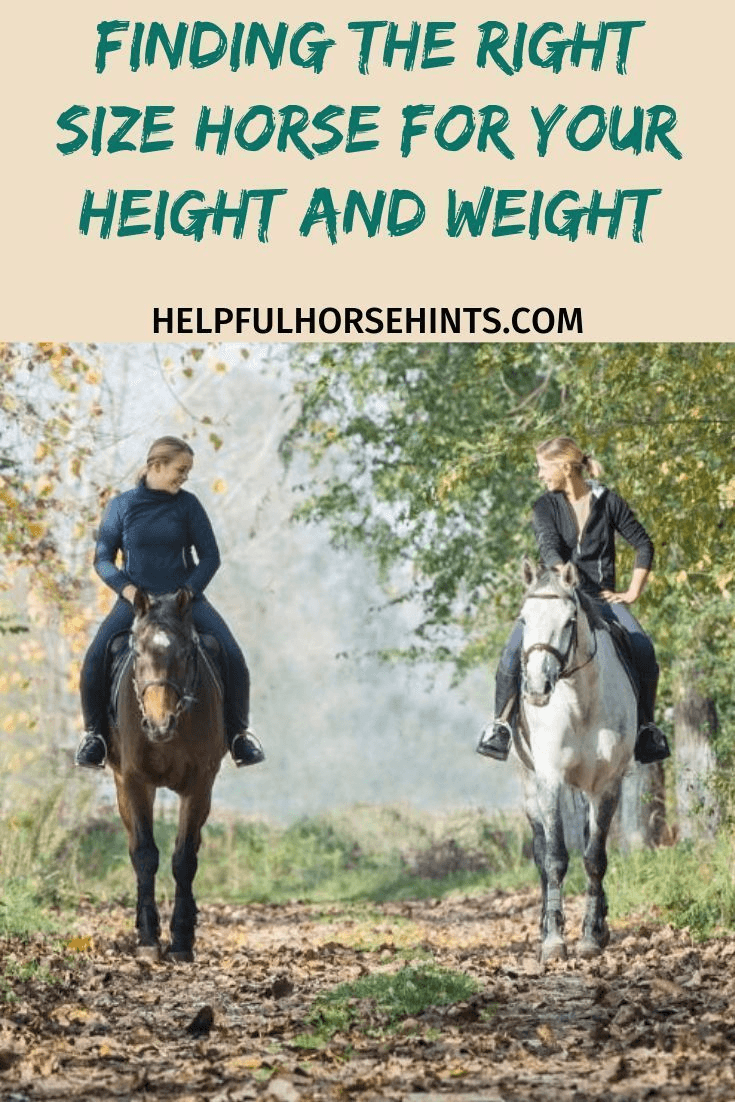
Choosing the right horse is fundamental to experiencing success and enjoyment in the equestrian world. Your selection must align with your riding style, whether you’re a novice seeking your first horse or an experienced rider looking for a refined companion. Critical aspects such as horse breeds, temperament, and training level play pivotal roles in this decision-making process. It’s essential to consider how these factors interconnect with your unique riding preferences and aspirations to ensure a harmonious partnership. This guide offers a detailed exploration of what to look for, providing you with the insights necessary to make an informed choice.
Finding the perfect equine partner involves various considerations beyond just aesthetics and popularity; it’s a commitment to a lifestyle. Factors like riding preferences, horse personality, and training history help set the foundation of what makes an ideal companion. Whether it’s understanding specific horse types suited for various activities or gauging temperament for a budding relationship, the journey of selecting a horse can significantly impact your riding adventure. This exploration will also touch on the preparation essential for newcomers and seasoned riders alike, emphasizing the importance of compatibility in the equestrian experience.
Understanding Riding Styles for Better Horse Selection
Your riding style is a significant factor that influences the type of horse you should choose. Different styles such as Western, English, or trail riding come with unique requirements for horse temperament and training level. For example, in Western riding, riders typically seek horses that are calm and skilled in various maneuvers, while English riding often requires horses that can respond quickly and gracefully to cues and commands. Understanding the nuances of your riding style will help you identify the ideal horse breeds that match these expectations.
Knowing your riding style does not only help you in the selection of the horse but also assists in understanding your needs during the training process. For instance, if you are inclined towards competitive riding, it is essential to select a horse with a breed known for its athleticism and speed, such as a Thoroughbred. This knowledge will streamline your search and pave the way for a more fruitful equestrian journey.
Key Factors to Consider When Choosing the Right Horse
When choosing the right horse, several critical factors must be taken into account. These include breed, size, temperament, age, and training level. Different breeds possess distinctive qualities that align with various riding styles. Quarter Horses, known for their versatility, are ideal for Western riding, while Warmbloods are often preferred for dressage due to their movement and trainability.
Beyond breed, a horse’s size and build should correspond to your own physical attributes. If you are a heavier rider, a larger horse with a solid build will offer more confidence and support during riding. At the same time, considering the horse’s temperament is vital, especially if you are a novice rider seeking a calm and accommodating partner for your first lessons.
Evaluating Horse Temperament for Compatibility
The temperament of a horse is as important as its training and physical characteristics. A horse that exhibits calmness, patience, and willingness to learn can enhance your overall riding experience significantly. For beginners, it is generally advisable to opt for horses with a more laid-back personality, as these individuals are easier to manage and can provide a more forgiving learning environment.
On the other hand, more experienced riders may thrive with horses displaying spirited or sensitive characteristics, provided they possess the skills to handle such personalities. Interacting with potential horses to gauge their responses to various situations can provide insight into their suitability for your riding style and level of experience.
Assessing the Importance of Age in Horse Selection
Age plays a significant role in the horse selection process. Younger horses often have more energy and require a committed training regimen, making them better suited for riders with prior experience or those willing to invest time in their training. Younger horses bring an opportunity for you to shape and mold them according to your riding style.
Conversely, older horses usually bring experience and a calmer demeanor, making them an excellent choice for novice riders. These horses are often already trained and seasoned, which reduces the initial learning curve for beginners. When selecting a horse based on age, consider your riding goals and preparation for the different needs that young versus older horses may require.
The Role of Training Level in Horse Compatibility
The training level of a horse is crucially linked to your riding goals and experience. If you’re a beginner, seeking a horse that is well-trained in basic commands and behaviors will help you gain confidence quickly. Horses that have received comprehensive training can significantly reduce the risks and challenges that novice riders often encounter.
For more experienced riders, you may appreciate a horse that has specialized training in areas such as jumping or dressage. This type of horse can challenge your current skills and help you grow as a rider while fulfilling specific riding ambitions. Assessing the training level of potential horses allows you to select one that not only suits your experience but also aligns with the direction you wish to take in your equestrian journey.
Importance of Test Rides in Horse Selection
After narrowing down your choices, test rides become a vital part of determining compatibility with potential horses. Taking the time to ride each candidate can provide firsthand insight into how well you connect with them. During a test ride, observe the horse’s responsiveness to your cues and comfort under your riding style, as this can significantly impact your experience.
Furthermore, conducting test rides in various environments and scenarios will expose the horse’s versatility and suitability for your preferred riding conditions, whether it be in an arena for training or on trails for leisure rides. Bringing along an experienced rider or trainer can also provide an objective perspective on how a horse behaves with you during these rides.
Understanding the Commitment of Horse Care and Maintenance
Owning a horse extends beyond the thrills of riding; it encompasses responsible care and maintenance. Essential aspects include feeding, healthcare, and exercise needs. Each horse has unique dietary requirements based on its breed, age, and level of activity, making it essential for owners to be knowledgeable about proper nutrition to ensure the horse’s well-being and performance.
Regular veterinary care is also paramount to maintaining a horse’s health, including vaccinations, dental checks, and hoof care. Additionally, understanding the exercise requirements of a horse you’ve chosen will help you gauge whether you can meet those needs consistently. Being prepared for these commitments is essential before making a final decision on the horse.
Building a Strong Relationship with Your Horse
Once you’ve selected the perfect horse, fostering a strong relationship is vital to achieving success and enjoyment in your riding endeavors. This bond can be cultivated through consistent training sessions, grooming, and spending time together outside of riding, allowing the horse to trust you and build a partnership.
A strong relationship will translate into better communication and responsiveness when you ride. Investing time in creating this connection can enhance your overall riding experience and help you to understand your horse’s needs and preferences better, paving the way for a rewarding equestrian journey.
The Joy of Selecting Your First Horse
Choosing your first horse is an exhilarating experience that can set the stage for your future in the equestrian world. However, it’s also essential to approach the decision with careful consideration and patience. Begin by evaluating what you want to achieve with your riding, whether it’s leisure, competition, or simply a hobby.
Importantly, remember to focus on factors such as temperament and training, especially if you are a beginner. A well-matched first horse can create lasting memories and build a solid foundation for your riding journey, enabling you to develop your skills and confidence effectively.
Frequently Asked Questions
What factors should I consider when choosing the right horse for my riding style?
When choosing the right horse for your riding style, consider important factors such as breed, size, temperament, age, and training level. Each of these elements can greatly impact the suitability of a horse for your specific riding preferences.
How does my riding style affect my choice of horse?
Your riding style profoundly impacts your choice of horse. For instance, if you’re into Western riding, a calm and versatile breed like a Quarter Horse is ideal, whereas Thoroughbreds are often chosen for competitive English riding due to their agility.
Which horse breeds are best suited for beginners?
Beginner riders should look for horse breeds known for their gentle temperament and ease of handling, such as the Quarter Horse or the Paint Horse. These breeds typically have a calm demeanor and are suitable for learning and training.
What role does horse temperament play in choosing the right horse?
Horse temperament is crucial in choosing the right horse. A calm and patient horse is better for beginners, while spirited horses might be better suited for experienced riders who can handle more sensitive animals.
How can I assess a horse’s training level before making a decision?
To assess a horse’s training level, observe how well it responds to basic commands and how it behaves during a test ride. An experienced trainer can provide insights into its suitability for your skill level.
Is size and build important when choosing a horse for my riding style?
Yes, size and build are important considerations when choosing a horse. Ensure the horse’s size matches your height and weight, as this affects comfort and control during rides, particularly in disciplines like jumping or trail riding.
What characteristics should I look for in a first horse?
For a first horse, seek a breed with a friendly temperament, maturity (ideally over 10 years), and solid training. Horses that are calm and forgiving can provide a better learning experience for novice riders.
How do I know if my horse is suitable for trail riding?
A suitable horse for trail riding should exhibit a calm and steady temperament, be comfortable with various terrains, and respond reliably to cues. Test rides in similar conditions can help assess compatibility.
What should I expect in terms of equine care once I choose a horse?
Once you choose a horse, expect to provide comprehensive equine care including regular feeding, healthcare (vaccinations and dental care), and adequate exercise based on the horse’s activity level to ensure its health and well-being.
How can I build a strong relationship with my new horse?
Building a strong relationship with your new horse involves spending quality time together through training, grooming, and companionship. Patience and understanding will enhance trust and improve your riding experience.
| Factor | Considerations |
|---|---|
| Riding Style | Define your riding style (Western, English, Trail, Competitive) to guide your horse search. |
| Breed | Different breeds suit different styles (e.g., Thoroughbreds for English, Quarter Horses for Western). |
| Size and Build | Ensure the horse’s size matches your height and weight, aligning with your riding discipline. |
| Temperament | Choose a calm horse for beginners; experienced riders might handle spirited horses better. |
| Age | Younger horses may suit experienced riders, while older horses are calmer for novices. |
| Training Level | Select a horse whose training level aligns with your riding goals; beginners need well-trained horses. |
Summary
Choosing the right horse is crucial for enhancing your riding experience and ensuring enjoyment. This process begins by clearly defining your riding style and understanding the specific factors that influence horse suitability, such as breed, size, temperament, age, and training level. Engaging in test rides and seeking guidance from experienced individuals can streamline your selection. Remember that building a relationship with your horse is just as important as the selection process, as this bond contributes significantly to your overall success as a rider. With thorough research and consideration, you will find the horse that perfectly complements your equestrian journey.