
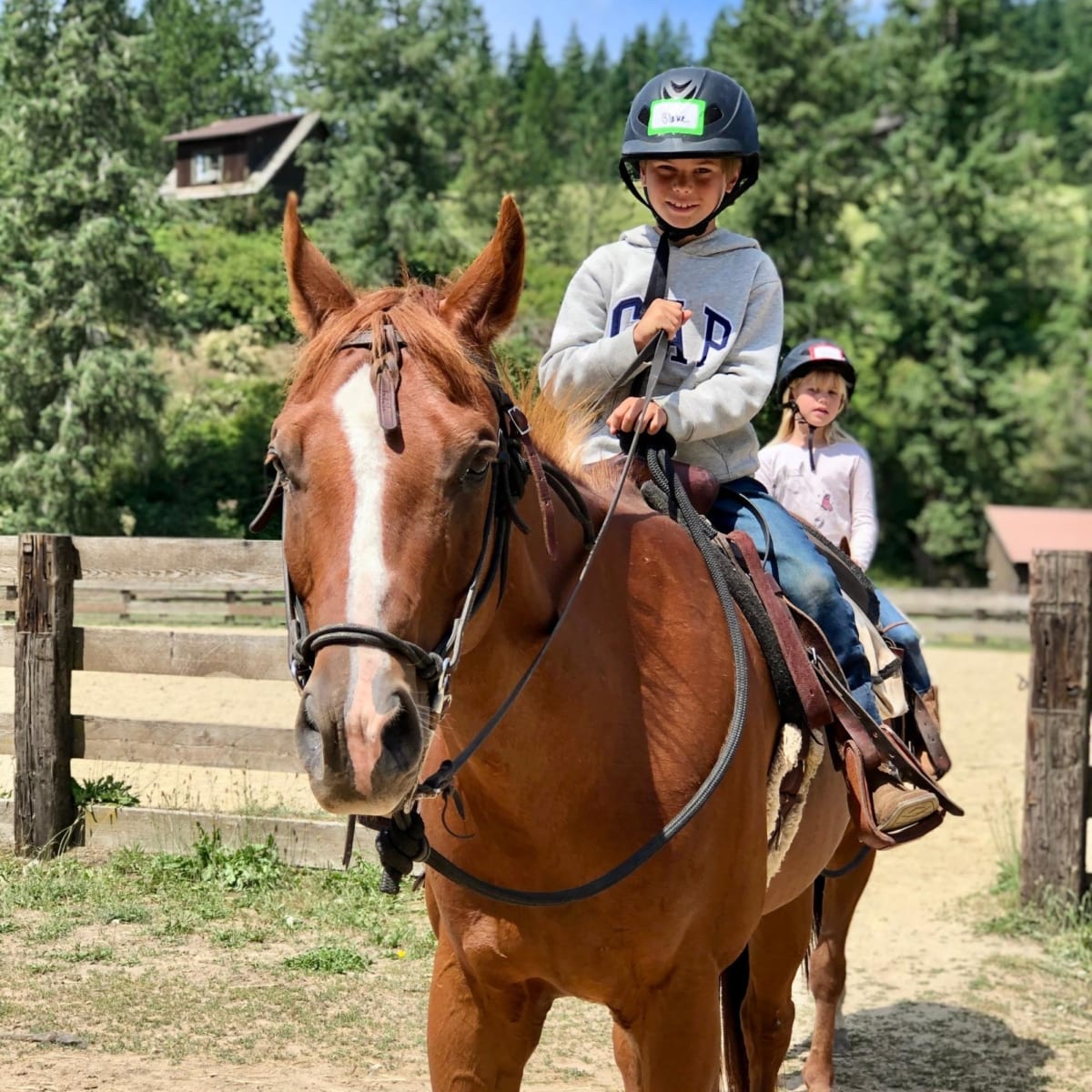
Understanding how to care for your horse is essential for any equestrian, whether you’re an experienced rider or just starting your journey into the world of horses. A comprehensive horse care guide underscores the importance of establishing a strong bond with your horse while fulfilling its needs through proper grooming, nutrition, and routine health checks. By integrating stable management into your care routine, you can ensure your horse remains healthy and happy. As you embark on this journey, remember the significance of monitoring your horse’s condition and adjusting care practices accordingly. With dedication to learning about horse health and wellbeing, you’ll not only enhance your equestrian skills, but also contribute positively to your horse’s life.
When it comes to maintaining a horse’s well-being, implementing effective strategies for horse care is the foundation of responsible ownership. This includes understanding the intricacies of proper grooming, tailored equine nutrition, and regular health evaluations, all while ensuring effective stable management practices are in place. Recognizing the distinct needs of your horse is vital, as it allows you to create a personalized care plan that promotes both physical and emotional wellness. As you delve deeper into equine care, consider the holistic approach that encompasses not just the horse’s diet and hygiene, but also its mental stimulation and exercise requirements. Through this multi-faceted care strategy, you will foster a thriving environment for your horse, ultimately enriching your own riding experience.
How to Care for Your Horse
Caring for your horse encompasses a wide range of responsibilities, each vital for the animal’s overall health and happiness. To truly understand how to care for your horse, it begins with observing their behavior and physical condition. Regularly assess their grooming needs, nutritional requirements, and exercise routines. Each horse is unique, often requiring tailored care that matches its personality, breed, and lifestyle. Proper horse care does not just involve feeding and grooming; it demands an understanding of your horse’s individual needs.
Moreover, efficient horse care extends to ensuring that your horse’s stable environment is conducive to good health. This means keeping the stable clean and free of hazards, ensuring proper ventilation, and providing ample bedding for comfort. By knowing how to care for your horse properly, you establish a nurturing bond that enhances their well-being and fortifies your relationship.
Understanding Your Horse’s Needs
Horses are individuals, each with their own distinct needs that can vary significantly based on their breed, age, and activity level. Understanding your horse’s needs is the first step toward effective management. For example, a young, active thoroughbred will have different nutritional and exercise needs compared to an older, retired pony. Investing time in learning about these differences will help you cater specifically to your horse’s requirements.
Furthermore, regular communication with a veterinarian or equine nutritionist can provide insight into your horse’s dietary prerequisites and routine care. This ensures that you fulfill their dietary needs effectively—making sure their meals are balanced and suitable for their energy output. By doing so, you can assure optimal health, adequate energy levels, and a vigorous, thriving horse.
Essential Grooming Techniques
The grooming process involves more than just making your horse look good; it’s a critical component of their daily care routine. Regular grooming can help to maintain a healthy coat and skin, as well as stimulate blood circulation. A standard grooming routine should include using different brushes—curry combs for loosening dirt and hair, and softer brushes for a final touch-up that enhances your horse’s shine.
Moreover, it’s crucial to not overlook hoof care during grooming sessions. Checking the hooves daily not only removes dirt and stones but also helps you spot potential issues like thrush or cracks early on. Establishing a routine that integrates hoof care with grooming ensures that your horse remains comfortable and sound, preventing potential health issues down the line.
Nutrition and Feeding Guidelines for Horses
Proper nutrition is the cornerstone of horse health, impacting their energy levels, coat condition, and overall well-being. A balanced diet starts with ample forage, consisting primarily of high-quality hay and pasture. It’s advisable to understand that different life stages of horses (like juvenile, working, or senior) may require adjustments in their feed. It’s typically recommended to consult an equine nutritionist who can help tailor a diet plan that aligns with your horse’s specific energy needs.
Additionally, remember to monitor your horse’s weight consistently to avoid obesity or underweight problems. Many owners find gradual weight changes easier to manage when observing their horse daily. By ensuring a diet rich in sufficient fiber, combined with a balanced approach to concentrates and necessary supplements, you can promote lasting horse health.
Monitoring Your Horse’s Health Regularly
Regular health checks are indispensable in horse care. Beyond routine feeding, monitoring your horse’s health encompasses a keen observation of their weight, attitude, and daily habits. A horse that suddenly exhibits unusual behavior, such as reluctance to saddle, might be indicating underlying discomfort or pain that warrants further investigation.
This reinforces the importance of establishing a rapport with a veterinarian to create a routine health check schedule. It’s vital to keep up with vaccinations, dental treatments, and other necessary veterinary screenings. When you prioritize regular health checks, you not only ensure early detection of problems but also maintain the horse’s overall happiness and performance.
Exercise and Training for a Healthy Horse
Exercise is pivotal for your horse, combining both physical and mental wellness components. Engaging your horse in daily rides and varied exercises fosters not only physical fitness but also reduces boredom, ultimately leading to a happier equine partner. It can be beneficial to mix in different types of training and activities to keep your horse stimulated, such as groundwork, jumping, or trail rides.
In addition to physical activities, don’t underestimate the importance of socialization. Allowing your horse to interact with others in a controlled setting can significantly enhance their mental health, alleviating anxiety and promoting a sense of companionship. Therefore, balancing physical exercise with social interactions will contribute positively to your horse’s quality of life.
Stable Management Best Practices
Stable management plays a vital role in ensuring the safety and comfort of your horse. One of the primary tasks involves ensuring that the bedding is clean, comfortable, and replaced regularly to prevent ailments caused by bacteria or dampness. Quality bedding, like straw or wood shavings, can contribute significantly to your horse’s comfort while in their stall.
Ventilation is another crucial aspect of stable management that should never be overlooked. A poorly ventilated stable can lead to the buildup of harmful ammonia fumes or dust, leading to respiratory issues in horses. Therefore, ensuring proper airflow helps maintain a healthy atmosphere, safeguarding your horse’s health.
Importance of Socialization in Horses
Horses are inherently social animals, and facilitating social interactions is not only beneficial but essential for their mental well-being. Regularly allowing your horse to mingle with other horses can reduce anxiety and increase overall happiness levels. Whether through supervised turnout or shared barn time, ensuring that your horse has opportunities for socialization fosters a sense of belonging in their environment.
In addition to positive interactions with other horses, this social environment can also cultivate a healthier dynamic in their training routines. Horses that are socially engaged tend to exhibit less behavioral issues, promoting better response times during rides and training sessions. This aspect of horse care is often understated but is equally important in nurturing a well-rounded equine companion.
The Role of Veterinary Care in Horse Health
Veterinary care is an integral component of any comprehensive horse care plan. Regular visits from a veterinarian support your horse’s health care regime, aiding in timely vaccinations, dental care, and general health assessments. A good veterinarian can help establish a health maintenance program tailored specifically for your horse, taking into account its unique needs and lifestyle.
Moreover, during health checks, your veterinarian can provide insights into common health issues that may affect certain breeds or ages of horses. They can guide you on how to proactively manage your horse’s care, suggesting appropriate supplements or treatments that can enhance their overall health and performance. Building a partnership with a qualified veterinarian is essential for fostering a long, healthy life for your horse.
Developing a Bond Through Care
Caring for your horse goes beyond the practical aspects of feeding, grooming, and exercising; it is about building a profound bond between horse and rider. The time spent in grooming or handling can create trust, making the horse more receptive to training and activities. Such connections are vital, as they promote emotional health, leading to a more interactive and positive relationship.
Additionally, being attentive to a horse’s needs builds mutual respect and understanding. When a horse feels secure and cared for, they are generally easier to manage and can perform better in various disciplines. Therefore, investing in the care fosters a symbiotic relationship, benefitting both the horse and the handler, enhancing the overall horsemanship experience.
Frequently Asked Questions
How to care for your horse’s nutrition effectively?
Effective horse care nutrition requires providing a balanced diet that includes high-quality hay or pasture as the primary forage. Additionally, consider incorporating concentrates like grains based on your horse’s activity level, along with necessary vitamins and minerals to ensure overall health.
What are the best practices for grooming your horse?
Grooming your horse involves using a curry comb to loosen dirt, followed by stiff and soft-bristle brushes for a clean coat. Daily hoof care is critical to check for injuries or thrush, and regular bathing with gentle shampoo keeps your horse looking its best while allowing you to inspect for skin issues.
How can I conduct regular health checks on my horse?
Performing regular health checks on your horse includes monitoring its weight, scheduling routine veterinary visits for vaccinations and dental care, and observing any behavior changes that may indicate discomfort or illness. Keeping a close eye can prevent serious health problems.
What role does exercise play in horse care?
Exercise is vital for your horse’s physical and mental well-being. Regular rides, socialization with other horses, and engaging them in fun activities keep them fit and happy. Tailoring exercise routines to your horse’s preferences helps maintain their motivation and health.
What should I know about stable management for horse care?
Effective stable management is crucial for horse care. Maintain a clean and safe environment with quality bedding, ensure good ventilation to reduce respiratory issues, and eliminate hazards within the stable to protect your horse from injury.
How does proper nutrition affect horse health?
Proper nutrition is a cornerstone of horse care, impacting every aspect of a horse’s health. A balanced diet rich in forage ensures optimal weight and energy levels, helping to prevent health issues like colic or laminitis associated with poor feeding practices.
What are essential grooming tools for horse care?
Essential grooming tools for caring for your horse include a curry comb, stiff and soft-bristled brushes, hoof pick for cleaning hooves, and a body brush for finishing touches. Using these tools can enhance your horse’s coat health and facilitate early detection of skin problems.
How can I recognize signs of health issues in my horse?
Recognizing signs of health issues in your horse includes observing changes in appetite, behavior, weight fluctuations, or physical condition. Regular health check-ups and being attentive to any unusual signs are key components of responsible horse care.
What basic supplements should I consider for my horse’s diet?
Consider basic supplements like salt blocks, vitamin E, and mineral mixes to support your horse’s health, especially if grazing options are limited. Always consult with an equine nutritionist for tailored advice on supplementation appropriate for your horse.
Why is socialization important for horse care?
Socialization is crucial for horse care as horses are inherently social animals. Interaction with other horses can reduce stress and enhance mental health, leading to a more balanced, well-adjusted horse and improving their overall quality of life.
| Topic | Key Points |
|---|---|
| Understanding Your Horse’s Needs | Observe and accommodate your horse’s unique nutritional, exercise, and social needs based on breed, age, and activity level. |
| Proper Nutrition | Feed a balanced diet rich in fiber (hay, pasture), and include concentrates based on energy needs. Provide necessary supplements for vitamins and minerals. |
| Grooming | Regular grooming promotes health; brush, clean hooves, and wash as needed to maintain a clean coat and detect health issues. |
| Regular Health Checks | Schedule veterinary care for vaccinations, dental check-ups, and monitor weight and behavior for signs of health problems. |
| Exercise and Training | Ensure regular, varied exercise and socialization opportunities. Engage in enjoyable activities to maintain mental stimulation. |
| Stable Management | Create a clean, safe environment with proper bedding, ventilation, and security to prevent hazards and promote horse health. |
Summary
How to care for your horse involves various essential practices that fulfill their physical and emotional needs. It is crucial to understand your horse’s unique requirements, including proper nutrition, grooming, regular health checks, exercise, and stable management. A well-fed horse receives a balanced diet that enhances their health, while grooming not only keeps them looking good but also helps you spot any potential health issues. Regular health assessments, including veterinary visits, ensure overall well-being, while consistent exercise and training keep your horse fit and engaged. Finally, a well-managed stable creates a safe home for your horse where they can thrive. By mastering these aspects of horse care, you build a strong bond with your equine partner and contribute to their happiness and health.