
Horseback riding techniques are essential skills that take time and practice to master, whether you’re an eager beginner or a seasoned equestrian. The foundation of effective riding revolves around understanding a horse’s behavior and honing your riding posture to achieve better balance and communication. By implementing various horseback riding tips and equestrian techniques, riders can significantly improve their performance in the saddle. This guide will explore useful riding skills tips and strategies to enhance your experience on horseback, focusing on the importance of a balanced seat and proper aids. With dedication and patience, anyone can refine their techniques and cultivate a deeper bond with their horse.
Mastering the art of riding requires a variety of essential skills that range from proper seat balance to effective communication with your equine partner. Whether referred to as equestrian methods or horse training techniques, exploring effective riding practices can help riders increase their proficiency and comfort levels in the saddle. By delving into various aspects such as body alignment and leg pressure, novice and experienced riders alike can cultivate their riding expertise. Through a blend of practice and insightful horseback riding tips, individuals can find transformative ways to enhance their riding journey. Ultimately, the key to success lies in understanding both the horse and the rider’s unique needs.
Understanding Your Horse’s Behavior
Understanding your horse is the cornerstone of effective riding techniques. Every horse has a unique personality, which can range from calm and gentle to spirited and stubborn. Take the time to observe your horse’s reactions to different environments, sounds, and the presence of other animals. This knowledge will allow you to predict behaviors, making your riding experience smoother and more enjoyable. Furthermore, gentle approaches can ease anxiety, ensuring your horse is responsive and relaxed during rides.
Additionally, forging a bond with your horse encourages trust and communication. Spend quality time with your horse on the ground through grooming or simply talking to it. This connection forms the basis of a partnership where cues for movements and speed are understood without excessive force. A horse that trusts its rider will likely perform better and face challenges with confidence, reflecting in your overall riding ability and experience.
The Importance of Riding Posture
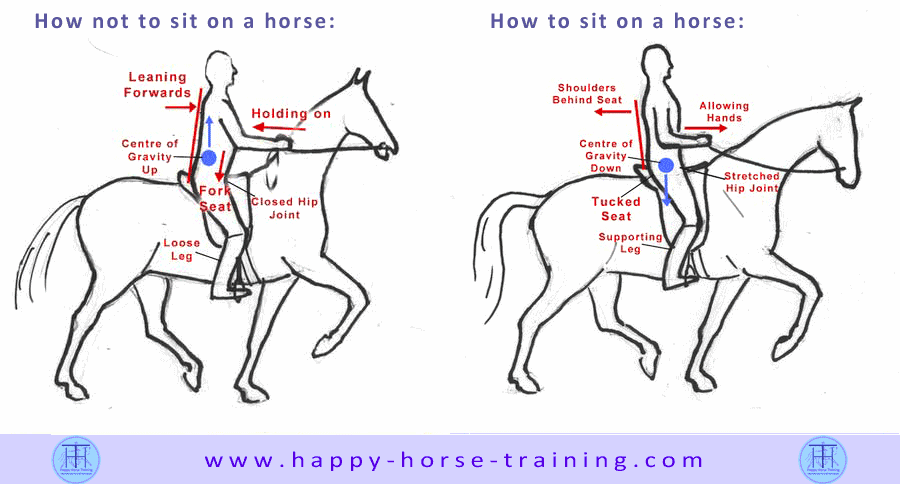
The significance of riding posture cannot be overstated in the realm of equestrian techniques. Proper posture not only enhances your balance and control but also directly affects how your horse performs. When sitting on the saddle, it’s crucial to maintain an upright position with your shoulders back, head held high, and legs hanging relaxed. This allows for better weight distribution and enables you to effectively communicate with your horse through subtle shifts in your body position and pressure in your legs.
Good riding posture also plays a role in your horse’s comfort. Incorrect posture may lead to miscommunication, causing unnecessary stress and potential injuries for both rider and horse. By actively focusing on maintaining a correct riding position, you can minimize discomfort, enhance your riding skills, and build a more enjoyable experience for your equine partner.
Building a Balanced Seat
Achieving a balanced seat is one of the most critical aspects of horseback riding. This skill allows you to move fluidly with your horse and maintain control, even when the horse is in motion. Focus on sitting deep in the saddle, using your seat bones as anchors to stabilize your position. Engaging your core muscles will help in maintaining a steady, strong posture while allowing your arms and legs to operate freely, which is essential for effective communication.
Moreover, a balanced seat contributes to the horse’s performance, enabling it to move smoothly and respond quicker to your aids. Riders who can balance effectively can also adapt to the dynamic movements of their horse, whether it be during a trot, canter, or even in tighter maneuvers. Practicing different exercises off the saddle, such as Pilates, can greatly enhance your core strength and overall balance while riding.
Enhancing Communication with Effective Aids
Understanding how to use your aids effectively is crucial for improving horseback riding skills. Your hands, legs, and body posture work together to convey signals to your horse; this is known as ‘aiding’. To improve your communication, hone your leg aids by applying gentle pressure to signal your horse to move forward, slow down, or change direction. Consistency in your leg aids can train your horse to respond accurately to your commands, greatly enhancing the riding experience.
Additionally, the use of hand aids is essential in controlling your horse’s pace and direction. The pressure exerted through the reins should be soft yet clear, providing cues that guide rather than force your horse. It’s important to practice subtle changes in your hand position and pressure, refining your technique until you can achieve nuanced responses from your horse, thereby deepening the connection and understanding between you and your equine partner.
Practicing Smooth Transitions
Practicing transitions between different gaits is pivotal for improving your horse’s responsiveness. Upward transitions, such as moving from walk to trot or trot to canter, should be smooth and gradual. This helps your horse learn to balance during these changes and minimizes abrupt movements that can be jarring for the animal. Consistent, gentle practice will enhance your horse’s ability to anticipate and respond to your commands, ultimately improving your riding skills and overall experience.
Downward transitions are equally important. Teach your horse to relax during these changes and listen to your cues. A seamless transition from canter to trot or trot to walk signals to your horse that following these cues will be rewarded. Practicing transitions regularly not only sharpens your riding skill but also bolsters your horse’s confidence and compliance, enhancing the teamwork necessary for effective horseback riding.
Mastering Turns with Precision
Mastering turning techniques is essential for navigating various riding environments and disciplines. Effective turns rely on the correct use of your body aids, including applying pressure with the outside leg while gently using the inside rein to guide the horse. This combination helps execute tight, controlled turns without losing balance or speed. Practicing turns regularly enables you to become more adept in guiding your horse accurately, which is invaluable in equestrian events.
Moreover, looking in the direction you want to go influences not only your posture but also helps the horse anticipate the turn. If you maintain eye contact with your turning point, it encourages the horse to align its body accordingly. By perfecting your turning techniques, you enhance the overall coordination and responsiveness of your rides, setting the stage for more advanced maneuvers and skills.
Integrating Regular Exercises into Your Routine
Supplementing your riding practice with targeted exercises can significantly improve your overall riding ability. Core strengthening workouts and flexibility exercises, such as yoga, play a pivotal role in improving your seat, balance, and coordination when riding. A strong core allows for better stability on the horse and enhances your ability to perform various riding movements effectively.
Participating in trail rides can also contribute to your growth as a rider. Riding in diverse environments helps you practice skills and techniques in varying conditions. It challenges your horse and you both physically and mentally, improving your adaptability while strengthening the bond between you and your horse. Additionally, attending lessons with a qualified trainer can offer personalized feedback and introduce advanced techniques to refine your riding skills.
Groundwork: The Foundation of Good Riding
Groundwork is an often-overlooked yet invaluable aspect of horseback riding. It establishes a strong foundation for communication and trust between horse and rider. Engaging in activities such as leading, lunging, and desensitizing your horse builds your horse’s confidence and responsiveness. It also helps you become more aware of your horse’s body language, fostering a deeper understanding of its needs and behaviors.
Furthermore, groundwork allows riders to address issues that may arise during riding. Many behavioral problems can be tackled effectively through groundwork techniques, making it easier for the horse to see the rider as a leader and partner. By investing time in groundwork, riders can significantly enhance their overall horseback riding experience and skills while ensuring a safe and positive environment for both horse and rider.
Cultivating Patience and Consistency
Patience is a vital trait in the journey of improving horseback riding techniques. Mastery does not happen overnight; it requires practice, perseverance, and an understanding of both your and your horse’s capabilities. Set realistic goals for each riding session, celebrating small achievements, and recognizing that setbacks are part of the learning process. This mindset encourages a positive, relaxing environment for both you and your horse.
Consistency in practice is equally critical. Regular riding sessions help solidify your skills and reinforce the learning process for your horse. Frequent engagement fosters a routine where both horse and rider understand what is expected during each session. By maintaining consistency in your training approach and practicing patiently, you can steadily progress in your riding skills, ultimately leading to a more fulfilling equestrian experience.
Frequently Asked Questions
What are some key horseback riding techniques to improve riding skills?
Key horseback riding techniques include mastering your posture, developing a balanced seat, improving your aids, and practicing transitions. Focus on your body positioning and communication with your horse to enhance your riding experience.
How can riding posture affect my horseback riding experience?
Proper riding posture is essential for balance and control. Keeping your head up, shoulders back, and legs in the correct position allows you to ride more efficiently and communicate better with your horse.
What are effective horse training techniques to enhance riding skills?
Effective horse training techniques involve consistent groundwork to build trust, practicing specific maneuvers, and ensuring clear communication with your horse through subtle aids and cues.
How do I improve my riding skills quickly?
To improve your riding skills quickly, focus on mastering your aids, maintaining a balanced seat, and practicing various transitions. Regular lessons with a qualified instructor can also provide personalized guidance.
What exercises can I do to enhance my horseback riding techniques?
Exercises such as strength training, yoga, and riding on varied terrain can significantly enhance your riding techniques by improving your balance, flexibility, and overall riding ability.
What are some common horseback riding tips for beginners?
For beginners, it’s crucial to understand your horse, maintain proper posture, use consistent aids, and practice patience. Regularly spending time with your horse outside the saddle also builds a better connection.
How can I practice transitions to improve horseback riding?
To practice transitions effectively, focus on smooth, controlled movements when changing from one gait to another. Ensure your horse is relaxed and responsive, allowing seamless transitions between walk, trot, and canter.
What role do aids play in horseback riding techniques?
Aids are essential in horseback riding techniques as they communicate your intentions to the horse. Proper leg, hand, and body aids help signal actions like moving forward, turning, and slowing down.
Why is groundwork important for horseback riding techniques?
Groundwork is important as it strengthens the bond between you and your horse, enhances communication, and reinforces essential skills, creating a solid foundation for successful riding.
How can a rider develop a balanced seat effectively?
To develop a balanced seat, focus on sitting deep in the saddle, using your core for stability, and keeping your legs relaxed. This will help you move fluidly with your horse, improving overall control.
| Key Point | Description |
|---|---|
| Understand Your Horse | Get to know your horse’s temperament and behaviors to establish trust and communication. |
| Master Your Posture | Maintain appropriate head, shoulder, hand, and leg positions to ensure balance and control. |
| Develop a Balanced Seat | Sit deep in the saddle using seat bones while engaging your core for stability. |
| Improve Your Aids | Use your legs, hands, and body language to communicate effectively with your horse. |
| Practice Transitions | Ensure smooth upward and downward transitions to improve your horse’s responsiveness. |
| Work on Your Turns | Utilize inside rein and outside leg technique, while looking where you want to go. |
| Regular Exercises to Enhance Skills | Engage in strength training, trail rides, and lessons to continuously improve. |
| Spend Time on Groundwork | Focus on activities that reinforce your bond and communication with your horse. |
| Be Patient and Consistent | Regular practice and realistic goals will help you improve over time. |
Summary
Horseback riding techniques are essential for both novice and experienced riders looking to enhance their skills. Mastering these techniques, such as proper posture, balanced seats, clear aids, and the importance of groundwork, can significantly improve your riding experience and connection with your horse. Remember, every riding session presents an opportunity for growth—be patient and committed, and watch as you develop into a more skilled equestrian. Embrace the journey of learning and enjoy the wonderful world of horseback riding!