
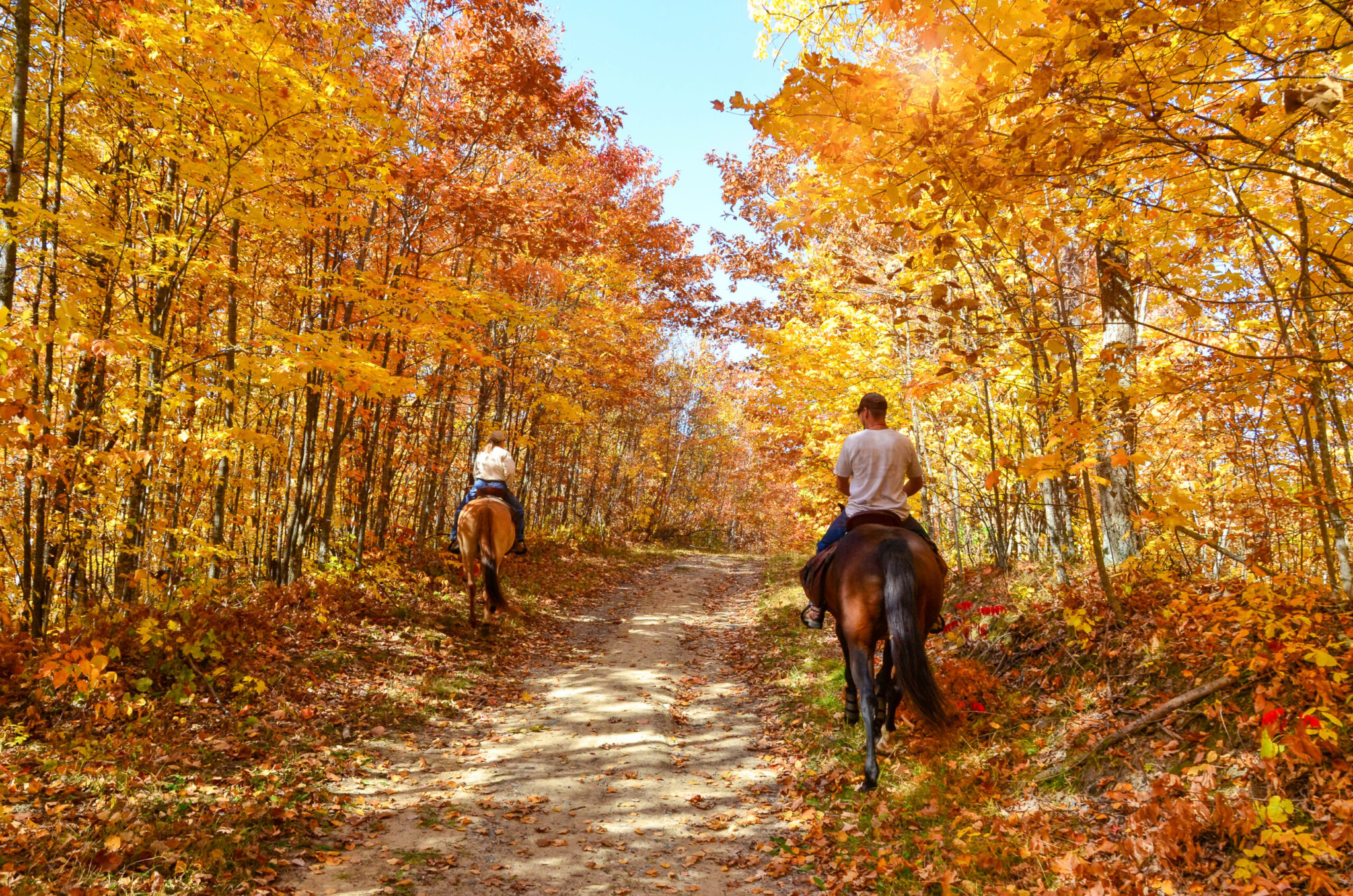
Horseback riding is more than just an exciting outdoor activity; it serves as a powerful tool for enhancing mental health and emotional wellbeing. Research has consistently shown that engaging in equestrian activities can provide significant stress relief and promote mindfulness, making it a unique form of physical activity. As riders bond with these majestic animals, they experience profound connections that foster empathy and resilience, essential for overall mental health. Additionally, various riding programs offer structured environments that support community connections and emotional growth, expanding the social networks of participants. In this blog post, we will explore how horseback riding can transform mental health through its therapeutic benefits, including equine therapy and the sheer joy it brings.
Equestrian pursuits encompass a range of activities involving horses, providing not only recreational enjoyment but also psychological advantages. These activities are often linked to improvement in emotional states as well as increased durability against life’s stressors. Those who engage in riding frequently find themselves cultivating strong relationships, both with the horses and within supportive communities, reinforcing their mental health journey. Additionally, the practice of mindful riding can lead to a deeper connection with oneself, offering a sense of tranquility and grounding amidst everyday chaos. Through equine-assisted programs and community involvement, individuals gain access to comprehensive support systems that enhance both their physical fitness and emotional resilience.
The Connection Between Horseback Riding and Mental Health
Horseback riding is widely recognized for its numerous mental health benefits, intertwined with the intimate connection between the rider and the horse. This bond can serve as an emotional anchor, providing riders a safe space to express feelings that might otherwise remain unspoken. Engaging with horses encourages mindfulness, as riders must focus on the present moment, which helps to alleviate racing thoughts and overwhelming emotions.
Additionally, studies show that the rhythmic movement felt while riding can produce a meditative state, fostering significant stress relief. Participants often report coming away from rides feeling lighter and more at peace, reinforcing the profound psychological impacts of this beloved activity.
Equine Therapy: A Unique Approach to Emotional Wellbeing
Equine therapy has emerged as a powerful tool in addressing mental health issues, combining the principles of traditional therapy with the therapeutic power of horseback riding. In equine-assisted therapy sessions, participants learn to communicate, build trust, and establish a deep emotional connection with horses. This unique interaction often opens up pathways for healing that traditional forms of therapy might not achieve.
Moreover, equine therapy has proven effective for a variety of mental health challenges, from anxiety disorders to PTSD. The calming presence of the horse and the structured activities of the sessions help participants navigate their feelings and cultivate emotional stability, supporting their overall journey toward recovery.
Mindfulness and Horseback Riding: Finding Peace in the Saddle
Mindfulness is a key component of horseback riding, where riders learn to be fully present and engaged in the moment. This practice not only enhances the riding experience but also has lasting benefits for mental health. By concentrating on the sights, sounds, and sensations of riding, individuals can effectively redirect their focus away from stressors in their lives and into a state of calm.
Through consistent engagement with mindfulness during riding, many find that their overall emotional wellbeing improves. The ability to manage anxiety and stress through this focused attention cultivates resilience and promotes a greater sense of peace, both in and out of the saddle.
Building Community Through Riding Programs
Joining horseback riding programs fosters community support and connection among riders. Whether at a local stable or through organized equestrian groups, these programs create an environment where individuals can share experiences and challenges. This sense of camaraderie can significantly enhance one’s mental health, as it helps individuals feel less isolated in their struggles.
Riding programs often incorporate group activities and events, which strengthen social networks. The friendships formed through these shared experiences provide vital emotional support, encouraging positive mental health practices and resilience among participants.
The Role of Physical Activity in Mental Health
Physical activity is a well-known factor in maintaining mental health, and horseback riding is a fulfilling way to engage in exercise. The physical demands of riding not only improve physical fitness but also boost mental resilience. Increased endorphin levels from physical activity lead to improved mood and reduced feelings of depression.
Riders often find that the sense of achievement from mastering new skills, combined with the exercise of riding itself, can create a powerful ripple effect on their emotional wellbeing. This holistic approach to health links physical fitness directly to mental clarity, proving that engaging in activities like horseback riding can lead to significant advancements in mental health.
Mindfulness Techniques for Horse Riders
Incorporating mindfulness techniques into horseback riding can amplify the benefits experienced during and after rides. Practices such as focused breathing and visualization can enhance the rider’s connection with the horse and the environment, allowing for a more enriching experience overall. These techniques often transform riding sessions into moments of personal reflection and emotional healing.
Developing a mindful riding practice encourages riders to be present, helping to quiet the mind and reduce anxiety. This approach not only enriches the riding experience but also fosters a long-lasting impact on the individual’s mental health and emotional resilience.
Equestrian Activities as a Form of Stress Relief
Riding horses serves as an exceptional form of stress relief for many individuals. The natural bond with the horse and the physical activity involved provide an escape from everyday pressures. Engaging in equestrian activities offers both a mental break and a refreshing perspective on life’s challenges.
Many riders report that their time spent with horses allows them to process emotions and reduce stress levels significantly. The combination of movement, nature, and animal companionship creates a therapeutic experience that fosters tranquility and emotional wellbeing.
Transformative Experiences through Therapeutic Riding
Therapeutic riding programs are designed to support individuals facing emotional and psychological challenges through structured riding sessions. These experiences are tailored to address specific mental health needs, allowing participants to engage in equine-assisted activities that promote healing and resilience. People participating in these programs often discover newfound confidence and personal empowerment.
By interacting with horses in a therapeutic setting, individuals can gain insights into their emotions and behaviors. The support and guidance provided by qualified instructors help participants navigate their mental health journeys, highlighting the transformative nature of these riding experiences.
The Positive Impact of Nature on Mental Health
Horseback riding provides a unique opportunity to connect with nature, which has been shown to have numerous mental health benefits. Being outdoors in green spaces improves mood and offers a retreat from urban stressors. The combination of physical activity and the natural environment elevates mental clarity and inhibits anxiety.
Encouraging riders to appreciate the beauty of their surroundings nurtures a sense of gratitude and mindfulness. This relationship with nature complements the emotional aspects of horseback riding, creating a holistic approach to fostering mental health and emotional resilience.
Getting Started with Horseback Riding for Mental Wellness
If you’re considering horseback riding as a means to enhance your mental health, it’s important to start by finding a reputable local riding school. Ensure that the instructors are experienced in working with beginners and can create a safe and supportive environment. Starting lessons with qualified professionals can enhance your confidence and ensure that you get the most out of your riding experience.
Additionally, consider looking into riding programs specifically designed to promote mental wellness. These structured sessions can guide you through the unique benefits of horseback riding, allowing you to engage fully with both the horse and the therapeutic process for emotional well-being.
Frequently Asked Questions
What are the mental health benefits of horseback riding?
Horseback riding offers several mental health benefits, including reduced stress and anxiety, improved mood, and enhanced emotional wellbeing. The rhythmic movement while riding aids in mindfulness, helping riders focus on the present moment and alleviate life’s anxieties.
How does equine therapy improve emotional wellbeing?
Equine therapy, a type of horseback riding that involves therapeutic activities with horses, promotes emotional wellbeing by fostering trust, empathy, and connection. This bond with horses helps individuals express their feelings and work through emotional challenges.
What role does horseback riding play in reducing stress?
Horseback riding serves as an effective stress relief activity. The combination of physical activity, exposure to nature, and the calming presence of horses encourages relaxation and mindfulness, leading to decreased stress levels.
Can horseback riding boost self-esteem?
Yes, horseback riding can significantly boost self-esteem. Mastering riding skills and reaching personal riding goals create a sense of accomplishment that enhances self-confidence and positively impacts one’s self-image.
How does physical activity from horseback riding contribute to mental health?
The physical activity involved in horseback riding triggers the release of endorphins, enhancing mood and combating symptoms of depression. The exercise improves physical fitness, which is closely linked to mental resilience.
What community support exists for horseback riding enthusiasts?
Horseback riding fosters community support through clubs and riding programs. Engaging with fellow riders creates connections and support networks, enhancing emotional wellbeing and reducing feelings of isolation.
Are there specific riding programs for mental health?
Yes, many communities offer riding programs designed for mental health support. These programs often include equine-assisted therapy, which has been beneficial for individuals dealing with issues such as PTSD, anxiety, and depression.
How does nature contribute to the benefits of horseback riding?
Riding often takes place in natural settings, which have been shown to enhance mental clarity, reduce stress, and foster positive emotions. The healing influence of nature complements the benefits of horseback riding for mental health.
What beginners’ tips exist for getting started with horseback riding?
To get started, consider joining a reputable local riding school, starting with easy rides, participating in therapeutic sessions if needed, and connecting with local riding communities for support and camaraderie.
How does horseback riding promote mindfulness?
Horseback riding encourages mindfulness by helping riders focus on the present moment and be in tune with their surroundings. This practice diverts attention from negative thoughts and promotes relaxation and stress relief.
| Key Points | Explanation |
|---|---|
| Emotional Wellbeing through Connection with Horses | Engaging with horses fosters emotional bonds, promoting empathy and trust while encouraging emotional expression. |
| Reducing Stress and Anxiety | The rhythmic movement of riding helps reduce stress, facilitating mindfulness and relaxation. |
| Boosting Self-Esteem | Achieving riding goals boosts self-esteem and reinforces the idea of persistence leading to success. |
| Improving Mood and Fighting Depression | Physical activity from riding releases endorphins, improving mood and providing distraction from depressive thoughts. |
| Creating Connections | Riding fosters social interactions and community connections, creating support networks vital for mental health. |
| Participating in Riding Programs | Equine therapy programs specifically address mental health challenges, providing therapeutic riding experiences. |
| Improved Physical Fitness | Horseback riding enhances physical fitness, contributing positively to mental resilience and health. |
| Connection with Nature | Spending time in nature while riding boosts mental clarity and reduces stress. |
Summary
Horseback riding offers numerous benefits for mental health and wellbeing, uniquely combining physical activity, emotional connection, and social interaction. Engaging with horses can foster emotional bonds, enhance self-esteem, and create opportunities for therapeutic riding experiences, all contributing to improved mental states. Additionally, riding promotes mindfulness and reduces stress while allowing individuals to connect with nature. If you are looking to elevate your mental health through an enjoyable and therapeutic activity, consider embarking on the rewarding journey of horseback riding.