
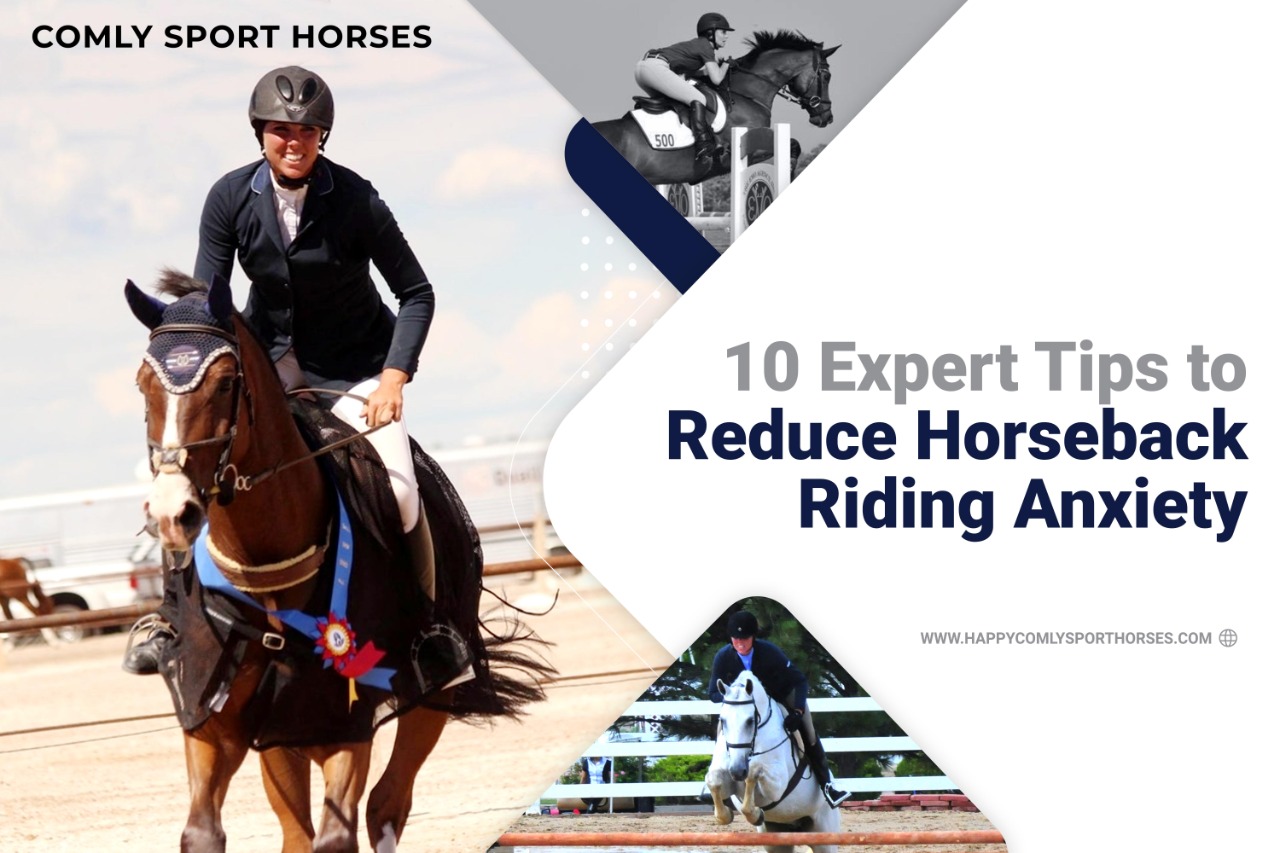
Horseback Riding and Mental Health are deeply intertwined, showcasing how this exhilarating activity not only offers physical thrills but also serves as a therapeutic outlet for many. Recent studies suggest that engaging in horseback riding can dramatically enhance mental wellness, providing much-needed relief from stress and anxiety. The benefits of horseback riding extend beyond just the joy of being outdoors; they include improved mood, increased self-confidence, and a vibrant sense of community among riders. With options like equine therapy becoming increasingly popular, more individuals are discovering the transformative power of horses in managing mental health challenges. Whether through riding lessons or simply spending time with these majestic animals, the positive effects on mental well-being are undeniable.
When we discuss equestrian activities and their influence on psychological well-being, we unveil the numerous advantages associated with riding horses. As a form of physical exercise, horseback riding can alleviate feelings of anxiety and promote relaxation, making it an effective approach to achieve emotional stability. Notably, those seeking help through riding lessons often find that forming bonds with horses can lead to significant improvements in their overall mental health. Additionally, activities such as equine therapy provide structured support for individuals facing various mental health struggles. Embracing the journey of riding not only nurtures one’s love for these incredible creatures but also fosters a landscape of mental wellness and growth.
The Transformative Effects of Horseback Riding on Mental Health
Horseback riding has long been celebrated for its exhilarating adventure, but recent findings reveal its transformative effects on mental health. Data shows that the rhythmic movement of a horse can greatly reduce stress levels, activating a state of relaxation in the rider. The act of riding requires complete focus, enabling individuals to engage in the present moment, which aids in alleviating anxiety symptoms. Many riders find solace in the quiet moments spent outdoors, far removed from the stresses of daily life, as they connect deeply with their equine partners.
Moreover, horseback riding serves as an active form of therapy, known for its efficacy in treating various mental health conditions. Individuals experiencing anxiety or depression often report noticeable improvements after regular riding sessions. Engaging with horses can remove barriers often faced in traditional therapy, allowing deeper emotional exploration. The bond forged between rider and horse promotes a safe space for emotional healing, making riding lessons an invaluable tool for enhancing mental wellness.
Harnessing the Benefits of Equine Therapy
Equine therapy stands out as a unique approach to mental health care, utilizing the bond between humans and horses to foster healing and growth. During sessions, participants learn to interact, communicate, and build trust with the horses, which in turn cultivates self-awareness. This type of therapy has gained popularity for those facing PTSD, anxiety, or depression, offering a more natural path to recovery that diverges from conventional methods. As participants progress, they often report increased emotional resilience and a more profound understanding of their mental health.
Additionally, equine therapy introduces clients to essential life skills that extend beyond the therapeutic setting. Through the process of caring for and riding horses, participants develop patience, responsibility, and self-regulation. These skills are fundamental in managing anxiety and transforming negative thought patterns, making equine therapy not just beneficial, but essential for personal growth and healing.
The Role of Social Connections in Mental Wellness
Community plays a crucial role in mental health, and horseback riding serves as an exceptional gateway to fostering social bonds. Joining a riding school can introduce riders to a network of like-minded individuals who share a passion for horses. Engaging in group riding lessons can combat feelings of isolation, as participants encourage and support each other in developing their skills. This sense of belonging enhances one’s overall mental well-being, reducing the risks associated with loneliness and depression.
Participating in social riding events allows riders to build friendships that can further support their journey toward mental health improvements. Sharing experiences such as riding retreats, competitions, or team-building exercises with horses cultivates camaraderie and trust among participants. This nurturing environment engages individuals to connect not only with each other but also with their equine partners, creating powerful bonds that contribute positively to mental wellness.
Boosting Self-Confidence Through Riding
Horseback riding inherently demands skill and determination, making it a formidable way to boost self-confidence. As riders tackle various challenges—from mastering new techniques to successfully navigating trails—they experience a sense of accomplishment. Each lesson translated into personal progress significantly enhances self-esteem, encouraging riders to embrace not only their equestrian journey but other aspects of life.
Additionally, the trust established between a rider and their horse plays a key role in building confidence. Riders learn to communicate effectively with their horses, resulting in a shared understanding that fosters mutual respect. This connection empowers individuals, reinforcing the idea that the ability to overcome obstacles exists both in the riding arena and in life.
Mindfulness and Focus: Riding as a Meditative Practice
Horseback riding naturally invites riders to enter a state of mindfulness. The intricacies involved in maintaining balance and responding to the horse’s movements require acute awareness and concentration. Such focus serves as a mindful practice that encourages the rider to be present in the moment, helping to dispel racing thoughts and cultivate tranquility. Riders often report that this meditative element leads to a pronounced reduction in anxiety and stress.
By engaging fully during rides, individuals tap into a unique form of mental clarity and relaxation. This mindfulness becomes a vital coping strategy, allowing riders to navigate through life’s challenges with a more centered mindset. The serene environment shared with their horses deepens their connection while simultaneously grounding their emotional health, promoting lasting benefits.
The Joy of Riding Lessons: Starting Your Therapeutic Journey
Embarking on riding lessons is the first step towards harnessing the mental health benefits of horseback riding. For beginners, the excitement of learning to ride a horse can be an exhilarating and enriching experience. Most riding schools offer a variety of lesson types, making it easier for newcomers to find a suitable fit. With qualified instructors guiding them, beginners can focus not only on riding techniques but also on forming deep connections with their horses.
As students progress through their riding lessons, they evolve alongside their horses, often discovering new strengths and capabilities. Each achievement, whether small or significant, serves as a stepping stone toward greater self-awareness and emotional growth. The structured nature of riding lessons provides a safe environment for exploration, fostering mental resilience that extends beyond the riding arena.
Exploring the Benefits of Horseback Riding for Anxiety Relief
Horseback riding is increasingly recognized as an effective anxiety relief mechanism. The interplay between rider and horse serves as a pathway for releasing pent-up stress. The act of being on a horse, coupled with the rhythmic motion, has a calming effect, resembling a form of gentle exercise that facilitates the release of endorphins, aiding in the reduction of anxiety symptoms. Many riders find that the experience of riding enables them to redirect their anxious thoughts and develop coping mechanisms to handle stress.
Furthermore, riding lessons often incorporate mindfulness breathing techniques that riders can practice while engaging with their horse. This amalgamation of physical activity with mental focus works synergistically to mitigate anxiety levels. Participants embrace the serene atmosphere surrounding them, enabling deeper introspection and easing the tension that anxiety creates. As riders commit to regular practice, they witness a gradual dissolution of their anxiety, fostering a healthier mental state.
Riding Retreats: Enhancing Mental Wellness through Immersive Experiences
Riding retreats offer an immersive experience that goes beyond traditional riding lessons, focusing on holistic mental wellness. These retreats typically combine horseback riding with various therapeutic activities, encouraging participants to delve deep into their emotional landscapes while benefiting from nature’s restorative power. The tranquility of scenic settings accompanied by horseback riding cultivates a healing environment where individuals can rejuvenate their mental health.
Such retreats also facilitate communal bonding among participants, creating an enriching social experience. By sharing their riding journey, participants often form lasting connections and support systems that extend well beyond the retreat. The combination of equestrian activities and workshops centered on personal development amplifies mental wellness, making riding retreats a fertile ground for transformation.
The Therapeutic Power of Nature in Horseback Riding
Engaging in horseback riding allows individuals to tap into the therapeutic power of nature, which is crucial for maintaining mental health. Being outdoors can significantly improve mood and diminish feelings of anxiety. The sights and sounds of the environment—fresh air, greenery, and the gentle rustling of leaves—contribute to an overall sense of calm. Many riders find that this connection with nature enhances the emotional benefits gained through their riding experiences.
Moreover, riding in natural settings amplifies the soothing effects of the activity, offering a peaceful retreat from urban life. As horseback riders navigate trails or experience the sensation of cantering through open fields, they can disconnect from their daily worries and immerse themselves fully in the present moment. This engagement not only enriches their emotional stability but also reinforces the connection between mental health and the natural world.
Frequently Asked Questions
What are the benefits of horseback riding for mental health?
Horseback riding offers numerous mental health benefits, including stress relief, improved mood, increased self-confidence, mindfulness, and social connections. Engaging with horses fosters emotional healing and can combat anxiety and depression.
How does equine therapy contribute to mental wellness?
Equine therapy, or horse-assisted therapy, utilizes interactions with horses to help individuals address mental health challenges such as PTSD, anxiety, and depression. The therapeutic relationships formed during these sessions promote emotional healing in a safe environment.
Can horseback riding help reduce anxiety?
Yes, horseback riding is beneficial for those experiencing anxiety. The rhythmic movement of riding, coupled with the calming presence of horses, helps to soothe the mind and alleviate feelings of anxiety while promoting relaxation.
What kind of riding lessons are available for beginners?
Many local riding schools offer beginner lessons that focus on the fundamentals of horseback riding, including safety, grooming, and basic riding techniques. These lessons are designed to help new riders build confidence and comfort around horses.
How does horseback riding improve self-confidence?
Horseback riding improves self-confidence as riders develop skills through practice and persistence. As they master riding techniques and form bonds with their horses, they often experience enhanced self-esteem that translates into other life areas.
What are some ways to enhance mental wellness through riding?
To enhance mental wellness through riding, engage with your horse outside of riding sessions, participate in group lessons for social interaction, and practice mindfulness while riding to foster a deeper connection and emotional clarity.
Is horseback riding a good activity for children with anxiety?
Absolutely! Horseback riding can be an excellent activity for children with anxiety. The structured environment, social interactions, and therapeutic aspects of riding can help alleviate anxiety symptoms and promote emotional well-being.
How does horseback riding foster mindfulness?
Horseback riding necessitates focused attention on the horse and the surrounding environment. This concentration helps clear the mind of distractions and promotes mindfulness, allowing riders to be present in the moment, which benefits mental health.
What should I know before starting riding lessons for mental health benefits?
Before starting riding lessons for mental health benefits, research local riding schools, equip yourself with proper gear, understand the importance of patience during the learning process, and be ready to engage with horses to build a supportive relationship.
How can joining a riding community support mental health?
Joining a riding community provides social support, fosters friendships, and creates a sense of belonging, all of which are vital for mental health. Participating in group lessons and events can enhance emotional well-being and reduce feelings of isolation.
| Key Point | Description |
|---|---|
| Stress Relief | Horseback riding reduces stress through the calming presence of horses and the soothing rhythm of riding. |
| Improved Mood | Physical activity in horseback riding releases endorphins, enhancing happiness and reducing anxiety. |
| Increased Self-Confidence | Learning to ride boosts self-confidence, impacting various aspects of life positively. |
| Mindfulness and Focus | Riding requires concentration, helping to clear the mind and promote mindfulness. |
| Social Connections | Joining a riding community fosters social interactions, enhancing mental well-being. |
| Therapeutic Horse Riding | Equine-assisted therapy helps individuals with mental health challenges such as PTSD and anxiety. |
Summary
Horseback riding and mental health are intricately linked, as engaging in this activity can provide profound benefits for your psychological well-being. The gentle rhythm and unique bond formed with horses bring forth significant stress relief, elevate mood, and boost self-confidence. Furthermore, the focused engagement demanded by horseback riding fosters mindfulness, creating a distraction-free environment that contributes to emotional healing. Social connections formed in riding communities also play a crucial role in enhancing mental wellness. By choosing to start horseback riding today, you are taking a meaningful step towards improving your mental health and enriching your life experience.