
Horse riding techniques play a pivotal role in the journey from novice to expert. Understanding the fundamental aspects of riding is essential for anyone looking to foster a deeper bond with their horse while enhancing their skills. From the basics of mounting to advanced techniques like jumping, mastering these horse riding techniques can significantly elevate your experience. This guide aims to illuminate the nuances of effective riding, covering everything from proper posture to communication with your horse. Whether you’re just starting or seeking to refine your abilities, this article will provide valuable insights into the art of horse riding.
In the realm of equestrian sports, the proficiency of horse riding encompasses various methodologies and styles. Known alternatively as equestrian techniques or horseback riding skills, these practices range from foundational movements to intricate maneuvers. Aspiring riders can benefit immensely from exploring different riding methods—whether they prefer Western riding, English style, or even dressage. Each approach offers unique challenges and rewards, allowing riders to develop their own style and relationship with their horse. By delving into these diverse riding strategies, you can enhance your competence and confidence in the saddle.
The Fundamentals of Horse Riding Techniques
Horse riding techniques begin with understanding the essential foundational skills necessary for all riders. The first step in mastering horse riding is familiarity with mounting and dismounting. This involves not only the physical act of getting onto and off the horse but also the importance of ensuring your horse remains calm and controlled during these processes. Learning how to balance your weight correctly when mounting impacts your stability as a rider and sets the tone for your entire riding experience.
In addition, effective communication with your horse begins the moment you take the reins. Proper grip is vital; a relaxed fist enables you to signal effectively without causing fear or discomfort to your horse. Positioning your hands correctly is fundamental to controlling the horse’s direction and speed. This foundational knowledge establishes a strong rider-horse bond and facilitates the mastery of more complex techniques.
Mastering Mounting and Dismounting Techniques
Mounting and dismounting are pivotal primary techniques in horse riding. Mounting from the left side is traditional, and it is essential to maintain calmness and composure to prevent startling the horse. Securing the reins in your left hand allows you to manage the horse’s head while you step into the stirrup with your left foot. This approach not only ensures your safety but also familiarizes your horse with the routine, creating a predictable and comfortable experience.
Dismounting necessitates similar care, as disturbing your horse during this process can lead to safety issues. Reversing the mounting procedure, while keeping your foot securely in the stirrup, maintains control. Ensuring that the horse is stationary and relaxed before dismounting is an important aspect that contributes to safe practices and enhances the confidence of both the rider and the horse.
Effective Rein Holding Basics
The method of holding the reins is crucial to a rider’s effectiveness in communicating with their horse. A proper grip involves taking the reins with all fingers, ensuring they are firm without being stiff; the rider’s hands should align naturally with the horse’s mouth. This grip allows the rider to convey subtle cues and enhances the overall connection between horse and rider, which is particularly essential for a novice.
Improper rein handling can lead to misunderstandings and discomfort for the horse. Therefore, developing a natural feel for the reins—adjusting tension and relaxing when needed—creates a pleasant riding experience. Understanding how these small motions can influence your horse’s behavior is a step that every rider must master as they progress through the riding levels.
Achieving the Perfect Riding Stance
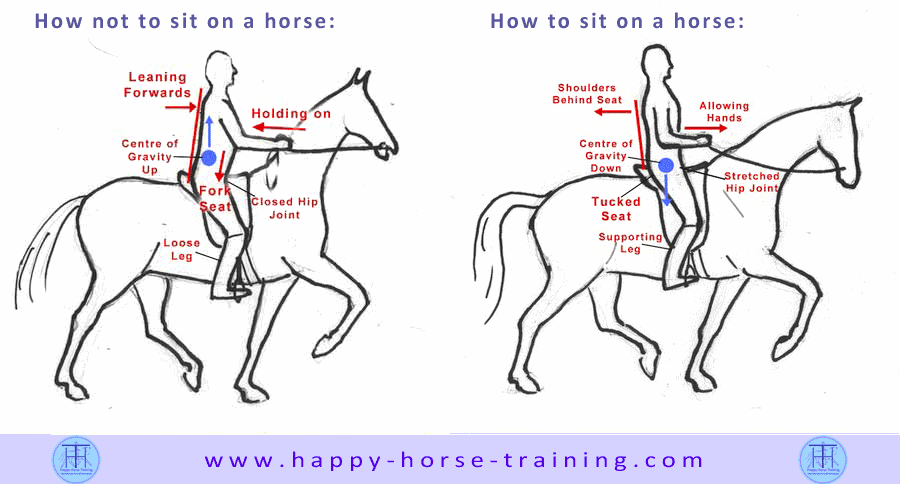
A balanced and correct riding stance plays a pivotal role in a rider’s confidence and control. To achieve the perfect stance, sitting upright, aligning the shoulders back, and ensuring the heels remain positioned down are fundamental principles. This alignment helps maintain the center of gravity while riding, enhancing the rider’s ability to absorb the horse’s movements.
Additionally, the way legs are positioned impacts the rider’s overall communication with the horse. Allowing the legs to hang naturally and keeping thighs connected to the saddle create a comfortable position that facilitates effective cueing. A thorough understanding of this technique not only improves stability but also prepares the rider for higher-level maneuvers.
Gait Transitions: Building Confidence and Control
Gait transitions are an integral component of horse riding techniques that require practice and patience. By mastering the distinct gaits—walk, trot, canter, and gallop—riders gain a deeper understanding of their horse’s capabilities and behavior. Each gait presents unique challenges, and learning to transition smoothly between them builds confidence and enhances control over the horse.
Effective practice of gait transitions enhances the rider’s ability to respond to the horse’s rhythm and movements. For instance, transitioning from a trot to a canter requires a focused approach, where the rider must synchronize their body with the horse’s motions. Improved coordination during these transitions not only enhances performance but also builds a stronger partnership between rider and horse.
Understanding Pressure and Release in Riding
Pressure and release techniques in horse riding are foundational for effective communication. Applying pressure with your legs guides the horse to respond—be it to start moving forward or to execute a turn. It’s vital, however, to immediately release the pressure once the horse reacts correctly. This reinforcement teaches the horse to recognize and anticipate cues, promoting a smoother ride.
Mastering this technique requires sensitivity and attentiveness to your horse’s responses. The more adept riders become at applying and releasing pressure, the more responsive and communicative their horses will become in return. This cyclical learning fosters a profound connection, enhancing the joy of riding and creating a fulfilling partnership.
Utilizing Body Language for Effective Riding
A skilled horse rider employs body language as a vital communication tool. The ability to shift weight smoothly, lean into turns, or subtly use hands can significantly influence a horse’s movements and behavior. Understanding how to express intentions through body language strengthens responsiveness and creates harmony during rides.
Practicing these techniques enables riders to develop a more cohesive relationship with their horses. The subtleties in body position convey confidence and clarity, leading to more effective riding experiences. Over time, enhancing body language skills contributes to elevated performance, particularly in competitive settings.
Navigating Various Terrains with Confidence
Riding on different terrains is crucial for expanding a rider’s versatility and adaptability. Each environment—from flat fields to steep trails—presents unique challenges that require alterations in balance and technique. Practicing on varied surfaces not only hones skill but also prepares riders to respond proficiently in diverse situations.
Moreover, mastering the ability to adjust riding techniques according to the terrain promotes confidence in both the rider and horse. Understanding how terrain impacts the ride enables riders to navigate obstacles more effectively, ensuring a safer and more enjoyable experience regardless of the riding conditions.
Refining Jumping Techniques for Advanced Riders
Jumping techniques are intricate skills that take time and practice to master. A proper approach is critical for successful jumps; maintaining a steady rhythm and focusing on the jump’s layout enhances the chances of a smooth execution. Each stage of jumping—from approach to takeoff and landing—requires precise coordination and a keen understanding of horse dynamics.
As riders practice their jumping techniques, they learn not only the mechanics of the jump but also to trust their horse’s capabilities. Building that mutual trust elevates both rider and horse, leading to improved performance in various jumping scenarios, from show jumping to cross-country events.
Dressage Skills: The Art of Precision in Riding
Dressage is all about precision and grace. For riders aspiring to reach an advanced level, mastering dressage techniques is essential. This form of riding enhances harmony between horse and rider, focusing on executing prescribed movements with accuracy and fluidity. By practicing varied dressage movements, riders refine their cues and improve their overall riding performance.
Engaging in disciplined dressage training instills a greater degree of attentiveness in both horse and rider. As riders learn to navigate complex patterns, they develop a deeper connection with their horse and enhance their riding skills. These practices can translate into improved performances during competitions, showcasing the teamwork between rider and horse.
Trail Riding Techniques for Enhanced Adventure
Trail riding presents unique challenges distinct from traditional riding practices. To excel in this discipline, riders must learn how to face obstacles, navigate unfamiliar terrains, and maintain a calm demeanor amidst distractions from wildlife or fellow riders. Developing these skills ensures a safe and enjoyable experience, not only for the rider but also for the horse.
Additionally, learning to manage different distractions effectively enhances a rider’s overall confidence and control. As riders become adept at trail riding techniques, they gain a greater appreciation for the diverse environments, leading to a more fulfilling riding experience. Trail riding fosters a deeper connection with the horse as adventurers embrace the thrill of the natural world together.
Frequently Asked Questions
What are the basic horse riding techniques for beginners?
Basic horse riding techniques for beginners include proper mounting and dismounting, holding the reins correctly, maintaining the right stance, and practicing gait transitions such as walk, trot, canter, and gallop. These foundational skills are essential for effective communication and control while riding.
How can I improve my mounting and dismounting techniques in horse riding?
To improve your mounting and dismounting techniques, always mount from the left side of the horse. Hold the reins with your left hand, place your left foot in the stirrup, and swing your right leg over the back of the horse. Reverse this process slowly while ensuring you maintain control during dismounting.
What is the importance of holding the reins properly in horse riding techniques?
Proper holding of the reins is crucial in horse riding techniques as it allows for effective communication between the rider and the horse. Your hands should form a straight line from the horse’s mouth through to your elbows, ensuring you can guide the horse smoothly without creating discomfort.
How do gait transitions play a role in horse riding techniques?
Gait transitions are a fundamental aspect of horse riding techniques. By practicing transitions between walk, trot, canter, and gallop, riders develop confidence, balance, and control, which are essential for overall riding proficiency.
What advanced horse riding techniques can confident riders practice?
Confident riders can practice advanced horse riding techniques such as pressure and release, effective body language, and riding across different terrains. These techniques enhance a rider’s ability to communicate with their horse and adapt to various riding conditions.
What are some effective jumping techniques in horse riding?
Effective jumping techniques in horse riding involve maintaining a steady approach, using your legs for takeoff, and sitting deep in the saddle during landing. Mastering these techniques can improve your jumping performance and overall control.
How does body language impact horse riding techniques?
Body language greatly impacts horse riding techniques because subtle shifts in weight and posture help communicate with your horse. A skilled rider uses their body to guide and signal the horse, creating a harmonious riding experience.
What are the key techniques to consider when riding in different terrains?
When riding in different terrains, key techniques include adjusting your balance and posture according to the surface type. Practice handling obstacles and maintaining your horse’s comfort and focus, as each environment presents unique challenges.
How does dressage improve my horse riding techniques?
Dressage enhances horse riding techniques by emphasizing precision and smooth communication. Practicing various dressage movements improves coordination, deepens the rider-horse bond, and can elevate performance in competitions.
What trail riding techniques should experienced riders master?
Experienced riders should master trail riding techniques by learning how to navigate obstacles, manage distractions from wildlife or other riders, and maintain a calm demeanor, ensuring both rider and horse remain comfortable and safe.
| Key Points | Details |
|---|---|
| Mounting and Dismounting | Learn to mount from the left side, using reins for control and ensuring safety during the process. |
| Holding the Reins | Maintain a proper grip to communicate effectively with your horse, ensuring a straight line from mouth to elbow. |
| The Right Stance | Sit upright with shoulders back, legs hanging naturally, and stirrups correctly positioned to maintain balance. |
| Practice Gait Transitions | Familiarize with walk, trot, canter, and gallop to improve confidence and control over your horse. |
| Pressure and Release | Use your legs to apply pressure for movement and release it as a reward for the horse’s response. |
| Using Your Body Language | Communicate effectively with your horse by shifting weight and guiding with hands to enhance understanding. |
| Riding at Different Terrain | Practice in various terrains to adapt your riding approach and improve your overall skill set. |
| Jumping Techniques | Focus on approach, take-off, and landing techniques essential for safe and effective jumping. |
| Dressage Skills | Improve coordination and connection with your horse through practice of precision movements. |
| Trail Riding Techniques | Learn to navigate obstacles and manage distractions while maintaining horse comfort on trails. |
Summary
Horse Riding Techniques are essential for anyone looking to progress from a novice to an expert level in this timeless sport. From the fundamental skills of mounting and controlling the reins to the more nuanced aspects of jumping and dressage, mastering these techniques fosters a deep bond between rider and horse. The journey encompasses learning how to communicate effectively, adapt to various terrains, and practice pressure and release methods. Each stage presents unique opportunities for growth and confidence-building, making the path of mastering horse riding not only a skillful endeavor but also a fulfilling partnership with your equine companion.