
Horse riding safety is paramount for anyone venturing into this thrilling equestrian activity. Riding a horse can be an exhilarating experience, but it is essential to keep safety as a top priority. From wearing a certified riding helmet to understanding saddle safety, being well-prepared can significantly reduce the risks associated with horseback riding. This guide will delve into essential horse riding tips that cover everything from appropriate riding etiquette to the vital gear you need for a secure ride. Prioritizing equestrian safety not only contributes to your well-being but also ensures a positive experience for your horse.
Engaging in the world of equine activities, ensuring one’s wellbeing while horseback riding is crucial for all levels of riders. Proper riding gear, including a sturdy riding helmet and comfortable saddle equipment, plays a fundamental role in maintaining safety. Understanding riding etiquette alongside effective communication with fellow riders can further enhance the riding experience while minimizing risks. Riders should continuously seek knowledge about safety practices and remain alert during their adventures. Committing to safety guidelines fosters a peaceful environment for both rider and horse, making every ride a delight.
The Importance of Wearing a Riding Helmet
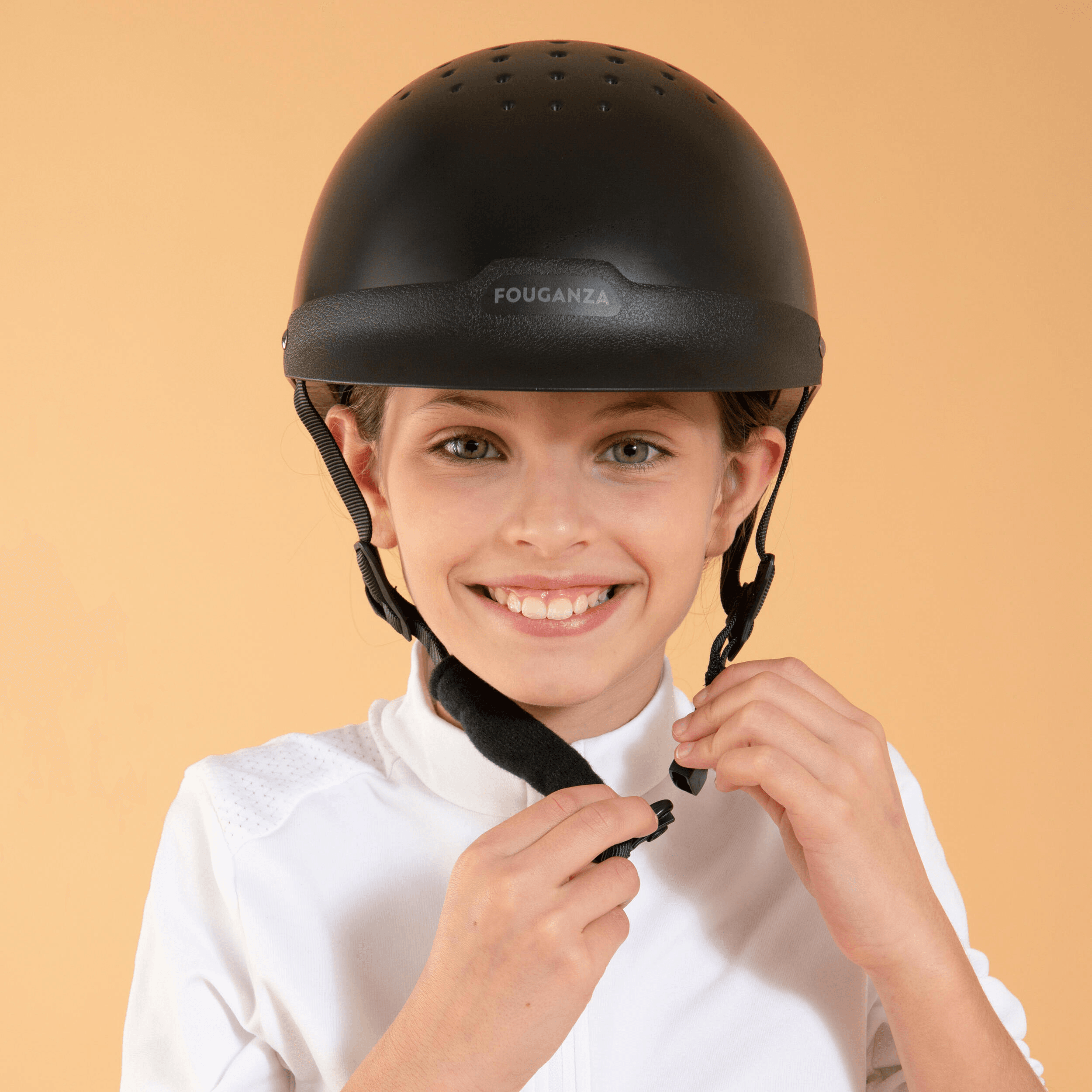
Wearing a riding helmet is one of the most vital components of horse riding safety. A properly fitted, certified riding helmet can significantly reduce the risk of serious head injuries in the event of a fall. Helmets are designed to absorb impact and protect your skull, and they come in various designs tailored for equestrian activities. Regardless of your riding experience, always prioritize your head’s safety, as the brain is irreplaceable and susceptible to serious injuries.
Moreover, it’s not just about wearing a helmet; it’s crucial to ensure that it fits snugly and is securely fastened while riding. Regularly inspect your helmet for any signs of damage or wear, and replace it if you’ve been involved in a fall. Remember, a riding helmet should never be an afterthought; it should be as integral to your riding gear as your saddle or boots. Your safety is paramount, and a riding helmet is the first line of defense against unforeseen accidents.
Essential Horseback Riding Gear You Should Invest In
Choosing the right horseback riding gear goes beyond aesthetic appeal; it’s crucial for safety and comfort as well. Invest in high-quality riding boots designed for equestrian use, with a smooth sole and a heel to prevent slipping out of the stirrups. Additionally, a well-fitted saddle can make a significant difference in both the comfort of the rider and the horse. It absorbs shock and distributes weight evenly, preventing any undue strain on your horse’s back.
In addition to helmets and saddle safety, other gear like riding gloves and safety vests can enhance your riding experience. Gloves improve grip on the reins, which allows for better control over the horse. Safety vests, particularly for those engaging in jumping or cross-country riding, add an additional layer of protection to the torso. As you select your riding gear, remember that investing in high-quality, safety-oriented items is an investment in your riding journey.
Understanding Your Horse: Key to Riding Safety
Every rider must spend time getting to know their horse. Understanding your horse’s behavior and temperament can drastically affect the safety and enjoyment of your riding experience. Horses, like people, have distinct personalities and can sometimes react unpredictably to various stimuli. Familiarizing yourself with your horse’s signs of stress, discomfort, or aggression can equip you with the tools necessary for a safer ride.
Additionally, building a bond with your horse on the ground reinforces trust between you and the animal. Regular interaction can alleviate anxiety during rides, allowing for a smoother experience overall. Learning to read their body language will enable you to respond appropriately to their needs and make informed decisions when riding. Remember that a relaxed and well-understood horse contributes significantly to your overall safety.
Proper Mounting Techniques for Better Safety
Mounting your horse correctly is vital for both your safety and that of your horse. Always mount from the left side when possible, as this is a standard practice that many horses are accustomed to. Ensure your horse is well-grounded and not distracted when you begin to mount, as sudden movements can startle them. Employing mounting blocks for larger horses can also prevent unnecessary strain and minimize the risk of falling.
As you practice mounting and dismounting techniques, take your time to develop a routine that works for both you and your horse. The calmer and more controlled your actions are, the less stressed your horse will be, allowing for a safer interaction. Establishing these habits can greatly reduce the chances of incidents occurring during this critical process, paving the way for a safer riding experience.
Maintaining Safe Distances While Riding
When riding in groups or on shared trails, maintaining a safe distance from other riders is crucial to avoid accidents. Horses are sensitive animals that can be easily startled, and a sudden movement or loud noise can lead to dangerous situations. Aim for at least one horse length between you and the next rider, allowing ample space for both horses and riders to feel at ease.
Not only is spacing important for safety, but it also promotes a calmer environment. Teaching younger riders about safe distances and encouraging them to practice this etiquette fosters a culture of safety and respect within the equestrian community. Consistently adhering to these practices can lead to more enjoyable and accident-free riding experiences for everyone involved.
Riding Etiquette: Key Considerations for Safety
Riding etiquette encompasses the behaviors and practices that ensure a harmonious riding environment. Acknowledging other riders by greeting them and being mindful of their presence fosters a sense of community and mutual respect. Always follow established riding trails and pathways, and signal your intentions clearly when changing speed or direction to prevent startling those around you.
Being aware of your surroundings not only enhances your safety but also contributes to the overall well-being of the riding community. Educating yourself on local riding protocols and the expected etiquette in different situations can create a more enjoyable atmosphere for all riders, thereby increasing safety. Choose to be a responsible rider who prioritizes etiquette as part of the safety equation.
Preparing for the Unexpected in Horse Riding
Horseback riding, by nature, involves a degree of unpredictability. As a rider, it’s crucial to remain vigilant and prepared for unexpected situations, such as sudden noises, other animals, or even changes in weather conditions. Developing the ability to stay calm during unanticipated moments can help you react appropriately and prevent panic. Practice maintaining a gentle but firm grip on the reins, which can help you regain control of your horse in challenging situations.
Incorporating regular practice of emergency scenarios into your riding routine can enhance your confidence and reinforce your skills. Training with a knowledgeable instructor can provide you with strategies and techniques to manage unexpected encounters safely. Remember, being prepared is not only about having a plan but also about cultivating the mindset to respond effectively for your safety and your horse’s.
Recognizing Your Riding Limits
Every rider has their own skill level and comfort zone, making it essential to recognize your limits. For beginners, attempting advanced maneuvers or tackling challenging terrains without adequate experience can lead to accidents. Take the time to build your confidence gradually, and don’t hesitate to consult with a more experienced rider or instructor for assistance when needed. Developing your skills should be a progressive journey.
As you gain experience and confidence, continually reassess your abilities and be honest with yourself about your comfort level. Remember, horse riding should be enjoyable, and pushing beyond your limits can overshadow the thrill. Ensuring you’re in suitable conditions—both physically and mentally—also contributes to your safety while riding. Prioritizing sensible progress allows for a richer and safer equestrian experience.
Continuous Education in Horse Riding Safety
Engaging in continuous education is paramount for anyone involved in horseback riding. The equestrian world is ever-evolving, with new techniques, gear, and safety practices emerging regularly. Taking lessons, attending workshops, and reading diverse resources on horse riding can significantly enhance your understanding of equestrian safety and care. Knowledge is empowerment in ensuring both rider and horse well-being.
Joining local riding clubs or online communities can provide opportunities to share experiences and learn from fellow riders. Don’t overlook the value of learning from others; they can offer insights that enrich your riding journey and safety practices. Embracing the notion of lifelong learning not only improves your skills but also cultivates a culture of safety and responsibility within the riding community.
Staying Hydrated and Weather-Smart While Riding
Rider well-being is a crucial aspect of horse riding safety, and staying hydrated plays an essential role. Before diving into your riding session, ensure you’ve consumed enough water, particularly on hot days. Dehydration can hinder your concentration and physical performance, which in turn affects your ability to react swiftly in potentially hazardous situations.
Equally important is being aware of weather conditions before riding. Riding in unfavorable climates, such as storms or extreme temperatures, can stress both you and your horse. This discomfort may lead to unpredictable behavior, making riding unsafe. Always plan your rides for pleasant weather and be attentive to how temperature changes can impact your horse’s performance and demeanor.
Frequently Asked Questions
What is the importance of wearing a riding helmet for horse riding safety?
Wearing a certified riding helmet is crucial for horse riding safety as it significantly reduces the risk of head injuries in case of falls or accidents. It’s essential for every equestrian to prioritize this protective gear to ensure a safer riding experience.
How do I ensure saddle safety before a ride?
To ensure saddle safety, always check the saddle and bridle for wear and tear before riding. Make sure that they fit your horse properly and are securely fastened to avoid accidents while riding.
What essential horse riding tips can help improve equestrian safety?
Key horse riding tips that promote equestrian safety include wearing appropriate gear such as helmets and boots, understanding your horse’s behavior, maintaining a safe distance between horses, and practicing proper mounting and dismounting techniques.
What riding etiquette should I follow to enhance horseback riding safety?
Following riding etiquette means acknowledging fellow riders, signaling your intentions when changing speed or direction, and being aware of your surroundings. This practice helps maintain harmony and prevents accidents in shared riding spaces.
What horseback riding gear should I invest in for safety?
Invest in high-quality horseback riding gear including a certified riding helmet, sturdy riding boots, gloves, and possibly a safety vest. These items greatly enhance your safety while riding.
How can I prepare my horse for a safe riding experience?
Prepare your horse for a safe riding experience by grooming them properly and checking for any signs of discomfort or injury. Make sure your horse is calm and ready before saddling up.
What should I do if my horse reacts unexpectedly during a ride?
If your horse reacts unexpectedly, remain calm and maintain a firm yet gentle grip on the reins. Be mindful and ready to control the situation, ensuring you do not panic, which could further agitate the horse.
When should I know my limits as a horseback rider?
Recognizing your limits means being aware of your skill level and comfort. Beginners should not attempt advanced techniques or challenging terrains too quickly; it’s essential to progress gradually and consult with experienced riders.
How can continuous learning enhance horse riding safety?
Continuous learning about horse riding safety through lessons, workshops, and reading helps you stay updated on best practices and techniques, ensuring you keep safe while improving your riding abilities.
Why is hydration and weather awareness important for horse riding safety?
Staying hydrated and aware of weather conditions is crucial for horse riding safety as it affects both rider and horse performance. Avoid riding in extreme weather or during storms to ensure safety for both you and your horse.
| Tip | Description |
|---|---|
| 1. Wear Appropriate Gear | Use a certified riding helmet and suitable boots for safety. |
| 2. Understand Your Horse | Get to know your horse’s behavior to ensure a safer ride. |
| 3. Prepare for the Ride | Groom your horse and check all gear for safety before riding. |
| 4. Use Proper Mounting Techniques | Mount from the left side and ensure the horse is still. |
| 5. Maintain a Safe Riding Distance | Keep a horse’s length distance from other riders to prevent spooking. |
| 6. Follow Riding Etiquette | Acknowledge others and follow riding trails and signals. |
| 7. Be Ready for Unexpected Situations | Stay calm and adapt to sudden noises or distractions. |
| 8. Know Your Limits | Recognize your skill level and progress gradually in riding. |
| 9. Keep Learning About Horse Riding Safety | Regularly take lessons and learn from experienced riders. |
| 10. Stay Hydrated and Aware of Weather Conditions | Hydrate and consider weather impacts on your ride. |
Summary
Horse riding safety is paramount for all riders, be they beginners or experts. Understanding and implementing essential safety tips can enhance both your riding enjoyment and your horse’s well-being. From wearing the appropriate gear, such as helmets and boots, to understanding the behavior of your horse, every step you take towards safety is crucial. Proper preparation before riding, mounting techniques, maintaining a safe distance, and adhering to riding etiquette can prevent accidents. Being ready for unexpected situations and recognizing your skill limits are also key factors in safe riding. Lastly, continuous learning and hydration are fundamental for ensuring a safe experience. By prioritizing horse riding safety, you foster a safe riding environment that benefits all participants.