
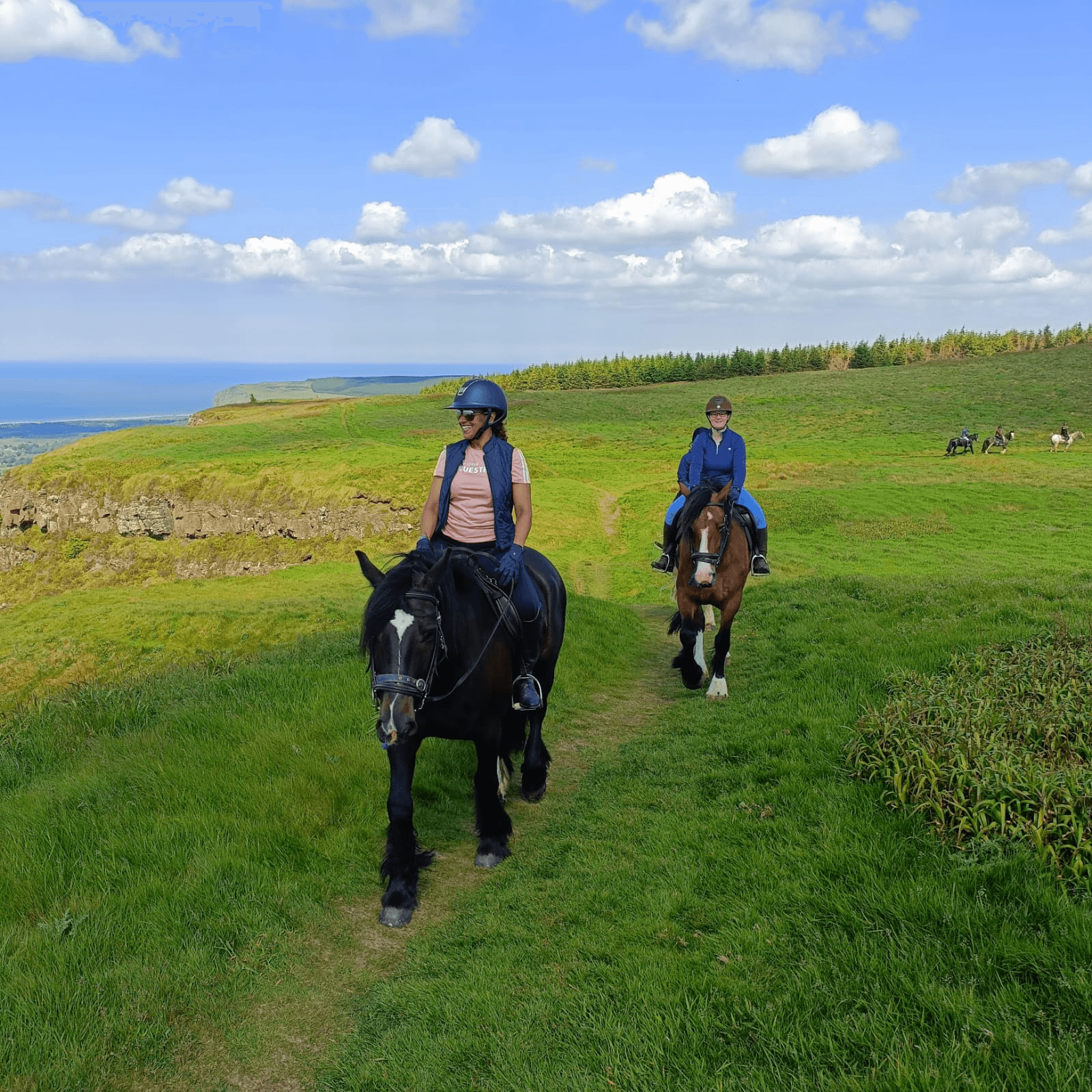
The horse riding experience is not just an exhilarating pastime; it’s a journey that nurtures the soul. Whether you’re seeking to learn the ropes through riding lessons or eager to master advanced riding techniques, the world of equestrianism welcomes riders of all skill levels. For those venturing into horse riding for beginners, understanding the bond between rider and horse is as essential as mastering the basics. With opportunities for trail riding and exploring different riding styles, enthusiasts can delve deeper into equestrian training that builds confidence and competence. This guide will navigate you through the enriching landscape of horse care, ensuring that every rider finds their place in this timeless pursuit.
Embarking on a horseback journey introduces you to a realm where the thrill meets tranquility, undoubtedly enhancing your overall experience. In this context, whether one is engaging in equestrian activities or enrolling in riding courses, the excitement is palpable. For novices, grasping foundational skills also lays the groundwork for a deeper exploration of equine sports. Advanced riders, on the other hand, continue to refine their abilities, pushing the boundaries of complex maneuvers and performance. Ultimately, these riding adventures foster a profound connection between rider and mount, highlighting the joys and responsibilities inherent in this captivating pursuit.
The Impact of Horse Riding Experience on Personal Growth
Horse riding experience significantly contributes to personal development and growth. Engaging with horses requires riders to develop trust and build a strong bond with their equine partners. This relationship profoundly enhances emotional intelligence, as riders must learn to read and respond to their horse’s body language, moods, and needs. Furthermore, the focus required during riding teaches individuals the importance of mindfulness, as they must stay present in the moment to ensure safety and optimal performance.
Additionally, horse riding can instill valuable life skills such as patience, resilience, and confidence. Riders face a variety of challenges, whether it’s learning a new technique or overcoming fear of falling. Each time they mount, they are faced with the opportunity to conquer these fears, which boosts self-esteem and can lead to a more adventurous mindset in other life areas. Ultimately, the horse riding experience serves as a unique catalyst for fostering personal growth and emotional resilience.
Essential Riding Lessons for Beginners: Getting Started
For those interested in pursuing horse riding, finding the right riding lessons is crucial. Beginners should seek a reputable riding school that offers structured lessons focusing on foundational skills. These lessons typically begin with understanding horse behavior and safety protocols before introducing key riding concepts such as mounting and controlling the horse. Safety gear is also emphasized, with instructors ensuring riders use helmets and appropriate footwear to prevent injuries.
In addition to technical skills, riding lessons for beginners emphasize the importance of respect and communication with the horse. Beginners are taught basic commands and how to establish a trusting rapport with their equine companions. This foundational knowledge not only enhances riding skills but also sets the stage for a lifelong passion for equestrianism. Beginners should approach lessons with an open mind, ready to learn and experience the joys of riding.
Intermediate Riding Skills: Advancing Your Expertise
Once riders have successfully mastered the basics, intermediate riding lessons focus on refining their skills and building confidence in various riding scenarios. Riders will learn about control and confidence, crucial elements for navigating different terrains and gaits. They also start to experiment with more complex movements like cantering and trotting, which requires enhanced balance and coordination. At this stage, riders can personalize their training experiences according to their interests, whether that’s enhancing their jumping techniques or exploring dressage.
Trail riding becomes an exciting option for intermediate riders, allowing them to take their skills beyond the arena and into nature. This not only adds elements of adventure but also requires riders to adjust their riding techniques according to varying environments. As they learn to communicate with their horse while encountering obstacles, riders develop a deeper partnership with their horse. Intermediate training lays a strong foundation for those looking to advance further in their equestrian journey.
Advanced Riding Techniques: Mastering the Art of Riding
For advanced riders, the focus shifts to mastering complex riding techniques that require finesse and deep understanding of equine behavior. Advanced lessons often include refining communication skills with the horse, allowing riders to perform precise maneuvers and improvements in their overall riding performance. Riders are encouraged to explore more competitive aspects of equestrian sport, engaging in training for events and competitions that highlight their advanced capabilities.
Moreover, advanced techniques may involve participating in high-level maneuvers such as gymnastic jumping or intricate dressage movements. This stage of riding presents the opportunity for riders to engage both mentally and physically, as they must maintain self-discipline and consistency. Ultimately, mastering these advanced riding techniques not only enhances the rider’s skill set but also fosters a profound bond with their horse, built through trust and mutual understanding.
The Importance of Horse Care in Riding
As riders progress in their equestrian journey, understanding horse care becomes an integral part of their responsibilities. Proper nutrition is essential for maintaining the health and performance of the horse; riders should familiarize themselves with equine dietary requirements based on factors such as age, activity level, and health status. Ensuring that horses have well-balanced diets can significantly influence their energy levels, stamina, and overall well-being.
Regular veterinary care is another critical aspect of horse ownership or riding. Scheduling vaccinations, routine medical checkups, and dental care are vital to ensuring the horse remains healthy and free from ailments that could impact performance. A comprehensive approach to horse care empowers riders to feel more confident in their bond with their steeds, as they understand that proper care is just as essential as training and riding.
Exploring Riding Experiences for Diverse Skill Levels
Riding experiences can vary widely, catering to individuals at different skill levels, making horse riding accessible to everyone. Riding schools often offer group lessons that provide a supportive environment where beginners can learn at a comfortable pace alongside peers. Group lessons not only help new riders build confidence through shared experiences but also foster camaraderie that enhances the learning process.
For those seeking more personalized attention, private lessons are available to tailor instruction to individual needs and goals. Similarly, organized trail rides can accommodate a variety of skill sets, allowing participants to enjoy the beauty of nature while engaging in horse riding. Workshops and clinics led by experienced trainers introduce specialized techniques and disciplines, helping riders improve their skills in a focused, immersive manner.
Overcoming Fears in Horse Riding: Toolkit for Success
Overcoming fears is a common journey for riders at any level, whether beginners or advanced. It is essential to address fear constructively through strategies that build confidence and resilience. Gradual exposure to feared scenarios, such as starting with controlled environments, can help individuals confront and overcome their apprehensions at a manageable pace. Developing a clear understanding of horse behavior also supports riders as they navigate challenges.
Incorporating positive reinforcement techniques can significantly aid in this process. Riders can reward themselves and their horses for achieving small milestones, fostering a sense of accomplishment. Moreover, seeking professional guidance from trusted instructors or trainers can provide valuable insights and support in overcoming emotional hurdles, effectively leading to a more enjoyable and fulfilling riding experience.
The Social Aspect of Horse Riding: Building a Community
Horse riding is not just about the individual journey; it also encompasses a vibrant community of riders, instructors, and enthusiasts. This social aspect plays a pivotal role in fostering connections and friendships among individuals who share a passion for equestrianism. Many riding schools and barns host events, competitions, and social gatherings where riders can bond over their mutual interests, creating a supportive network.
For beginners, this community aspect can be particularly encouraging, as new riders can find mentors and friends among more experienced equestrians. Engaging with fellow riders provides opportunities for shared learning experiences and encouragement, making the journey less solitary and more enriching. Through community support, riders are more likely to remain committed to their riding goals and explore their interests further.
The Journey of Horse Riding: Lifelong Learning
Horse riding is inherently a journey of lifelong learning. The equestrian world is vast and ever-evolving, presenting riders with endless opportunities to expand their knowledge and skills. Whether it’s through workshops, clinics, or exploring new riding disciplines, every aspect of horse riding offers fresh insights and experiences. Riders are encouraged to adopt a growth mindset that embraces challenges and recognizes the value of continual education.
Moreover, as riders advance through different levels—from beginners to intermediate and advanced—they encounter new lessons not only in technical riding skills but also in personal development. The experiences gained along the way contribute to a deeper appreciation for horses and riding as a sport. This ongoing journey reinforces the idea that no matter how skilled one becomes, there is always something new to learn and experience in the rich tapestry of horse riding.
Frequently Asked Questions
What can a beginner expect from their first horse riding experience?
As a beginner, your horse riding experience will focus on fundamental skills such as mounting, dismounting, basic commands, and maintaining balance. Riding lessons will prioritize safety gear and proper techniques to ensure a comfortable start.
How do I choose the right riding lessons for my horse riding experience?
When choosing riding lessons, consider the instructor’s qualifications, the school’s reputation, and the availability of safe horses. Group lessons can be great for beginners, while advanced riders might seek tailored instruction to refine their horse riding experience.
What are some beginner-friendly horse riding experiences?
Beginner-friendly horse riding experiences include group lessons, private sessions, and trail riding designed for novices. These opportunities help you build confidence while enjoying the beauty of equestrian training in a supportive environment.
What advanced riding techniques can I learn to enhance my horse riding experience?
Advanced riders can learn techniques such as refined communication with their horse, complex maneuvers, and competitive riding skills. These advanced riding techniques are crucial for improving performance and deepening the rider-horse bond.
How should I prepare my horse for a successful riding experience?
Preparing your horse involves proper care, including nutrition, regular veterinary visits, and consistent training. Understanding horse care is essential for ensuring that your horse is ready for an optimal riding experience.
What safety gear is essential for my horse riding experience?
Essential safety gear for horse riding includes a certified riding helmet, closed-toe shoes with a heel, and appropriate clothing. Wearing proper gear significantly enhances your safety during any horse riding experience.
What is the best way to overcome fear during my horse riding experience?
To overcome fear in your horse riding experience, gradually expose yourself to challenges, use positive reinforcement for achievements, and consider seeking professional guidance. These strategies can help build your confidence progressively.
How can I learn effective horse care for a better riding experience?
Learning effective horse care involves understanding proper feeding, regular health checks, and daily grooming. A solid knowledge of horse care greatly enhances your overall horse riding experience, ensuring both you and your horse enjoy your time together.
What should I look for in an equestrian training program for a fulfilling horse riding experience?
In an equestrian training program, consider looking for experienced trainers, a structured curriculum, and opportunities to practice various riding styles. A fulfilling horse riding experience often stems from quality training and supportive instruction.
What types of trails are suitable for novice horse riders?
Suitable trails for novice horse riders generally feature flat terrain and minimal obstacles. Trail riding experiences can range from easy, scenic routes to more challenging paths, so assess your comfort level before venturing out.
| Level | Focus Areas | Key Skills | Special Considerations |
|---|---|---|---|
| Beginners | Basic Riding Skills | Mounting, Dismounting, Basic Commands, Posture | Safety gear essential (helmet, boots) |
| Intermediate | Skill Enhancement | Control, Advanced Gaits, Trail Riding | Explore different riding disciplines |
| Advanced | Mastery Skills | Refined Communication, Complex Maneuvers | Focus on Competition and Performance |
Summary
Horse riding experience encompasses a diverse journey, catering to individuals from beginners to advanced riders. This thrilling activity not only teaches essential riding skills but also nurtures a unique bond of trust between the rider and their horse. As riders progress through the stages of learning—from basic techniques like mounting and controlling the horse, to refining their skills for competitive riding—their confidence and understanding grow remarkably. With careful attention to safety, horse welfare, and continuous practice, horse riding becomes an enriching lifestyle and community, inviting enthusiasts to share in the joy of this majestic sport.