
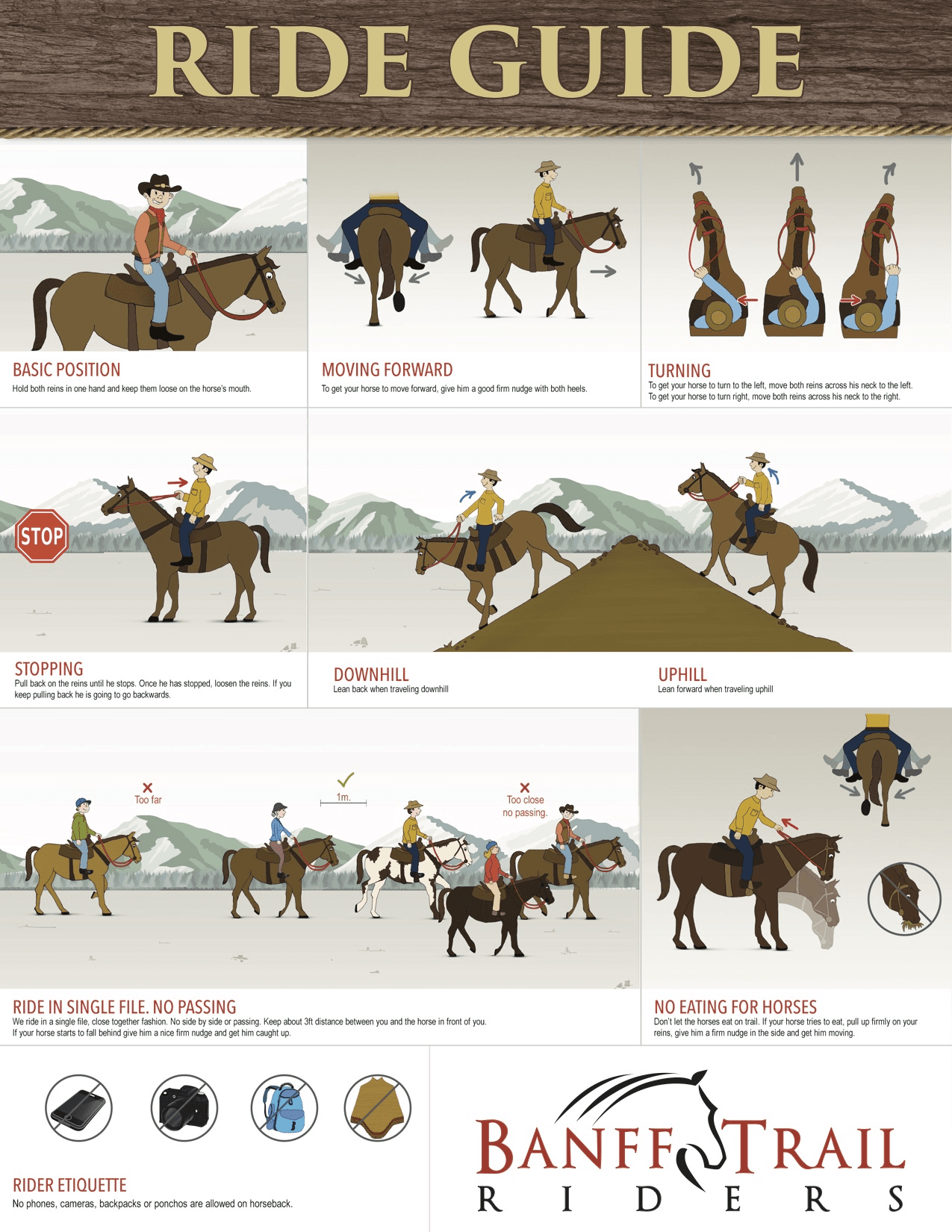
Horse riding etiquette is a fundamental aspect that every new rider should grasp to ensure a safe and enjoyable experience. Understanding the do’s and don’ts of equestrian behavior not only enhances your own skills but also promotes respectful interactions within the riding community. From proper horse care for beginners to refining your riding techniques, mastering horse riding etiquette can significantly impact both your confidence and your horse’s well-being. This guide offers valuable horse riding tips tailored for novice riders, helping you navigate the sometimes daunting world of horseback riding rules. By adhering to these principles, you will create a positive environment for yourself and your fellow equestrians.
The principles of appropriate behavior and care in equestrian sports set the foundation for enjoyable riding experiences. As a novice in this exhilarating activity, it is vital to familiarize yourself with the essential guidelines that govern interactions with horses and fellow riders. This comprehensive overview will illuminate the unwritten rules of horseback riding, often referred to as new rider etiquette, which ensures everyone’s safety and happiness. By cultivating awareness of your horse’s needs and practicing thoughtful communication, you can contribute to a more harmonious riding community. Join us as we explore the key standards of conduct necessary for every aspiring equestrian.
The Fundamentals of Horse Riding Etiquette
Horse riding etiquette serves as the foundational set of guidelines that every rider should adhere to, particularly new riders eager to integrate into the equestrian community. Understanding these fundamental rules enhances not only your riding skills but also the overall experience for you and your horse. A solid grasp of horse riding etiquette includes following proper procedures in horse handling and respecting the equine’s natural instincts. Adhering to these principles fosters a safe environment where both horse and rider can thrive.
New riders, in particular, need to familiarize themselves with the subtle nuances of horse behavior and body language. This understanding allows riders to respond appropriately in various situations, helping to create a harmonious ride. For example, recognizing when a horse is feeling anxious or stressed is crucial; addressing these emotions early can prevent potential issues on the trail or in the arena.
Do’s and Don’ts: A Guide to New Riders Etiquette
Every new rider should maintain a clear understanding of the do’s and don’ts of horse riding etiquette. Among the ‘do’s, establishing a good rapport with your horse is paramount. Riders should take the time to bond with their horses through grooming, leading, and other handling techniques. This bond ensures that the horse trusts the rider, leading to more enjoyable rides. On the other hand, the ‘don’ts’ often highlight common pitfalls, such as rushing your horse or neglecting safety gear. Remember, safety should always be the priority during every riding outing.
It’s essential that new riders communicate clearly with fellow equestrians. This includes announcing intentions while riding, whether you plan to stop or change direction. Effective communication prevents confusion and accidents in group rides. Conversely, riders should avoid focusing on distractions, like mobile devices, while riding. This lack of attention can lead to dangerous situations, not only for the rider but for everyone around, including their horse.
The Role of Horse Care for Beginners
Horse care for beginners encompasses a variety of essential practices that help ensure the well-being of the horse while also enhancing riding experiences. Understanding basic needs, such as proper feeding, grooming, and health checks, is vital for any novice rider. These foundational skills help establish a basis of trust and respect between rider and horse, integral elements for a harmonious partnership. Riders should learn about their horse’s specific dietary and grooming needs to cater to them effectively.
Additionally, incorporating regular health assessments into your horse care routine is invaluable. Beginners should partner with qualified veterinarians and equine specialists to stay informed on best practices for health and well-being. Knowledge of common ailments and the latest veterinary advice can significantly enhance a rider’s confidence and competence, allowing them to respond quickly if their horse shows signs of distress.
Mastering Equestrian Behavior
Mastering equestrian behavior is key to becoming a skilled rider who actively contributes to the riding community. Equestrian behavior includes understanding how to interact appropriately with other riders, trainers, and horses. New riders are encouraged to engage respectfully and be mindful of others’ experiences and skills. This establishes a culture of mutual support that is incredibly important in equestrian environments.
Moreover, being aware of one’s own behavior will reflect positively on the riding community at large. New riders should prioritize learning from their surroundings and acknowledging the contributions of more experienced riders. This not only accelerates the learning process but strengthens bonds within the equestrian community by promoting a cooperative atmosphere.
Essential Gear for Horse Riding Etiquette
Wearing the proper gear is a critical component of horse riding etiquette. New riders must understand the importance of investing in quality riding attire, which includes helmets, boots, and appropriate clothing to prevent injuries and enhance comfort. Helmets are particularly vital; they not only protect the rider during unexpected falls but also set a standard for safety that others in the community may follow.
Furthermore, wearing proper clothing helps in maintaining focus and coordination while riding. For example, wearing fitted pants and riding boots minimizes the risk of chafing and provides essential grip in the saddle. By prioritizing proper gear, new riders promote a culture of safety and responsibility that can influence fellow riders, creating a safer environment for everyone involved.
Understanding the Riding Instructor’s Role
The role of the riding instructor is pivotal in helping new riders grasp the nuances of horse riding etiquette. Engaging with a qualified instructor can provide valuable feedback and tailored guidance to ensure proper etiquette is followed. Instructors not only teach riding techniques but also emphasize the importance of safety and respect in handling horses. They can demonstrate effective communication methods, making it clear when and how to alert fellow riders.
Moreover, instructors play a significant role in detecting novice riders’ weaknesses and presenting opportunities for improvement. This oversight not only builds confidence but also enhances the learning process, ensuring that riders develop a well-rounded skillset, including proper horse handling, etiquette, and safety awareness that will benefit them throughout their riding journey.
Common Mistakes New Riders Make
New riders often encounter several common pitfalls that can hinder their progress in the equestrian world. A frequent mistake is disregarding the needs and feelings of the horse. Ignoring a horse’s body language may lead to poor communication and potential accidents, highlighting the necessity of understanding equestrian behavior. Awareness of your horse will foster a learning environment where both rider and horse can grow together.
Additionally, new riders may overwhelmed by their excitement to ride, leading to hasty decisions or inadequate preparation. It’s important to take one’s time acclimatizing to the horse and the riding environment. Taking a moment to assess the situation, ensuring everything is in order before commencing a ride, can prevent many common issues.
Encouraging Community in Equestrian Spaces
Creating a welcoming and inclusive community among new riders is vital for fostering a positive riding atmosphere. Experienced riders can mentor novices, sharing insights and personal experiences that help build confidence and competence. This exchange of knowledge not only enriches community ties but also ensures that etiquette and care practices are upheld across all levels, benefiting both new and seasoned riders alike.
Furthermore, organizing community events such as group rides, workshops, and informal gatherings can strengthen connections among riders. Such activities encourage collaboration, helping riders learn from one another while simultaneously promoting the essential etiquette standards needed for a thriving riding environment.
Integrating Horse Riding Etiquette Into Everyday Practices
Integrating horse riding etiquette into everyday practices can lead to a more fulfilling riding experience. As new riders become accustomed to the do’s and don’ts of riding, it’s imperative that they incorporate these lessons into their regular routines, both on and off the horse. Establishing daily rituals around horse care and respect can solidify these principles, ultimately enriching the rider’s relationship with their horse.
Moreover, consistently practicing good etiquette reinforces positive behaviors within the community. These actions might include supporting fellow riders, maintaining a respectful distance while riding, and engaging politely in discussions about riding techniques. By embodying good etiquette, new riders not only enhance their skills but also contribute positively to the equestrian culture surrounding them.
The Journey to Becoming a Proficient Rider
The journey to becoming a proficient rider is a continuous process filled with learning opportunities. New riders should embrace the mindset of lifelong learning, understanding that mastering horse riding etiquette takes time and practice. Each ride serves as a teaching moment, where riders can reflect on their experiences and make adjustments for improved interactions with their horse and the environment.
Additionally, engaging in continuous education – whether through formal lessons, workshops, or community events – will aid in developing a comprehensive understanding of horse care and riding techniques. This commitment to growth encourages respect for the equestrian community and helps to uphold high standards of horse riding etiquette that benefit all riders.
Frequently Asked Questions
What are the essential horse riding etiquette rules for new riders?
New riders should familiarize themselves with basic horse riding etiquette rules such as respecting personal space, wearing proper riding gear, learning basic horse handling skills, communicating clearly with their horse and fellow riders, and staying aware of their surroundings.
Why is horse riding etiquette important for safety?
Horse riding etiquette is crucial for safety as it promotes a respectful relationship between the rider and horse while ensuring the well-being of all riders in the community. Proper etiquette helps prevent accidents and eases the horse’s stress.
How can new riders learn proper equestrian behavior?
New riders can learn proper equestrian behavior by engaging with qualified riding instructors, participating in group lessons, and actively observing experienced riders to understand the do’s and don’ts of horse riding etiquette.
What should new riders avoid in terms of horse riding etiquette?
New riders should avoid rushing, assuming familiarity with other riders, ignoring their horse’s needs, using their phones while riding, and reacting abruptly in fright to ensure a safe and enjoyable horseback riding experience.
What is the role of communication in horse riding etiquette?
Clear communication in horse riding etiquette is essential for coordinating movements between the rider and horse, as well as among riders. This includes using voice commands and body signals to indicate changes in direction or speed.
How should new riders approach horses to respect their personal space?
New riders should approach horses calmly and from the side, maintaining a respectful distance to avoid startling them. This practice is an important part of horse riding etiquette and enhances trust between the rider and horse.
What gear is considered essential for following horse riding etiquette?
Essential gear for horse riding etiquette includes a properly fitting helmet, riding boots, and appropriate clothing. Wearing the right equipment not only ensures safety but sets a good example within the riding community.
How can awareness of surroundings enhance horse riding etiquette?
Being aware of your surroundings while riding helps prevent accidents. It allows riders to anticipate the actions of other horses and riders, facilitating safer interactions and adherence to horse riding rules.
What are some common mistakes to avoid regarding horse care for beginners?
Common mistakes beginners should avoid include neglecting horse behavior cues, failing to provide adequate care, and disregarding riding etiquette rules. Understanding your horse’s needs is an essential aspect of responsible horse care.
How can engaging with the equestrian community improve horse riding etiquette?
Engaging with the equestrian community allows new riders to share knowledge, learn from experienced riders, and build a supportive network. This collective experience helps all participants enhance their understanding of horse riding etiquette.
| Aspect | Do’s | Don’ts |
|---|---|---|
| Personal Space | Respect the horse’s personal space by approaching calmly from the side. | Don’t startle the horse by approaching from behind or too quickly. |
| Proper Gear | Wear a fitting helmet, riding boots, and suitable clothing for safety. | Don’t ride without appropriate safety gear. |
| Basic Skills | Learn leading, tying, grooming, and mounting for better trust and confidence. | Don’t ignore foundational horse-handling skills. |
| Clear Communication | Use voice and body language to communicate with riders and your horse. | Don’t be silent; always indicate your actions or directions clearly. |
| Awareness of Surroundings | Stay aware of your environment to prevent accidents. | Don’t focus solely on yourself; remember other riders and obstacles. |
| Pacing | Take your time to adjust to your horse and the environment. | Don’t rush your horse or yourself in the riding process. |
| Introduction | Introduce yourself and share your experiences with others. | Don’t assume others know your riding level. |
| Horse’s Needs | Pay attention to your horse’s comfort and body language. | Don’t ignore signs of discomfort from your horse. |
| Focus | Concentrate on riding without distractions. | Don’t use your phone while riding—maintain focus. |
| Handling Fright | Calmly steer your horse away from sources of fear. | Don’t pull back on the reins in panic; it can worsen the situation. |
Summary
Horse riding etiquette is a fundamental aspect of enjoying a safe and respectful riding experience. By adhering to the outlined do’s and don’ts, new riders can cultivate a positive atmosphere for themselves and their horses while building strong and respectful relationships within the equestrian community. Mastering proper etiquette not only enhances personal safety but also fosters confidence and trust between the rider and their horse, ensuring an enjoyable riding journey. Remember that continuous learning and reflection on experiences are key to becoming a knowledgeable and courteous rider.