Horse riding styles present a fascinating array of techniques and methods, defining the rider’s experience with their equine companion. Two of the most popular styles are Western riding and English riding, each embodying its own unique culture and traditions. Western riding, rooted in the practical needs of cowboys, showcases a more relaxed approach, while English riding emphasizes precision and control within a competitive setting. Understanding the differences between these equestrian styles, including saddle differences and riding techniques, is essential for anyone looking to choose the right style for their needs. Whether you are drawn to the casual nature of Western or the disciplined aura of English riding, exploring these styles can enrich your horseback riding journey.
Exploring the various approaches to horseback riding unveils a rich tapestry of traditions and techniques that define equestrian disciplines. Known for their distinct characteristics, Western and English riding cater to different experiences and riding philosophies. The former is deeply integrated with cowboy culture and practicality, while the latter draws from European heritage and formal competition. Discovering the nuances between these horseback riding techniques, from saddle differences to riding postures, can greatly enhance one’s understanding of the sport. Whether for leisure or competition, each riding style offers unique insights and opportunities for riders to bond with their horses.
Introduction to Horse Riding Styles
Horse riding is not merely a sport; it embodies a rich tradition and a variety of styles that cater to different preferences and purposes. Understanding the various horse riding styles can significantly enhance your riding experience, whether you are a beginner or a seasoned equestrian. From the relaxed, adventurous spirit of Western riding to the precision and discipline of English riding, each style offers its own unique set of principles and techniques.
While horse riding may seem like a universal experience, the distinction between different equestrian styles is crucial for riders looking to maximize their connection with their horse. The two primary forms of riding, Western and English, serve diverse purposes and require specific skills, equipment, and training. By exploring these styles, riders can find the path that best aligns with their goals, environment, and personal preferences.
Understanding Western Riding Techniques
Western riding is characterized by its practical approach, originally shaped by the needs of cowboys and ranch activities. Riders adopt a more relaxed seat, which not only promotes comfort during long hours in the saddle but also allows for better communication with the horse through subtle shifts in body weight. Riders often use leg cues and the weight of their body to guide their horse, fostering a natural partnership.
The Western saddle plays a significant role in this style of riding, designed to provide ample support and comfort for both horse and rider. Its larger stirrups facilitate a solid base and help riders maintain stability when navigating different terrains. Western riders often engage in activities such as cattle herding and rodeo events, where the emphasis on durability and ruggedness is paramount. Overall, mastering Western riding techniques requires ongoing practice and a deep understanding of both the horse’s behavior and the rider’s role.
The Art of English Riding
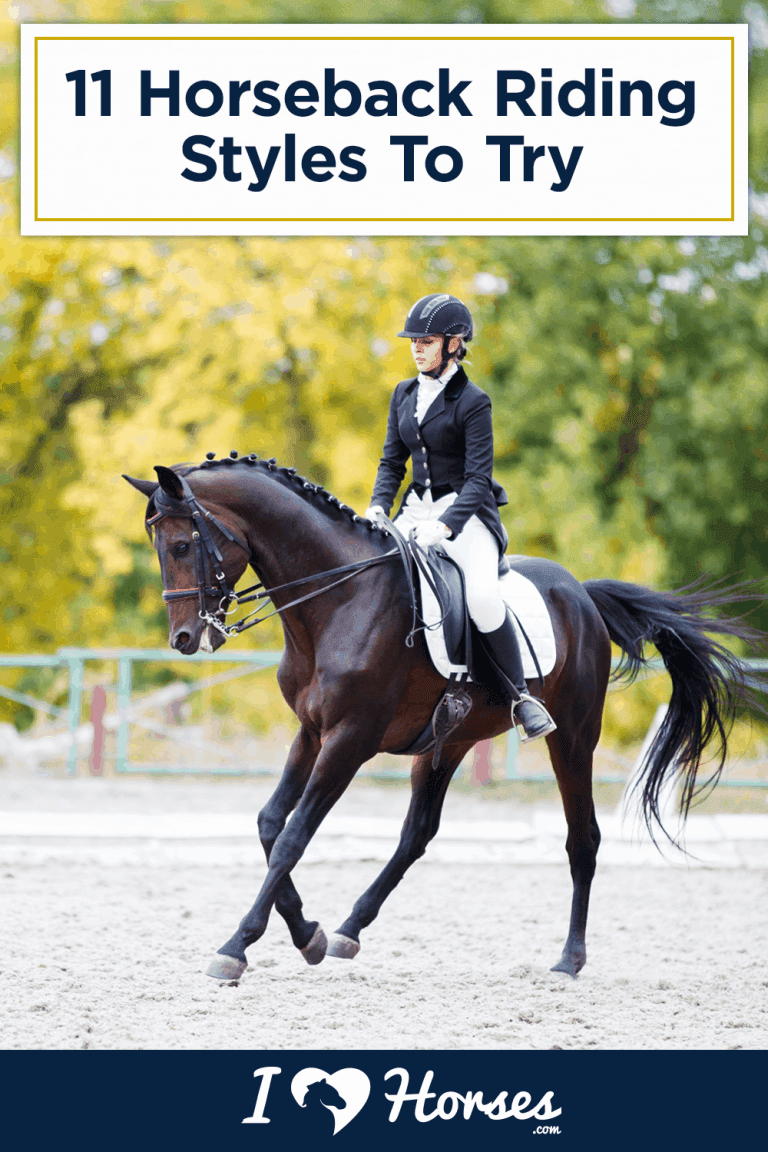
English riding, on the other hand, showcases an emphasis on control, precision, and elegance. Originating from European traditions, it is often tied to competitive events, including dressage, show jumping, and eventing. Riders are trained to maintain consistent contact with the horse’s mouth, communicated through snaffle bits, which allows for precise cues and direction.
Perhaps one of the key distinctions in English riding lies in the design of the saddle. Unlike Western saddles, English saddles are more streamlined and fitted, promoting a closer contact feel that enhances communication between horse and rider. This proximity encourages clear, subtle signals and a level of finesse that is vital to successful execution during competitions. English riders must develop a strong understanding of their horse’s movements, making their training journey an intricate dance of partnership and skill.
Comparing Western and English Riding Gear
The gear used in Western and English riding plays a critical role in the functionality and comfort of each style. Western saddles are known for their broad design and presence of a horn, suitable for long rides and ranch work. These saddles are built with comfort in mind, making them ideal for riders engaged in extended outdoor activities. Additionally, Western gear often includes pieces like larger stirrups and heavy-duty bridles that cater to the demands of cattle handling.
In contrast, English riding gear is specifically tailored to improve rider responsiveness and connection to the horse. The English saddle’s design is meant to streamline the rider’s communications, fostering a close relationship that is crucial in competitive environments. Thin stirrups allow for greater leg mobility, while lighter bridles provide ease in control without sacrificing responsiveness. This distinction in equipment highlights the unique approaches and methodologies inherent in each riding style.
Communication Techniques in Horse Riding
Communication is pivotal in horse riding, influencing the effectiveness of the rider and their interaction with the horse. In Western riding, communication is often achieved through body language and leg cues, asserting control without the reliance on verbal commands. This intuitive style fosters a deep bond between horse and rider, as the horse learns to respond to the shifts in its rider’s weight and position.
Meanwhile, English riding places significant importance on subtle rein and leg cues combined with vocal commands, catering to a level of finesse within the riding technique. Riders must develop a keen understanding of their horse’s reactions to these different cues, allowing for a harmonious performance during competitions. The differences in communication between the two styles showcase the versatility of horsemanship and the adaptability required for success, regardless of the chosen discipline.
Cultural Influences in Riding Styles
The cultural backdrop of horse riding styles enriches the experience beyond mere technical skills. Western riding is often seen as a representation of the American spirit, embodying freedom, adventure, and rugged individualism. This culture is visually reflected in attire ranging from denim jackets and cowboy hats to sturdy leather boots, all representing the lifestyle that has emerged from working with horses in the open range.
Conversely, the culture surrounding English riding leans towards formality and elegance, rooted in centuries of tradition and sport. Riders dressed in tailored jackets, polished boots, and fitted riding breeches project a sense of sophistication and discipline. This uniqueness in cultural expression enriches the riding experience, allowing practitioners to embody the values and aesthetics that resonate with their chosen style.
Choosing Between Western and English Orientation
Selecting the most suitable riding style is a pivotal decision for aspiring equestrians. Riders should first consider their personal goals: whether it’s for recreational enjoyment, competitive aspirations, or practical work applications. Western riding may attract those seeking adventure and outdoor experiences, while English riding often appeals to those aiming for precision in competitive scenarios.
Furthermore, the comfort level associated with each saddle and gear is a significant factor in the decision-making process. Riders need to assess what feels best for them and how they wish to establish a connection with their horse. Environmental considerations also affect this choice—open fields favor Western riding, while arenas suit the structured nature of English riding. By evaluating these aspects, riders can make informed decisions that align with their preferences.
Importance of Quality Training in Horse Riding
No matter the style of horse riding pursued, quality training is essential for developing skills and ensuring safety. Prospective riders should seek out instructors with specialized knowledge in either Western or English disciplines. Well-experienced trainers can provide critical insights into techniques, safety measures, and the nuances of horse behavior, greatly enhancing the rider’s understanding.
Additionally, involvement in local riding clubs or equestrian groups can facilitate networking opportunities, camaraderie, and access to various events. Participating in these activities allows riders to refine their skills, gain varying perspectives on both riding styles, and build lasting relationships within the equestrian community. Quality training serves as the foundation upon which riders can build a successful and fulfilling journey in horse riding.
The Thrill of Competing in Horse Riding Events
For many riders, competing can add another layer of excitement and purpose to their horseback riding experience. Western-style events like rodeos celebrate the traditional skills of ranch work, showcasing activities such as bull riding, barrel racing, and roping, which require both rider skill and horse aptitude. These events highlight the athleticism needed for Western riding, bringing together the spirit of competition and the cultural heritage of the cowboy lifestyle.
In contrast, English riding offers a different competitive atmosphere, with events centered around disciplines like dressage, show jumping, and cross-country events. Competitors are judged on precision, performance, and overall presentation, providing a stark contrast to the rugged nature of Western competitions. The structure and focus on refinement in English competitions challenge riders to develop a high level of skill and partnership with their horses, making it an exhilarating and rewarding experience.
Conclusion: Embrace Your Riding Journey
In conclusion, the journey of horseback riding is as diverse as it is rich, with both Western and English styles offering unique experiences and challenges. Finding the right style involves understanding your own goals, comfort, and the relationship you wish to foster with your horse. The experiences and lessons learned from either riding style can significantly enhance personal growth, horsemanship, and enjoyment.
Encouraging riders to explore both Western and English riding not only broadens their horizons but deepens their appreciation for each discipline’s heritage. Whether drawn to the adventure of wide-open spaces or the elegance of competitive rings, every rider can find joy and fulfillment in horse riding. Embrace your riding journey, connect with your horse, and enjoy the wonderful experience that horseback riding brings.
Frequently Asked Questions
What are the main differences between Western riding and English riding styles?
Western riding emphasizes a relaxed seat, horned saddles, and less direct communication, making it ideal for long rides and cattle work. In contrast, English riding focuses on upright posture, close saddle contact, and precise communication through subtle cues, suitable for competitions like dressage and jumping.
What equipment is typically used in Western riding?
Western riding gear includes a bulkier Western saddle with a horn, larger angled stirrups for stability, and a curb bridle for leverage. This setup is designed for comfort during long rides and handling cattle.
How does an English riding saddle differ from a Western saddle?
An English saddle is designed for a closer contact feel, lacking a horn, and is often more fitted. In comparison, a Western saddle is bulkier, has prominent horns for roping, and offers more comfort for long durations.
What disciplines fall under English riding styles?
English riding styles include various disciplines such as dressage, show jumping, eventing, and fox hunting. Each of these requires specific skills and techniques for effective communication with the horse.
Which riding style is better for beginners: Western or English riding?
Both Western and English riding can be suitable for beginners. However, Western riding may offer a more relaxed learning experience due to its casual seat and handling methods, while English riding emphasizes precision and control from the start.
What does communication look like in Western riding compared to English riding?
In Western riding, communication is achieved using body weight and leg movements for cues, whereas English riding relies on subtle rein signals and voice commands for precise control.
Can you switch between Western and English riding styles?
Absolutely! Many riders explore both Western and English riding styles as each offers unique skills and experiences. Transitioning requires practice to adapt to the different techniques and equipment.
Are there specific attire requirements for Western and English riding styles?
Yes, Western riding typically includes denim jeans, cowboy hats, and boots, reflecting its rugged nature. English riding attire emphasizes elegance with tailored jackets and fitted breeches suitable for shows.
What are some common horseback riding techniques used in Western riding?
Common techniques in Western riding include using leg pressure for cues, maintaining a relaxed seat for balance, and understanding how to effectively use a curbed bit for communication with the horse.
How can I decide which riding style to pursue: Western or English?
When choosing between Western and English riding, consider your riding goals, preferred communication methods with horses, comfort with different saddles, and the environments where you’ll be riding.
| Aspect | Western Riding | English Riding |
|---|---|---|
| Origins | Derived from cowboy practices in the American West. | Rooted in European traditions for hunting and military. |
| Saddle Design | Flatter and bulkier, with a horn for roping. | Fitted, without a horn, for closer contact with the horse. |
| Riding Position | Relaxed, allowing freedom of movement for the horse. | Upright posture with consistent contact. |
| Communication Style | Emphasizes body weight and subtle leg cues. | Focuses on precision and subtle cues using reins. |
| Typical Events | Mainly linked to rodeo and ranch work. | Associated with competitions like dressage and jumping. |
| Cultural Aesthetics | Represents freedom with casual attire. | Emphasizes tradition and elegance in attire. |
Summary
Horse riding styles encompass a variety of techniques and cultural backgrounds, with Western and English riding being the most prominent examples. Western riding is rooted in the practical needs of cowboys, emphasizing a more laid-back approach aimed for functional tasks over long distances. In contrast, English riding focuses on precision and control, often seen in competitive settings. Each style brings unique experiences tailored to the rider’s preferences, from gear choices to communication methods with the horse. Ultimately, choosing between Western and English riding should align with your personal goals and the kind of relationship you wish to cultivate with your equine partner.