
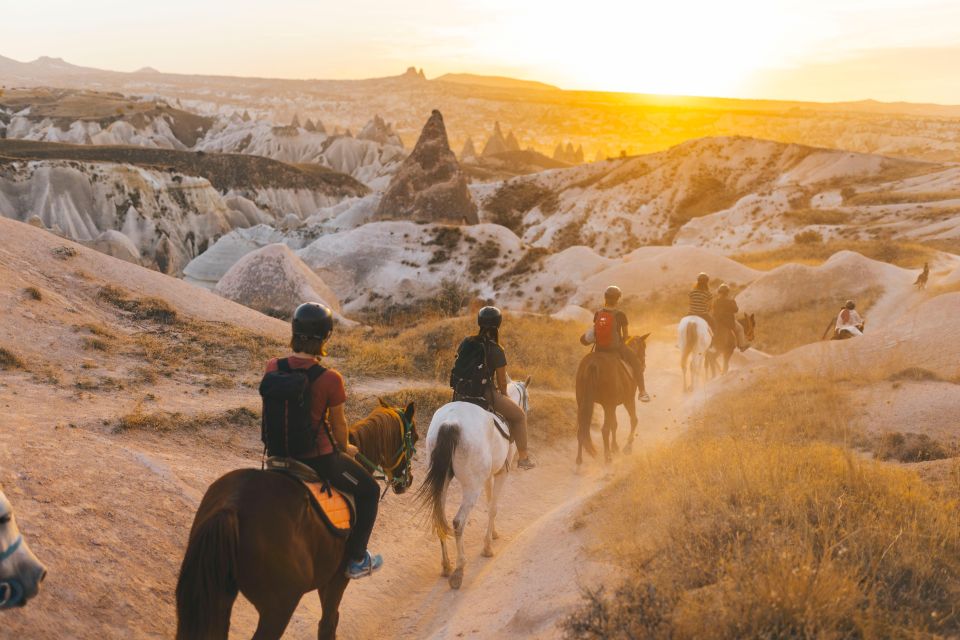
Horse riding experience is an exhilarating pursuit that transcends mere activity, inviting riders to connect deeply with nature and the majestic creatures beneath them. Whether you’re a novice seeking horseback riding for beginners tips or an experienced equestrian wanting to refine your advanced equestrian techniques, horse riding offers a transformative adventure. The benefits of horse riding extend far beyond physical health; they encompass emotional well-being, confidence building, and social interaction within the equestrian community. From enjoying horseback riding outdoors to mastering enjoyable horse riding styles, this journey is filled with opportunities for personal growth and exploration. In this article, we will explore the diverse aspects of horse riding and provide insightful tips to enhance your riding experience at any level.
Engaging in equestrian activities creates a unique opportunity to form a powerful bond with horses while unlocking the thrill of riding. From the pleasure of taking your first ride to advancing in complex horsemanship techniques, every engagement offers fresh insights and experiences. This guide serves as an essential resource not only for those new to this captivating world but also for seasoned riders looking to deepen their understanding of equine interaction. Diving into the enriching world of horseback riding provides a plethora of advantages, such as improved coordination, balance, and emotional resilience, all while fostering a deep connection with nature. Join us as we navigate the exciting journey of horseback riding, highlighting important tips and techniques that cater to various skill levels.
The Benefits of Horse Riding
Horse riding provides numerous physical and mental health benefits, making it an ideal form of exercise for individuals of all ages. Engaging with a horse strengthens the core and improves balance and coordination. Moreover, the act of riding promotes cardiovascular health as it increases the heart rate and enhances endurance. This combination of physical activity not only helps riders maintain fitness but also contributes to improved posture and flexibility.
In addition to physical benefits, horse riding also has profound emotional advantages. Riding offers a sense of freedom and an escape from daily stresses. The bond formed between horse and rider fosters confidence, responsibility, and empathy. Studies suggest that interacting with horses can significantly reduce anxiety and loneliness, making horseback riding a therapeutic outlet for many.
Essential Horse Riding Tips for Beginners
For beginners eager to embark on their horse riding journey, understanding the foundational skills is paramount. Start by selecting a reputable riding school that adheres to safety standards and employs qualified instructors. This guidance will provide a strong base for your development as a rider. Additionally, learning the basics of horse care, including grooming and saddling, not only ensures safety but also nurtures a positive relationship with the horse.
Wearing appropriate riding attire is crucial for safety and comfort. A well-fitted riding helmet and suitable boots are non-negotiable requirements that protect the rider. Furthermore, practicing proper posture and balance while riding will set you on the path to becoming a competent equestrian, allowing you to enjoy your horse riding experience to the fullest.
Advanced Equestrian Techniques to Master
As riders progress, incorporating advanced techniques into training becomes essential. Learning lateral movements, or the ability for the horse to move sideways, requires significant skill and communication with the horse. This technique not only enhances the rider’s control but also deepens the bond between horse and rider, as it requires trust and understanding.
Moreover, mastering lead changes, where a horse switches the lead it is using while in motion, is another highly regarded skill in the advanced equestrian world. Practicing these techniques during lessons not only refines riding abilities but also prepares riders for competitions, where such skills are often evaluated.
Enjoyable Horse Riding Experiences in Nature
Horse riding outdoors brings unparalleled joy as it allows riders to connect not only with their horses but also with nature. Riding through scenic landscapes, whether it’s lush forests or open fields, enhances the overall experience, providing stunning views and a sense of freedom. Outdoor riding offers opportunities for adventure, with each trail presenting a new challenge and discovery.
Additionally, outdoor horseback riding can often lead to communal experiences, such as trail rides with fellow riders. These social interactions improve one’s horse riding experience as they share stories, techniques, and advice. The camaraderie formed in such settings enriches the joy of equestrianism, making each outing memorable.
Understanding Horse Behavior and Communication
A significant aspect of successful horse riding lies in understanding equine behavior and communication. Horses are incredibly perceptive animals—they can sense their rider’s emotions, which impacts their performance. By learning to read their body language, riders can better respond to their horse’s needs, enhancing their overall experience while promoting a safe environment.
Moreover, establishing a strong trust bond with a horse often depends on how well a rider interprets these behavioral cues. Investing time in groundwork—such as grooming and leading—before riding helps create a responsive and obedient partner in the saddle, making for a more enjoyable riding experience.
The Importance of Regular Riding Practice
Consistency is key in horse riding, as regular practice is essential for skill advancement. Establishing a routine that includes various riding exercises helps riders develop muscle memory and confidence in their abilities. Whether it’s practicing basic trots or tackling advanced jumps, consistent riding fosters improvement and becomes more rewarding with each session.
Additionally, repeating specific techniques allows riders to analyze their progress. Keeping a riding journal can be beneficial in tracking improvements, noting goals, and recognizing areas that need further development. By regularly dedicating time to practice, riders will inevitably enhance their horseback riding skills and overall enjoyment.
Finding the Right Horse Riding Community
Finding a supportive horse riding community can significantly enhance your experience. Connecting with fellow equestrians allows for the exchange of tips and techniques, often creating opportunities for group rides or local competitions. Engaging in such communities fosters friendships that can last a lifetime and provides a support network during challenging riding phases.
Community involvement can also expose riders to various riding disciplines, encouraging exploration beyond the traditional forms of riding. Whether you’re interested in dressage, eventing, or trail competitions, connecting with others can inspire new challenges, keeping the passion for horse riding alive.
Setting Riding Goals for Skill Development
For riders looking to further their skills, establishing clear and achievable riding goals is essential. Goals may range from mastering a new technique to participating in a local equestrian event. Setting specific targets not only provides motivation but also enhances the rider’s focus during practice sessions.
Moreover, revisiting and revising goals periodically ensures that riders remain engaged and challenged. This process fosters accountability and may even lead to discovering new interests or skills within the realm of equestrianism. Setting and achieving goals can create a fulfilling sense of accomplishment, amplifying the joys of horse riding.
The Therapeutic Benefits of Horse Riding
Horse riding is widely recognized for its therapeutic benefits, providing emotional and psychological support to individuals. The rhythmic motions of riding, combined with the connection to a living being, can significantly alleviate stress and anxiety. Horses have a unique ability to react to human emotions, often providing a calming effect that helps riders find peace.
Additionally, therapeutic riding programs cater to various needs, including physical disabilities and mental health challenges. Engaging in equestrian activities within these programs not only encourages physical activity but also promotes social interactions and personal growth. This multifaceted approach to therapy through horse riding continues to establish its importance in wellness practices.
Frequently Asked Questions
What are the essential horse riding tips for beginners?
For beginners, essential horse riding tips include choosing a reputable riding school, wearing appropriate gear like a well-fitted helmet and boots, learning basic horse terminology, establishing trust with the horse through grooming, and practicing good balance and posture in the saddle.
What are the benefits of horse riding for physical health?
The benefits of horse riding include improved cardiovascular fitness, enhanced muscle strength, better balance and coordination, and increased flexibility. Regular riding can also boost mental health by reducing stress and promoting overall well-being.
How can beginners enjoy horseback riding?
Beginners can enjoy horseback riding by focusing on building a strong bond with their horse, learning at their own pace, taking scenic rides outdoors, and participating in fun, structured lessons that promote a relaxed and enjoyable environment.
What advanced equestrian techniques should experienced riders learn?
Experienced riders should consider learning advanced equestrian techniques such as lateral movements, flying changes, lead changes, and proper groundwork exercises to deepen their riding skills and improve their horse’s responsiveness.
What is the best way to start horseback riding for beginners?
The best way to start horseback riding for beginners is by enrolling in a well-reviewed riding school, taking introductory lessons from qualified instructors, and spending time interacting with horses to gain comfort and understanding of basic equestrian practices.
What are enjoyable horse riding activities for all skill levels?
Enjoyable horse riding activities for all skill levels include trail riding through beautiful landscapes, participating in local riding clinics to learn new techniques, and engaging in friendly competitions or community events that celebrate equestrianism.
How can I prepare for my first horseback riding lesson?
To prepare for your first horseback riding lesson, wear suitable riding clothes, arrive early to familiarize yourself with the environment, bring necessary gear (like a riding helmet), and approach the horse calmly to help establish a trusting relationship.
What can intermediate riders do to enhance their horse riding skills?
Intermediate riders can enhance their skills by riding regularly, taking lessons to refine techniques, participating in new riding disciplines like jumping or dressage, and learning to read their horse’s body language for better communication.
What are some common horse riding mistakes to avoid?
Some common horse riding mistakes to avoid include improper posture in the saddle, failing to establish trust with your horse, neglecting safety gear, and rushing the learning process instead of focusing on gradual skill development.
How can I ensure my horse’s well-being while riding?
To ensure your horse’s well-being while riding, prioritize regular health checks, monitor for signs of discomfort, provide proper nutrition, and incorporate rest periods into your horse’s training routine to maintain their health and happiness.
| Aspect | Key Points |
|---|---|
| Joy of Horse Riding | Horse riding connects you with nature and builds a bond with the horse, offering exhilaration and satisfaction. |
| Tips for Beginners | 1. Choose a reputable riding school. 2. Wear appropriate safety gear. 3. Familiarize with horse terminology. 4. Establish trust with your horse. 5. Practice balance and posture. |
| Tips for Intermediate Riders | 1. Take on new challenges. 2. Learn to understand your horse’s body language. 3. Ride regularly. 4. Take lessons to refine techniques. 5. Participate in clinics or camps. |
| Tips for Advanced Riders | 1. Set specific riding goals. 2. Work on advanced techniques. 3. Learn groundwork. 4. Focus on your horse’s wellbeing. 5. Connect with professionals for better care. |
Summary
Horse Riding Experience is a multifaceted journey that encompasses exhilaration, personal growth, and a deep connection with nature through the majestic bond with horses. From beginners learning the basics to advanced riders perfecting their technique, every rider can find joy and fulfillment in the unique challenges and experiences offered by equestrianism. By adhering to the outlined tips for each skill level, riders can enhance their skills, boost their confidence, and foster a nurturing relationship with their horses. Embracing the adventure of horse riding not only enriches your life but also deepens the understanding and appreciation of these magnificent animals.