
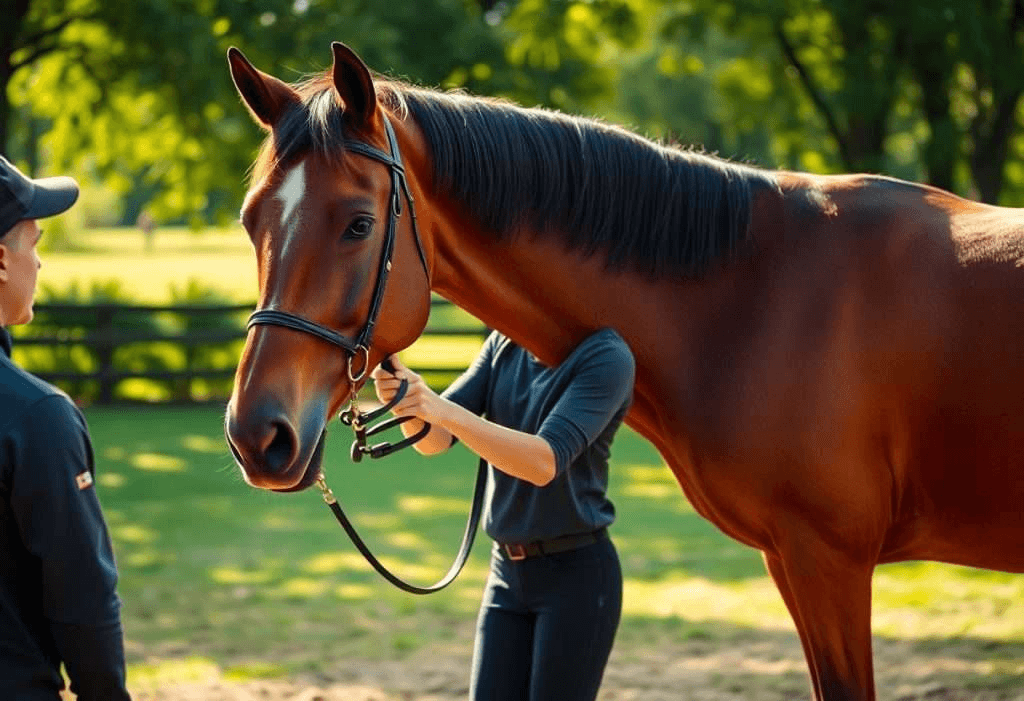
Horse behavior while riding is a crucial topic for any equestrian, particularly for beginners. Understanding how horses communicate through their body language can significantly affect your riding experience and the bond you share with your horse. From recognizing subtle signs of discomfort to acknowledging expressions of excitement, being attuned to your horse’s behavior allows for safer and more enjoyable rides. This guide will delve into the intricacies of horse behavior while riding, enhancing your awareness and enabling you to respond appropriately to your horse’s needs. By equipping yourself with this knowledge, you pave the way for a harmonious partnership with your equine companion.
When exploring the dynamics of equine behavior during riding, it’s essential to recognize that our four-legged friends possess unique ways of expressing their feelings and responses. Analyzing aspects like their reactions, body language, and mood fluctuations can unravel the mysteries behind their actions in the saddle. Additionally, understanding how to foster a trusting relationship and maintain a consistent routine helps ensure that both rider and horse feel comfortable and secure. This comprehensive approach not only improves the riding experience but also deepens the emotional connection between horse and rider. Throughout this discourse, we’ll dissect the various elements influencing horse conduct during riding sessions, guiding you towards more effective and pleasurable interactions.
Understanding Equine Body Language
Horse body language plays a crucial role in how we interpret their emotions and intentions. Riders must learn to decipher the various signals horses give, such as the positioning of their ears and tails. For instance, when a horse’s ears are pointed forward, it generally shows curiosity and attentiveness, while ears pinned back can indicate annoyance or discomfort. Understanding these cues is essential for establishing a trusting relationship with your horse, as it allows for better communication and enhances overall riding experience.
Additionally, observing the horse’s tail can provide insight into its emotional state. A relaxed tail suggests a calm horse, while a swishing tail can signal irritation or nervousness. Riding becomes a more enjoyable experience when riders can correctly interpret these physical signals. By being attentive to these signs, riders can anticipate their horse’s behavior while riding, making necessary adjustments to ensure both their and the horse’s comfort.
The Impact of Routine on Riding Behavior
Routine is essential for horses as it provides a sense of security and predictability. Horses are creatures of habit; they thrive on a consistent schedule for feeding, grooming, and riding. When routines are disrupted, horses may exhibit anxiety or confusion, which can lead to unpredictable behavior while riding. Establishing a regular riding schedule helps both you and your horse to build a mutual understanding and adjusts to each other’s natural rhythms.
By sticking to a routine, you reinforce the behaviors that contribute to a positive riding experience. Start by following a consistent pattern in your daily interactions—coming to the barn at the same time, grooming your horse similarly each time, and riding regularly in the same environment. Over time, your horse will learn to anticipate what comes next and will feel more comfortable during your rides, leading to improved performance and a stronger bond.
Building Trust and Connection with Your Horse
Building trust with your horse is foundational for any successful riding partnership. Spend quality time with your horse outside of riding to nurture that bond. Engaging in activities such as grooming and hand-walking creates familiarity and comfort. This not only helps your horse to feel secure but also allows you to better understand its unique personality and behavioral quirks. A horse that trusts its rider is more likely to respond positively during riding sessions.
Patience is key in establishing this trust. Horses may take time to adjust to new riders or environments. If a horse appears anxious or hesitant, it’s important for the rider to remain calm and supportive. Engaging in groundwork or desensitization exercises can significantly enhance your horse’s confidence. By taking steps to ensure your horse feels safe, the relationship will naturally grow, and the riding experience will become more enjoyable for both parties.
Recognizing Common Mood Swings in Horses
Like humans, horses can experience a range of emotions that affect their behavior while riding. Recognizing these mood swings is crucial for riders, as they influence how a horse reacts under saddle. A horse that seems calm and collected one moment may become startled or anxious the next. Understanding the triggers behind these mood swings—such as environmental changes, fatigue, or discomfort—can help riders anticipate behavior and manage their horse’s reactions effectively.
Regular observation is essential to identify your horse’s typical mood patterns. Consider how variables like weather, riding conditions, and even the horse’s health might affect its temperament. By keeping a keen eye on your horse, you can proactively adjust your approach during rides, ensuring a smoother experience. This proactive stance contributes not only to safety but also to fostering a deeper bond rooted in understanding.
Addressing Common Equine Misbehaviors
Misbehaviors in horses, such as bucking or spooking, often stem from fear, discomfort, or confusion. For riders, recognizing why a horse behaves in such a way is vital in addressing the issue. For example, if a horse starts bucking, it could be due to a poorly fitted saddle or discomfort that needs to be assessed immediately. Understanding these underlying causes rather than merely reacting to the behavior is essential for resolving issues effectively.
Inattention or distraction, another common behavior, can indicate the horse feels threatened or overwhelmed. Creating a calm riding environment and ensuring that both the rider and horse are comfortable can help minimize these misbehaviors. When a horse acts out, try to remain composed; your calm demeanor can influence the horse’s behavior positively. By focusing on solutions and learning from these challenges, riders can develop a more harmonious partnership with their horse.
Effective Riding Techniques for Better Behavior
Adapting your riding techniques can significantly impact your horse’s behavior while riding. Utilizing consistent aids is crucial; this means applying leg pressure, reins, and body positioning in a predictable way. Inconsistency can confuse your horse and provoke anxiety. As a rider, becoming proficient in using cues effectively will allow your horse to perform better and feel more secure, thereby fostering a positive riding experience.
In addition to consistent cues, employing positive reinforcement—rewarding your horse with treats or praise for good behavior—can greatly encourage desirable actions. This method of training bolsters your horse’s confidence and encourages them to repeat behaviors that please you, thereby establishing a more positive riding relationship. Coupled with effective riding techniques, this approach cultivates an environment where both rider and horse thrive.
Groundwork Essentials for Riding Preparation
Groundwork is instrumental in preparing your horse for riding and contributes to effective communication between horse and rider. Engaging in groundwork exercises, such as leading and lunging, establishes trust and can help alleviate nervous energy before a ride. This not only calms the horse but also helps the rider gauge their horse’s mood and readiness. By dedicating time to groundwork, riders can enhance their connection and set a positive tone for their riding sessions.
Incorporating desensitization exercises in your groundwork routine is equally important. Introducing various stimuli gently prepares your horse for unexpected moments while riding. For instance, exposing your horse to different sounds or objects during groundwork helps reduce its spookiness when confronted with similar stimuli under saddle. Overall, groundwork fosters a deeper bond and lays the groundwork—literally—for better behaviors while riding.
Promoting a Positive Riding Environment
Creating a positive riding environment is fundamental for both horse and rider. Factors such as the riding space, the presence of other horses or distractions, and the rider’s own mental state can significantly affect a horse’s behavior. Ensuring that your riding area is free from obstacles and maintaining a calm demeanor will help your horse feel secure. A tranquil environment promotes better focus and allows the horse to remain attentive to the rider’s cues.
Moreover, recognizing when a horse is overwhelmed and taking a break can significantly enhance the overall riding experience. If your horse shows signs of discomfort or anxiety, such as snorting or shifting its feet, it’s important to respond to its needs rather than push through. This responsiveness fosters trust and sets a precedent for future riding sessions, encouraging your horse to feel safe and relaxed with you.
Enjoying the Journey of Riding
The journey of becoming a skilled rider is just as important as the destination. Embrace the process of learning about horse behavior, trust-building, and effective communication with your equine partner. By taking a genuine interest in your horse’s feelings and behaviors, you not only enhance your riding experience but also create a fulfilling relationship with your horse.
Remember, every rider experiences challenges, and patience is key. Focus on celebrating small victories—whether it’s your horse responding perfectly to a cue or simply enjoying a calm ride. These moments of connection and understanding deepen the bond you share, making each ride a testament to your progress as a rider.
Frequently Asked Questions
What are the signs of horse behavior while riding that I should watch for?
Understanding horse behavior while riding involves observing signs such as ear position, tail movement, eye expression, and foot positioning. Forward ears indicate curiosity, while pinned ears suggest irritation. A relaxed tail shows calmness, while a swishing tail may indicate annoyance.
How can mood changes in horses affect horse behavior while riding?
Mood changes in horses can significantly impact horse behavior while riding. A typically calm horse may become startled or agitated due to sudden changes in the environment or discomfort. Regular observation helps anticipate these mood shifts.
Why is routine important for horse behavior while riding?
Routine is crucial for horse behavior while riding as it creates predictability for the horse. Consistent riding schedules foster trust and comfort, allowing both horse and rider to understand each other better.
How can I build trust with my horse to improve horse behavior while riding?
Building trust with your horse involves spending quality time together outside of riding. Engage in grooming, groundwork, and observing your horse’s unique personality to enhance your connection and improve overall horse behavior while riding.
What does it mean when my horse bucks during a ride?
Bucking can be a response to discomfort, fear, or excitement in horses. Assess your tack for any issues and monitor your horse’s energy levels to determine the underlying reason for the bucking behavior while riding.
How should I react to spooking behavior in my horse while riding?
When your horse exhibits spooking behavior, remain calm and composed. Ensure your horse feels secure and gradually introduce them to the source of their anxiety to help them overcome their fear.
What is the importance of consistent aids in influencing horse behavior while riding?
Using consistent aids is vital in influencing horse behavior while riding. Clear and uniform cues help your horse understand your commands and reduce confusion, leading to better responsiveness during rides.
How can positive reinforcement improve horse behavior while riding?
Positive reinforcement encourages desired horse behavior while riding by rewarding your horse with treats or praise when they respond correctly. This method helps reinforce good behavior and fosters a more cooperative riding experience.
What common misbehaviors should I expect from my horse while riding?
Common misbehaviors include nipping, refusing to move, and bolting. Each behavior may stem from fear, frustration, or discomfort, necessitating a patient approach to implement training strategies for improvement.
How can groundwork prepare my horse for better behavior while riding?
Groundwork effectively prepares your horse for riding by enhancing communication and reducing anxiety. Exercises like leading and desensitizing can help your horse feel more secure and responsive during rides.
| Key Point | Explanation |
|---|---|
| Body Language | Horses communicate through their ears, tail, eyes, and feet, each indicating their mood. |
| Mood Changes | Horses can quickly shift moods; observing their behavior helps predict these changes. |
| Importance of Routine | A consistent routine helps horses feel more secure and develop trust with their rider. |
| Building Trust | Spending time together and understanding your horse fosters a strong bond and trust. |
| Common Behaviors | Recognizing behaviors such as bucking, spooking, and inattention aids in effective riding. |
| Riding Techniques | Consistency with aids and positive reinforcement encourages good behavior and response. |
| Addressing Misbehaviors | Common issues like nipping and refusing to move require careful observation and management. |
| Groundwork Preparation | Groundwork exercises improve communication and help calm anxious horses before riding. |
Summary
Horse behavior while riding is a critical aspect to master for any new rider seeking a safe and enjoyable experience. By understanding your horse’s body language, recognizing their moods, and establishing a routine, you can build a strong, trusting relationship with your equine partner. Incorporating consistent riding techniques alongside effective groundwork will not only enhance your horse’s behavior but will also lead to a more harmonious riding experience. With patience and dedication, you will learn to interpret your horse’s needs and create a rewarding partnership.