
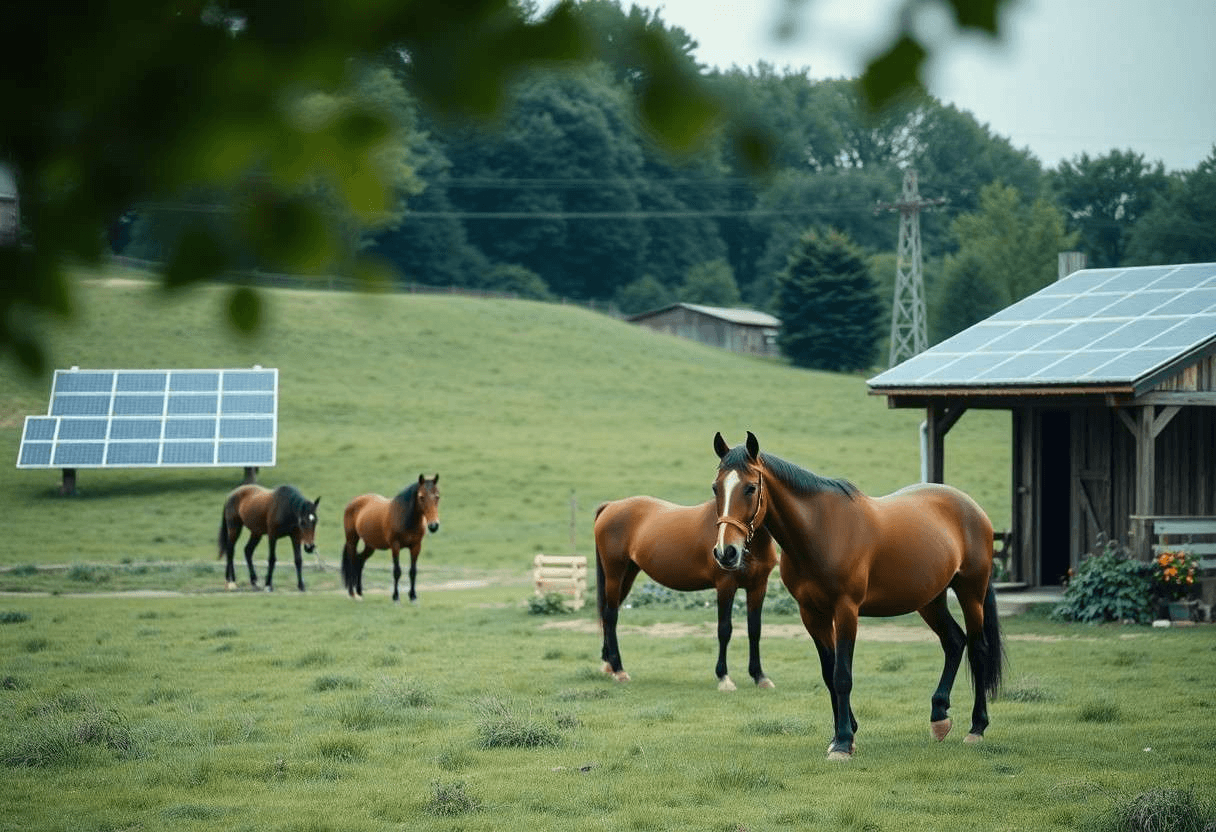
Sustainable equestrian practices are becoming increasingly essential as the equestrian community acknowledges its impact on the environment and the well-being of our horses. From eco-friendly horse care methods to sustainable horse management techniques, the journey towards greener equestrian practices not only nurtures our equine companions but also protects the natural world around us. By integrating sustainable practices into horse ownership, equestrians can create a harmonious balance between caring for horses and nature, ultimately enhancing the quality of life for both. This blog post delves into various avenues for adopting environmentally friendly equestrian strategies, proving that responsible horse management can coexist with a deep respect for the planet. Together, let’s explore how we can all contribute to a sustainable equestrian future.
In today’s equestrian world, practices centered around ecological balance and ethical animal care are gaining traction. Terms like green equestrian practices or environmentally friendly horse management encapsulate the essence of sustainability in horse care, emphasizing methods that reduce our environmental footprint. This shift towards eco-conscious habits is crucial not only for fostering healthier equines but also for ensuring a thriving ecosystem for years to come. Horse owners are increasingly looking for ways to intertwine their passion for riding with a commitment to environmental responsibility, and such dedication can be seen through innovative approaches in horse grooming, feeding, and riding. Let’s dive into the principles of sustainable horse care to understand how these initiatives positively impact both equestrians and the planet.
The Importance of Sustainable Equestrian Practices
Sustainable equestrian practices are not just a trend; they represent a necessary shift towards a more responsible approach to horse management. As the global population rises and ecological concerns intensify, it is vital for horse owners to understand the impact of their practices on the environment. Implementing sustainable methods is essential for minimizing ecological footprints while ensuring the health and welfare of our horses, which ultimately fosters a more balanced relationship between equestrians and nature.
This holistic approach to horse care benefits not only the animals but also the ecosystems in which they live. Sustainable practices such as eco-friendly horse care and green equestrian methods can lead to healthier pastures, cleaner water sources, and enriched biodiversity, allowing future generations of riders and horses to thrive in a more hospitable environment.
Environmentally Friendly Feeding Practices
Selecting locally sourced feed is a cornerstone of eco-friendly feeding practices in sustainable equestrian management. By reducing the need for long-distance transportation, horse owners can cut down on greenhouse gas emissions associated with feed delivery. Furthermore, engaging with local farmers helps support the community and promotes sustainable agricultural practices.
Integrating forage into a horse’s diet is another effective way to promote sustainability. By ensuring that horses graze on healthy pastures, owners can prevent overgrazing and land degradation, fostering a cyclical relationship that benefits both the horses and the environment. Additionally, when horse owners grow their own forage, they can have control over the growth process, ensuring that no harmful chemicals are introduced.
Efficient Waste Management Solutions
Effective waste management is a critical component of sustainable equestrian practices. Horse manure, when mismanaged, can lead to soil and water pollution, affecting local ecosystems. An efficient way to handle this waste is through composting, which transforms manure into nutrient-rich fertilizer that enriches gardens and fields without the adverse effects of chemical fertilizers.
Moreover, adopting biodegradable bedding materials enhances sustainability by avoiding the environmental burden of non-decomposable products. Regular cleaning of stables and paddocks not only keeps the environment healthy but also prevents runoff pollutants from entering local waterways, thus ensuring a better ecosystem for both equestrian and wildlife.
Eco-Friendly Grooming Practices
The grooming products we use can significantly impact the environment, prompting the need for more eco-friendly alternatives. Choosing natural grooming products can mitigate the use of harsh chemicals, which can contaminate waterways and disrupt local ecosystems. By selecting biobased shampoos and conditioners, horse owners support environmentally friendly manufacturing practices.
Additionally, utilizing reusable grooming tools made from sustainable materials contributes positively to waste reduction. For instance, brushes constructed from bamboo can decompose at the end of their lifecycle, reducing plastic waste in equestrian settings. Water conservation is another critical aspect; using sponges instead of hoses during grooming minimizes water wastage, enhancing overall sustainable horse care.
Sustainable Riding Practices for Equestrians
Sustainable riding practices encompass not only the health of the horse but also the preservation of the environment. Adopting marked trails over off-road riding minimizes ecological disruption and protects valuable habitats. By educating riders about following sustainable trail practices, equestrians can protect the soil and vegetation while enjoying their horse riding experience.
Furthermore, considering wildlife during riding times and avoiding wet areas aids in the protection of flora and fauna, promoting a sustainable coexistence with nature. Training horses to be more efficient reduces energy exertion, contributing to overall health and sustainability in riding practices.
Integrating Renewable Energy in Stables
The shift towards renewable energy sources in stables represents a significant step in sustainable equestrian management. Installing solar panels can harness sunlight to power lighting and equipment, drastically minimizing reliance on nonrenewable energy sources. This not only reduces carbon emissions but can save money in the long term as well.
Exploring additional sustainable energy solutions, such as wind energy, can further enhance the environmental responsibility of equestrian. Adopting energy-efficient appliances also plays a crucial role; by using energy-saving fixtures and devices, stables can significantly lower their electricity consumption, contributing to a greener equestrian community.
Caring for the Land and Biodiversity
Caring for horses inherently involves stewardship of the land. By practicing rotational grazing, horse owners can prevent overgrazing, promote natural grass regrowth, and support the overall health of the ecosystem. This method ensures that pastures remain productive and biodiverse, which ultimately supports a more sustainable environment for both horses and wildlife.
Protecting local water sources through careful management of paddocks and pastureland is equally important. Establishing buffer zones to prevent runoff from contaminating water supplies safeguards aquatic ecosystems, ensuring that horses and local wildlife have access to clean and abundant water resources.
Educating the Equestrian Community on Sustainability
Educating fellow equestrians about sustainable practices plays a crucial role in promoting eco-friendly horse care. Workshops and seminars focused on sustainable equestrian practices can empower horse owners to make informed decisions that benefit both their horses and the environment. By sharing knowledge, the equestrian community can foster a culture of sustainability that extends beyond individual practices.
Collaborative efforts with local farms can further enhance the impact of educational initiatives. By working together, equestrians and farmers can share resources and techniques that promote responsible land management, ultimately enriching the community’s understanding of how to coexist harmoniously with nature while caring for horses.
Future of Sustainable Equestrian Practices
The future of sustainable equestrian practices looks promising as awareness of environmental issues grows among horse owners. Adopting innovative technologies and methods will likely lead to new sustainable practices that prioritize both horse welfare and environmental stewardship. The ongoing development of eco-friendly materials for horse care and equipment will pave the way for a greener future.
As more equestrians adopt such practices, we will see a cumulative impact on our environments, suggesting a significant shift in the equestrian community. This global movement can inspire future generations to embrace sustainable horse management, ensuring that caring for horses and nature goes hand in hand, leading to a healthier planet for all.
Frequently Asked Questions
What are sustainable equestrian practices and why are they important?
Sustainable equestrian practices encompass methods that prioritize eco-friendly horse care, aiming to minimize the environmental impact of horse management. They are crucial for ensuring the wellbeing of horses and the health of the ecosystems they inhabit.
How can I implement eco-friendly horse care in my feeding routines?
Implementing eco-friendly horse care in feeding can include sourcing local hay and grains, growing your own forage, and using natural nutritional supplements, thereby reducing transportation emissions and enhancing diet quality.
What are effective waste management strategies in sustainable horse management?
Effective waste management in sustainable horse management involves composting manure, using biodegradable bedding materials, and maintaining clean stables and paddocks to prevent pollution.
What are some eco-friendly grooming practices for horses?
Eco-friendly grooming practices can include using natural grooming products, opting for reusable tools made from sustainable materials, and conserving water during grooming, all of which contribute to greener equestrian practices.
How can I practice sustainable riding while minimizing environmental impact?
To practice sustainable riding, stick to marked trails, choose riding times that minimize wildlife disruption, and train using techniques that require less exertion from your horse, promoting their health and the local ecosystem.
What renewable energy options can I use for my equestrian facility?
Consider integrating solar panels for energy needs, installing wind turbines, and using energy-efficient devices to reduce your equestrian facility’s reliance on fossil fuels and lower its carbon footprint.
How does paddock management contribute to sustainable equestrian practices?
Sustainable paddock management, such as rotational grazing, prevents overgrazing and supports natural grass regrowth, enhancing land health and biodiversity, essential aspects of caring for horses and nature.
Why is educating the community about sustainable equestrian practices important?
Educating the community on sustainable equestrian practices fosters awareness and collaboration, promoting eco-friendly horse care methods that can lead to wider adoption and greater environmental benefits.
What are some environmentally friendly equestrian practices to share with fellow horse owners?
Some practices to share include composting manure, using natural grooming products, and participating in sustainable riding trainings, all of which encourage responsible horse management and environmental stewardship.
How can caring for horses and nature go hand in hand?
Caring for horses and nature can go hand in hand by implementing sustainable equestrian practices that protect the environment, such as maintaining clean water sources and promoting wildlife habitats, benefiting both equines and ecosystems.
| Practice | Key Points |
|---|---|
| Environmentally Friendly Feeding Practices | – Buy local hay and grains. – Grow your own feed. – Use local and natural nutritional supplements. |
| Efficient Waste Management | – Compost manure. – Use biodegradable bedding. – Regularly clean stables to prevent waste buildup. |
| Eco-Friendly Grooming Practices | – Use natural grooming products. – Opt for reusable grooming tools. – Conserve water during grooming. |
| Sustainable Riding Practices | – Minimize off-road riding. – Ride responsibly to protect wildlife. – Train using sustainable techniques. |
| Renewable Energy Sources | – Install solar panels. – Investigate wind energy options. – Use energy-efficient devices. |
| Caring for the Land | – Practice rotational grazing. – Protect water sources. – Promote local wildlife habitats. |
| Educating the Community | – Organize sustainability workshops. – Share informative resources. – Collaborate with local farms. |
Summary
Sustainable equestrian practices are essential for promoting environmentally friendly horse care while enhancing the wellbeing of horses. By implementing practices such as environmentally friendly feeding, efficient waste management, and renewable energy sources, equestrians can significantly reduce their ecological footprint. Additionally, caring for the land and educating the community about sustainable methods fosters a healthier environment for all. Together, these actions promote a holistic approach to equestrianism that respects both our horses and the ecosystems we share, paving the way for a sustainable future in equestrian sports.