
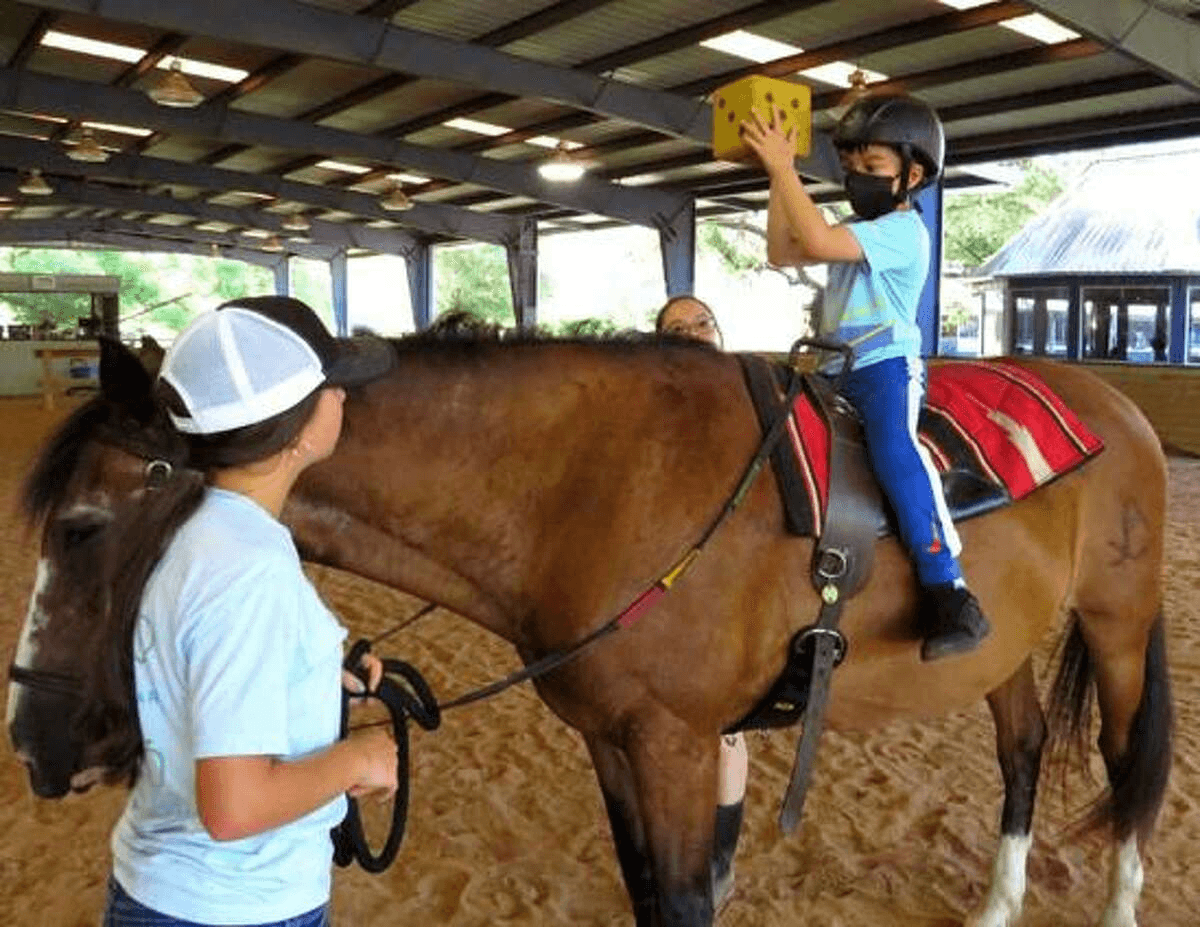
The therapeutic benefits of horseback riding have gained recognition as a powerful means of enhancing mental health, offering a unique blend of physical activity and emotional connection. Engaging with horses can significantly improve emotional well-being, allowing individuals to experience lower stress levels and greater feelings of tranquility. As riders interact with these majestic animals, they often report a sense of belonging and purpose, crucial elements for mental health improvement. Additionally, horseback riding therapy has emerged as a valuable tool for treating conditions like anxiety and depression, demonstrating how equine therapy can promote resilience. With its many advantages, incorporating horseback riding into one’s routine may lead to transformative changes in mental health.
Exploring alternative avenues for mental wellness has led to the discovery of the enriching experiences offered by equestrian activities. The practice of horse riding can be greatly beneficial as it combines physical exercise with emotional engagement, fostering positive shifts in one’s mental state. Engaging in outdoor activities such as horseback riding allows individuals to cultivate a deeper connection with nature while simultaneously improving their emotional regulation and mindfulness. Moreover, therapy involving horses has become an increasingly popular strategy for enhancing emotional well-being, providing riders with vital coping skills. This holistic approach offers promising pathways to enhancing one’s mental health through the joy of riding and bonding with these remarkable animals.
The Connection Between Nature and Mental Health
Engaging with nature is known to have profound effects on mental health, particularly when combined with the therapeutic benefits of horseback riding. Being outdoors not only promotes relaxation but also reduces the levels of stress hormones in the body, such as cortisol. When you ride a horse through serene landscapes, you are more likely to experience a calming effect that can alleviate anxiety and contribute to overall emotional well-being. The vibrant sights, soothing sounds, and pleasant scents of the natural world create a sensory experience that can enhance your mood and foster a sense of peace.
Moreover, the connection to nature through horseback riding helps ground individuals in the present moment. This mindfulness aspect is particularly beneficial for those suffering from mental health issues, allowing riders to forget their worries and simply enjoy the ride. As they become more attuned to their surroundings, riders may also develop an increased appreciation for nature, which can lead to a more positive outlook on life.
Equine Therapy: A Pathway to Healing
Equine therapy, often involving horseback riding, is an effective intervention for improving mental health. Research indicates that working with horses can help individuals manage a variety of emotional and psychological challenges, including anxiety, depression, and PTSD. The process of communicating and building a relationship with a horse fosters a unique environment of trust and empathy. Participants learn to express their feelings, which can be particularly beneficial for those who struggle with verbal communication.
These therapeutic riding programs are designed not only to improve riding skills but also to cultivate emotional resilience and self-awareness in participants. In structured sessions led by mental health professionals, individuals are guided through exercises that promote emotional growth, collaboration, and personal development. The impact of equine therapy extends to improving social skills and building confidence, making it a transformative experience for many.
Physical Activity and Mental Health Benefits
Horseback riding is a dynamic form of exercise that provides numerous benefits for mental health. Physical activity is known to release endorphins, the body’s natural mood enhancers, which can significantly reduce symptoms of stress and anxiety. By engaging in riding, individuals not only improve their physical fitness but also gain psychological advantages, making it a holistic approach to well-being. Improved coordination and physical strength contribute to a rider’s self-esteem and promote a positive self-image.
Additionally, the interactive nature of horseback riding—where riders must focus on both their own movements and the horse’s behavior—enhances cognitive functioning. This focus can help shift attention away from negative thoughts and promote a healthier mental state. The sense of accomplishment that comes from mastering riding techniques or overcoming challenges while riding further reinforces the benefits of this outdoor activity.
Building Relationships Through Horseback Riding
One of the valuable aspects of horseback riding is the relationships formed with both the horse and fellow riders. Learning to bond with a horse requires patience and understanding, traits that are essential for emotional well-being. This unique connection can teach riders important life skills, such as empathy and responsibility, as they learn to respond to their horse’s needs and emotions. Building such a bond can alleviate feelings of loneliness and promote a sense of belonging.
Moreover, participating in riding lessons or joining local equestrian clubs encourages social interaction with fellow enthusiasts. Engaging in shared interests can combat the isolation often felt by those struggling with mental health issues, providing a supportive community. These relationships foster camaraderie and facilitate discussions around shared experiences, creating an environment conducive to healing and mental health improvement.
Enhancing Self-Esteem and Confidence Through Riding
Horseback riding challenges individuals to develop skills that enhance self-esteem and confidence. Each accomplishment, whether it’s mastering a new riding technique or successfully guiding a horse through an obstacle course, contributes to a sense of empowerment. Riders often feel a surge of confidence as they navigate new challenges, which can carry over into other areas of their lives. This gradual process of overcoming obstacles builds a healthy self-image and instills a belief in one’s own abilities.
This aspect of horseback riding is especially beneficial for individuals who may have faced setbacks in their lives or are dealing with ongoing mental health issues. As riders learn to trust themselves and their horses, they develop resilience that becomes crucial in facing life’s challenges. The thrill of riding a powerful animal also creates a unique sense of freedom and joy that boosts overall emotional well-being.
The Role of Mindfulness in Horseback Riding
Mindfulness is a critical factor in promoting mental health, and horseback riding provides an excellent platform to practice this skill. Riders often find that immersing themselves in the experience allows them to engage fully with their emotions, the movements of the horse, and their environment. This heightened awareness not only enhances the riding experience but also encourages emotional regulation, which is beneficial for managing conditions such as anxiety and depression.
By focusing on the present moment, riders can detach from overwhelming thoughts and feelings that often accompany mental health challenges. This practice of mindfulness during riding sessions allows individuals to cultivate a greater understanding of their emotional states, leading to more effective coping strategies. As riders become more attuned to their emotional responses, they often find improved clarity in their thinking and decision-making processes.
Stress Reduction: The Calming Effects of Riding
Spending time with horses is known to be an effective way to reduce stress. The rhythmic movements during riding coupled with the calming presence of a horse can create a tranquil experience that alleviates anxiety. Studies suggest that interacting with animals, including horses, can lower cortisol levels and provide a sense of comfort. Thus, horseback riding creates a perfect escape from the everyday pressures of life, allowing riders to unwind and relax.
Moreover, the structured routine of caring for and riding a horse contributes to the development of a consistent outlet for stress relief. For many individuals, this routine becomes a sanctuary where they can momentarily set aside their worries. The skills learned through riding, such as patience and calmness, also translate into better handling of stress in everyday situations, therefore enhancing overall mental resilience.
Therapeutic Riding Programs and Emotional Support
Therapeutic riding programs provide structured environments where individuals can engage in horseback riding as a means of emotional and psychological support. These programs, often facilitated by licensed therapists, use equine assistance to address specific mental health concerns such as PTSD, depression, and anxiety. By participating in therapeutic riding, individuals learn to cope with their emotions and develop new skills that promote mental health improvement.
The sessions not only focus on riding skills but also emphasize communication and relationship-building, essential components for emotional healing. Participants learn to trust themselves and their horses, which can lead to improved self-esteem and confidence. The supportive environment of these programs fosters personal growth and can be life-changing for many involved.
Exploring the Benefits of Outdoor Activities for Mental Well-being
Engaging in outdoor activities, such as horseback riding, is particularly beneficial for mental health. The combination of physical exercise and the natural environment promotes an overall sense of well-being. Outdoor settings provide a unique backdrop that encourages relaxation and mindfulness, making activities more enjoyable and effective in improving mood.
Moreover, outdoor activities often facilitate social interactions that can combat loneliness and enhance community connections. The shared experiences in outdoor settings offer opportunities to bond with others, fostering a sense of belonging and support. Whether through riding programs, equestrian clubs, or casual rides with friends, these connections can significantly enhance one’s emotional health and promote mental wellness.
Frequently Asked Questions
What are the mental health benefits of horseback riding?
Horseback riding offers numerous mental health benefits, including reduced stress and anxiety levels, improved emotional well-being, and the enhancement of mindfulness. Riders often experience a boost in mood and a deeper connection with nature, which contributes to overall mental health improvement.
How does horseback riding therapy aid emotional well-being?
Horseback riding therapy, commonly known as equine therapy, promotes emotional well-being by fostering strong bonds between riders and horses. This interaction helps individuals develop empathy, patience, and emotional regulation, which are essential for managing mental health conditions.
Can equine therapy help with anxiety and depression?
Yes, equine therapy has been proven effective in helping individuals cope with anxiety and depression. The calming presence of horses and the physical activity involved in horseback riding can significantly alleviate symptoms and enhance mental health.
What role does outdoor activity play in the therapeutic benefits of horseback riding?
Outdoor activities, such as horseback riding, are highly beneficial for mental health. Being in nature reduces stress levels, elevates mood, and supports a sense of peace and well-being, which are crucial therapeutic elements of horseback riding.
How does horseback riding increase self-esteem and confidence?
Engaging in horseback riding allows individuals to overcome challenges and achieve small victories, which build self-esteem and confidence. Mastering riding techniques and building trust with the horse empowers riders, positively impacting their self-image.
What are the social benefits of horseback riding for mental health?
Horseback riding encourages social interaction, fostering relationships with horses and other riders. This sense of community and support is vital for mental health improvement, combating feelings of isolation and loneliness.
What is the impact of horseback riding on stress reduction?
Horseback riding is an excellent way to reduce stress. The rhythmic motion of riding and the bond with the horse can lower cortisol levels, promoting relaxation and a clearer mindset, beneficial for managing daily pressures.
How does horseback riding improve mindfulness?
Riding naturally cultivates mindfulness by requiring riders to remain present in the moment. This focus enhances emotional awareness, aiding in the management of stress and anxiety, and promoting overall mental well-being.
What specialized programs are available for therapeutic horseback riding?
There are many specialized therapeutic horseback riding programs led by certified instructors and mental health professionals. These programs focus on using equine-assisted therapy to help individuals with PTSD, anxiety, depression, and other mental health challenges.
How does caring for a horse contribute to mental health improvement?
Caring for a horse involves responsibilities and nurturing behaviors that can enhance mental health. This relationship fosters resilience, coping skills, and emotional growth, making it a valuable component of horseback riding therapy.
| Key Points | Descriptions |
|---|---|
| Connection with Nature | Promotes mindfulness, reduces stress, and enhances overall well-being. |
| Increased Physical Activity | Boosts endorphin levels, improving mood and physical fitness. |
| Building Relationships | Fosters empathy and community, combating feelings of isolation. |
| Therapeutic Riding Programs | Supports individuals facing mental health challenges through structured therapy. |
| Enhanced Self-Esteem and Confidence | Overcoming challenges in riding leads to greater self-belief. |
| Stress Reduction | Calms the mind and reduces cortisol levels through horse interaction. |
| Mindfulness and Emotional Awareness | Improves emotional regulation and presence in daily life. |
Summary
The therapeutic benefits of horseback riding are profound and multifaceted, offering individuals a unique pathway towards improved mental health. By engaging in this enriching activity, individuals not only connect with nature but also experience meaningful physical exertion that enhances overall mental well-being. The bonds formed with horses foster a sense of empathy, while therapeutic riding programs provide structured support for mental health challenges. Moreover, horseback riding cultivates self-esteem, reduces stress, and promotes mindfulness, making it an exceptional tool for personal growth and emotional awareness. For anyone seeking a holistic approach to mental wellness, horseback riding truly represents a transformative journey towards healing and empowerment.