
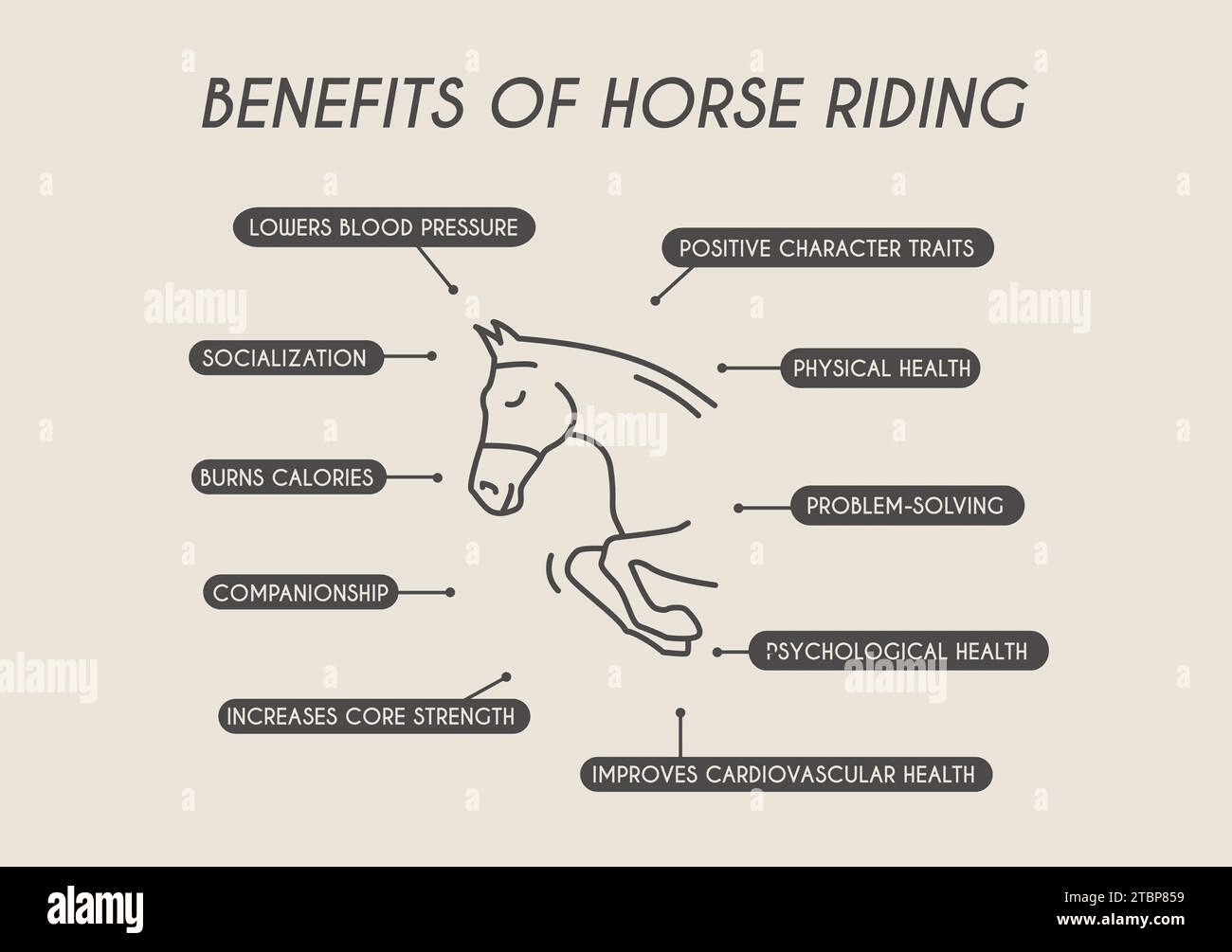
The therapeutic benefits of horseback riding extend far beyond the simple joy of being on horseback. This engaging activity is recognized not only for its recreational appeal but also for its remarkable ability to enhance physical and mental health. Horseback riding therapy provides unique mental health benefits, allowing riders to connect with the gentle giants that help alleviate stress and anxiety. As one of the top approaches to physical therapy, horseback riding opens up avenues for improved coordination and stability while fostering emotional resilience. Whether you’re seeking stress relief or the benefits of riding horses for adults, this equine therapy offers a holistic approach to wellness that encompasses both body and mind.
Embracing the world of equestrian sports not only enhances one’s riding skills but also unlocks a treasure trove of therapeutic advantages. This form of riding, often referred to as equine-assisted therapy, offers participants valuable mental health benefits through the calming presence of horses. Engaging in horse riding for stress relief positively impacts one’s emotional state, creating a nurturing environment that encourages healing and growth. For many individuals, the experience of riding is akin to participating in a form of physical therapy that promotes both physical well-being and psychological stability. By riding horses, adults and children alike can reap the many rewards of this enriching activity, whether through formal programs or casual riding experiences.
The Physical Health Benefits of Horseback Riding
Horseback riding is a dynamic activity that provides numerous physical health benefits, significantly improving overall fitness levels. When individuals ride, they engage various muscle groups, leading to increased strength and enhanced coordination. The act of balancing on a horse while it moves requires core stability, which, over time, develops the rider’s abdominal muscles and back strength. Regular riding sessions can transform one’s physique, offering an excellent workout that burns calories while promoting physical conditioning.
Moreover, cardiovascular fitness is another significant advantage of horseback riding. Activities such as trotting or cantering elevate the rider’s heart rate, akin to traditional forms of exercise like jogging or cycling. This aerobic engagement not only builds stamina but also contributes to better heart health. Riders can experience enhanced flexibility due to the dynamic movements involved, encouraging the body to adapt and stretch in response to the horse’s gait and pace.
Mental Health Advantages of Horse Riding
Engaging with horses during riding sessions offers profound mental health benefits that help riders cultivate a sense of well-being. The calming interaction with these gentle creatures promotes relaxation and reduces anxiety, acting as natural stress relief. Scientific studies have highlighted how spending time with horses can lead to lower cortisol levels, the hormone associated with stress, thereby enhancing the rider’s mood and emotional clarity.
In addition to fostering tranquility, horseback riding requires a level of mental focus that can be therapeutic in nature. Riders must constantly observe their horse’s movements and needs, creating an environment where mindfulness flourishes. This practice aids in diverting attention from daily stressors and anxieties, functioning similarly to meditation. Consequently, riding can alleviate symptoms associated with depression and anxiety, acting as a constructive coping mechanism for those facing mental health challenges.
The Role of Equine Therapy in Healing
Equine therapy, also known as horseback riding therapy, utilizes the unique bond between horse and human to promote emotional and psychological healing. Through structured programs, horses serve not only as companions but as facilitators of emotional expression and healing. Integrating therapy with horseback riding helps individuals facing trauma, anxiety, or depression by providing a nurturing environment that fosters trust and emotional connection.
The nature of equine therapy allows participants to engage actively with their horses, which can enhance both physical and emotional well-being. As individuals interact with horses, they often experience a reduction in symptoms of their mental health issues, learning to build healthy emotional connections. The horse’s empathetic response to human emotions serves as a mirror, helping participants to recognize their feelings and work through complex psychological challenges.
Harnessing the Social Benefits of Horse Riding
Horseback riding naturally fosters a sense of community and social interaction, making it beneficial for mental health. Many riders participate in group lessons, competitions, or local events, which creates opportunities for friendships and social support. This element of communal engagement is particularly valuable for individuals who may be struggling with feelings of isolation or loneliness, as it provides a shared interest that can spark meaningful connections.
Participating in social riding activities can help individuals build confidence and communication skills, as they interact with both horses and other riders. The camaraderie formed through shared experiences in riding can enhance emotional well-being, allowing riders to develop a supportive network. This sense of belonging is crucial, especially for those who may find solace in being part of a community dedicated to a common passion.
Building Emotional Resilience Through Riding
Horseback riding teaches essential life skills that have lasting impacts beyond the riding arena. One of the key lessons riders learn is emotional resilience. Facing challenges like learning new skills or overcoming fears is part and parcel of the riding experience. As they navigate these obstacles, riders cultivate a sense of perseverance and determination, essential traits that contribute to personal growth.
The process of learning to ride can initially be daunting, but as riders achieve small milestones, their confidence grows. This increased self-assurance allows them to tackle other life challenges head-on, reinforcing the concept that setbacks are merely stepping stones to success. Overall, the emotional resilience built through horseback riding is beneficial not only for individual growth but also for managing life’s ups and downs.
The Therapeutic Benefits of Horseback Riding for Special Needs
Horseback riding has emerged as a crucial therapeutic tool for individuals with special needs, providing a unique blend of physical, emotional, and social advantages. Therapeutic riding programs cater to various disabilities, offering specialized support to enhance mobility and coordination. The horse’s movements mimic human gait, which can significantly aid those with physical impairments by improving balance and muscle strength in a natural and enjoyable environment.
Additionally, the emotional and social benefits of equine interaction cannot be overlooked. Participants often report enhanced self-esteem, confidence, and social interaction skills as they bond with their horses and peers. The joy of riding fosters happier moods and a sense of accomplishment, providing a multifaceted approach to therapy that uplifts the spirits of individuals facing diverse challenges.
The Importance of Confidence in Horse Riding
Confidence is a key aspect of horseback riding that dramatically influences a rider’s experience and development. As riders learn to control and communicate with their horses, they build a strong sense of self-worth and assertiveness. Achieving mastery over riding skills brings about a profound sense of accomplishment, which translates into everyday life, helping individuals manage situations with greater ease and assurance.
Moreover, overcoming fears—such as riding in a new environment or trying advanced techniques—can further solidify this newfound confidence. The supportive atmosphere of a riding community encourages individuals to step out of their comfort zones, reinforcing the principle that growth often comes from taking risks. As riders engage in this journey, they not only improve their riding skills but also cultivate essential life skills applicable in various aspects of their lives.
Stress Relief Through Horse Riding
Horseback riding serves as an exceptional outlet for stress relief, allowing individuals to disconnect from their daily worries and immerse themselves in the experience of riding. The rhythmic motion of the horse, combined with the serene environment of riding stables or nature trails, creates a calming atmosphere that helps to soothe anxiety and elevate mood. This form of escapism is not only refreshing but also rejuvenates one’s mental state.
Additionally, engaging with horses has a therapeutic effect on the mind. Riders often report feeling a unique bond with their horses, where the simple act of grooming or riding establishes a connection that alleviates pressure and fosters a sense of peace. The benefits of riding horses for stress relief are recognized by mental health professionals, who increasingly recommend equine activities as part of holistic approaches to mental wellness.
Conclusion: Exploring the Holistic Benefits of Horseback Riding
In conclusion, the therapeutic benefits of horseback riding extend far beyond mere enjoyment, functioning as a powerful tool for healing and personal development. From enhancing physical health to promoting emotional wellbeing, and facilitating social interactions, horseback riding serves a multifaceted role in individual growth. The experience of riding can be life-changing, building confidence and resilience. It provides a path for individuals, regardless of age or background, to connect with themselves and the horses.
Whether used therapeutically for mental health improvement or as a recreational pursuit, horseback riding offers invaluable benefits. Those interested in exploring this enriching activity should not hesitate to seek out local programs and equine therapy centers to experience firsthand the transformative power of these majestic animals.
Frequently Asked Questions
What are the mental health benefits of horseback riding therapy?
Horseback riding therapy offers significant mental health benefits, including reduced anxiety and stress levels. The calming connection with horses promotes tranquility and mindfulness, which can alleviate symptoms of depression and enhance overall emotional well-being.
How does horse riding provide stress relief?
Horse riding acts as an effective stress relief method by allowing riders to focus on their horse and the riding experience, which redirects attention from daily stressors while providing a calming, therapeutic connection with the animal.
What physical therapy benefits can one gain from horseback riding?
Horseback riding serves as a form of physical therapy by improving balance, coordination, and strength. The rhythmic movement of the horse mimics human gait, making it beneficial for individuals with mobility issues.
How does equine therapy improve social skills?
Equine therapy enhances social skills through group riding lessons and activities, fostering camaraderie and support among participants. The shared experience encourages connections, helping individuals develop better communication and interaction abilities.
Can adults benefit from the therapeutic aspects of riding horses?
Yes, adults can experience significant therapeutic benefits from riding horses, including improved physical health, emotional stability, and social connections, making it an engaging and beneficial activity for personal growth.
What life skills do people develop through horseback riding therapy?
Horseback riding therapy teaches important life skills such as responsibility, resilience, and perseverance. Riders learn to care for their horses, build confidence, and embrace challenges, which translates to personal development off the horse.
Is horseback riding effective for individuals with special needs?
Absolutely. Therapeutic horseback riding is particularly effective for individuals with special needs, as it promotes physical rehabilitation, emotional growth, and enhanced social interaction in a supportive environment.
How does horseback riding enhance physical conditioning?
Horseback riding enhances physical conditioning by engaging multiple muscle groups, improving core strength, balance, cardiovascular health, and flexibility as riders adapt to the horse’s movements.
What emotional benefits does horseback riding provide?
Horseback riding offers emotional benefits such as reduced anxiety, improved mood, and enhanced emotional stability. The bond with the horse fosters a sense of peace and mindfulness that can transform emotional well-being.
Are there specific programs for therapeutic riding?
Yes, many stables offer specific therapeutic riding programs tailored to individuals with various needs, providing a structured environment to experience the physical and emotional benefits of horseback riding.
| Key Point | Description |
|---|---|
| Physical Health Benefits | Engages muscle groups, improves strength, balance, cardiovascular fitness, flexibility, and coordination. |
| Mental Health Advantages | Reduces anxiety and stress, fosters tranquility, improves mood, and promotes mindfulness. |
| Social Interaction and Support | Encourages friendships, teamwork, and a sense of belonging through group activities. |
| Development of Life Skills | Teaches responsibility, resilience, and perseverance, enhancing personal growth. |
| Beneficial for Individuals with Special Needs | Therapeutic riding provides physical therapy benefits and boosts emotional and social skills. |
Summary
The therapeutic benefits of horseback riding are extensive and profound, extending far beyond the enjoyment of the ride itself. This engaging activity contributes to improved physical health by enhancing strength and coordination, while promoting cardiovascular fitness. On the mental health front, horseback riding acts as a soothing therapy that reduces anxiety and fosters mindfulness. Socially, it connects individuals, nurturing friendships and providing critical support networks. Moreover, riding cultivates essential life skills, including responsibility and resilience, enriching personal development. Importantly, therapeutic riding programs serve those with special needs, offering unique benefits tailored to enhancing their well-being. Overall, horseback riding presents a holistic approach to therapy, making it a valuable option for individuals seeking physical and emotional healing.