
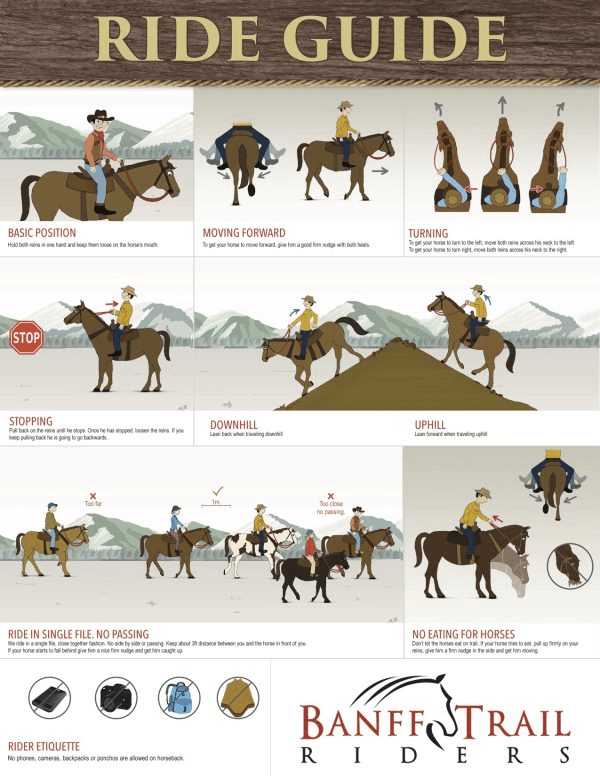
Horse Riding Tips for Beginners are essential for anyone eager to embark on their equestrian journey. Whether you’re completely new to the saddle or looking to refine your skills, understanding the basics can make all the difference. The world of horse riding offers exhilarating experiences, but it also demands a solid groundwork of knowledge and practice. This guide will present ten crucial tips, covering everything from choosing the right instructor to mastering communication with your horse. By following these tips, you’ll ensure a safe and enjoyable start to your riding adventures.
If you’re contemplating taking the reins for the first time, it’s vital to equip yourself with key riding insights. The art of horseback riding, often referred to as equestrianism, blends sport and leisure, providing riders with unique opportunities to bond with these majestic animals. Starting an adventure in this equestrian field can be daunting; however, understanding fundamental equestrian skills can significantly enhance your experience. From learning ground skills to mastering riding techniques, each aspect is pivotal in setting you up for success. Let’s delve into effective strategies that will pave the way for your enjoyable and rewarding horseback riding journey.
Understanding Horse Behavior: A Beginner’s Guide
Before you step into the saddle, it’s paramount to gain a solid understanding of horse behavior. Horses are prey animals, which means their instincts often drive their reactions to various stimuli. Learning to read a horse’s body language can be incredibly beneficial for beginners, as it helps to establish a connection and build trust. For instance, try observing how a horse’s ears move; ears pricked forward indicate curiosity or interest, while pinned ears can signify irritation or discomfort.
Engaging with horses on the ground can further enhance your understanding of their behavior. Spend some time interacting with them through grooming or simply walking beside them. Not only will this aid in familiarizing yourself with their mannerisms, but it will also create a bond that can make riding more enjoyable. Remember, the better you understand horses, the more effectively you can communicate and ensure a safe riding experience.
Finding the Right Instructor: Key Considerations
Choosing the right riding instructor is arguably one of the most crucial steps in your equestrian training. Look for instructors with a solid reputation in the equestrian community, whose teaching style resonates with you. A good instructor will not only have the technical skills to teach you effectively but will also have the patience and understanding necessary to guide beginners through the learning process.
When meeting with potential instructors, pay attention to how they communicate their teaching methods. An effective instructor will demonstrate a commitment to safety, clarity of instruction, and the ability to adapt their teaching style to fit your individual needs. A supportive learning environment makes a significant difference, ensuring that you feel comfortable and encouraged as you embark on your horse riding journey.
Essential Riding Gear: Safety First
Investing in the right riding gear is an essential aspect of ensuring both your safety and comfort while riding. At the very minimum, you should wear a certified riding helmet to protect your head against falls and accidents. Additionally, consider footwear that has a slight heel—this prevents your foot from slipping through the stirrup, an important factor when you’re starting out.
Comfortable clothing, such as riding breeches or jodhpurs, can enhance your riding experience. These types of pants are designed to allow free movement and to prevent chafing against the saddle. By prioritizing safety gear and clothing, you are not only protecting yourself but also setting a solid foundation for your riding journey.
Mastering Ground Skills: The Foundation of Riding
Ground skills are often overlooked by beginners, yet they are fundamental to becoming a competent rider. Before you even think about riding, it’s advantageous to learn how to properly groom and tack up your horse. These skills not only ensure your horse is comfortable but also help establish a level of trust between you and the animal.
Understanding things like leading your horse, recognizing signs of discomfort, and being able to care for their basic needs fosters a deeper relationship. This knowledge empowers you as a rider and creates a safer environment before you even mount. Practicing ground skills will undoubtedly enhance your confidence and control while on horseback.
Mounting and Dismounting Techniques: Safety Tips
Properly mounting and dismounting your horse is crucial for ensuring your safety as well as that of the horse. Always approach your horse calmly and from the left side, ensuring they are standing still before you start. Use a mounting block whenever possible to make the process smoother and minimize strain on the horse’s back.
When dismounting, it’s important to do so gently and only when your horse is at a complete stop. Disengage from the stirrups and slide off quietly, taking care to land the right way to avoid injury. Practicing these techniques ensures that both you and your horse are comfortable and safe, setting a positive tone for each ride.
Perfecting Your Seat: The Key to Control
Having a strong and balanced seat is fundamental for effective horse riding. Beginners should practice sitting deep in the saddle with a centered posture. This not only helps with control but also makes it easier to use your legs and body weight to communicate effectively with the horse.
Engaging your core muscles can help maintain balance, especially at faster gaits. As you develop this skill, you’ll find that your confidence grows, allowing you to focus more on communication and less on maintaining your balance. A good seat acts as the foundation for all your riding skills.
Establishing Communication: The Rider-Horse Connection
Communication is the bridge between a rider and their horse, and it is essential to establish this connection early on. Horses are very responsive to body language and verbal cues, so being clear and confident in your communication will lead to a more enjoyable ride. For example, squeezing your legs to signal a forward movement or gently pulling on the reins to slow down helps the horse understand your intentions.
Practicing these cues while riding will enhance your relationship with the horse, allowing for a better learning experience. Remember, a well-timed cue can make all the difference in your riding performance, helping you build trust with your horse.
Safety Awareness: Be Prepared on Every Ride
Safety should never be taken lightly in horse riding. As a beginner, being aware of your surroundings can significantly reduce the risk of accidents. This includes staying vigilant about other riders, horses, and potential obstacles in your path. Always maintain a safe distance from others and listen to your instructor’s advice about riding in a group.
Additionally, you should learn how to fall safely, as it’s an inevitable part of learning to ride. Practicing how to roll and avoid landing on your feet can prepare you for unexpected situations. By prioritizing safety, you not only protect yourself but also create a more secure environment for your horse.
The Importance of Patience and Persistence in Riding
Like any new skill, horse riding demands a great deal of patience and persistence. Learning to ride can come with challenges, so it’s important to celebrate small victories along the way. Each ride presents a learning opportunity, whether you are mastering a new technique or improving your relationship with your horse.
Setting realistic goals can also enhance your experience. Focus on what you can achieve in a week, a month, or even a year. As you reach these milestones, you will build confidence and motivation, allowing you to enjoy the process of becoming a skilled rider.
Building a Community: The Ride to Friendship
Joining a riding community can greatly enrich your equestrian journey. Connecting with fellow riders provides a platform to share experiences, exchange tips, and offer support. Whether it’s within a local riding club or an online forum, having a network of like-minded individuals can motivate you to improve and overcome challenges.
Additionally, more experienced riders can offer invaluable insights and guidance that can expedite your learning process. Socializing with others also fosters camaraderie, making your riding journey not just about the skills but also about building meaningful relationships that transcend the saddle.
Frequently Asked Questions
What are the best horse riding tips for beginners?
Some of the best horse riding tips for beginners include understanding horse behavior, choosing a qualified instructor, wearing proper gear, and practicing ground skills. These steps will help ensure a safe and enjoyable riding experience.
How important is it to wear the right gear for beginners in horse riding?
Wearing the right gear is crucial for beginners in horse riding. A proper riding helmet, boots, and comfortable riding attire enhance safety and comfort, reducing the risk of injuries while riding.
What ground skills should beginners focus on in horse riding?
Beginners should focus on essential ground skills such as grooming, tacking up, and leading the horse. These skills build confidence and create a bond between the rider and the horse.
Why is it essential to learn proper mounting and dismounting techniques for horse riding?
Learning proper mounting and dismounting techniques is vital in horse riding to ensure the safety and comfort of both the rider and the horse. This knowledge helps prevent accidents and builds trust.
How can beginners establish effective communication with their horse while riding?
Beginners can establish effective communication with their horse by using clear verbal commands and body language signals, like squeezing legs to move forward and gently pulling reins to stop.
What should beginners know about horse behavior before riding?
Understanding horse behavior is key for beginners in horse riding. Recognizing body language, such as pinned ears and swishing tails, helps riders gauge the horse’s emotional state and react appropriately.
What role does patience play in horse riding for beginners?
Patience is essential in horse riding for beginners, as mastering riding skills takes time and practice. New riders should celebrate small achievements and set realistic goals for progress.
How can joining a riding community help beginners in horse riding?
Joining a riding community can significantly aid beginners in horse riding by providing support, sharing experiences, and allowing access to advice from more experienced riders.
What safety precautions should beginners take while horse riding?
Beginners should always prioritize safety by being mindful of their surroundings, learning how to fall safely, and staying calm in unpredictable situations to maintain a safe riding environment.
What are some common challenges beginners face in horse riding?
Common challenges beginners face in horse riding include maintaining balance, understanding horse behavior, and mastering techniques for mounting and riding. Continuous practice and learning help overcome these challenges.
| Tip Number | Key Points |
|---|---|
| 1 | Understand horse behavior to gauge comfort or discomfort through their body language. |
| 2 | Choose a qualified instructor for proper guidance and safety protocols. |
| 3 | Wear essential safety gear including a helmet and appropriate riding boots. |
| 4 | Learn ground skills like grooming and tacking to bond with your horse. |
| 5 | Master the techniques for mounting and dismounting safely. |
| 6 | Develop a good seat for better control and comfort while riding. |
| 7 | Establish clear communication with your horse using cues and body language. |
| 8 | Always prioritize safety by being aware of your surroundings and learning to fall safely. |
| 9 | Exercise patience and persistence as you develop your riding skills over time. |
| 10 | Join a riding community to connect with experienced riders and receive support. |
Summary
Horse Riding Tips for Beginners are essential for anyone looking to embark on this exciting journey. The 10 tips outlined above provide foundational knowledge that will help newcomers ensure a safe and enjoyable experience in the saddle. From understanding horse behavior to wearing the right gear, mastering ground skills, and building a solid relationship with your horse, these pointers help you grow as a rider. Remember, patience and consistent practice are keys to improvement, so take your time and enjoy each lesson. Engaging with a riding community can further enrich your experience, helping you to learn from others and share your passion for equestrian adventures.