
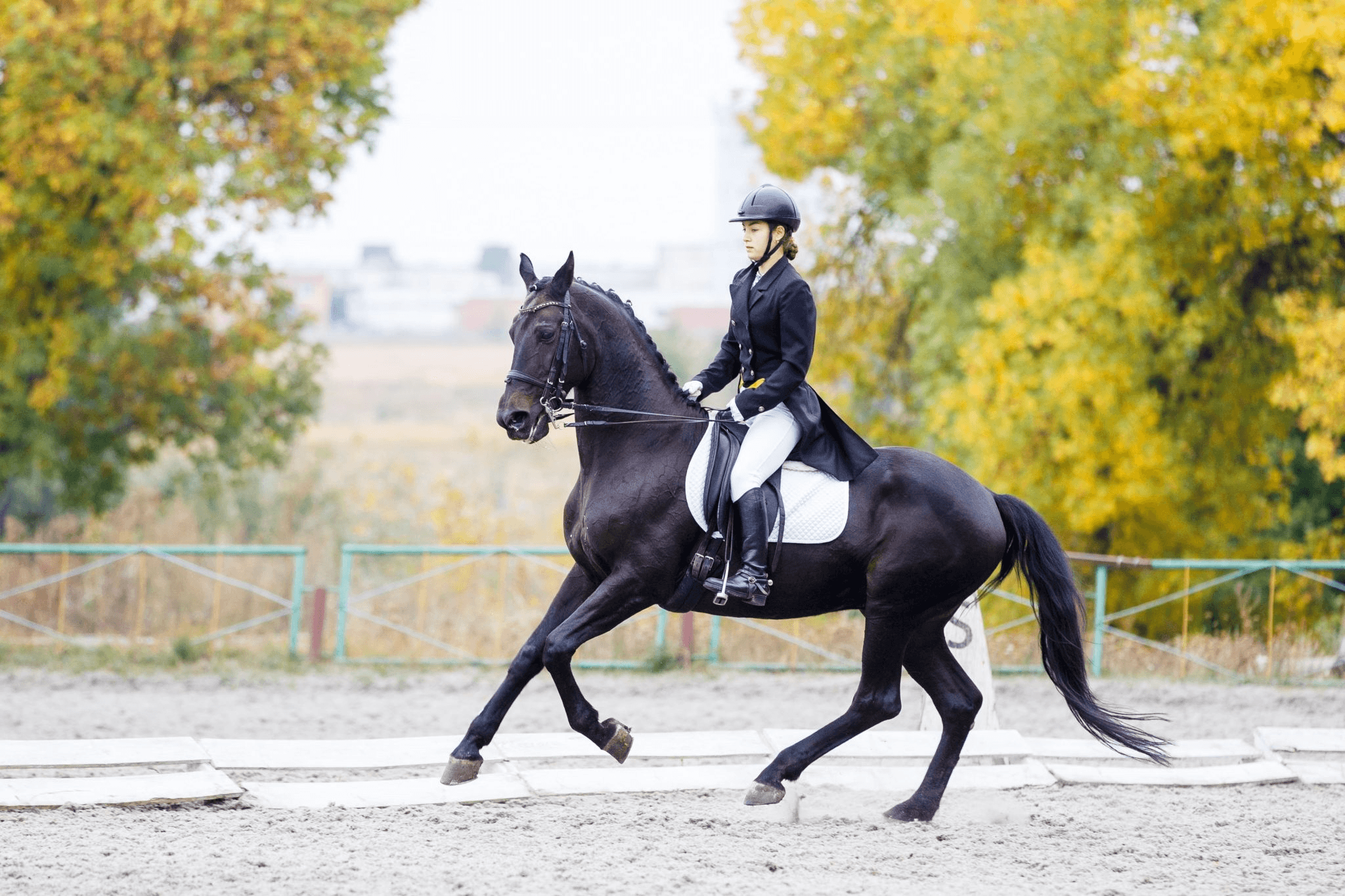
Horse riding is a captivating pursuit that transcends mere sport; it is an exhilarating journey into a world of connection and freedom. Whether you are galloping through open fields or trotting along a peaceful trail, the thrill of being on a horse fosters a unique bond between rider and steed. This comprehensive guide aims to equip you with all the essential knowledge about horse riding, from the basics of getting started to the intricacies of advanced techniques. As you delve into this adventure, you will uncover the numerous benefits it brings, including physical fitness, mental well-being, and a deeper appreciation for nature. Join us in exploring the joyful realm of horse riding, where every ride is an opportunity to learn and connect.
Equestrian activities encompass a wide array of riding disciplines, where enthusiasts engage in the art of horseback riding in various forms. From the timeless elegance of Dressage to the rugged charm of Western riding, there exists a vibrant community for all who share a passion for these majestic animals. Not only does horse riding offer an exciting way to bond with nature, but it also promotes mental wellness, making it a fantastic hobby for individuals of all ages. By venturing into the world of horse riding, you open yourself to a rich tapestry of experiences that combine physical activity with emotional fulfillment. Discovering new riding styles such as Trail and Endurance riding further enriches the overall adventure, inviting you to explore the great outdoors alongside your equine partner.
The Physical Benefits of Horse Riding
Horse riding provides a fantastic full-body workout, enhancing physical strength and fitness levels. Riders engage their core, arms, and legs to maintain balance and direct their horse, resulting in improved muscle tone and overall conditioning. Regular sessions can significantly develop core strength, as the need to stabilize oneself while riding enhances both postural alignment and abdominal muscles. Moreover, the amount of coordination required to ride effectively strengthens the muscles responsible for supporting joint stability, making horse riding an excellent activity for physical training.
In addition to muscle development, horse riding boosts cardiovascular endurance. As you ride, your heart rate increases, providing a good cardiovascular workout. This is particularly beneficial for overall heart health and stamina. Moreover, the dynamic movements involved in riding improve flexibility and range of motion, making it easier to perform daily activities outside of riding. With consistent practice, equestrians can experience significant improvements in their physical fitness, making horse riding an excellent choice for those seeking an enjoyable way to stay active.
Mental Wellness Through Horse Riding
Engaging with horses and spending time in riding environments can have profoundly positive effects on mental health. Studies have shown that interacting with horses lowers stress levels and alleviates symptoms of anxiety and depression. The tranquil nature of riding surrounded by beautiful landscapes allows riders to escape the pressures of everyday life and experience a sense of calm. This therapeutic aspect of horse riding is often described as a form of equine-assisted therapy, which has gained recognition in mental health care for its effectiveness.
Furthermore, the bond formed between rider and horse promotes emotional wellness. Horses are highly sensitive animals and can mirror human emotions, creating a unique connection that fosters trust and companionship. This relationship can help boost self-esteem and build confidence, as riders learn to communicate effectively with their horses, gaining a sense of achievement and accomplishment. The nurturing aspect of caring for a horse can also provide a sense of purpose and joy, making horse riding an enriching experience for mental health.
Choosing the Right Riding School
Selecting an appropriate riding school is crucial when starting your equestrian journey. Begin by researching local stables and riding schools to find those that have a solid reputation and positive reviews from former students. A good riding school should offer qualified instructors who prioritize safety and horse welfare. Visiting the facilities allows you to observe the horses and their surroundings, helping to ensure that they are well-cared for and the atmosphere is conducive to learning.
Don’t hesitate to ask questions during your visit; inquire about lesson plans, instructor experience, and the approach used in teaching horse riding. It’s also beneficial to discuss your riding goals with the instructor, as this will help them tailor your learning experience to achieve your personal objectives. A supportive and experienced instructor can make a significant difference in your riding journey, ensuring you develop a strong foundation while building your confidence on horseback.
The Importance of Proper Riding Gear
Wearing the appropriate riding gear is essential for ensuring safety and comfort during your horse riding experience. Proper footwear, such as riding boots with a heel, prevents your foot from slipping through the stirrup, which can be dangerous during a ride. Additionally, comfortable breeches or riding trousers allow for freedom of movement, helping you maintain proper riding posture. Investing in quality riding attire not only enhances your riding experience but also ensures you are protected from potential injuries.
Moreover, a fitting riding helmet is crucial for safety. A helmet that meets safety standards will protect your head in the event of a fall. While many riding schools will provide helmets, it is advisable to invest in a personal helmet for a better fit and hygiene. The overall comfort provided by proper riding gear contributes to more enjoyable lessons and rides, allowing you to focus on improving your skills and enjoying the bond with your horse.
Basic Riding Skills for Beginners
As you embark on your horse riding journey, learning fundamental riding skills is paramount. Beginning with groundwork, you’ll familiarize yourself with grooming and tacking your horse, which builds a strong foundation for a responsible rider. Understanding how to properly handle and care for a horse creates a bond between you and your equine partner, enhancing both the riding experience and your overall confidence when mounted. Learning these basics helps prepare you for more complex tasks as you advance.
In addition to groundwork, basic riding lessons will also focus on mounting and dismounting safety, understanding riding commands, and maintaining balance in the saddle. These skills are essential for every rider, allowing you to develop your technique progressively. Consistent practice of these foundational elements will set the groundwork for your growth as an equestrian, paving the way for more advanced riding techniques and disciplines in the future.
Exploring Different Horse Riding Disciplines
Horse riding is a diverse sport with various disciplines that cater to different preferences and skill sets. For novice riders, exploring different riding styles such as English riding, Western riding, trail riding, and endurance riding can help you identify your passions within the equestrian world. English riding emphasizes techniques that develop precision and flexibility, while Western riding incorporates a more relaxed style, often associated with ranch work. Each discipline offers unique rewards and experiences, catering to various interests.
Trail riding is an excellent way to connect with nature, allowing riders to explore beautiful landscapes while building a relationship with their horses. This discipline is perfect for those seeking adventures away from competitive environments. On the other hand, endurance riding tests the stamina of both horse and rider, providing thrilling experiences over long distances. Understanding the different disciplines can help you discover how to best enjoy your time spent riding, and it may lead to further development and specialization as you progress in your equestrian journey.
Safety Protocols to Consider Before Riding
Before mounting your horse for the first time, understanding and adhering to safety protocols is vital for ensuring a safe riding experience. Always listen to your instructor regarding horse behavior and safety measures within the riding environment. Familiarize yourself with the horse’s body language; knowing when a horse feels threatened or nervous can help you remain safe while around them. Additionally, following safety guidelines when riding, such as maintaining a safe distance from other riders, is crucial to preventing accidents.
Establishing a trusting relationship with your horse can also contribute significantly to safety. Remain calm and composed, as horses are sensitive to human emotions. Your demeanor will greatly affect how your horse responds to you while riding. Taking the time to develop this understanding will enhance both your confidence and your bond with the horse, ultimately leading to a more enjoyable and successful riding experience.
Enhancing Riding Skills Through Practice
As you continue to practice, it’s vital to build and enhance your riding skills regularly. Enrolling in consistent lessons will ensure that you receive structured training and feedback, helping you solidify your understanding of various techniques. Regular lessons allow for incremental skill-building and keep you motivated, as you can observe your progress over time. Additionally, experienced instructors can help identify areas for improvement, ensuring your skills develop in a balanced manner.
Riding different horses is another essential aspect of skill enhancement. Each horse will present unique challenges and learning opportunities, allowing you to adapt your riding techniques to various behaviors and personalities. Joining a riding club can also provide additional practice opportunities, fostering a sense of community and camaraderie with fellow equestrians who share your interests. Engaging with a supportive community can deepen your understanding of horse riding, keeping you motivated to reach your riding goals.
The Experience of Competing in Horse Riding
Once you have developed your riding skills, participating in competitions can be an exhilarating way to showcase your abilities while also testing your limits. Competitions range from local shows to significant events that celebrate various riding disciplines. Engaging in these events not only allows you to challenge yourself but also gives you the chance to gain valuable feedback from experienced judges and fellow riders. Competing can be both thrilling and personally rewarding, as it helps measure your progress and achievements.
Moreover, competition encourages camaraderie among riders. The equestrian community is often well-knit, where riders share their experiences, tips, and encouragement. Attending competitions can help deepen existing friendships and forge new connections with like-minded individuals passionate about horse riding. Ultimately, embracing the competitive aspect of horse riding can enhance your overall experience, adding a fun and fulfilling dimension to your equestrian journey.
Frequently Asked Questions
What are the benefits of horse riding for physical health?
Horse riding offers numerous physical health benefits, including improved balance, coordination, and core strength. It effectively engages various muscle groups, providing a full-body workout that enhances flexibility and posture.
How does horse riding support mental wellness?
Engaging in horse riding can significantly boost mental wellness by reducing stress and anxiety. The connection with horses and nature promotes relaxation and a sense of fulfillment, making it a therapeutic activity for many riders.
What should I wear for my first horse riding lesson?
For your first horse riding lesson, wear riding boots with a heel, breeches or riding trousers, a fitted shirt, and a certified riding helmet. Dressing appropriately ensures safety and comfort while riding.
What types of horse riding disciplines are there?
There are several horse riding disciplines, including English riding, Western riding, trail riding, and endurance riding. Each discipline has unique skills and techniques, catering to different interests and abilities.
How do I choose the right riding school?
To choose the right riding school for horse riding, research local options, read reviews, and visit the facilities. Look for schools with qualified instructors and a good reputation, ensuring a safe and positive learning environment.
What is trail riding, and how can I get started?
Trail riding is a relaxing form of horse riding that involves riding through scenic landscapes. To get started, find local trail riding programs or stables that offer guided rides in nature, ensuring a safe experience.
Can children start horse riding at a young age?
Yes, many riding schools offer programs for children as young as six years old. Horse riding can enhance children’s physical abilities, confidence, and responsibility, making it an excellent activity for young riders.
What skills will I learn in my first horse riding lessons?
In your first horse riding lessons, you will learn basic skills such as grooming and tacking a horse, understanding riding commands, and practicing proper mounting and dismounting techniques.
How often should I take riding lessons to improve my skills?
To improve your horse riding skills, it’s recommended to take regular lessons, at least once a week. Consistency allows you to practice new techniques and receive valuable feedback from instructors.
What should I expect on my first horse riding experience?
On your first horse riding experience, expect to feel a mix of excitement and nervousness. Your instructor will guide you through safety protocols, basic commands, and help you form a bond with the horse for a successful ride.
| Key Points | Details |
|---|---|
| Why Horse Riding? | Horse riding offers physical and mental benefits, connects you with nature, and fosters community. |
| Physical Benefits | Improves balance, flexibility, and muscle strength. |
| Mental Wellness | Reduces stress and enhances overall well-being. |
| Getting Started | Choose a reputable riding school, wear appropriate gear, and learn basic skills. |
| Types of Horse Riding | English, Western, Trail, and Endurance Riding. |
| Preparing for Your First Ride | Understand safety protocols and stay calm. |
| Building Skills | Take regular lessons and practice on different horses. |
| Joy of Competition | Compete to test your abilities and experience personal accomplishment. |
Summary
Horse riding is a rewarding pursuit that combines adventure with personal growth. With its myriad benefits ranging from physical fitness to mental wellness, horse riding immerses individuals in nature while fostering a profound bond between rider and horse. Whether you are a beginner or looking to advance your skills, the joys of horse riding can significantly enrich your life. Embrace this enchanting activity, and you’ll find not just a sport, but a lifelong passion.