
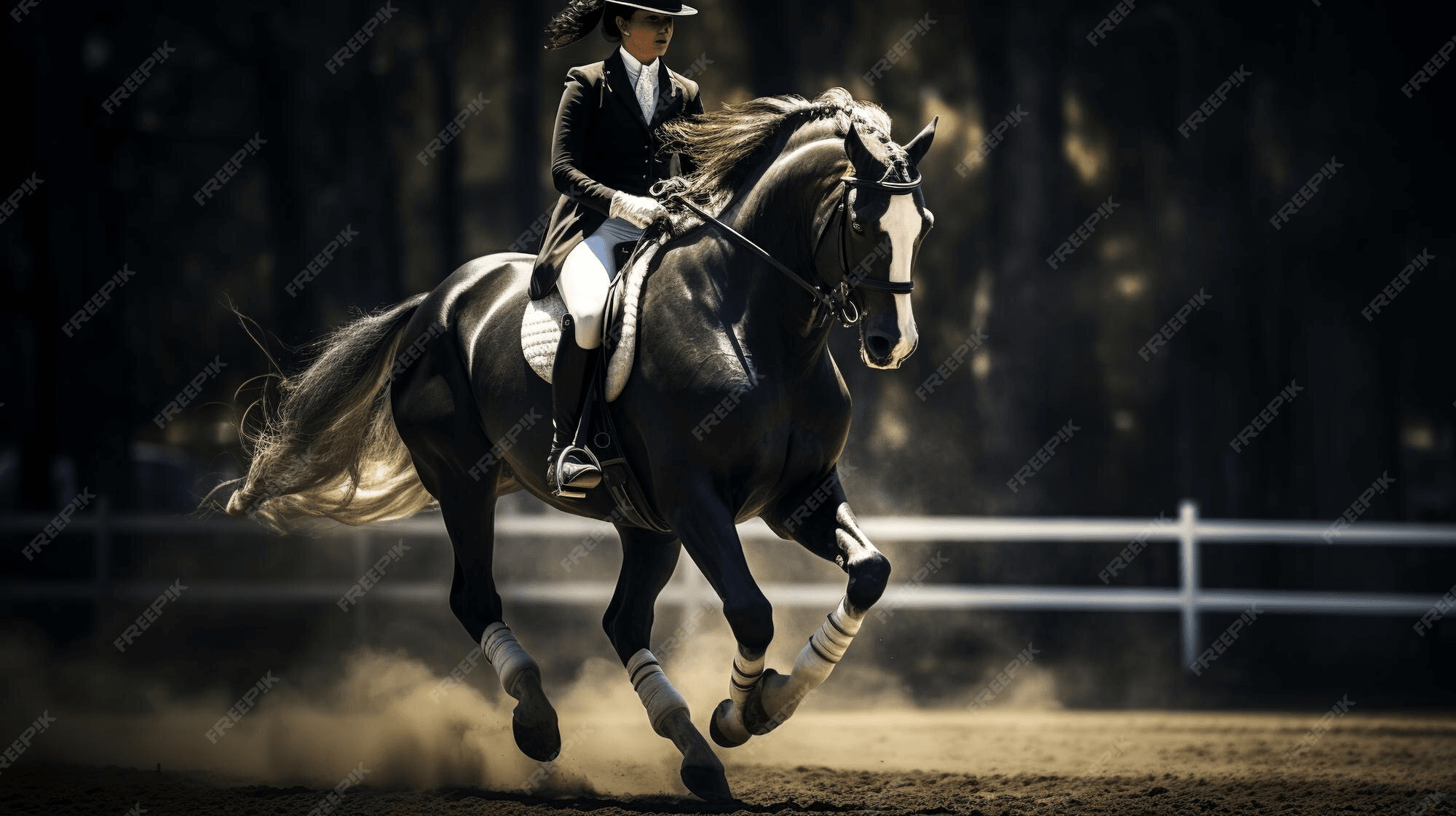
Equestrianism, the art and sport of horseback riding, captivates enthusiasts around the globe with its unique blend of skill, discipline, and adventure. This ancient practice encompasses a variety of riding styles, from the graceful movements of dressage to the exhilarating excitement of show jumping, each offering distinct benefits to riders. Engaging in equestrian sports not only enhances physical fitness but also fosters a profound bond between horse and rider, promoting mental well-being. Proper horse care and the right riding equipment are essential components that contribute to a successful and enjoyable experience in this beloved activity. Whether participating in equestrian competitions or simply riding for leisure, the world of horseback riding is rich with opportunities for learning and personal growth.
The world of horseback riding, often referred to as equestrian arts, is an intricate tapestry woven with various disciplines and cultural significance. From its historical roots in ancient civilizations to modern equestrian sports, the journey of horse riding styles is both fascinating and diverse. Many riders are drawn to the physical and mental advantages of this activity, including improved balance and heightened self-confidence, while also cherishing the companionship of their horses. In addition, understanding proper horse care and selecting appropriate riding equipment are vital for safety and performance, enhancing the overall riding experience. Equestrian competitions, ranging from local events to global showcases, further enrich this vibrant community, inviting individuals to share their passion and skills in a supportive environment.
The Evolution of Equestrianism Through History
Equestrianism is deeply rooted in human history, originating from the domestication of horses around 3500 BC. As civilizations advanced, the role of horses transitioned from utilitarian purposes in agriculture and transport to a refined sport that required skill and artistry. The ancient cultures of Greece and Rome recognized the significance of horsemanship, giving rise to various competitions that celebrated the talents of both horse and rider. This historical progression highlights not just the practical use of horses but also their cultural importance, evolving into prestigious events that drew crowds and brought communities together.
In the medieval era, horseback riding gained notoriety with jousting tournaments, where knights showcased their martial skills while mounted. The artistry of dressage and the adrenaline of show jumping can trace their roots back to these historical practices. Today, the influence of world cultures can be seen in the diverse riding styles and disciplines practiced globally, each reflective of its societal values and traditions. Understanding this rich backstory allows enthusiasts to appreciate equestrianism not merely as a sport but as a significant cultural legacy.
Diverse Disciplines of Equestrian Sport
Equestrianism encompasses a variety of disciplines, each presenting unique challenges and requiring specific skill sets. From the elegance of dressage, where precision and a deep bond between horse and rider are showcased, to show jumping, which emphasizes speed and agility, every discipline offers its own rewards. Riders often gravitate towards the equestrian sport that aligns with their strengths and interests. Eventing, combining dressage, jumping, and cross-country, tests the versatility and endurance of both horse and rider, making it a favorite among those who appreciate multifaceted challenges.
Western riding disciplines, such as barrel racing and roping, showcase the influence of ranch culture and require riders to execute maneuvers with style and control. Meanwhile, endurance riding appeals to those who enjoy long-distance challenges, pushing both horse and rider to their limits. These various disciplines not only foster a deeper understanding of equestrian techniques but also engage riders in a community where shared experiences and learning are encouraged. Exploring these diverse riding styles allows individuals to discover their own passions within the expansive world of equestrianism.
Top Benefits of Horseback Riding
Horseback riding is not only a pleasurable activity but also offers numerous physical and mental health benefits. Engaging with horses significantly improves balance, coordination, and core strength. Studies indicate that riders develop better posture while they strengthen their core muscles through managing their horse’s movements. Additionally, regular riding can contribute to cardiovascular fitness and enhanced motor skills, making it an enjoyable way to keep active.
Beyond the physical advantages, horseback riding promotes mental wellness. Many individuals find a profound sense of peace while riding, often describing the experience as meditative. The connection formed between horse and rider fosters emotional stability, reducing stress and anxiety. As riders learn the responsibilities that come with caring for a horse, they also cultivate traits like patience, empathy, and confidence – invaluable skills that translate into other areas of life.
Selecting the Perfect Horse for Riding Success
Choosing the right horse is pivotal for a rewarding horseback riding experience. Factors such as the horse’s age, temperament, and level of training can significantly affect a rider’s confidence and safety. For beginners, horses that are calm, well-trained, and possess an agreeable disposition are often ideal, as they provide a gentle introduction to the world of riding. Assessing a horse’s characteristics makes it easier for new riders, ensuring they feel comfortable and secure as they embark on their journey.
To find a suitable match, prospective riders should spend time at local stables or riding schools, where they can interact with various breeds and styles. It’s beneficial to seek guidance from experienced instructors, who can help assess a rider’s skill level and offer advice on horse selection. The right horse enhances not only learning but fosters a stronger bond, critical for building confidence as they progress in their riding journey.
Importance of Proper Riding Gear and Equipment
Investing in appropriate riding gear is essential for ensuring safety and comfort while horseback riding. Key items such as a properly fitted helmet are crucial for protecting riders against potential head injuries. Additionally, sturdy riding boots with a heel help to prevent accidents, such as foot slipping through stirrups, which can lead to falls. Choosing the right apparel, such as breeches or riding tights, can enhance comfort, allowing for freedom of movement while maintaining a good grip.
Apart from rider gear, the choice of riding equipment such as saddles and bridles directly impacts the horse’s comfort and performance. Fitting equipment correctly is critical to prevent discomfort or injury to the horse. Riders must ensure that the tack is suitable for their horse’s size and build, which not only elevates the riding experience but also contributes to the horse’s overall well-being. A well-equipped rider is well-prepared to enjoy their horseback riding journey safely and comfortably.
Engaging in Equestrian Competitions
Equestrian competitions offer riders a fantastic opportunity to showcase their skills while fostering community among horse enthusiasts. Whether participating in local shows or prestigious international events, such as those held during the Olympics, these competitions can provide invaluable experience. They serve as platforms for riders to improve their horsemanship, gain confidence under pressure, and solidify bonds with their horses.
Moreover, competitions often bring together diverse riders and horses, allowing for networking and sharing of experiences. Through this engagement, riders can learn from one another, exchange techniques, and celebrate the artistry and athleticism of their sport. For many, the thrill of competition fuels their passion for equestrianism and encourages ongoing development in their riding abilities.
Innovations in Equestrianism: The Future Ahead
As technology evolves, so does the world of equestrianism, highlighting new and exciting trends that enhance the riding experience. The rise of digital platforms has made accessing riding education and resources more convenient for both novice and experienced riders alike. Online tutorials, webinars, and virtual riding lessons provide unprecedented opportunities for learning and skill development, helping riders stay competitive regardless of location.
Furthermore, issues of animal welfare and ethical riding practices are becoming increasingly prominent in equestrian discussions. Riders and organizations are more aware of a horse’s needs beyond their performance, prioritizing their health and happiness through responsible care and training practices. This ongoing shift towards responsible equestrianism ensures a sustainable and compassionate future for the discipline, allowing riders to continue enjoying this art form while maintaining a commitment to their horses’ welfare.
Exploring the Cultural Aspects of Equestrianism
Equestrianism is not just a sport; it is a rich tapestry of cultural expressions across various societies. Each region has its own unique riding styles, traditions, and events that showcase the bond between horse and rider. For instance, countries like Spain have their renowned Andalusian shows that emphasize classical riding techniques, while the United States celebrates Western riding as part of its ranching culture. Understanding these cultural variations adds depth to the appreciation of horseback riding.
Furthermore, local festivals and competitions often highlight these cultural aspects, drawing participants from all walks of life. Engaging in these events allows riders to immerse themselves in the history and tradition of equestrianism, fostering a sense of community and shared passion. Celebrating these cultural identities not only enriches the rider’s experience but also ensures the continuation of diverse equestrian practices for future generations.
Equestrianism and its Connection to Personal Growth
Horseback riding has significant implications for personal growth and development. As riders navigate their journeys, they encounter challenges that instill resilience and discipline. The repetitive practice required to improve riding skills teaches patience and the importance of perseverance. As riders confront fears – such as riding at greater heights or managing faster horses – they build self-confidence that transcends the saddle and influences other life areas.
Additionally, the responsibility of caring for a horse fosters a profound sense of empathy and connection to living beings. Riders develop a keen understanding of non-verbal communication, enhancing their ability to read both equine and human emotions. This relationship encourages strong values of compassion and responsibility, making horseback riding an extraordinary journey of self-discovery that contributes positively to one’s character.
Frequently Asked Questions
What are the main benefits of horseback riding in equestrianism?
Horseback riding in equestrianism provides numerous benefits, including improved balance, coordination, and core strength. It also promotes responsibility and self-confidence as riders learn to manage and care for their horse. Mentally, riding can alleviate stress and anxiety, fostering a profound connection between horse and rider.
What types of horse riding styles are recognized in equestrianism?
Equestrianism encompasses a variety of horse riding styles, including dressage, show jumping, eventing, western riding, and endurance riding. Each style features unique techniques and approaches, allowing riders to choose a discipline that suits their skills and interests.
How can I choose the right horse for horseback riding?
Choosing the right horse for horseback riding is crucial for safety and enjoyment. Consider factors such as age, temperament, size, and experience level of the horse. Beginners should look for calm, well-trained horses to facilitate a positive introduction to horseback riding.
What essential gear and equipment do I need for equestrianism?
Essential gear for equestrianism includes a properly fitted riding helmet for safety, sturdy heeled boots to prevent slipping, riding pants for comfort and grip, and well-fitted saddles and bridles. Investing in quality riding equipment enhances the overall riding experience.
What are the different disciplines in equestrian competitions?
Equestrian competitions feature various disciplines, including dressage, show jumping, eventing, and western riding. Participants can compete in local shows or international events, providing opportunities to showcase skills and connect with the equestrian community.
How can horseback riding improve mental well-being?
Horseback riding improves mental well-being by providing a calming escape and fostering a bond with the horse. The rhythmic motion of riding and the need for focus can help alleviate stress, enhance mood, and promote mindfulness.
What historical significance does equestrianism hold?
Equestrianism has deep historical significance, as horses have been integral to human civilization since their domestication around 3500 BC. Throughout history, riding evolved from practical uses in agriculture and warfare to a sophisticated sport with formal disciplines.
What should I know about horse care in the context of equestrianism?
Understanding basic horse care is vital in equestrianism. This includes daily grooming, feeding, regular health checks, and ensuring proper hoof care. A well-cared-for horse performs better and has a more positive experience with its rider.
Are there online resources available for learning horseback riding?
Yes, numerous online resources are available for learning horseback riding and equestrianism. Digital platforms offer tutorials, virtual classes, and community forums, making it easier for aspiring riders to access information and training from anywhere.
What role does community play in equestrian competitions?
Community is a significant aspect of equestrian competitions. These events foster camaraderie among riders, trainers, and spectators, providing a sense of belonging. Competitors often form friendships and share experiences, enhancing the enjoyment of equestrianism.
| Key Points | Description |
|---|---|
| Historical Significance | Equestrianism has roots dating back to 3500 BC, evolving from agriculture, warfare, and transport to refined sports showcasing rider skills. |
| Different Disciplines | Encompasses Dressage, Show Jumping, Eventing, Western Riding, and Endurance Riding, each with unique characteristics and techniques. |
| Benefits of Riding | Improves physical health and mental well-being; promotes balance, coordination, and a sense of peace. |
| Choosing the Right Horse | Important for safety and enjoyment; consider factors like temperament and experience. |
| Riding Gear | Essentials include helmets, boots, riding pants, saddles, and bridles, ensuring safety and comfort. |
| Competitions | Opportunities to showcase skills globally; promotes community among equestrians. |
| Future Trends | Emerging digital platforms for lessons and competitions, with increased focus on animal welfare. |
Summary
Equestrianism is an enchanting blend of art and sport that has captivated humans for millennia. This discipline offers riders a unique opportunity to connect with horses through various styles and practices. From dressage to Western riding, equestrianism encompasses not only competition but also essential skills and lifelong lessons. As horseback riding continues to evolve, its rich history, diverse disciplines, and the joy it brings to those involved remain pivotal to its allure. Ultimately, engaging in equestrian activities can lead to profound personal growth, fostering a deeper appreciation for both the sport and the majestic animals that are at its heart.