
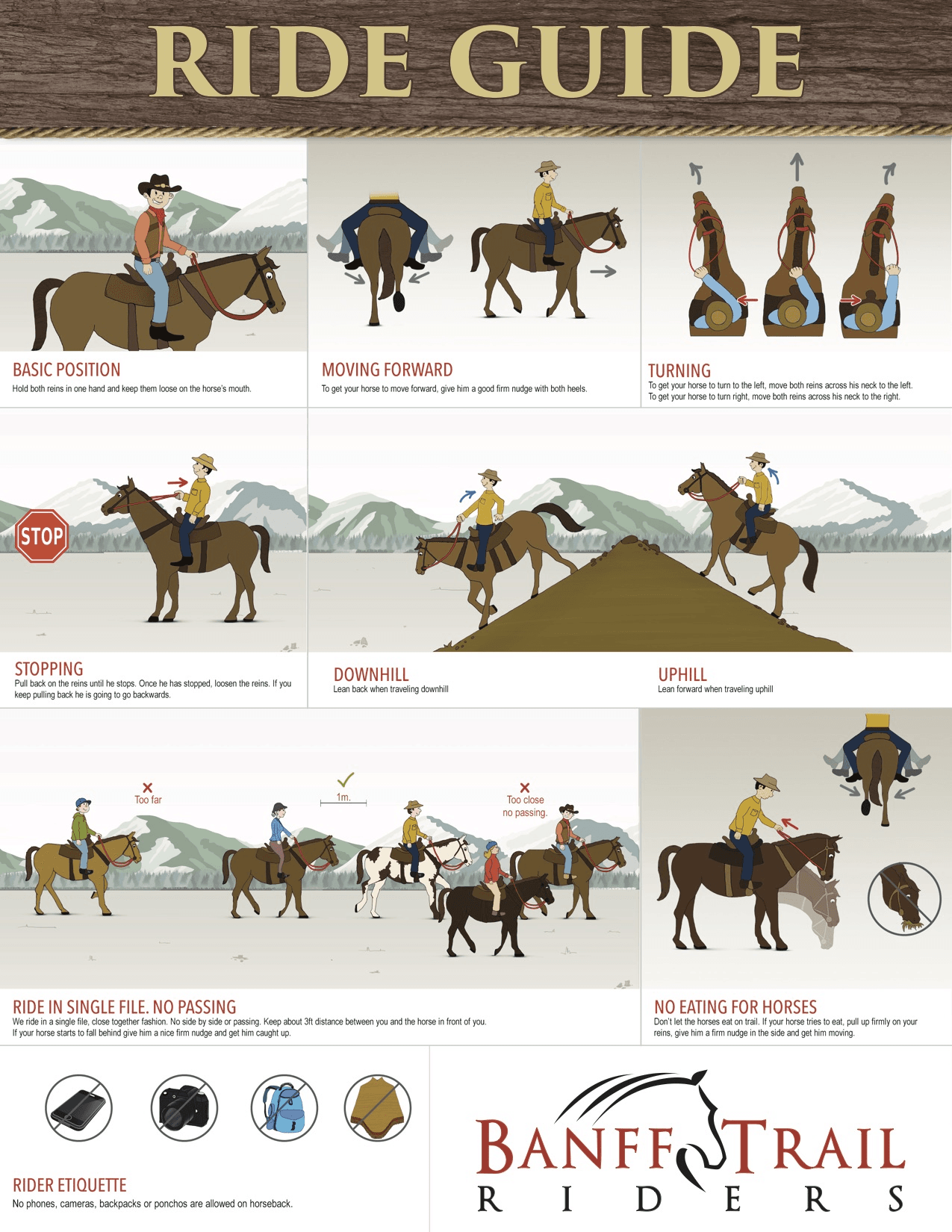
Horse riding is an exhilarating pursuit that opens the door to a world of adventure and equestrian connection. Whether you are a novice eager to mount your trusted steed or a parent considering **horseback riding for beginners** for your child, understanding the **horse riding basics** is essential. To guide you on your journey, we’ve compiled **10 essential tips for beginners in horse riding** that will ensure your experience is both safe and enjoyable. With the right knowledge and preparation, you can embark on this incredible **equestrian journey** with confidence. Get ready to saddle up and explore the breathtaking bond between rider and horse!
Equestrianism, often referred to simply as riding, offers enthusiasts a unique way to connect with horses. This activity encompasses various aspects of horseback riding, making it appealing to different skill levels, especially for those new to the experience. As you embark on this fascinating path, you’ll not only learn riding techniques but also gain insights into horse care and behavior. Embracing the **essentials of horse riding** will ultimately enhance your enjoyment and effectiveness in the saddle. Let’s delve into key strategies that will empower you in your riding endeavors.
Choosing a Reputable Riding School
Selecting the right riding school is the first step in your equestrian journey. Doing thorough research on potential schools is essential, as each facility may have its unique strengths and weaknesses. Look for schools that emphasize safety, feature qualified instructors, and use well-trained horses. Reading reviews from prior students can offer valuable insights into their experiences. Don’t hesitate to visit different schools; observing the environment and talking to instructors can help you gauge whether their teaching style aligns with your preferences.
A quality riding school also often provides a variety of programs tailored to different skill levels and learning paces. Beginners can benefit from programs designed specifically for their needs, ensuring that they don’t feel overwhelmed. Be sure to ask about lesson frequency, group sizes, and the availability of different horse breeds for riding. This commitment to quality education will lay a strong foundation for your growth as a rider.
Essential Riding Gear for Beginners
Wearing proper riding gear is crucial for both safety and comfort in horse riding. At a minimum, you should invest in a certified riding helmet designed to withstand impact and protect your head. Footwear is also important; boots with a slight heel can prevent your foot from slipping through the stirrups, promoting a secure riding experience. While breeches and gloves might be optional, they can enhance your comfort and grip during rides, making it easier to maintain control.
Additionally, choosing breathable fabrics can make a significant difference, especially during warm weather riding sessions. The right clothing will not only allow for greater mobility but also let you focus your attention on developing your riding skills rather than on discomfort. As you progress, consider exploring more specialized gear that enhances your riding experience.
Understanding Horse Behavior and Body Language
Before you mount a horse, it is beneficial to grasp the basics of horse behavior. Horses are remarkable creatures with their own unique personalities, and understanding these can significantly enhance your riding experience. By observing their body language, you can learn to identify signs of stress, happiness, or discomfort in your horse. This knowledge will allow you to cultivate a stronger bond and foster trust, making your partnership more harmonious.
Spend time observing horses in their natural environment, and interact with them on the ground. By doing so, you’ll gain insights into their social dynamics and individual quirks. Learning how to approach and handle a horse safely will lay the groundwork for more effective communication in the saddle.
Groundwork: The Foundation of Horse Riding
Groundwork is an essential aspect of horse riding that often gets overlooked by beginners. Before you sit in the saddle, it’s important to establish a connection with your horse through groundwork exercises. Activities such as leading, grooming, and simple lunging not only help to familiarize you with your horse but also instill confidence in both of you.
These exercises lay a strong foundation for a positive riding experience. Groundwork teaches you to communicate clearly with your horse through body language and voice commands, which are vital for riding. This groundwork experience is instrumental in transitioning your skills from the ground to the saddle, setting you up for success in your equestrian journey.
Mastering Balance and Posture in the Saddle
Balance and posture are fundamental elements of effective horse riding. As a beginner, focusing on how you position your body is essential; a balanced rider can better influence the horse’s movements and ensure safety. Make it a point to practice sitting deep in the saddle while keeping your shoulders back. This stance not only improves your comfort but also shows the horse you are in control.
Developing a good posture will also aid in more advanced techniques as you progress in your riding skills. Pay attention to your feet, legs, and hands, and understand how they relate to the horse’s stride and direction. Over time, mastering balance will become second nature and will significantly enhance your performance and enjoyment while riding.
Effective Communication with Your Horse
Communication between rider and horse is a subtle yet crucial aspect of horseback riding. Horses are highly attuned to human body language; thus, your ability to communicate through your weight shifts, leg pressure, and hand positioning will determine the effectiveness of your cues. A clear and consistent approach fosters trust and helps the horse understand what you want.
As a beginner, practicing these cues on the ground will aid in translating them to riding. Engaging in exercises that emphasize effective communication can enhance the partnership you develop with your horse, making your riding experience more enjoyable and successful. Healthy communication is the cornerstone of every great rider-horse relationship.
Patience: The Key to Learning Horse Riding
When you start your equestrian journey, it’s crucial to understand that progress takes time. Patience is the key when it comes to learning any new skill, including horse riding. As a beginner, you will face challenges, whether it’s mastering the basics or becoming comfortable with your horse. Accepting that mistakes are a natural part of learning will prevent frustration and help you enjoy the process.
Allow yourself grace as you grow into your role as a rider. Celebrate small victories and recognize that each lesson contributes to your development. Remember, even the most skilled riders once had to navigate the learning curve you are encountering now.
Embracing Challenges in Horse Riding
Every horseback riding journey comes with its challenges, and how you manage them plays a significant role in your development as a rider. Weather conditions, horse behavior, and personal nerves can all present obstacles. Instead of viewing these as deterrents, consider them opportunities for growth that can enhance your resilience and riding skills.
By confronting these challenges head-on, you will build confidence in your abilities as a rider. Each experience, whether positive or negative, teaches valuable lessons that contribute to your overall equestrian journey. Embracing these moments is essential for long-term growth in this rewarding activity.
Safety First: Continuous Learning and Improvement
In the realm of horse riding, prioritizing safety is of the utmost importance. As a beginner, always be aware of your surroundings, and do not hesitate to seek advice from your instructor. Make it a habit to routinely assess safety measures, whether it’s ensuring your gear is in good condition or following proper mounting and dismounting procedures.
Furthermore, the journey doesn’t end after your initial lessons. Embrace continuous learning by enrolling in clinics or seeking additional resources such as books and videos on horsemanship. By expanding your knowledge, you not only improve your skills but also enhance the wellbeing of your horse.
The Joy of Horse Riding: Connecting with Your Horse
Ultimately, horse riding should be a source of joy and fulfillment. Once you’ve established foundational skills, take time to appreciate the unique bond you share with your horse. This connection is one of the most rewarding aspects of horseback riding, enhancing your experiences on every ride.
Celebrate your progress and make the most of every opportunity to ride. Whether you are participating in competitions or enjoying leisurely trails, cherish the moments spent with your horse. Riding is not just about mastering skills; it’s about the shared joy and adventure that comes from being with these incredible animals.
Frequently Asked Questions
What are the top beginner horse riding tips?
For beginners interested in horse riding, one of the best tips is to choose a reputable riding school. Additionally, always wear the proper riding gear, including a safety helmet and riding boots, to ensure safety. Learning horse behavior and focusing on your balance while riding are crucial for success.
How can I start my equestrian journey safely?
Starting your equestrian journey safely involves finding a good riding school with experienced instructors. Make sure to invest in quality riding gear, including helmets and boots, and always prioritize safety during both ground and riding exercises.
What should I wear for horseback riding as a beginner?
When starting horseback riding, it’s essential to wear suitable riding gear. This includes a well-fitted riding helmet, riding boots with a heel, and comfortable riding breeches to enhance flexibility and support safety while you ride.
What is groundwork in horseback riding and why is it important?
Groundwork in horseback riding involves interacting with the horse on the ground before mounting. It is important for building trust and respect, creating a solid foundation for a safe and enjoyable riding experience.
Why is balance and posture important in horse riding?
In horse riding, maintaining good balance and posture is vital. A balanced rider can effectively control the horse’s movements, making it easier to handle various riding situations. Focus on correct posture from the beginning to improve your riding skills.
How can I improve communication with my horse?
Improving communication with your horse involves understanding and using cues effectively. Whether through body language or vocal commands, clear communication helps to establish a strong partnership between you and your horse.
How long does it take to learn horse riding basics?
Learning horse riding basics varies by individual, but patience is key. Some beginners may grasp skills quickly, while others may take longer. Each lesson contributes to your development, so focus on gradual improvement.
What challenges might I face in horseback riding?
As a beginner in horseback riding, you may encounter physical and mental challenges such as apprehension, difficult weather conditions, or a horse that does not cooperate. Embrace these challenges as they are part of the learning process.
What are some safety tips for beginner horse riding?
For safety in beginner horse riding, always wear a helmet and proper riding boots. Follow your instructor’s guidelines, never ride alone initially, and ensure the horse is well-cared for and suitable for your skill level.
How can I make the most of my time learning horseback riding?
To maximize your horseback riding experience, prioritize safety, stay open to feedback from your instructor, and continuously seek learning opportunities through clinics or equestrian literature. Most importantly, always have fun during your riding journey!
| Tip Number | Key Points |
|---|---|
| 1 | Choose a reputable riding school that prioritizes safety and has experienced instructors. |
| 2 | Wear proper riding gear including a safety helmet, proper boots, and riding breeches. |
| 3 | Learn about horse behavior to establish a strong relationship with your horse. |
| 4 | Start with groundwork to build trust and understanding with your horse. |
| 5 | Focus on maintaining balance and proper posture while riding. |
| 6 | Communicate effectively with your horse using body language and commands. |
| 7 | Take your time; every rider learns at their own pace. |
| 8 | Embrace challenges as they are part of the learning process. |
| 9 | Prioritize safety and continue learning through clinics and reading. |
| 10 | Enjoy the journey; horse riding should ultimately be fun! |
Summary
Horse riding is a captivating activity that opens the door to a fulfilling bond with majestic animals. For those beginning their equestrian journey, following these 10 essential tips for beginners in horse riding is crucial. From finding the right school to understanding horse behavior and communication, each element plays a significant role in ensuring both safety and enjoyment. Emphasizing patience, practice, and the joy of riding helps foster not only skill but also a lasting partnership with your horse. Embrace the adventure of horse riding, as it promises unforgettable experiences and personal growth.