
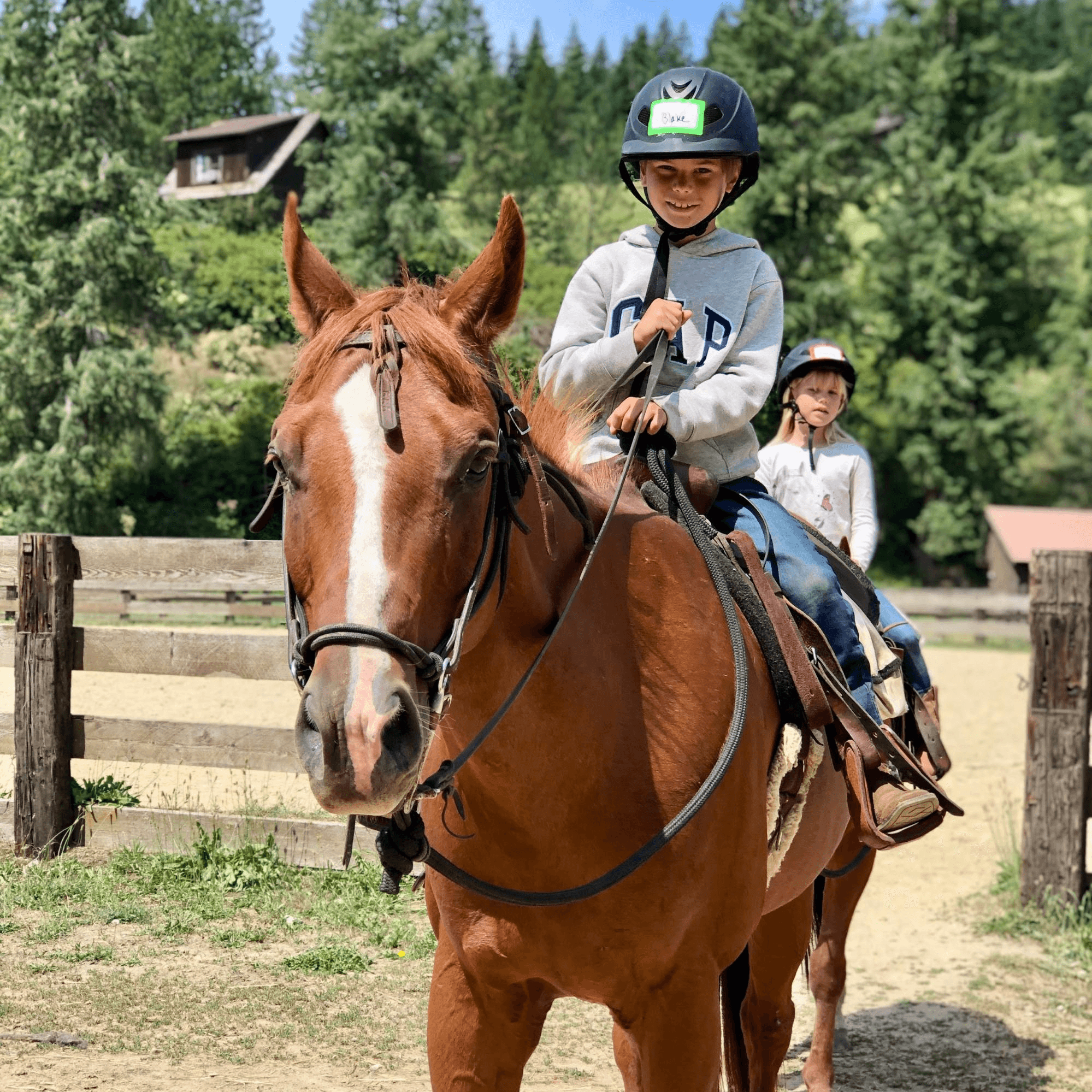
Horseback riding for kids is not just a thrilling adventure; it’s a transformative experience that lays the groundwork for personal development. Engaging in this beloved activity fosters confidence, enhances physical fitness, and instills a sense of responsibility in children. With many opportunities to bond with these magnificent animals, children can learn valuable life skills through the art of riding. In this blog post, we will delve into the many benefits of horseback riding for kids and provide guidance on how to start them on this exciting journey. From developing emotional resilience to enhancing social skills, the world of horseback riding opens doors to a plethora of enriching experiences for young riders.
Introducing children to equestrian activities, such as riding horses, brings forth a wealth of developmental advantages. These formative experiences encourage not just physical fitness but also emotional growth and social interaction with peers. By learning to ride and take care of horses, young ones acquire essential life skills that foster maturity and confidence. As they navigate the challenges of riding, kids cultivate patience and resilience, setting them up for success in various aspects of life. Essentially, the world of horseback riding for kids is a gateway to a holistic development that supports their journey into adulthood.
Understanding the Physical Benefits of Horseback Riding for Kids
Horseback riding is a dynamic sport that offers children a plethora of physical benefits. Engaging in this physical activity enhances their endurance, builds muscle strength, and improves overall cardiovascular health. The act of riding a horse engages core muscles necessary for maintaining balance while maneuvering through different riding techniques. Additionally, the varied movement patterns required in riding also contribute to enhanced coordination, making it an excellent exercise option for growing children.
Beyond the primary movement of riding, children often participate in additional activities such as grooming and saddling the horse, which promote flexibility and strengthen their upper body. Moreover, these actions engage various muscle groups, contributing to improved posture and body awareness. This holistic approach to physical fitness through horseback riding supports a more active lifestyle and encourages children to pursue other outdoor activities, enriching their overall health.
Emotional Growth Through Horseback Riding for Kids
One of the remarkable aspects of horseback riding for kids is its ability to foster emotional growth. Riding encourages children to connect with horses, nurturing a sense of empathy and responsibility. As they learn to care for and understand their equine partners, kids develop patience and the ability to manage their emotions, especially in challenging situations like riding lessons. This connection between horse and rider is integral to building emotional intelligence and self-regulation.
Furthermore, the emotional challenges faced during lessons—such as overcoming fear of falling or frustration with learning new skills—provide vital life lessons. As young riders navigate these emotional highs and lows, they learn resilience and the importance of perseverance. Such skills are transferable to other aspects of life, equipping children to handle challenges with grace and determination.
Building Confidence Through Horseback Riding
Horseback riding is an exceptional activity for boosting a child’s self-esteem. As they gradually master new riding techniques and significantly improve their skills, children experience a sense of accomplishment. Each small victory—such as completing a successful ride or grooming their horse independently—instills a sense of pride and confidence. These achievements enhance their self-image and encourage them to take on future challenges.
Moreover, the supportive environment of riding schools allows children to engage with their peers, creating a community of encouragement. Shared experiences and collective progress during lessons help children feel more confident in their abilities, reinforcing their belief in themselves. This newfound confidence not only enhances their riding but positively impacts other areas of their lives, promoting a can-do attitude that will benefit them in school and extracurricular activities.
The Importance of Social Skills Development in Horseback Riding
As children engage in horseback riding, they have ample opportunities to develop essential social skills. Group lessons, competitions, and even casual riding sessions promote interaction with other kids who share similar interests. This camaraderie fosters teamwork, communication, and the ability to work collaboratively, vital skills for personal and academic success.
Additionally, being part of a riding community helps children build lasting friendships and improve their social networks. These interactions teach them how to engage positively with others, handle peer relationships, and manage social conflicts—lessons that are crucial as they grow and navigate various social environments.
Nurturing Responsibility and Discipline Through Horseback Riding
Horseback riding requires a high level of responsibility from young riders. Children learn that caring for a horse extends far beyond the riding experience itself, encompassing daily feeding, grooming, and overall well-being of the animal. This responsibility instills a strong work ethic, as they develop routines and commitments they must adhere to, promoting discipline in their lives.
Moreover, understanding the intricacies of horse care nurtures critical thinking and problem-solving skills. Children learn to identify their horse’s needs and make adjustments in their care routine, providing an excellent foundation for responsibility that translates into various life aspects, including household chores and school responsibilities.
Choosing the Right Horseback Riding School for Your Child
Selecting an appropriate riding school is critical for ensuring a positive experience for children starting in horseback riding. Parents should look for schools with a good reputation, qualified instructors, and a focus on safety. Visiting local riding schools and observing lessons allows parents to gauge the environment and see if it aligns with their child’s needs and comfort level.
It’s also important to consider the variety of programs offered by riding schools. Some schools cater specifically to beginners and provide tailored lessons that emphasize safety, confidence-building, and foundational riding skills—perfect for encouraging a love of the sport without overwhelming young riders.
Getting Familiar with Horses: Tips for Beginners
Before a child begins riding, getting familiar with horses is essential. Allowing children to spend time with horses helps build a sense of comfort and trust. They can learn basic grooming techniques and how to approach a horse safely. This process ensures that children are educated about horse behavior, reducing fears and increasing confidence as they prepare to mount.
Additionally, teaching children how to communicate effectively with horses promotes a safer riding experience. Understanding non-verbal cues and body language helps them establish a nurturing bond with their horse, making the transition to riding smoother and more enjoyable.
Essential Safety Gear for Young Riders
Safety is paramount when it comes to horseback riding. Ensuring that children wear the correct gear is crucial to prevent injuries. A properly fitting helmet, riding boots with heels, and comfortable clothing are essentials for every young rider. Helmets should be certified for horse riding safety standards to provide maximum protection.
Equipping children with the right safety gear not only protects them physically but also builds their confidence. When kids know they are safe, they are more likely to engage fully in learning and enjoying their riding experience, which ultimately enhances their growth in the sport.
Encouraging Growth Through Participation in Riding Events
Once your child feels confident in their riding abilities, participating in local competitions and events can be a thrilling next step. These events teach children valuable lessons about competition, teamwork, and sportsmanship. They learn to appreciate the effort involved in preparing for a show, understanding that success is a result of hard work and dedication.
Moreover, being involved in events nurtures a sense of community among riders and their families. It encourages children to take pride in their accomplishments while also respecting their competitors. The skills learned in this supportive environment contribute significantly to children’s character development, setting a strong foundation for social interactions, both in and out of the riding arena.
Frequently Asked Questions
What are the benefits of horseback riding for kids?
Horseback riding for kids offers numerous benefits, including improved physical fitness, emotional bonding with horses, enhanced confidence, social skills development, and lessons in responsibility and discipline. These aspects contribute to well-rounded personal growth.
At what age can kids start horseback riding?
Kids can start horseback riding as young as 5 years old. However, the right age depends on the child’s maturity, size, and interest in engaging with horses, so it’s essential to consider individual readiness.
How to choose a riding school for my child?
To choose a riding school for your child, look for institutions with qualified instructors, a good safety record, and a welcoming atmosphere for beginners. Visiting the facility can help you assess if it meets your child’s needs for horseback riding.
What equipment is necessary for horseback riding for kids?
Essential equipment for horseback riding for kids includes a properly fitted helmet, riding boots with heels, and appropriate clothing such as long pants and a long-sleeved shirt. Safety gear is crucial for protecting young riders.
What skills can children learn through horseback riding?
Through horseback riding, children can develop various skills including balance, coordination, effective communication with horses, and problem-solving abilities, all of which are beneficial in their overall development.
What should my child expect in their first riding lesson?
In their first horseback riding lesson, children can expect to learn about horse care, basic grooming, and foundational riding techniques. Lessons focus on balance, steering, and building a rapport with the horse.
Is horseback riding for kids safe?
Horseback riding for kids can be safe when proper precautions are taken. This includes using safety gear, choosing a trained instructor, and teaching children how to behave around horses to minimize risks.
How can horseback riding help with a child’s confidence?
Horseback riding helps build a child’s confidence by providing challenges that require persistence and skill. Successfully managing a horse boosts self-esteem and teaches children to trust themselves in various situations.
What are popular horseback riding activities for kids?
Popular horseback riding activities for kids include riding lessons, trail riding, participating in local shows and competitions, and group riding camps. These activities enhance skills while providing fun social interactions.
What if my child is afraid of horses?
If your child is afraid of horses, start with gentle exposure. Spend time around horses without riding, allowing them to observe and engage in horse care. Gradual exposure can help build confidence and reduce fear.
| Key Points | Details |
|---|---|
| Benefits of Horseback Riding | Physical fitness, emotional bonding, confidence building, social skills, responsibility and discipline. |
| Getting Started | Choose a reputable riding school, build comfort around horses, ensure proper safety gear, start with basic lessons, encourage patience and perseverance. |
| Skills Development | Balance and coordination, communication with the horse, problem-solving skills. |
| Events and Competitions | Participating in local competitions teaches lessons about sportsmanship and the experience of winning or losing. |
Summary
Horseback riding for kids is a fantastic way to engage them physically, emotionally, and socially. From physical fitness to building confidence and discipline, the benefits of starting young are numerous. Children develop essential life skills as they learn to navigate the challenges of riding, such as balance and communication with their horse. By entering a supportive environment and working with qualified instructors, young riders can foster a lifelong passion for this exhilarating sport. Making horseback riding a part of your child’s life can profoundly shape their character and abilities; it’s an investment in their growth and happiness.