
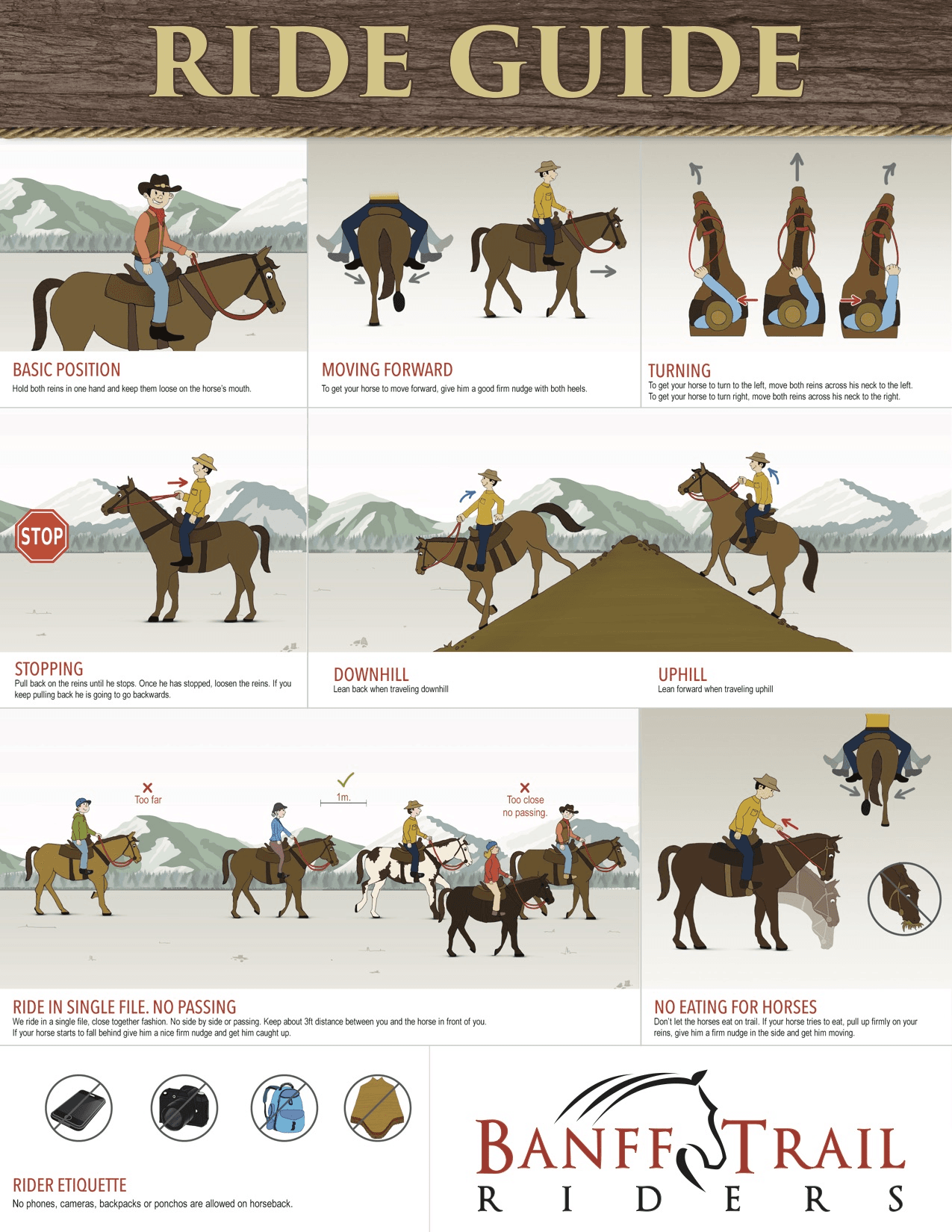
Horseback riding is an incredible way to connect with nature and embark on a thrilling adventure with one of humanity’s oldest companions, the horse. Whether you are a complete novice or have some experience, understanding the fundamentals of horseback riding is essential for a safe and rewarding journey. In this beginner’s guide, we delve into valuable tips and horse riding techniques that will equip you with the equestrian basics needed to confidently mount a horse. You’ll learn about essential safety gear, proper posture, and grooming to ensure both you and your horse have a great experience. So saddle up and let’s explore the exciting world of horseback riding!
Engaging in equine activities, such as riding, offers enthusiasts a unique blend of excitement and tranquility. This activity not only provides a fantastic outdoor experience but also teaches vital skills like balance, coordination, and communication with the horse. With an array of equestrian skills to master, including saddle fitting and basic riding styles, it is important for newcomers to grasp the essential horse riding techniques from the onset. Learning to navigate the intricacies of horse care and maintaining a strong bond with your horse will further enhance your riding ability. Let’s dive into the essential components of horse riding to help you get started on your equestrian journey.
Understanding the Fundamentals of Horseback Riding
Before embarking on your horseback riding journey, it’s vital to comprehend the essential fundamentals that lay the groundwork for safe and enjoyable riding experiences. Familiarizing yourself with equestrian basics, including horse anatomy and common riding styles, will significantly enhance your understanding. Knowing the various types of horses and their temperaments can help you make informed decisions when selecting the right horse for your skill level, especially if you’re just beginning.
Moreover, grasping basic horse care principles is crucial. This includes learning about feeding, grooming, and general health checks to keep your horse well-maintained and healthy. Relying on experienced trainers or instructors during this initial phase can provide invaluable insights and ensure that you start your riding career on the right foot.
Choosing the Perfect Horse: Tips for Beginners
Selecting the ideal horse for your skill level is a key aspect of beginning horseback riding. As a novice, look for a horse that is calm, well-trained, and responsive to your commands. Riding schools often have a selection of ‘school horses’ that are accustomed to carrying beginners. These horses usually possess a gentle disposition, ensuring you have a comfortable learning experience without feeling overwhelmed.
It’s also essential to evaluate the physical attributes of a horse before making a decision. Ideally, seek a horse that matches your size and strength. A proper fit not only enhances your riding experience but also ensures the horse is comfortable and capable of performing well with you as a rider. Consulting with trainers and instructors can guide you in making the best choice.
Essential Safety Gear for Horse Riding
First and foremost, ensuring your safety while horseback riding is paramount. Investing in essential riding equipment vastly reduces the risk of injury and enhances your overall riding experience. A properly fitted helmet is a non-negotiable item; it protects your head during any unplanned dismounts. When looking for a helmet, ensure it meets safety standards and fits snugly to provide maximum protection.
Additionally, wearing appropriate riding boots is crucial as these help prevent your feet from slipping through the stirrups, giving you a better grip while riding. Comfortable riding pants are equally important; they should allow for free movement while also helping to prevent chafing during longer rides. Together, these gear essentials lay a strong foundation for a safe riding practice.
Pre-Ride Preparation: Key Steps to Follow
Preparation before your ride can elevate your overall equestrian experience. One of the first pre-ride tasks is grooming your horse, which not only keeps them clean and comfortable but also helps in building a relationship between horse and rider. Familiarizing yourself with your horse’s temperament during grooming can give you insights into how they might behave once you’re mounted.
In addition to grooming, understanding the tack you’ll be using is crucial. This includes knowing how to properly fit a saddle to prevent discomfort for your horse, as a well-fitted saddle will also enable better control and comfort for you as the rider. Learning the various parts of the tack and how to maintain them will enhance your confidence before heading out for your ride.
Mastering Essential Riding Techniques for Beginners
As you step into the world of horseback riding, mastering essential techniques is imperative for a successful start. The first thing to focus on is posture; a straight back and relaxed shoulders can dramatically improve your balance and coordination on the horse. Properly positioning your legs, with heels down, provides stability and security in the stirrups, allowing for smooth transitions between gaits.
Moreover, understanding how to mount and dismount with grace is vital. Begin by approaching your horse calmly and positioning yourself correctly next to them. Mounting from the left side is a common practice, as most riders adhere to this convention. Practicing these basic maneuvers repeatedly will build your confidence and improve your overall riding experience.
Communication with Your Horse: Learning Basic Commands
One critical aspect of horseback riding is developing effective communication with your horse through basic commands. Familiarity with the three primary gaits—walk, trot, and canter—is essential for guiding your horse effectively. Each gait requires you to use different cues and body language to elicit the desired response, and getting comfortable with these commands lays the groundwork for a successful riding experience.
Regular practice of these commands will help you develop a relationship based on trust and mutual understanding with your horse. As you progress, you’ll find that your ability to communicate effectively will translate into smoother and more enjoyable rides, enhancing both your confidence and skills.
The Importance of Practice in Horseback Riding
To truly become proficient in horseback riding, consistent practice is essential. Regular lessons with a qualified instructor can accelerate your learning process by providing personalized feedback and instruction tailored to your specific needs. Whether you’re practicing your balance or mastering new gaits, having an expert guide you will help ensure that you develop solid riding habits and techniques.
Moreover, spending time with your horse outside of formal lessons is equally important. Engaging in grooming, groundwork, or simply bonding time will increase your understanding of your horse’s behavior and habits. This connection not only enhances your riding but also enriches your overall experience as an equestrian.
Connecting with the Equestrian Community
Becoming a part of the equestrian community can significantly enhance your horseback riding journey. Connecting with fellow riders provides a support system, offers opportunities for shared experiences, and can lead to lifelong friendships. Engaging with local riding clubs, attending workshops, and participating in events can expose you to new techniques and perspectives that further your learning.
Additionally, online forums and social media groups focused on horseback riding are excellent platforms for advice and discussion. By connecting with a broader community, you will discover resourceful tips, equestrian news, and insights that can improve your riding skills. The exchange of information within these networks can foster growth and help you stay motivated on your equestrian journey.
Embracing the Journey of Horseback Riding
Horseback riding is more than just a hobby; it’s an exhilarating journey that fosters a deep connection with horses and nature. As a beginner, embracing the learning process with an open mind allows you to appreciate the journey rather than just focus on the destination. Each ride presents opportunities to improve your skills and build a bond with your horse.
Remember, perseverance is key in the world of horseback riding. With continued practice, dedication, and some patience, you’ll navigate the challenges that come with learning to ride. Celebrate your progress, no matter how small, and remain committed to enjoying the journey ahead—after all, every expert rider started as a beginner!
Frequently Asked Questions
What are some essential horseback riding tips for beginners?
For beginners, essential horseback riding tips include investing in proper safety gear like a helmet and riding boots, starting with a calm, well-trained horse, and focusing on your posture and balance while riding. Consistent practice and taking lessons with a qualified instructor can also significantly enhance your riding skills.
How do I prepare for my first horseback riding lesson?
Before your first horseback riding lesson, familiarize yourself with basic horse anatomy, and ensure you have the right gear, including a fitting helmet and boots. Arrive early to get to know your horse and review grooming techniques to build a connection.
What should I know about horse riding techniques?
Horse riding techniques for beginners focus on maintaining proper posture, learning to mount and dismount efficiently, and understanding basic commands like walk, trot, and canter. Practicing these techniques builds confidence and communication with your horse.
How can I improve my horseback riding skills?
Improving your horseback riding skills involves regular practice, taking lessons, and spending quality time with your horse. Focus on mastering basic commands, riding techniques, and building trust with your horse to enhance your overall experience.
What is the importance of grooming before horseback riding?
Grooming your horse before riding is important for building trust and ensuring your horse is comfortable and free of injuries. Grooming also helps you check for any signs of discomfort and promotes a positive bond between you and your horse.
What is the best safety gear for beginner horseback riding?
The best safety gear for beginner horseback riding includes a properly fitted riding helmet to protect your head, riding boots for better grip and foot safety, and comfortable riding pants to prevent chafing during your ride.
How do I properly mount and dismount my horse?
To mount your horse, stand on the left side, hold the reins in your left hand, place your foot in the stirrup, and swing your leg over gently. For dismounting, remove your feet from the stirrups, lean forward, and swing your leg over the back, dismounting on the left side.
What types of horses are best for beginner horseback riding?
For beginner horseback riding, look for well-trained, calm, and responsive horses, often referred to as ‘school horses’ at riding schools. These horses provide a safe and supportive environment for new riders to learn.
How can I connect with the horseback riding community?
You can connect with the horseback riding community by joining local riding clubs, participating in online forums, or engaging in social media groups focused on equestrian activities. This networking enhances your learning and experience.
What are the basic gaits I should learn in horseback riding?
As a beginner in horseback riding, you should learn the basic gaits: the walk, which is the slowest pace; the trot, a rhythmic two-beat gait; and the canter, which is a controlled gallop. Mastery of these gaits will enhance your riding confidence and skill.
| Key Point | Details |
|---|---|
| Getting Started | Understand horse anatomy, riding styles, and basic horse care. |
| Choosing the Right Horse | Select a well-trained, calm school horse for beginners. |
| Safety Gear | Invest in a helmet, riding boots, and comfortable pants to prioritize safety. |
| Pre-Ride Preparation | Groom your horse and check for injuries to ensure comfort and bonding. |
| Understanding Tack | Know the saddle and bridle, which are essential for riding and communication. |
| Riding Techniques | Focus on posture, remain relaxed, and practice mounting and dismounting. |
| Learning Basic Commands | Familiarize yourself with walk, trot, and canter for effective riding. |
| Practice Makes Perfect | Engage in regular lessons and spend quality time with your horse. |
| Connecting with the Community | Join local clubs and online groups to enhance your equestrian journey. |
Summary
Horseback riding is an accessible yet rewarding activity that brings people closer to nature and animals. As you embark on your journey into horseback riding, it is vital to build a strong foundation by understanding the basics, prioritizing safety, and honing essential skills. With patience and dedication, you will develop a rewarding relationship with both your horse and the vibrant equestrian community. Whether your aim is leisure riding or competitive events, remember that each rider’s journey starts with small steps—embrace the adventure and enjoy the process!