
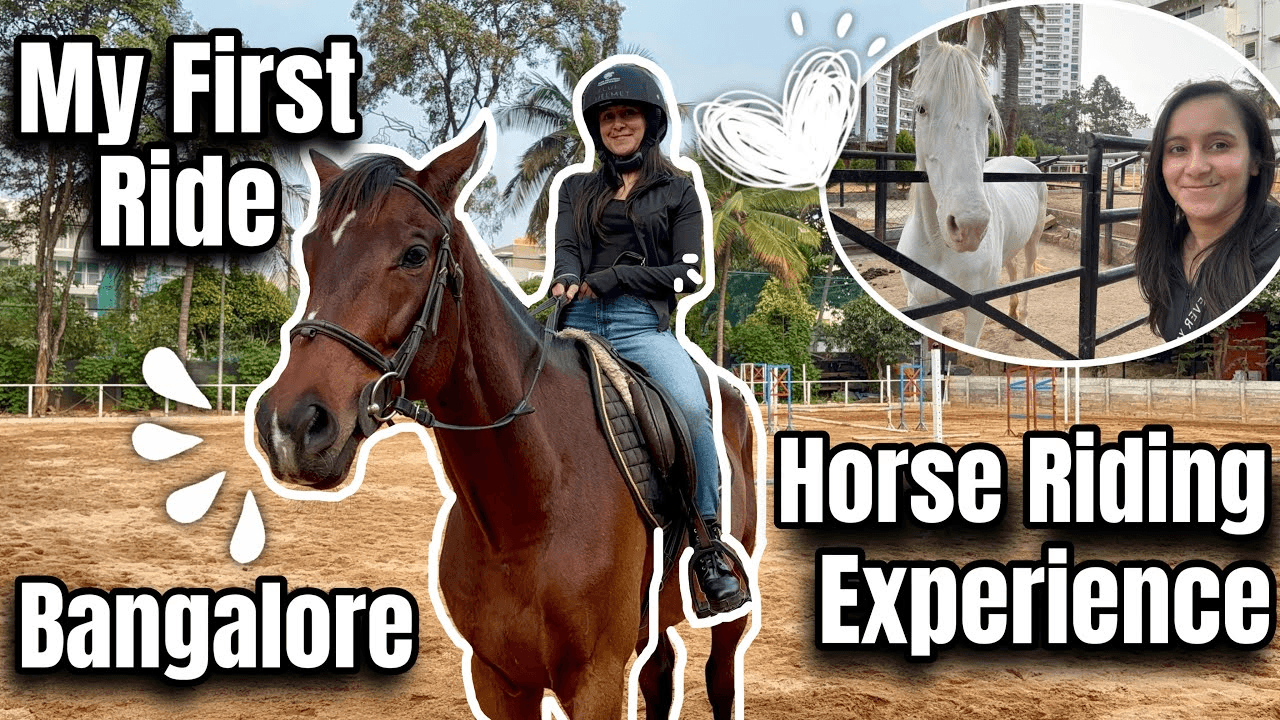
Embarking on your first horse riding experience can be both thrilling and nerve-wracking. As a beginner, you might be unsure of what to expect, but with the right preparations, you can ensure a fulfilling adventure. Start by familiarizing yourself with essential beginner horse riding tips, such as wearing the proper gear and understanding horse behavior. It’s crucial to prioritize horseback riding safety for beginners, ensuring that you are equipped with knowledge about how to mount a horse for the first time, and what to wear for horse riding. With the right mindset and guidance, this first journey into horseback riding may ignite a lifelong passion.
Starting your journey into the world of equestrian activities opens up a realm of excitement and discovery. For novices, the experience of riding a horse for the first time is a remarkable blend of challenge and joy. To ease the transition, new riders should embrace various beginner tips, including learning about horse riding safety and essential equipment. Whether you prefer to call it horseback riding or simply riding, the fundamentals remain the same: preparation, education, and ongoing practice lead to a rewarding experience. As you learn the ropes of this beloved pastime, focus on building your skills and growing your bond with these magnificent animals.
Choosing the Right Riding School for Beginners
Selecting the right riding school is crucial for a positive first horse riding experience. Researching potential schools will involve checking their reputations and examining their facilities. Look for stables that are known for their qualified instructors who have certifications in teaching beginners. Moreover, the environment should feel welcoming and safe, with well-cared-for horses that beginners can comfortably ride. Engaging with online reviews or seeking recommendations from friends can yield insights into which schools may suit your specific needs.
In addition, consider visiting the riding school before formally enrolling. Observing a class can help you gauge the teaching style and the instructor’s interactions with students and horses. Pay attention to how the instructors prioritize horse care and rider safety, as these factors are critical for beginners. Ultimately, a reputable riding school will provide not just riding lessons but also teach important aspects of horse care and behavior, enhancing your overall learning experience.
Essential Riding Gear: What You Need for Your First Ride
Wearing the right gear is essential for anyone embarking on their first horse riding experience. A properly fitted riding helmet is a must; it should comply with safety standards and fit snugly without causing discomfort. Additionally, choosing the right riding boots is vital for maintaining a firm grip in the stirrups. Look for boots that have a small heel to prevent your foot from slipping through the stirrups while riding, which can be dangerous.
Clothing also plays an integral role in ensuring comfort during your riding sessions. Opt for fitted pants or riding tights to minimize chafing while in the saddle. Layers are advisable, particularly in varying weather conditions. It’s important to avoid overly loose garments as they can catch on the horse or restrict your movements. Overall, the right riding gear not only enhances safety but also provides comfort, allowing you to focus on enjoying your ride.
Understanding Basic Horse Riding Terms and Commands
Familiarizing yourself with basic riding terms can greatly assist you during your first horse riding experience. Understanding words like “gait,” which refers to how a horse moves, has significant practical importance. As you learn to ride, you’ll encounter commands for different gaits: walk, trot, canter, and gallop. Knowing these terms will help you communicate better with your instructor and grasp what is expected during your ride.
Additionally, familiarize yourself with terms related to riding equipment like “reins” and “stirrups.” The reins are essential for directing the horse and signaling various commands, while stirrups provide support for your feet when mounted. A clear understanding of these basics will significantly enhance your learning curve and make your initial lessons more effective and enjoyable.
The Importance of Understanding Horse Behavior
Understanding horse behavior is an essential aspect of horseback riding that every beginner should grasp by their first ride. Horses are sensitive animals with distinct personalities, and their behavior can greatly affect how comfortable you feel while riding. Approaching a horse calmly is paramount; sudden movements can startle them, leading to undesirable reactions. Learning how to read a horse’s body language can also help you gauge their mood, whether they are relaxed or agitated.
Therefore, developing a relationship with the horse before mounting is crucial. Take time to build trust through gentle interaction, which can significantly ease both your anxieties and the horse’s. This foundation of understanding creates a more harmonious riding experience, allowing you to both enjoy and connect with the animal during your lessons.
Effective Communication with Your Riding Instructor
Communicating effectively with your instructor during your first horse riding lesson cannot be overstated. Being open about your fears or concerns fosters a supportive learning environment. Instructors are experienced in working with beginners and can tailor their teaching methods to suit your comfort level. Whether you’re feeling anxious about mounting the horse or unsure about the commands, expressing these feelings is integral to your progress.
Your instructor can also provide you with feedback tailored to your needs. Remember, they are there to guide you and can help build your confidence with constructive criticism. Engaging in an open dialogue can enrich your learning experience and help solidify your skills as you embark on this exciting journey.
Learning the Basics: Mounting and Dismounting
Mastering the basics of mounting and dismounting is critical during your first horse riding session. Depending on the horse’s size, the technique can vary; learning to do it correctly ensures both your safety and the horse’s comfort. Your instructor will guide you through the proper steps, which typically involve approaching the horse calmly, placing your left foot in the stirrup, and swinging your leg over the horse’s back gracefully.
Once you’re in the saddle, proper dismounting is equally important to maintain safety. Always ensure you’re ready to safely return to the ground, which might involve sliding down gracefully. Knowing these fundamental skills not only enhances your confidence but also establishes a foundation upon which all other riding skills can be built.
How to Stay Calm and Positive During Your Ride
It’s completely normal to feel nervous or apprehensive before your first horse riding experience. However, maintaining a relaxed demeanor and a positive mindset is crucial for enjoying your ride. One effective technique to manage anxiety is to practice deep breathing. Before and during your lesson, taking deep, controlled breaths can significantly calm your nerves and help you focus on the experience.
Moreover, remember to shift your focus to the enjoyment of the moment rather than stressing about perfection. Think of horseback riding as an adventure where mistakes are just part of the learning process. Cultivating a sense of enjoyment not only enhances your experience but also strengthens the bond between you and the horse.
What to Expect on Your First Horse Riding Lesson
The anticipation of your first horse riding lesson involves knowing what to expect on the day. Arriving at the stable with an open heart can set a positive tone for your experience. You might start your session by grooming the horse, a practice that fosters a connection and instills confidence for when it’s time to ride. Experiencing this pre-ride ritual will deepen your understanding of horse care.
Once you mount, your instructor will likely guide you through foundational exercises while the horse is stationary. This focus on balance and position before moving can help you become comfortable and confident. Expect to engage in simple movements, such as walking and trotting, allowing you to focus on your form and developing a feel for the horse.
Post-Riding Reflection and Improvement
After your first horse riding lesson, taking a few moments to reflect on the experience can be beneficial. Think about what you enjoyed, the fears you overcame, and the skills you learned. Did you find certain aspects challenging? Reflecting on these questions can steer your future lessons and help you set personal goals.
Additionally, don’t hesitate to seek feedback from your instructor. Constructive criticism can provide insights that you might overlook, enhancing your understanding and technique. Acknowledging areas for improvement will ultimately help you grow as a rider and enrich future experiences.
Enjoying the Journey of Horseback Riding
Embarking on a journey in horseback riding is about more than just developing skills; it’s about forging connections with the horse and appreciating the adventure of learning. Each lesson is a stepping stone not just towards becoming a better rider, but also towards understanding and appreciating these majestic animals. Allowing yourself to savor each ride, you gain confidence and skill simultaneously.
As you progress, cultivating patience and a love for the experience will keep you motivated. Riding horses can lead to lifelong friendships and unforgettable memories; relish this journey. Whether your goals include mastering certain techniques or simply enjoying a leisurely ride, the essence of horseback riding is enjoying the process and the bond you create with both your horse and fellow riders.
Frequently Asked Questions
What beginners need to know before their first horse riding experience?
Before your first horse riding experience, it’s essential to find a reputable riding school with qualified instructors. Familiarize yourself with horse riding basics and communicate any concerns with your instructor.
What safety gear should I wear for my first horse riding experience?
For your first horse riding experience, wear a properly-fitted riding helmet, riding boots with a small heel, and comfortable riding pants. These essentials ensure safety and comfort during your ride.
How can I prepare for horseback riding as a beginner?
Prepare for horseback riding as a beginner by researching riding schools, wearing appropriate riding attire, and learning basic horse behavior. Understanding these elements will enhance your first horse riding experience.
What to expect during my first horse riding experience?
During your first horse riding experience, expect to groom your horse, learn basic commands, and practice controlling the horse while it is standing. This gradual approach will help build your confidence.
What should I wear for horse riding as a beginner?
For horse riding as a beginner, wear a helmet, riding boots, and comfortable pants. It’s vital to dress for safety and mobility, ensuring a positive first horse riding experience.
How can I ensure horse riding safety for beginners?
To ensure horse riding safety for beginners, always wear appropriate gear, listen to your instructor, and approach horses calmly. Understanding horse behavior is also crucial to ensure a safe experience.
What tips do you have for mounting a horse for the first time?
When mounting a horse for the first time, approach the horse from the left side, use a mounting block if necessary, and place your foot in the stirrup while swinging your leg over smoothly. Your instructor will guide you through this process.
How do I stay relaxed and positive during my first horse riding experience?
To stay relaxed during your first horse riding experience, breathe deeply and focus on enjoying the moment. Remember that it’s normal to feel nervous, and maintaining a positive mindset will enhance your experience.
What should I know about groom and prepare the horse for riding?
Grooming the horse before riding helps build trust and bond with the animal. Brush the horse to remove dirt, check for any injuries, and saddle them properly as instructed by your trainer.
How do I reflect on my first horse riding experience?
After your first horse riding experience, take time to reflect on what you learned and how you felt. Stretching afterward can help reduce soreness, and discussing feedback with your instructor will aid in your learning.
| Key Point | Details |
|---|---|
| 1. Choose the Right Riding School or Stable | Consider instructor qualifications, facilities, and reviews before enrolling. |
| 2. Wear Appropriate Riding Gear | Use a helmet, riding boots, comfortable pants, and layered clothing for safety and comfort. |
| 3. Familiarize Yourself with Basic Riding Terms | Learn terms like gait, reins, and stirrups to communicate effectively with your instructor. |
| 4. Understand Horse Behavior | Approach horses calmly and learn to read their body language to ensure safety and ease. |
| 5. Communicate with Your Instructor | Share your concerns or questions with your instructor to build confidence. |
| 6. Be Open to Learning | Be patient; mastering riding skills takes time and practice. |
| 7. Stay Relaxed and Positive | Focus on breathing and enjoyment rather than perfection in the beginning. |
| 8. Know What to Expect During Your Ride | Prepare to groom the horse, practice on the ground first, and do simple riding exercises. |
| 9. Post-Riding Tips | Reflect on your experience, stretch, and ask for feedback to improve. |
| 10. Enjoy the Journey | Horseback riding is about connection and enjoyment, not just skill. |
Summary
Your first horse riding experience can be both exciting and nerve-wracking, but with the right preparation, you can make it a rewarding adventure. It’s essential to start by finding a reputable riding school, equip yourself with the necessary gear, and familiarize yourself with basic riding terms. Understanding horse behavior and maintaining open communication with your instructor will ease your transition into riding. Remember to stay relaxed and positive, as this will enhance your journey. Lastly, take time to reflect on your experiences to improve your skills and deepen your connection with horses. Enjoy every moment of this incredible opportunity!