
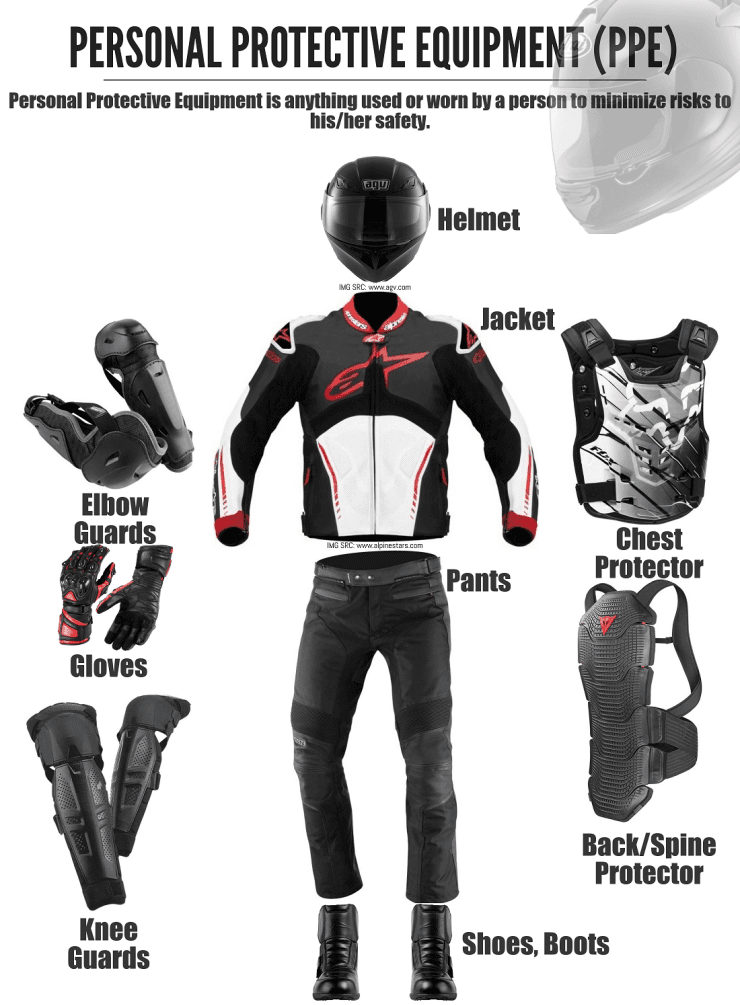
Horse riding safety is paramount for enthusiasts who seek the thrill of riding while protecting themselves and their steeds from potential injuries. Engaging in this exciting activity necessitates equipping yourself with essential horse riding gear, including safety gear for riders that meets high industry standards. Riding helmets, protective vests, and specialized boots form the foundation of effective equestrian safety equipment designed to absorb impact and safeguard riders in case of falls. The importance of riding helmets cannot be overstated, as they play a critical role in preventing serious injuries during unexpected accidents. By prioritizing horse riding safety and utilizing appropriate gear, riders can fully enjoy the adventure and beauty of horseback riding without compromising their well-being.
Ensuring rider safety while horseback riding is fundamental for all equestrians who embrace this captivating sport. By employing the necessary protective equipment, such as well-fitted riding helmets, sturdy boots, and impact-absorbing vests, riders can significantly minimize risks associated with riding. The formulation of rider safety gear not only enhances control but also promotes confidence in various riding disciplines. Understanding the critical role of safety measures in equestrian pursuits is essential for maintaining a secure experience while enjoying the companionship of horses. Regularly updating and maintaining equestrian safety equipment is also vital in providing continued protection and security for both riders and their horses.
The Importance of Riding Helmets in Equestrian Sports
Wearing a riding helmet is crucial for any equestrian, regardless of their skill level. Helmets protect the head during accidental falls, which are unfortunately common in horse riding. It’s essential to select a helmet that meets industry safety standards, such as ASTM or SEI, to ensure maximum protection. These standards guarantee that the helmet is tested for impact resistance, providing peace of mind to riders. Furthermore, helmets must fit correctly, snugly yet comfortably, to be effective, as a loose helmet can shift during impact and fail to provide the necessary protection.
In addition to safety, riding helmets are becoming increasingly stylish and affordable, encouraging riders to adopt this essential gear. With a diverse range of designs and colors available, riders can express their style while prioritizing safety. Moreover, regular helmet checks are crucial; riders should replace their helmets every five years or sooner if they have experienced any impact. Investing in a quality helmet is not only a commitment to personal safety but also sets a good example for novice riders and young children learning the joys of horse riding.
Essential Safety Gear for Riders
Equestrian safety equipment is not limited to riding helmets; there is a plethora of gear designed to enhance rider protection. Items like riding boots, protective vests, and gloves all contribute to a safe riding experience. Riding boots, for instance, are designed with a small heel and a smooth sole to prevent foot slippage through the stirrups, ensuring better stability and control during rides. Riders should choose boots that are durable and comfortable, often opting for leather or synthetic materials that can withstand the rigors of riding.
In addition to boots, gloves provide an extra layer of protection against blisters and improve grip on the reins. Despite being lightweight and sometimes overlooked, these items are critical for maintaining proper control over the horse. Combining traditional gear with modern advancements in materials and design, equestrian safety equipment has evolved significantly, making it easier than ever for riders to prioritize safety without sacrificing comfort or style.
Choosing the Right Protective Vest
A riding vest serves as an essential piece of safety gear, especially for those engaged in more dynamic equestrian disciplines like jumping and cross-country riding. These vests are designed to absorb impact, cushioning the torso during a fall and reducing the risk of injury. It is vital for riders to select a vest that fits well, allowing for adequate movement while maintaining a secure and protective fit. Lightweight, breathable materials are ideal as they help to regulate body temperature during rides, ensuring maximum comfort.
When choosing a protective vest, look for models that meet recognized safety standards and include features for adjustability. Many vests are designed to be worn over layers of clothing, allowing for versatility in different seasons. Safety should never be compromised for the sake of fashion; therefore, riders must ensure that their vests prioritize protection without sacrificing comfort and flexibility.
The Role of Gloves in Rider Safety
Riding gloves may seem like a secondary accessory, but they play a critical role in rider safety. Properly fitted gloves enhance grip on the reins, allowing for better control over the horse. This control is essential not only for performance but also for safety, as a stable grip can prevent accidental losses of control during unexpected situations. When selecting gloves, opt for those made from breathable and durable materials to enhance comfort during long rides.
Besides improving grip, gloves also protect the hands from blisters and abrasions caused by friction with reins. In addition to their practical functions, gloves come in a variety of styles and colors, enabling riders to express personal style while maintaining safety on horseback. Investing in a quality pair of gloves is an essential part of any equestrian’s safety gear arsenal.
The Importance of Effective Riding Boots
Riding boots are a fundamental aspect of equestrian safety, providing essential support and stability to riders. Equipped with a small heel and smooth sole, these boots are designed to prevent feet from slipping through the stirrups during falls. This feature is particularly important as it helps maintain the rider’s position and control when unexpected situations arise. Riders should opt for boots that are not only comfortable but also made with durable materials that withstand the rigors of equestrian activities.
Moreover, the right riding boots can improve performance by providing the necessary grip against the stirrup, enhancing the rider’s ability to communicate effectively with the horse. Whether riding in a cozy arena or venturing out on trails, having the right footwear can make all the difference in a rider’s confidence and safety. Therefore, investing in high-quality riding boots is a must for anyone serious about equestrian sports.
Body Protectors: A Necessary Investment
Body protectors are vital for riders who practice higher-risk disciplines such as eventing or competitive riding. Designed to provide optimal coverage and protection to vital organs and body parts, these protectors can significantly minimize the risk of serious injuries during falls or collisions. When selecting a body protector, it is important for riders to choose one that fits well, conforms to safety standards, and allows for adequate movement without restricting mobility.
These protective garments are typically made from flexible materials that can absorb impact while remaining lightweight. A well-fitted body protector is particularly beneficial for novice riders who may not yet possess the experience to handle the unpredictable nature of horses. By investing in a body protector, riders demonstrate a proactive approach to safety, encouraging a culture of safety awareness in equestrian sports.
The Importance of First Aid Kits for Equestrians
While personal protective gear is essential, having a well-stocked first aid kit on hand during rides is equally critical. Horse riding can pose risks of accidents, so being prepared with the necessary supplies, such as bandages, antiseptic wipes, and other emergency items, is vital. A first aid kit tailored for equestrians may also include products specific to horse-related injuries, emphasizing the importance of having a comprehensive approach to safety.
Familiarizing oneself with the contents of the first aid kit is crucial for riders and their companions. Training in basic first aid can empower riders to respond effectively to minor injuries or emergencies. While no one wants to think about accidents occurring, preparation can make a significant difference when they do, ensuring that all riders have the knowledge and tools to handle situations as they arise.
Visibility Gear for Safer Riding
For riders who enjoy hitting the trails during low-light conditions, using visibility gear is paramount for safety. This includes reflective vests and armbands which enhance a rider’s visibility to drivers and other trail users. Such safety measures are essential, particularly in areas where traffic shares the pathways, ensuring that riders and horses can be seen well in advance. Investing in visibility gear isn’t just a safety precaution; it’s a vital aspect of responsible riding.
The risks associated with low visibility conditions can endanger both the rider and the horse. High-visibility materials alert motorists and other trail users, promoting a safer riding environment. Additionally, equipping horses with reflective gear can further increase safety, making all involved more conspicuous. Prioritizing visibility is a simple yet effective way to enhance safety during evening rides or rides in foggy weather.
Maintaining Horse Riding Equipment
Once riders have invested in essential equestrian gear, maintaining this equipment is crucial to ensure longevity and functionality. Regular inspections of helmets, boots, protective vests, and other gear help identify any areas that may require repair or replacement. For example, checking the integrity of helmet straps, looking for wear on riding pants, and ensuring that boots remain waterproof are all part of responsible gear maintenance.
Additionally, properly cleaning and storing equestrian gear after each ride can vastly improve its lifespan. Keeping riding boots free of mud, ensuring gloves are dry, and checking for any visible damage can increase the efficiency and safety of all riding equipment. By prioritizing regular maintenance, riders not only protect their investments but also ensure safer riding experiences.
Frequently Asked Questions
What is the importance of riding helmets in horse riding safety?
Riding helmets are critical for horse riding safety as they protect your head during falls, which are common in the sport. A properly fitted helmet that meets safety standards can significantly reduce the risk of head injuries, making it an essential piece of horse riding gear.
What are the recommended safety gear for riders while horse riding?
Recommended safety gear for riders includes a riding helmet, riding boots, protective vests, gloves, and horse riding pants. Each gear plays a crucial role in enhancing rider safety, providing protection against falls and improving control while riding.
How do riding boots contribute to horse riding safety?
Riding boots contribute to horse riding safety by providing a smooth sole and small heel that prevent your foot from slipping through the stirrup. They offer stability and support, essential for maintaining control over your horse, particularly in challenging situations.
What is the role of protective vests in equestrian safety equipment?
Protective vests are an important part of equestrian safety equipment, especially for riders participating in jumping or cross-country. They absorb impact during falls, offering additional torso protection and significantly reducing the risk of injury.
Why should gloves be considered essential safety gear for riders?
Gloves are considered essential safety gear for horse riding because they enhance grip on the reins, prevent blisters, and improve overall control. Breathable gloves keep hands comfortable while riding, contributing to better rider performance and safety.
How do body protectors differ from protective vests in horse riding safety?
Body protectors provide a higher level of coverage than protective vests, making them especially beneficial for riders involved in high-risk disciplines like eventing. Both must conform to safety standards, but body protectors typically offer more comprehensive protection against collisions and falls.
What items should be included in a horse riding first aid kit?
A horse riding first aid kit should include antiseptic wipes, bandages, adhesive tape, scissors, and any personal medications. Having this kit accessible enhances rider safety by preparing you for injuries that may occur during riding.
What visibility gear should riders use for safety during low-light conditions?
Riders should use visibility gear such as reflective vests, armbands, or light-up accessories to ensure they can be seen by motorists and other trail users during low-light conditions. This gear enhances safety and helps prevent accidents.
How can riders maintain their safety gear for effective protection?
Riders can maintain safety gear by regularly inspecting helmets for damage, cleaning boots and gloves after use, and checking vests and pants for wear and tear. Proper maintenance extends the lifespan of equipment and ensures reliable protection.
What is the relationship between horse riding safety and proper equipment choice?
The relationship between horse riding safety and proper equipment choice is vital. High-quality safety gear like riding helmets, boots, and protective vests significantly reduces injury risks, allowing riders to enjoy horse riding while prioritizing their personal safety and that of their horse.
| Safety Gear | Purpose | Key Features |
|---|---|---|
| Riding Helmet | Protects head during falls | Fitted, meets safety standards (ASTM, SEI, EN1384), replace every 5 years. |
| Riding Boots | Prevents slipping, provides stability | Smooth soles, small heel, made of leather/synthetic, waterproof options available |
| Protective Vest | Absorbs impact in falls | Lightweight, breathable, flexible, allows layering |
| Gloves | Enhances grip and protects hands | Breathable, snug fit for good tactile feel |
| Horse Riding Pants | Provides comfort while riding | Breathable fabric, reinforced stitching, moisture-wicking |
| Body Protector | Offers additional coverage for higher-risk riding | Conforms to safety standards, safeguards against collisions |
| First Aid Kit | Essential for dealing with injuries | Includes antiseptic wipes, bandages, personal medications |
| Whip or Crop | Enhances rider communication with horse | Used ethically to avoid unpredictable behavior |
| Visibility Gear | Ensures visibility during low-light conditions | Reflective vests, armbands, or light-up elements |
| Maintenance of Equipment | Extends lifespan and effectiveness of gear | Regular inspections and cleaning of all gear |
Summary
Horse riding safety is vital for ensuring a secure and enjoyable experience in this exciting sport. The right safety gear greatly reduces the risks associated with riding, protecting both the rider and the horse. Essential items such as riding helmets, boots, protective vests, and gloves should be prioritized, along with proper equipment maintenance, to create a safe riding environment. Every rider should stay informed about best practices to enhance their skills and safety measures. By taking these precautions, riders can fully embrace the exhilarating journey of horse riding with greater peace of mind.