
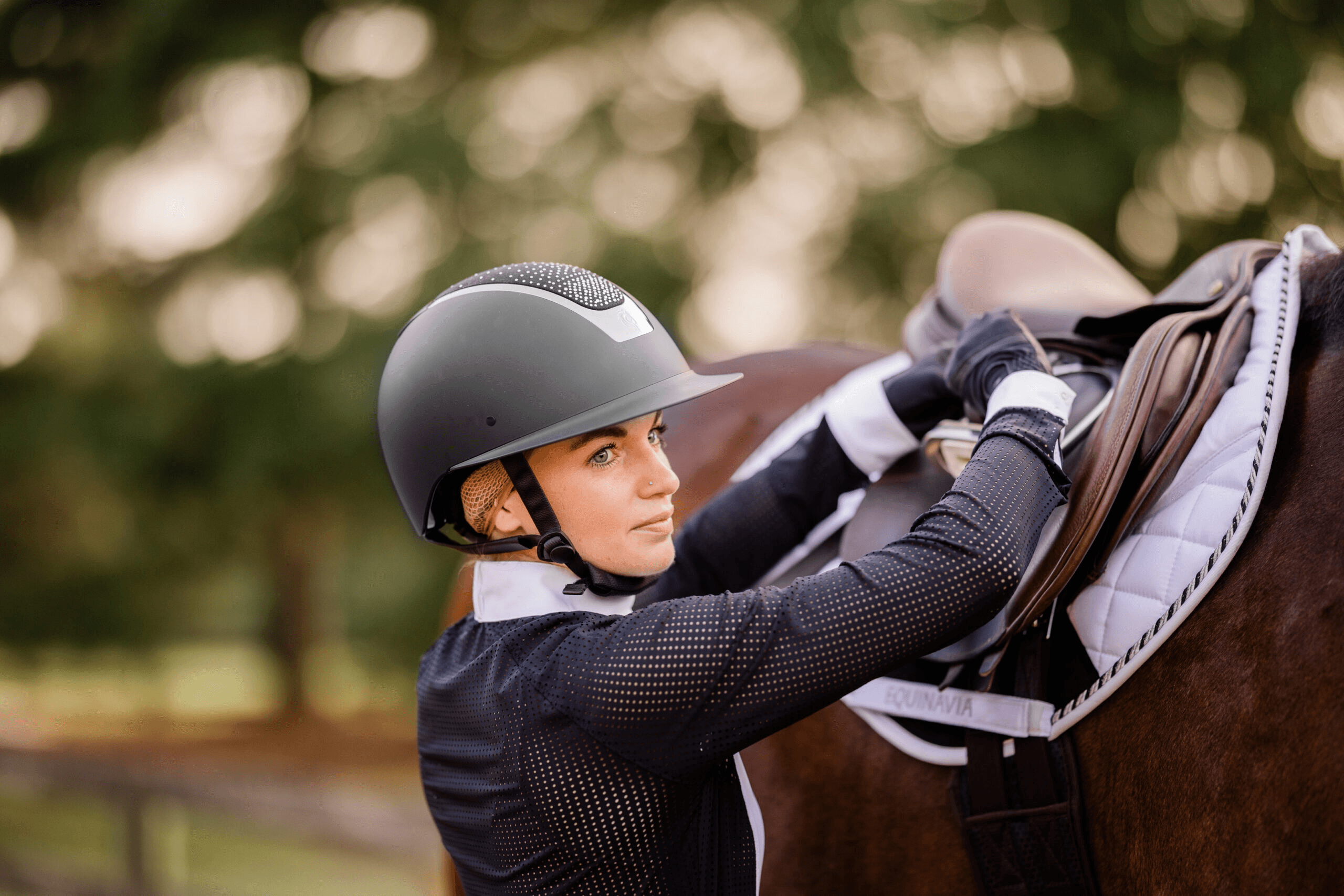
The horse riding experience is more than just a pastime; it’s a thrilling adventure that cultivates a deep bond between rider and horse. Whether you’re a novice seeking your first set of horse riding lessons or an experienced equestrian, the right horse riding gear is crucial for a fulfilling encounter. As you embark on this journey, safety in horse riding should always be your top priority, ensuring that both you and your horse are well-protected. Moreover, effective horse communication is vital, as it enhances the rider’s connection with the horse, resulting in a more enjoyable experience. In this article, we’ll share essential tips for horse riding that highlight the importance of preparation and mindful practice.
Engaging in equestrian activities offers a unique connection to the natural world and the majestic animals involved. This horseback riding journey, whether for leisure or competition, demands not only a keen understanding of horse behavior but also a focus on rider fitness and safety measures. Start with proper instruction from skilled trainers, as structured horse riding lessons can dramatically improve your skills. Moreover, equestrian gear such as helmets, boots, and apparel, are essential for both comfort and protection while riding. Ultimately, these elements create a harmonious experience that enriches your riding adventures.
Essential Horse Riding Gear for Beginners
When starting your journey into horse riding, selecting the appropriate gear is paramount. First and foremost, a certified riding helmet is crucial for your safety. This lightweight accessory protects your head from potential falls, ensuring you can focus on enjoying your riding experience. Additionally, the right riding boots offer enhanced grip and support, preventing your foot from sliding through the stirrup, which is essential for directing your horse effectively.
Beyond just helmets and boots, riding pants, such as breeches or jodhpurs, play a key role in overall comfort. These specially designed pants reduce friction against the saddle and allow you to move freely. Gloves should not be overlooked either; they provide a firm grip on the reins, thereby improving your control during rides. Investing in high-quality, well-fitting riding gear sets a solid foundation for a safe and enjoyable equestrian experience.
Maximizing Your Horse Riding Experience
To truly maximize your horse riding experience, preparation is crucial. Grooming your horse before each ride not only develops your bond with the animal but also offers a chance to inspect them for any potential health issues. Check their coat, skin, and hooves thoroughly, which can alert you to any underlying problems. Furthermore, ensuring your tack is secure and in optimal condition is essential for safety and performance.
Additionally, consider incorporating gentle warm-up exercises for your horse before mounting. Just like human athletes, horses benefit from a good warm-up to enhance their performance and reduce the risk of injury. Starting with a brisk walk or a light trot allows muscles to loosen up, making for a much safer and more enjoyable riding session. These preparatory steps are vital to create a positive horse riding experience.
Finding Qualified Horse Riding Lessons
Embarking on horse riding lessons is key to building your skills and confidence in the saddle. It’s essential to choose a qualified instructor who possesses relevant experience and credentials. An expert instructor can help tailor lessons to meet your individual needs, addressing specific areas of improvement while providing a strong foundational understanding of horse riding.
Additionally, consider the size of the lesson group. Smaller classes offer more personalized instruction, making it easier for beginners to learn at a comfortable pace. A reputable riding facility with well-maintained horses instills confidence and ensures that you receive quality training and care as you progress in your riding journey.
Horse Riding Safety Tips You Should Know
Safety in horse riding cannot be emphasized enough, as it plays a vital role in ensuring a positive and enjoyable experience. A fundamental tip is to ride with a buddy whenever possible, as this provides an extra layer of security. In the event of an accident or emergency, having someone by your side can be incredibly beneficial.
Moreover, being aware of your surroundings while riding is crucial for safety. Be mindful of potential hazards, such as traffic or unpredictable elements in nature. Understanding horse behavior is equally important; recognizing signs of anxiety or discomfort in your horse can prevent accidents and create a safer riding environment.
Tips for Improving Horse Communication
Effective communication with your horse is essential for a successful riding experience. One of the best ways to establish this is through understanding horse body language. Horses are incredibly perceptive to subtle cues, so leaning into their sensitivity can drastically improve mutual understanding. For example, sitting tall and using gentle leg and hand movements can signal changes in direction and speed.
In addition to body language, implementing vocal commands can further enhance communication. Consistent and clear voice cues can reinforce your signals and build a deeper bond of trust with your horse. Utilizing positive reinforcement, like treats or gentle praise after desired behaviors, nurtures a cooperative relationship and makes for a more engaging riding experience.
The Importance of Equestrian Fitness
Equestrian fitness is often an overlooked aspect of horse riding, but maintaining your own physical condition is equally important. Core strength is vital for stability and balance in the saddle. Engaging in exercises such as planks and sit-ups can significantly enhance your riding experience by providing the strength needed to maintain proper posture while riding.
Incorporating flexibility and balance training into your routine through activities like yoga can also have a tremendous impact. Enhanced flexibility allows you to adapt your movements with your horse fluidly, improving overall performance. Additionally, cardio exercises will help build the endurance necessary for longer rides, helping you stay energized and focused throughout your equestrian activities.
Exploring Different Riding Styles
Diving into the world of horse riding introduces enthusiasts to a variety of styles to explore. From dressage to show jumping and western riding, understanding the nuances of each style helps riders choose what aligns best with their goals. Each discipline demands unique skills and techniques, establishing a comprehensive foundation for your future riding endeavors.
Before you commit to a specific styles, consider taking introductory lessons in various disciplines. This multi-faceted approach allows you to gauge what resonates with you most. As you progress, immersing yourself in a chosen style will lead to a more fulfilling and focused riding experience.
Building a Bond with Your Horse
Forging a strong bond with your horse can transform your riding experience completely. Regularly spending time with your horse outside of riding—through grooming, feeding, and simple companionship—can cultivate trust and understanding. The more connected you feel, the more you will communicate effectively, both in and out of the saddle.
Engaging in activities such as groundwork or natural horsemanship can further deepen your relationship. These methods emphasize listening and responding to your horse’s body language, allowing you to develop a mutual appreciation and respect that will enhance your overall performance in riding.
Preparing for Competitions
For riders looking to compete, preparation involves more than just skill; it’s about the overall strategy and mindset. Setting clear and realistic goals is crucial. Know your strengths and areas that need improvement to channel your efforts effectively. Additionally, understanding the competition’s rules and formats can be essential for successful participation.
Moreover, establishing a routine prior to contests can help calm nerves and prepare your horse physically and mentally. This includes familiarizing your horse with the competition environment, utilizing proper warm-ups, and adhering to a structured plan to ensure both you and your horse are at your best on competition day.
Frequently Asked Questions
What gear do I need for a safe horse riding experience?
For a safe horse riding experience, essential gear includes a certified riding helmet, riding boots with a heel, comfortable riding pants, gloves for better grip, and an appropriate saddle. This gear not only ensures your safety but enhances your comfort during rides.
How can I find quality horse riding lessons?
To find quality horse riding lessons, look for qualified instructors with experience, ensure smaller class sizes for personalized attention, and choose lessons that match your riding goals. Research the riding school’s reputation to confirm they offer well-maintained facilities and healthy horses.
What are the essential tips for beginners in horse riding?
Beginner horse riders should focus on getting the right horse riding gear, prioritize safety by wearing a helmet, and consider taking lessons from a qualified instructor. Start with basic grooming of the horse, understand basic horse communication, and practice good posture for stability and control.
How do I communicate effectively with my horse while riding?
Effective horse communication involves understanding body language, using vocal commands consistently, and employing positive reinforcement like treats and praise. This builds trust and enhances cooperation between you and your horse during rides.
What fitness exercises can improve my horse riding experience?
To enhance your horse riding experience, focus on core strength through exercises like planks, develop balance and flexibility with yoga or pilates, and build endurance with cardio workouts like running or cycling. These fitness routines will help you maintain better control and stability in the saddle.
What should I do before riding my horse?
Before riding, spend time grooming your horse to check for any health issues and create a bond. Always check your tack to ensure it’s secure and in good condition, and warm up your horse with gentle exercises like walking and trotting to prepare its muscles.
What safety tips should I follow when horse riding?
Safety tips for horse riding include riding with a buddy, staying aware of your surroundings, and understanding horse behavior. Knowing how to recognize discomfort in your horse can help prevent accidents and ensure a safer ride.
How can I make the most out of my horse riding experience?
Maximize your horse riding experience by investing in the right horse riding gear, taking quality lessons, practicing effective communication with your horse, and maintaining your physical fitness. Prioritize safety and enjoy the bonding experience with your horse.
Why is equestrian fitness important for horse riders?
Equestrian fitness is crucial as it improves your balance, core strength, and endurance, which are all important for effective riding. Being fit enhances your ability to control your horse and reduces the risk of injury while riding.
What are some common mistakes to avoid in horse riding?
Common mistakes to avoid in horse riding include neglecting safety gear like helmets, riding alone without a buddy, failing to warm up your horse, and not paying attention to horse behavior. Always focus on maintaining a strong bond through communication and trust.
| Key Points | |
|---|---|
| Choosing the Right Gear | Invest in safety gear including helmets, boots, and gloves to enhance your riding experience. |
| Preparing for Your Ride | Groom your horse, check tack, and warm up your horse to ensure a smooth ride. |
| Finding the Right Lessons | Select qualified instructors, smaller class sizes, and suitable riding styles to enhance your skills. |
| Learn to Communicate with Your Horse | Build a bond with your horse using body language, voice commands, and positive reinforcement. |
| Health and Fitness for Riders | Maintain core strength, balance, flexibility, and endurance for better riding performance. |
| Safety Tips | Ride with a buddy, stay aware of your surroundings, and understand horse behavior for safety. |
Summary
Horse riding experience offers a profound connection with nature and these majestic animals. To enhance your riding journey, it’s crucial to invest in quality gear, seek professional lessons, and prioritize safety. Establishing a bond with your horse through effective communication will not only enrich your experience but also improve your skills on horseback. Embrace the adventure, stay safe, and enjoy the unique beauty that each ride brings.