
Horse riding tips are essential for anyone looking to improve their equestrian skills and ensure a positive experience with their horse. Whether you are just starting out or seeking ways to refine your technique, incorporating practical advice can enhance both your confidence and enjoyment in the saddle. From understanding horse behavior to applying riding safety tips, these insights pave the way for more successful rides. Aspiring riders can significantly benefit from expert guidance, which not only helps in improving riding skills but also fosters a deeper connection between horse and rider. Being well-informed can make all the difference in your journey through the world of horseback riding.
Embarking on a horseback riding adventure requires not only passion but also a solid understanding of the fundamentals involved in equestrian activities. Beginner riders, as well as experienced equestrians, can gain invaluable knowledge by focusing on key aspects like effective riding techniques and safety practices. Insights on horse anatomy and behavior significantly aid in developing a respectful partnership with your equine companion. Additionally, creating a structured approach to learning can lead to steady progress and heightened enjoyment. Ultimately, mastering the art of horse riding is a continuous journey enriched by perseverance and practice.
Understanding Your Horse’s Behavior
A crucial aspect of successful horse riding lies in understanding your horse’s behavior and psychology. Each horse exhibits unique traits influenced by its breed, past experiences, and environment. By spending quality time with your horse, observing its reactions, and interpreting its body language, you can foster a deeper connection and create trust. Understanding how your horse behaves in various situations allows you to take appropriate actions, making your riding experience more harmonious.
Moreover, recognizing signs of stress or discomfort in your horse is essential for safety and performance. Horses communicate through their ears, eyes, and body posture. For instance, pinned ears may indicate irritation, while a relaxed stance suggests comfort. Being attuned to these signals not only enhances your riding skills but also builds your confidence as a rider, allowing you to anticipate your horse’s needs and respond effectively.
Essential Horse Riding Equipment
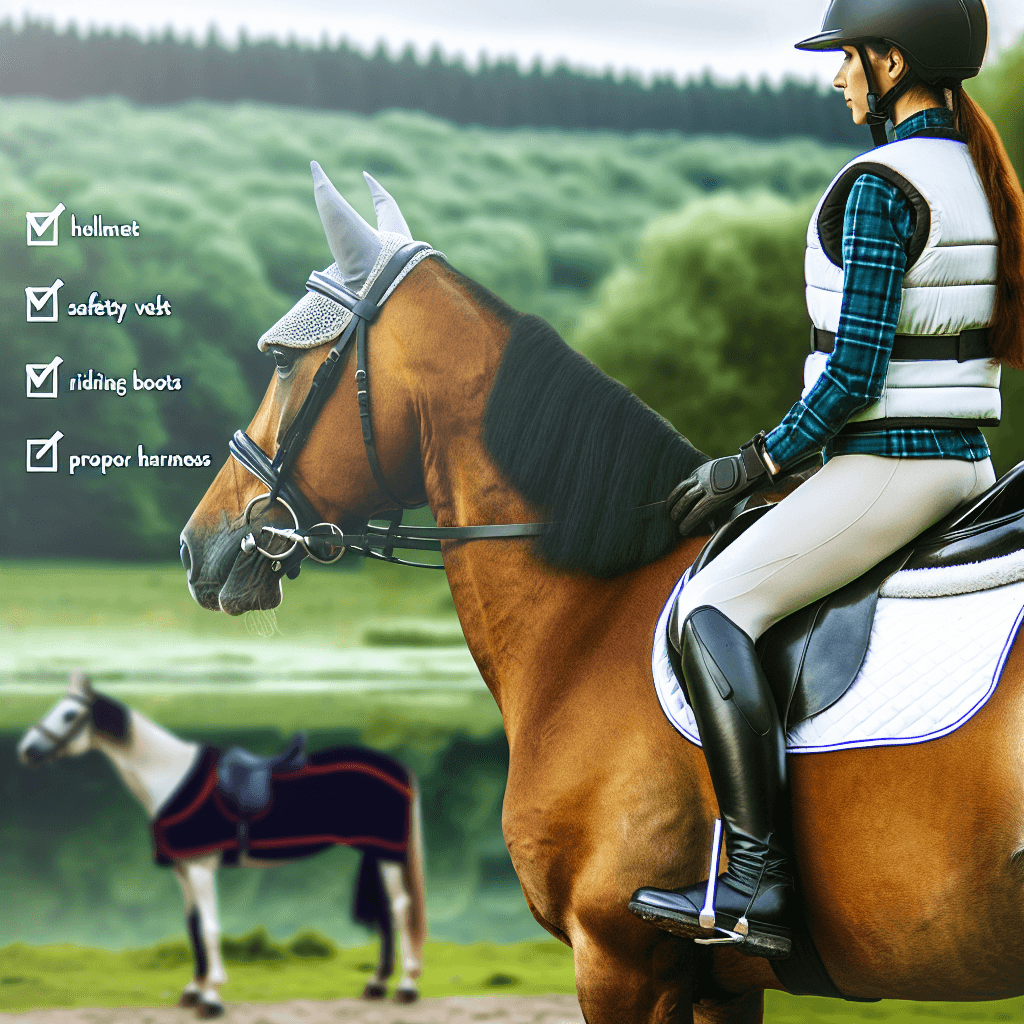
The right equipment is fundamental to enhancing your horse riding experience. Invest in high-quality gear that fits both you and your horse well. The saddle should not only be comfortable for the rider but should also distribute weight evenly on the horse’s back. An ill-fitting saddle can cause pain, leading to a host of behavioral issues in your horse. Likewise, proper helmets and boots are critical for ensuring rider safety and comfort, serving as essential pieces of equipment during your rides.
Additionally, regularly maintain your equipment to ensure its effectiveness. Clean your tack after each ride, inspect for wear and tear, and adjust settings to fit your horse’s needs. Well-maintained equipment not only enhances safety but also improves your riding performance. Understanding the role of each piece of equipment allows you to make informed decisions about what to use for different riding scenarios, aiding you in your journey toward mastery.
Investing in Riding Lessons
Riding lessons are invaluable in the journey to becoming a proficient rider. A qualified instructor can identify areas for improvement, provide tailored feedback, and help you develop essential skills. Whether you’re a beginner or an advanced rider, lessons can focus on specific techniques such as jumping, dressage, or endurance riding. Continuous practice under expert guidance ensures you build a solid foundation and instills confidence, enabling you to tackle progressively challenging tasks.
Moreover, lessons promote safety and reinforce correct riding habits. In a structured environment, you can learn the proper techniques for handling various situations, improving both your skill set and your horse’s responsiveness. This investment in professional instruction not only sharpens your riding skills but also deepens your understanding of equestrian principles, benefiting both you and your horse significantly.
Importance of Groundwork Practices
Groundwork is an essential component of horse training that establishes respect and communication between you and your horse. This practice involves exercises such as lunging, leading, and desensitization, which help to reinforce your leadership role without the complexity of riding. Through groundwork, you can develop your horse’s obedience and responsiveness, setting the stage for successful mounted work. This fundamental step is often overlooked but plays a critical role in ensuring a safe and enjoyable riding experience.
Additionally, engaging in groundwork helps build a bond with your horse that translates into improved performance when you’re in the saddle. It allows both horse and rider to learn alignment and timing while also fostering trust. The skills acquired during these sessions create a strong communication link that can help alleviate anxiety in both horse and rider, leading to more enjoyable riding sessions and an overall improved partnership.
Mastering Your Riding Position
Your riding position significantly affects your control, balance, and comfort while riding. Keeping your heels down, back straight, and shoulders relaxed is essential for maintaining an effective position. A correct seat not only improves your riding ability but also minimizes fatigue over longer distances. Remember to frequently check your posture during rides, as maintaining the right position helps prevent injuries and promotes confidence. It can also enhance the horse’s performance, as a balanced rider encourages better movement.
Moreover, adjusting your position according to the gait of your horse is crucial. For instance, the way you position your body during walk, trot, and canter will differ. Training yourself to be adaptable enhances your riding skills and allows for smoother transitions. Understanding how your body communicates with the horse through correct positioning will lead to a more synchronized ride, resulting in an enjoyable experience for both you and your horse.
Building a Strong Bond with Your Horse
Creating a strong bond with your horse is essential for a fulfilling riding experience. Engage in activities beyond riding, such as grooming, feeding, and leisure time together. These moments help build trust and familiarity, which contribute to a more cohesive riding partnership. A horse that trusts its rider is more likely to be responsive and cooperative, making your rides smoother and more enjoyable.
Furthermore, communication plays a pivotal role in strengthening this bond. Use gentle touches and verbal cues to convey your intentions and emotions to your horse. The more you communicate effectively, the better your horse will respond to your signals when riding. This mutual understanding fosters a stronger connection, enhancing both your skills as a rider and the overall enjoyment of your shared experiences.
Understanding Equine Body Language
Understanding basic horse behavior and body language is crucial for improving your riding skills. Horses are sensitive animals, and observing their signals can help you interpret their emotions and reactions, leading to safer riding experiences. For instance, if a horse’s ears are back, it may be an indication of irritation or discomfort. By becoming aware of these signs, you can respond appropriately to maintain control and avoid potential issues.
Learning about horse behavior also helps in anticipating reactions in different situations. For example, knowing how a horse reacts to various stimuli can prepare you for unexpected moments during a ride. The better you are at reading your horse, the more empathetic you can be in your riding approach, enhancing both your confidence and your horse’s comfort level during rides. By integrating this understanding into your training, you can create a more harmonious partnership.
Setting Achievable Riding Goals
Establishing realistic and measurable goals is vital for improving your riding skills. Whether you aim to master a specific technique, enhance your confidence, or compete in events, setting clear objectives provides direction and motivation. Breaking down larger goals into smaller milestones makes the journey less overwhelming and allows you to celebrate progress along the way. This focused approach keeps you engaged and reinforces positive learning experiences.
Additionally, tracking your progress is essential. Regular evaluations of your riding skills can help you identify areas needing improvement and acknowledge achievements. Sharing your goals with an instructor or mentor can also lead to constructive feedback and support. Remember, patience is crucial; progress in horse riding often comes in small increments, and each ride is an opportunity to grow and refine your abilities.
Engaging with the Riding Community
Joining a riding community offers various benefits that can significantly enhance your horse riding journey. Engaging with fellow riders provides opportunities to share experiences, learn new techniques, and receive advice. Whether partaking in group rides or attending local events, being part of a community fosters a supportive environment conducive to growth and improvement. Fellowship with other riders also serves as an avenue for motivation and encouragement as you navigate your riding journey.
Moreover, riding alongside others can expose you to diverse training styles and philosophies. Observing and interacting with more experienced riders allows you to pick up valuable tips and insights. This communal aspect of horse riding not only makes training enjoyable but also builds lasting friendships that enrich your overall experience with horses. Embrace the collective wisdom available within riding communities to bolster your skills and enjoyment.
Prioritizing Safety in Riding
Safety should always be your top priority when participating in horseback riding. Knowledge of riding safety tips, such as wearing appropriate gear and understanding your horse’s behavior, can significantly reduce the risk of accidents. Always wear a helmet, choose suitable footwear, and inspect your equipment before every ride. By prioritizing safety, you create an environment where both you and your horse can thrive.
Additionally, staying informed about first-aid procedures and riding regulations is vital for any rider. Knowing how to react in emergencies can make a significant difference, ensuring both you and your horse remain safe. Riding in pairs or groups enhances safety, especially during trail rides or competitions. Communicate your plans with others, and always remain vigilant while riding to effectively manage any potential hazards.
Frequently Asked Questions
What are essential horse riding tips for beginners?
For beginners, essential horse riding tips include understanding your horse’s behavior, wearing proper safety gear, and taking riding lessons. Getting to know your horse can enhance your confidence and the overall riding experience. Don’t forget to practice groundwork to build a strong foundation.
How can I improve my riding skills effectively?
Improving your riding skills involves taking professional riding lessons and consistently practicing. Focus on your position in the saddle and spend time understanding horse behavior to develop a better partnership with your horse. Setting realistic goals can also guide your progress.
What are the best riding safety tips for new riders?
New riders should prioritize safety by always wearing a helmet, wearing appropriate riding boots, and ensuring their tack fits correctly. It’s recommended to ride with a buddy, stay within designated riding areas, and be informed about basic horse behavior to anticipate potential issues.
Why is understanding horse behavior important for riders?
Understanding horse behavior helps riders anticipate and respond appropriately to their horse’s reactions. Knowledge of equine body language and instincts, such as their flight response, allows for safer and more enjoyable riding experiences.
What equestrian advice should I follow during lessons?
During riding lessons, focus on maintaining a good position and listen attentively to your instructor’s feedback. Don’t hesitate to ask questions about techniques or tips for improving your riding skills. Practicing what you learn can greatly enhance your ability.
How can groundwork improve my horse riding experience?
Groundwork enhances your horse riding experience by building respect and communication between rider and horse. Engaging in groundwork exercises helps establish your leadership and strengthens your bond, which translates to better performance when mounted.
How do I build a better connection with my horse?
To build a better connection with your horse, spend quality time together through grooming and positive interaction. Communicate through gentle cues and patience, which will enhance trust and make your rides more enjoyable.
What realistic goals can I set to improve my horse riding skills?
Realistic goals for improving your horse riding skills might include mastering basic riding techniques, achieving a specific level in jumping, or riding solo confidently. Celebrate small achievements along the way to stay motivated.
Is joining a riding community beneficial for development?
Yes, joining a riding community can significantly benefit your development as it provides support, advice, and shared experiences. Engaging with other riders can lead to friendships and mentorship opportunities that enhance your riding journey.
What should I do to stay safe while riding?
To stay safe while riding, follow basic safety regulations, ride with a buddy, and keep your equipment well-maintained. Regularly check your horse’s health and be informed about first-aid techniques specific to horseback riding.
| Tip | Description |
|---|---|
| Understand Your Horse | Learn about your horse’s behavior and body language to foster trust and a stronger bond. |
| Proper Equipment Matters | Ensure your saddle and bridle fit well and wear appropriate safety gear. |
| Take Riding Lessons | Enhance your skills and confidence through structured learning with a qualified instructor. |
| Practice Groundwork | Establish respect and communication with your horse before riding. |
| Focus on Position | Maintain an optimal riding position for better control and comfort. |
| Build a Connection with Your Horse | Positive interactions strengthen your bond and improve performance. |
| Understand Basic Horse Behavior | Familiarity with horse instincts can lead to safer and more effective riding experiences. |
| Set Realistic Goals | Track your progress and maintain motivation through achievable milestones. |
| Join a Riding Community | Connect with other riders for support, advice, and shared experiences. |
| Stay Safe and Informed | Prioritize safety by knowing regulations and performing regular health checks on your horse. |
Summary
Horse riding tips are crucial for both novice and experienced riders seeking to enhance their riding experience. Understanding your horse and having the right equipment are foundational elements that contribute to safety and comfort. Taking lessons can refine skills, while groundwork establishes respect and communication. Positioning matters significantly for control and balance during rides, and bonding with your horse enhances performance. Additionally, understanding equine behavior and setting realistic goals can lead to a fulfilling riding journey. Finally, integrating into a riding community fosters camaraderie and support, ensuring that safety remains a priority throughout your horseback riding experiences. Every ride is an opportunity to learn, so embrace these tips to enjoy each moment!