
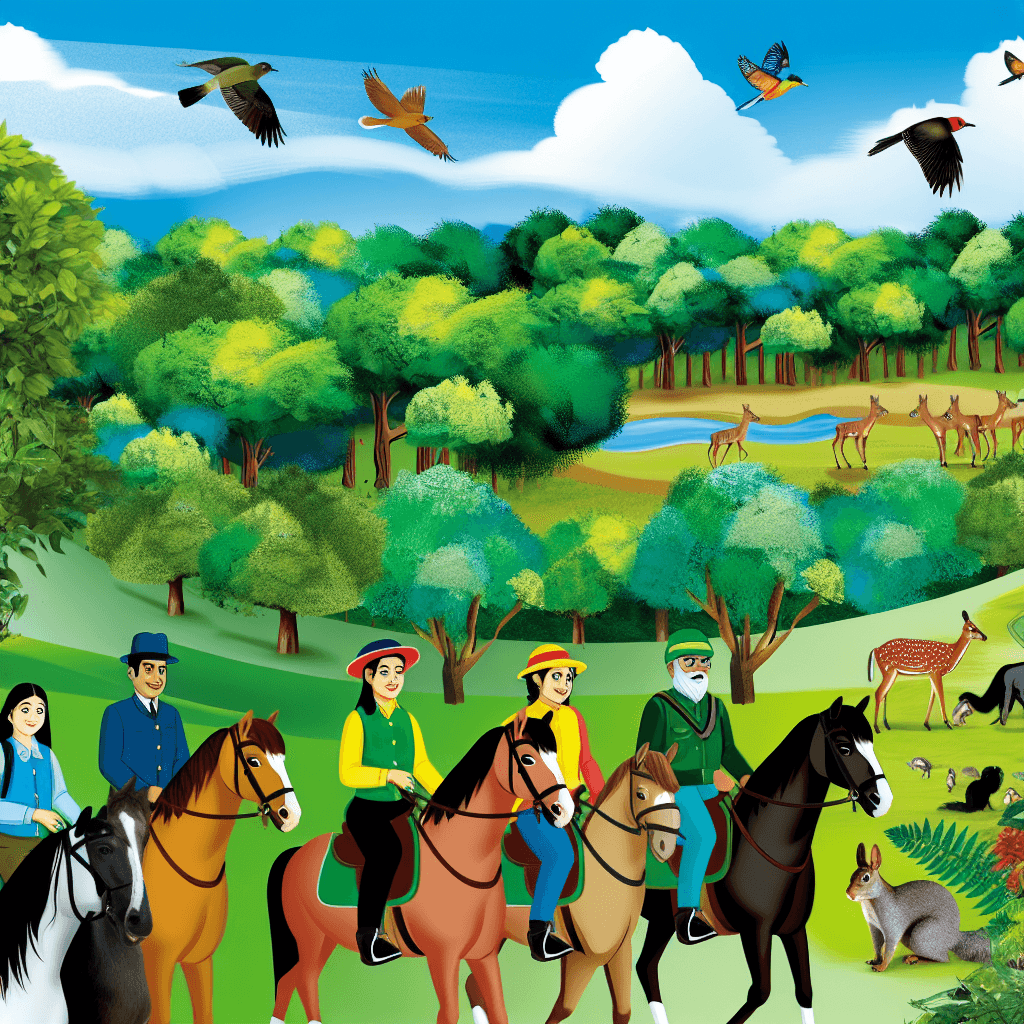
The Environmental Impact of Horse Riding is a crucial topic for equestrians and nature lovers alike. While horse riding is a cherished outdoor activity that fosters a deep connection to nature, it is essential to recognize the potential environmental implications associated with it. From the erosion of soil to water pollution, the impact of equestrian activities can ripple through local ecosystems, affecting both wildlife and plant life. However, responsible horse ownership can mitigate these effects significantly by embracing sustainable riding practices. In this article, we will explore how riders can champion the horse riding environment, ensuring that our passion for horseback riding contributes positively to conservation efforts.
Exploring the ecological consequences of horseback riding brings us to an important discussion on equestrianism and stewardship of the environment. This beloved pastime, while offering a unique way to engage with the natural world, also presents challenges that call for awareness and action among riders. Responsible riding not only enhances the experience for the horse and rider but also addresses concerns related to land use, habitat preservation, and the sustainability of local environments. By adopting practices that prioritize the health of our ecosystems, we can enjoy our journeys through the woods while safeguarding the environment we cherish. Ultimately, understanding the relationship between riding and ecological well-being is key to fostering a culture of conservation within the equestrian community.
The Importance of Sustainable Riding Practices
Sustainable riding practices play a critical role in preserving the natural landscapes that horse riders cherish. As the equestrian community grows, so does the need for responsible behaviors that protect our environments from the harmful effects of riding activities. This involves choosing trails that have been established to minimize ecological disruption and fostering awareness about local ecosystems among riders. By prioritizing sustainable practices, we ensure that the joy of horse riding can be experienced by future generations without harming the natural world.
One way to advocate for sustainable riding practices is to engage with local trails and conservation groups. Many regions have organizations dedicated to maintaining horse trails and protecting wildlife. Riders can take proactive steps by volunteering for trail maintenance or supporting initiatives that promote the use of high-quality, sustainable materials in the equine industry. Educating oneself and fellow riders about the importance of sustainable riding can lead to a positive ripple effect throughout the community, encouraging more people to take part in eco-friendly initiatives.
Frequently Asked Questions
What is the environmental impact of horse riding on local ecosystems?
Horse riding can significantly disrupt local ecosystems by altering habitats, leading to soil erosion, and negatively affecting wildlife. Riders should be mindful of their trails and stick to established paths to minimize damage.
How does sustainable riding practices help reduce the environmental impact of horse riding?
Implementing sustainable riding practices, such as using designated trails, managing waste properly, and supporting conservation efforts, helps maintain ecological balance and protects natural habitats from the adverse effects of equestrian activities.
What steps can riders take to mitigate the impact of equestrian activities on the environment?
Riders can mitigate environmental impact by practicing responsible horse ownership, including proper manure disposal, selecting sustainable riding equipment, and educating themselves about local ecosystems.
How can horse care and environment affect trail sustainability?
Proper horse care, including maintaining hoof health and cleaning gear, promotes environmental sustainability by reducing the spread of invasive species and minimizing soil compaction and erosion on trails.
What are the best practices in conservation and horseback riding?
Best practices include adhering to ‘Leave No Trace’ principles, supporting local conservation projects, and using eco-friendly riding gear to ensure a minimal footprint while enjoying horseback riding.
How does water pollution result from horse riding, and how can it be prevented?
Water pollution from horse riding stems from runoff containing manure. Properly disposing of waste, using manure as fertilizer in designated areas, and selecting riding locations away from water sources can help prevent this issue.
What is the relationship between invasive species and horse riding?
Horse riders can inadvertently spread invasive species by transporting seeds through hoofs and gear. Cleaning equipment and being aware of local flora can prevent the introduction of non-native plants during rides.
Why is it important for riders to engage with local conservation efforts?
Engaging with local conservation efforts allows riders to support environmental preservation initiatives, contribute to sustainable land management, and foster a community-wide commitment to reducing the environmental impact of horse riding.
How can riders educate themselves about the environmental impact of horse riding?
Riders can educate themselves by attending workshops, participating in rider organizations, and exploring resources that focus on sustainable riding practices and ecological awareness.
What are the benefits of practicing responsible horse ownership in terms of environmental impact?
Practicing responsible horse ownership, like proper waste management and sustainable land use, ensures that riders lessen their environmental impact while supporting healthier ecosystems and enhancing the enjoyment of outdoor experiences.
| Key Areas of Environmental Impact | Impact Description | Rider Responsibility |
|---|---|---|
| Land Use and Habitat Disruption | Disrupts wildlife and ecosystems, leads to soil erosion. | Stick to established trails. |
| Soil Compaction and Erosion | Horse weight can compact soil, causing erosion and runoff. | Choose sustainable routes and ride during dry seasons. |
| Water Pollution | Horse manure runoff can contaminate waterways. | Ensure proper waste disposal and avoid water sources. |
| Invasive Species | Horses can spread non-native plant species. | Clean hooves and gear before leaving riding areas. |
Summary
The environmental impact of horse riding is a critical consideration for every rider. By understanding how this activity affects land use, soil integrity, water quality, and biodiversity, riders can take actionable steps to minimize their ecological footprint. Simple practices like sticking to trails, ensuring proper waste disposal, and supporting conservation efforts can significantly contribute to sustainable riding. Educating oneself about local ecosystems and engaging with the riding community can also foster a culture of responsibility and environmental stewardship. Ultimately, responsible horse riding not only benefits the environment but enhances the overall riding experience, allowing individuals to enjoy nature while preserving it for future generations.