
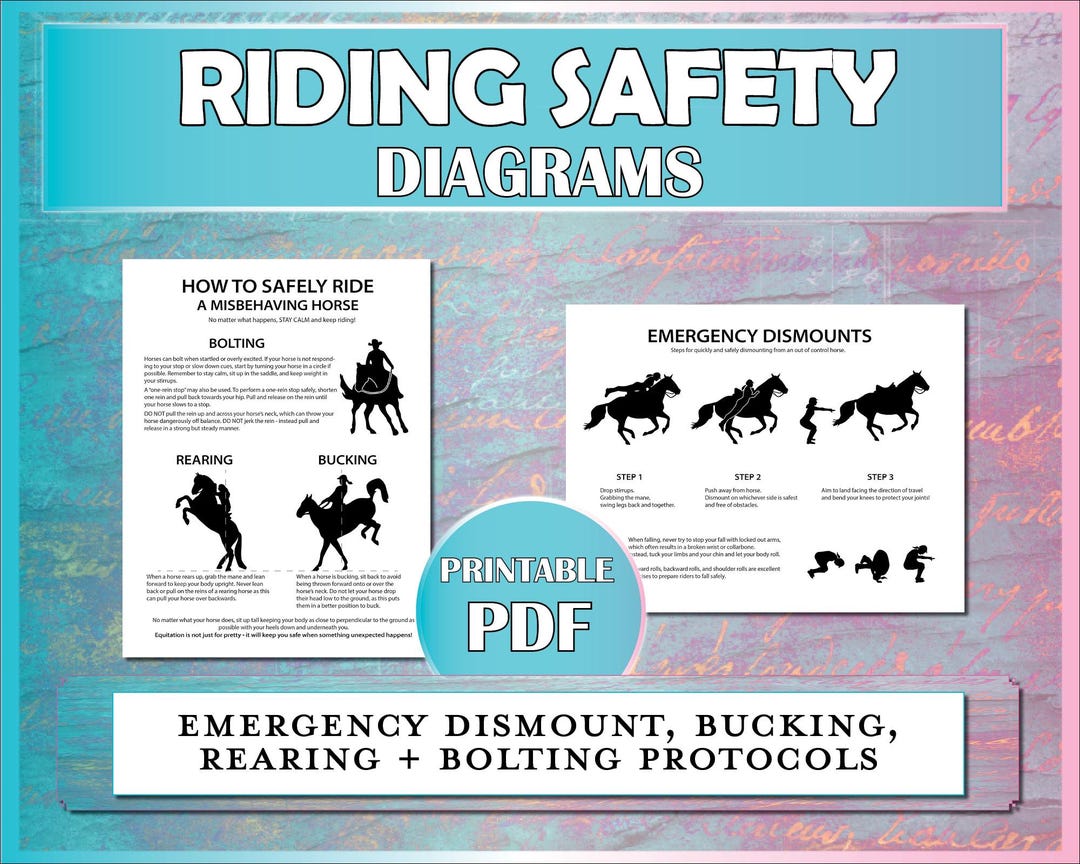
Horse riding safety is a paramount concern for riders of all levels, from novices to seasoned equestrians. Engaging in this exhilarating sport requires not just skills, but a solid foundation of safety measures to protect both the rider and the horse. Understanding crucial horse riding tips such as wearing appropriate rider safety gear and ensuring the integrity of your horse riding equipment can significantly minimize risks while enjoying your time in the saddle. Whether you’re taking horseback riding lessons or hitting the trails with friends, practicing riding safety tips will help to create a safe and enjoyable experience. By prioritizing these safety precautions, you can focus on what truly matters – bonding with your horse and enjoying the ride.
The art of horseback riding encompasses a unique blend of thrill and responsibility, emphasizing the importance of rider safety. As equestrians embark on this adventurous journey, understanding riding techniques, proper equipment, and best practices for handling horses becomes essential. Whether you’re a beginner looking to take horse riding lessons or an experienced rider seeking to polish your skills, knowing how to ride safely is crucial. Key aspects such as utilizing effective riding safety tips and ensuring the right rider safety gear can greatly enhance your overall experience. By fostering a culture of safety, riders protect themselves and their majestic companions while forging unforgettable memories in the saddle.
Understanding Your Horse’s Behavior: A Safety Foundation
Understanding your horse is fundamental to ensuring both your safety and their well-being. Each horse has a unique personality and behavior that can significantly influence your riding experience. For instance, some horses are easily startled, while others may be more predictable and calm. Spending time observing your horse not only helps you recognize these traits but also allows you to build a bond, making it easier to manage them during ride. A horse that trusts its rider is less likely to react aggressively or suddenly, contributing to a safer riding environment.
In addition to recognizing your horse’s behaviors, it is equally essential to monitor their body language. A horse’s ears, tail, and overall posture can provide vital clues about their comfort level and mood. For example, pinned ears can indicate irritation or fear, while a relaxed posture signifies a content horse. By tuning into these signals, you can take proactive steps to avoid potential riding issues and maintain a safe environment, ultimately enhancing your overall riding experience.
Before mounting, make a practice of checking equipment. A well-fitted saddle and bridle can ensure both comfort for the horse and safety for the rider. Gear can wear down over time, so regular maintenance checks are essential to prevent accidents that might arise from faulty equipment. Paying attention to the details of your horse’s setup is crucial for a stable riding experience.
It’s worth noting that developing a good understanding of your horse entails more than just their behavior; it also involves their temperament. Different breeds and individual horses can react differently to similar situations. New riders, in particular, should take caution to choose a horse that matches their experience level, as a nervous horse may add stress to a beginner, leading to potential accidents. Engaging with knowledgeable trainers or experienced riders can help you make informed choices about horse selection that support both rider and horse well.
Choosing the Right Horse Riding Equipment for Safety
Selecting the appropriate horse riding equipment is a cornerstone of riding safety. Quality gear not only enhances your performance but also minimizes the risk of accidents. Items such as riding boots, helmets, and saddles are critical components of a safe riding setup. A properly fitted riding helmet is a must-have; it protects your head against potential injuries in case of a fall. Make sure to choose a helmet that meets safety standards and fits snugly for the best protection.
Moreover, the right riding boots can make a significant difference in your safety while mounted. High-heeled boots are recommended as they prevent the foot from slipping through the stirrup, a common danger among riders. When selecting boots, look for those that provide adequate ankle support and are crafted from durable materials. Investing in quality riding apparel, like tightly woven long pants, can help protect your legs from scrapes and bruises, further contributing to your overall protection while riding.
While the right attire is necessary, maintaining and routinely checking your riding equipment is equally important. Equipment such as stirrups and saddles should be regularly inspected for wear or faults. Loose stirrups can cause instability, while a worn saddle may become uncomfortable, distracting you from your riding technique and ultimately putting you at risk for injury. Establish a routine inspection and maintenance schedule to keep your gear in top shape and minimize the risk of accidents.
In addition, using specialized gear such as safety vests can provide extra protection while riding. These areas of protective equipment help shield against potential impact and can be particularly helpful if you’re engaging in faster-paced riding disciplines. Ultimately, taking the time and effort to choose and maintain high-quality riding equipment will significantly enhance your safety and performance in the saddle.
Essential Riding Safety Gear for Every Rider
The right riding safety gear is non-negotiable for any horse rider. Wearing a certified riding helmet is critical because it absorbs impact and may prevent serious injuries. Choose a helmet that fits well and complies with the relevant safety regulations. Always ensure that you wear the helmet while mounted, as a split second could lead to an unforeseen accident. It’s not worth the risk to ride without this essential safety equipment.
In addition to a helmet, proper footwear and apparel are vital. Riding boots should have a sturdy heel and be made from durable materials to protect your feet from accidental kicks. Avoid shoes with laces or slippery soles, as they can increase the risk of slipping out of the stirrup. Long pants, preferably made from a durable fabric, should be worn at all times to protect your legs from saddle rubs and environmental hazards. Being appropriately attired can greatly contribute to your overall riding safety.
Instructor-led riding lessons often emphasize the importance of wearing safety gear. If you’re a newcomer to riding, a professional instructor can help educate you on the dos and don’ts of proper riding attire and equipment. These lessons not only teach you how to ride correctly but also instill the significance of safety gear from the outset, fostering a cautious approach to the sport.
It’s also wise to consider wearing additional protective gear such as gloves and body protectors, particularly if you’re riding in more advanced settings. While some may feel intimidated or encumbered by too much gear, remember that these accessories significantly enhance your safety and comfort during rides.
Learning Riding Techniques: Tips for Safety
Mastering proper riding techniques is essential for maintaining safety while riding. Understanding balance and posture can significantly decrease the chances of falling. Engaging your core while riding helps you maintain a secure position in the saddle, enabling you to react quickly to your horse’s movements. This awareness allows you to stay in control, reducing the likelihood of accidents caused by unexpected horse actions.
For beginners, taking lessons from experienced instructors is invaluable. Certified riding coaches will teach you the essential techniques necessary to ride safely, such as rein management, leg position, and correct body alignment. These foundational skills are critical for maintaining a safe riding experience, as they inherently promote better horse control and communication.
Additionally, riding in a controlled environment initially can help build your confidence. Starting in a quiet arena allows you to practice essential riding techniques without the added distractions that occur on trails or in open settings. Once you are comfortable, gradually introduce new challenges into your riding routine to cultivate your skill set safely.
Be mindful of practicing techniques such as turning and stopping correctly. Understanding how to communicate effectively with your horse through your body language fosters safety by establishing a partnership based on trust and communication. Therefore, developing your riding skills can lead to safer experiences while enjoying the unique bond between rider and horse.
Importance of Ground Handling: Riding Safety Tips
A significant portion of riding safety involves effective ground handling. Most accidents occur when riders are on the ground, making it important to learn the correct techniques for approaching and handling your horse. Always approach your horse from the side, as this reduces the chances of startling them. Being mindful and calm during these interactions can significantly reduce risks for both rider and horse.
Another crucial aspect of ground handling is proper leading techniques. When you lead a horse, grip the lead rope firmly yet gently, maintaining a steady stance beside their shoulder. This positioning allows you to maintain control while keeping your horse calm. Familiarity with your surroundings while handling your horse is equally essential; always remain vigilant regarding other horses, obstacles, and people around you, as these factors could potentially startle your horse and lead to hazardous situations.
Training sessions emphasizing ground handling can also reinforce these skills. Many professional trainers incorporate groundwork exercises into their teaching to ensure riders understand the importance of safety, control, and partnership even before mounting. Practicing these exercises regularly helps to forge a reliable bond between horse and rider, enhancing safety on the ground and during rides.
Thus, by honing your ground handling skills, you build a strong foundation for safe riding practices. Remember that effective communication and patience are key components of managing your horse on the ground and transitioning those skills into the saddle. The more proficient you become at ground handling, the safer your riding experiences will be.
Benefits of Riding with a Buddy for Safety
Riding with a buddy offers significant advantages regarding safety. There is strength in numbers; having another person alongside you can help in emergencies, provide motivation, and enhance the overall experience. Whether you are a novice rider or an experienced equestrian, it is always wise to ride with at least one other person, as they can assist in case of accidents or unexpected situations.
Organizing your rides with a friend allows for better communication about your intended routes and safety protocols. Establishing clear signals and communication methods enhances rider awareness, particularly when navigating trails or busy areas. It can also make riding more enjoyable, serving as motivation to continue learning and improving together.
In addition, riding in pairs or groups allows you to stay alert to each other’s safety. Keeping an eye on your buddy’s whereabouts and checking in regularly helps maintain group cohesion while also ensuring that help is readily available if something goes amiss. Such partnerships often soothe beginner riders’ nerves, allowing them to build confidence and the experience necessary to become skilled equestrians.
However, even when riding with friends, always maintain a safe distance to prevent collisions while remaining visible to one another. Riding together not only strengthens the bonds between riders but fosters a collective understanding of safety and responsibility in equestrian activities.
Knowing Your Limits: Staying Safe While Riding
Understanding and respecting your limits is vital for safety in horse riding. Each rider has their own unique comfort levels and skill sets, and attempting to exceed those can lead to accidents. If you find yourself in a situation that feels beyond your control or expertise, it’s essential to listen to your instincts and back off. Riding is not about impressing others; it is about enjoying the partnership between you and your horse while maintaining a safe environment.
Equally important is being attentive to your horse’s behavior and comfort level. If your horse appears reluctant or anxious about a particular situation, it’s wise to reconsider undertaking that challenge. Horses may react unpredictably if they feel uncomfortable, which could put both the rider and horse in danger. Always prioritize both your well-being and that of your horse over the desire for excitement or to impress friends.
Regularly assessing your skills and setting realistic goals for progression can help build confidence while staying safe. Engaging in group discussions or seeking feedback from experienced riders or trainers can help nurture your understanding of what is safe and achievable. By providing yourself with ample opportunities for practice within your limits, you can grow as a rider while minimizing risks.
Moreover, ensuring open communication about your riding experience with mentors and fellow riders is key to fostering a safe riding community. Acknowledging your limits and those of your horse cultivates a philosophy of safety and consideration that not only protects individuals but enriches the entire riding experience.
Establishing Emergency Protocols for Safety
Establishing a set of emergency protocols before heading out for a ride can significantly enhance safety. Planning how to react in case of an accident or unforeseen situation can make all the difference during critical moments. Being prepared can alleviate panic and allow you to focus on getting the help needed efficiently.
For instance, routinely carry a first-aid kit with basic supplies for both yourself and your horse. Familiarizing yourself with basic first aid techniques can prove invaluable; knowing how to treat minor injuries or stabilize a situation before professional help arrives can be life-saving. Additionally, consider having a communication device, like a fully charged mobile phone, readily available to call for assistance if necessary.
Establishing a reliable system of emergency contact numbers is equally important. Share these numbers with your riding partners and ensure everyone knows local veterinary services and necessary professionals along your riding routes. During riding lessons or practice sessions, take time to discuss how to handle various situations, such as a horse escape, a fall, or injury.
By fostering a culture of preparedness, you can create a safer riding environment that emphasizes diligence and responsibility among fellow riders. Remember, while it is important to enjoy your riding experiences, acknowledging the potential risks and planning accordingly will maximize your safety while creating memorable equestrian adventures.
Taking Horse Riding Lessons: A Path to Safety
Engaging in professional horse riding lessons is one of the best investments you can make towards your safety as a rider. Lessons provide structured training with experienced instructors who can teach you vital skills and safety protocols. New riders can benefit significantly from expert supervision and guidance, learning the various nuances of horse riding while avoiding common pitfalls.
Instructors often emphasize the importance of rider safety gear and proper riding techniques during lessons. They create a controlled environment where riders can practice and develop their skills with direct feedback, allowing them to recognize their limits effectively. This combination of knowledge and practice helps build confidence and prepares riders for real-world situations they may encounter while trail riding or competing.
Furthermore, many riding schools offer tailored programs that cater to various skill levels, including specialized training for particular disciplines. As you progress in your lessons, your instructor will gradually introduce new challenges that address your growing competence while reinforcing safety measures. The ongoing evaluation and feedback help riders develop a strong foundation of techniques that integrate into their own understanding of horse riding.
Overall, committing to taking lessons is a proactive approach to ensuring your safety. Not only will it broaden your knowledge base and skill set, but it will also enhance your overall enjoyment and connection with horses. The more informed and practiced you are, the safer and more fulfilling your riding experiences will be.
Frequently Asked Questions
What are essential horse riding safety tips for beginners?
For beginners, essential horse riding safety tips include wearing a certified helmet, using proper riding apparel, ensuring your gear is in good condition, and enrolling in professional riding lessons. Always maintain balance and ride with a buddy to enhance safety.
How important is wearing rider safety gear in horse riding?
Wearing rider safety gear, such as helmets and high-heeled boots, is crucial in horse riding. It protects you from injuries in the event of falls and ensures you can maintain control. Always choose gear that meets safety standards and fits properly.
What horse riding equipment should I check before riding?
Before riding, check your horse riding equipment like your saddle, bridle, and stirrups for any signs of wear or improper fit. This ensures both you and your horse are comfortable and reduces the risk of accidents.
How can proper riding techniques improve horse riding safety?
Proper riding techniques, such as maintaining balance, using your core muscles, and keeping feet in stirrups, significantly enhance horse riding safety. Learning these techniques helps you stay in control and reduces the likelihood of falls.
Why is ground handling important for horse riding safety?
Good ground handling practices are vital for horse riding safety because most accidents occur on the ground. Calmly approaching the horse, holding the lead rope properly, and being aware of your surroundings can prevent unexpected reactions and injuries.
What role does communication play in riding safety with a buddy?
Communication is key to riding safety with a buddy. Having clear signals and methods allows both riders to coordinate actions effectively, providing immediate assistance during emergencies and improving overall safety while riding.
How can I recognize my limits while horse riding?
Recognizing your limits in horse riding involves being honest about your skills and comfort level. Avoid pushing yourself into challenging maneuvers if you feel unprepared, and always listen to your horse’s cues to adjust your riding accordingly.
What should I include in a horse riding emergency kit?
A horse riding emergency kit should contain first aid supplies for both you and your horse, such as antiseptic wipes, bandages, and any necessary medications. Familiarize yourself with first aid procedures to respond effectively during emergencies.
How can I minimize risks while riding alone?
To minimize risks while riding alone, inform someone about your plans, carry a charged phone, and keep emergency contacts handy. Always ride in familiar areas and be cautious of your horse’s behaviors to prevent accidents.
What are common misconceptions about horse riding safety?
Common misconceptions about horse riding safety include the belief that experienced riders don’t need safety gear or that accidents only happen to beginners. Safety should always be prioritized regardless of experience, and all riders should use appropriate equipment.
| Key Points | Details |
|---|---|
| Understand Your Horse | Get to know your horse’s behavior, check gear, and be aware of temperament. |
| Wear Appropriate Gear | Use a certified helmet, proper boots, and durable riding apparel. |
| Learn Proper Riding Techniques | Maintain balance, consider professional lessons, and watch your position. |
| Practice Good Ground Handling | Approach calmly, hold the lead rope properly, and be aware of surroundings. |
| Always Ride with a Buddy | Choose a riding partner wisely, communicate clearly, and stay within sight. |
| Know Your Limits | Don’t push too hard, recognize your boldness, and listen to your horse. |
| Know Emergency Protocols | Have a plan, carry a first aid kit, and keep emergency contacts. |
Summary
Horse Riding Safety is paramount for all riders, regardless of skill level. Understanding your horse, wearing appropriate gear, and utilizing proper riding techniques are foundational steps to ensure a safe riding experience. Additionally, practicing good ground handling and riding with a buddy can significantly mitigate risks. It’s also crucial to know your personal limits and have emergency protocols in place. By prioritizing these safety measures, riders can engage fully in the enjoyment of horse riding while maintaining a secure environment for themselves and their horses.