
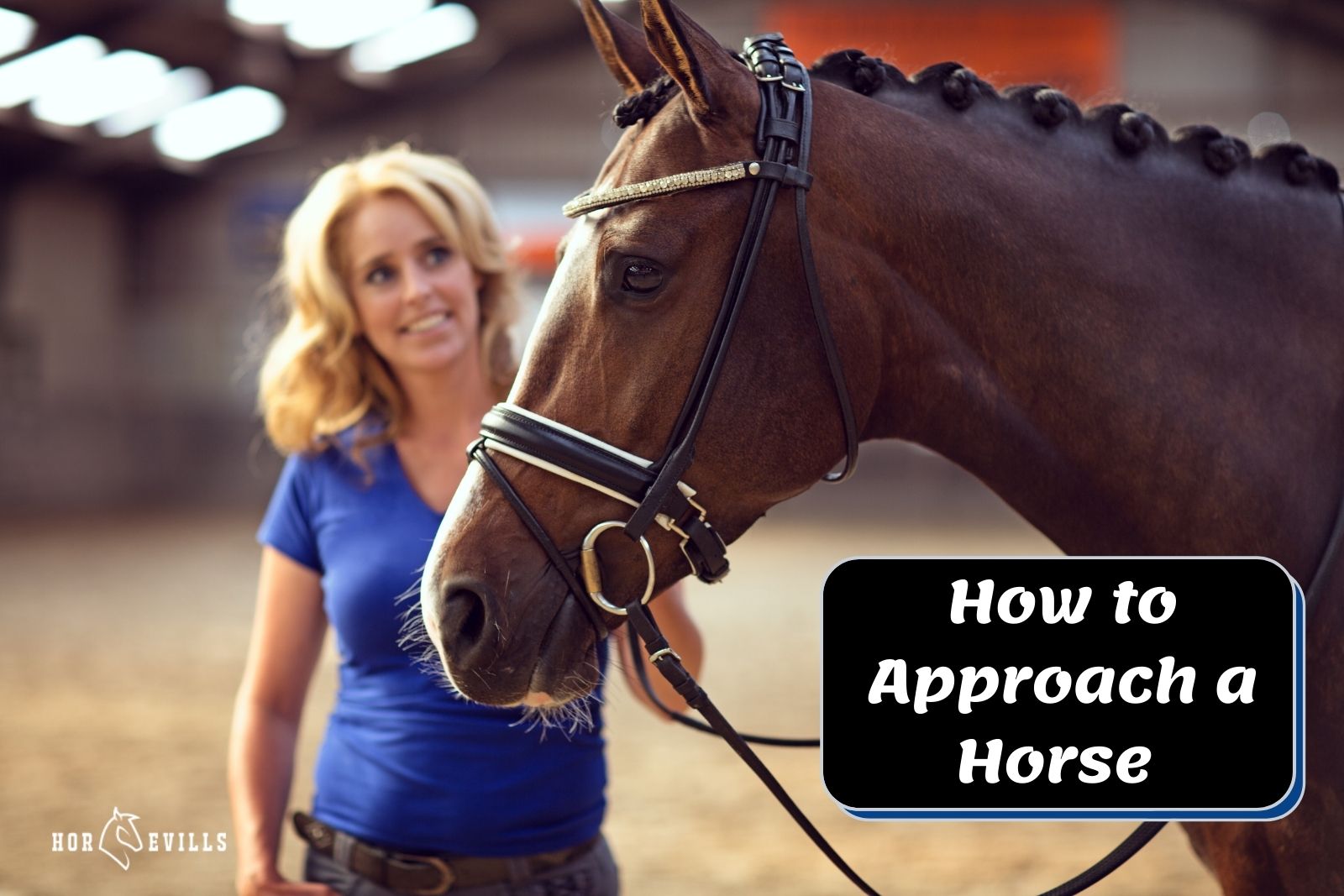
If you’re a beginner eager to dive into the world of horse riding, you’ve come to the right place for essential horse riding tips for beginners. Understanding the horse riding basics will not only enhance your experience but also ensure safety and enjoyment as you embark on your new adventure. From selecting the perfect horse to mastering mounting techniques, these valuable equestrian tips will prepare you for the saddle. Patience and learning proper horse riding techniques are crucial aspects of becoming a competent and confident rider. So let’s explore new rider advice that will set you on the path to equestrian success.
Starting your journey in the equestrian world can be both thrilling and overwhelming. Whether you refer to it as horseback riding, equine sports, or simply riding lessons, the fundamentals remain crucial for a positive experience. Mastering the initial steps, from understanding how to ride a horse safely and efficiently to the importance of building a connection with your mount, is essential for any novice. Moreover, the significance of quality gear and professional riding instruction cannot be overstated. Embrace this opportunity to learn the ins and outs of beginner horse riding, and foster your passion for these magnificent animals.
Choosing the Right Horse for Beginners
Selecting the appropriate horse is an essential first step for beginners in horse riding. For new riders, it’s crucial to opt for a horse that is experienced, gentle, and possesses a forgiving nature. A well-trained horse not only helps in building confidence but also mitigates risks. When starting your journey in equestrian activities, seek out instructors or equestrian centers capable of recommending suitable mounts that cater to your skill level.
Additionally, understanding the different horse breeds and their temperaments can be beneficial. Some horses may be better suited for beginners than others. By choosing the right horse, beginners can enjoy a smoother transition into the world of riding, making it easier to learn horse riding basics and develop essential riding skills. Always prioritize safety and comfort—for both the horse and rider.
Essential Riding Gear for Beginners
Investing in quality riding gear is non-negotiable for any beginner embarking on their equestrian journey. Proper riding boots, a secure helmet, and well-fitting breeches are critical components of safety and comfort. Beginner riders should never underestimate the importance of quality gear. Your equipment should not only be durable but also enhance your ability to ride effectively. This foundational approach sets a precedent for good practices in beginner horse riding.
Moreover, the horse itself requires proper tack, which includes items such as saddles, bridles, and saddle pads. All these pieces of equipment should fit well to maintain the horse’s comfort and ensure the rider’s safety. Investing wisely in gear lays the groundwork for a successful experience in horse riding and can significantly improve riding techniques as you progress.
Proper Mounting Techniques for New Riders
Learning how to mount a horse properly is a fundamental skill for new riders. Beginners should approach the horse cautiously from the left side, gently reassuring the horse with touches. Utilizing a mounting block can provide a stable and safe way to get on the horse, especially for those who are shorter or less experienced. A calm demeanor is key—ensure the horse is relaxed before attempting to mount.
Additionally, if mounting from the ground, riders should swing their leg over smoothly, avoiding any jarring movements. These careful techniques not only make the mounting process safer but also promote the horse’s trust in its rider. Mastering this essential step sets the tone for effective communication and riding control as you progress on your equestrian journey.
Maintaining Good Posture on the Saddle
Good posture is central to effective horse riding. It helps beginners establish a solid foundation for riding techniques and enhances control over the horse. Riders should maintain an aligned spine, keep their heels down, and sit deep in the saddle—this stance ensures that weight is evenly distributed. Good posture not only improves riding efficiency but also demonstrates confidence to your horse.
Moreover, maintaining a relaxed yet engaged body is crucial. Beginners often fall into the trap of tensing up, which can inhibit their ability to ride fluidly. Practicing good posture will also improve communication with the horse, facilitating a smoother ride overall and promoting an enjoyable beginner horse riding experience.
Building a Strong Bond with Your Horse
The relationship you cultivate with your horse can profoundly impact your riding experience. Beginners should spend quality time grooming and interacting with their horse outside of riding sessions. This practice not only builds trust but also enables riders to better understand their horse’s behavior and preferences—making the riding experience more rewarding.
Taking care of your horse’s needs fosters a partnership that can enhance communication during riding sessions. When riders invest time in developing a connection, they often find that it positively affects their ability to influence the horse’s movements and responses. Building this bond is essential for long-term success in equestrian activities and helps new riders navigate challenges more effectively.
The Importance of Riding Lessons
For novices keen on mastering the basics of horse riding, professional lessons are invaluable. Qualified riding instructors can provide structured guidance, helping beginners understand essential riding techniques from the ground up. Lessons are also essential for developing proper mounting methods, steering, and stopping skills, which are foundational to safe riding.
Additionally, instructors can provide personalized feedback that enhances your riding skills. Whether it’s adjusting your posture, improving your riding techniques, or sharing equestrian tips, having a trained professional by your side accelerates the learning process, making it easier for beginners to gain confidence and competence.
Understanding Horse Body Language
A fundamental aspect of becoming a skilled rider involves understanding horse body language. Horses communicate their feelings and intentions through their physical cues, such as ear positioning and tail movements. For beginners, recognizing these signs can enhance safety and improve the overall riding experience. Understanding when a horse is agitated or calm allows riders to respond appropriately, ensuring a safe environment.
Furthermore, by paying attention to your horse’s body language before and during rides, you can foster better communication. As you progress in your riding skills, being attuned to your horse strengthens your connection and improves your ability to manage various riding situations confidently.
Mastering Breath Control While Riding
Breath control may seem like a minor detail, but it plays a significant role in horse riding. For beginners, mastering breathing techniques can help maintain a calm and relaxed demeanor in the saddle. When feeling anxious or nervous, focusing on deep, steady breaths can reduce tension and improve your concentration—allowing for a smoother ride.
Being mindful of your breathing during rides also impacts your horse. Exhaling steadily as you give commands helps create a rhythm that the horse can sense. This connection can enhance performance and lead to a more synchronized riding experience for both horse and rider. Developing effective breath control is an essential component of mastering horse riding basics.
The Importance of Patience in Learning to Ride
Patience is an essential virtue for anyone embarking on their horse riding journey. For beginners, the process can sometimes feel overwhelming, as riders grapple with various challenges and setbacks while learning. It’s important to approach each riding session with a sense of calm and the willingness to take things slowly.
Acknowledging that progress takes time helps riders maintain a positive attitude. By being persistent and giving yourself grace in moments of difficulty, you can gradually build skills and confidence, leading to greater enjoyment in your riding experience. Embracing the concept of ‘patience and practice’ opens up a path towards becoming a skilled equestrian.
Enjoying the Equestrian Journey
As you delve into the world of horse riding, it’s crucial to remember the importance of enjoying the journey. While the aspiration to become a proficient rider is commendable, taking the time to appreciate each small victory enriches the experience. Whether it’s mastering a trot or successfully grooming your horse, celebrating these moments will help develop a lifelong love for riding.
Engaging in horse riding should be a joyful endeavor filled with exploration and learning. Embrace the unique experiences that come with working with horses, and remain open to discovering new techniques and skills as you progress. By fostering a love for the process, you establish a foundation that supports growth, enjoyment, and fulfillment in your equestrian journey.
Frequently Asked Questions
What are the essential horse riding tips for beginners?
Essential horse riding tips for beginners include choosing the right horse, investing in quality gear, and learning proper mounting techniques. It’s important to take riding lessons from a qualified instructor to build a solid foundation in horse riding basics.
How can a new rider improve their horse riding techniques?
New riders can improve their horse riding techniques by practicing good posture, developing a strong connection with their horse, and understanding their horse’s body language. Regular lessons and consistent practice are also key.
What gear is essential for beginner horse riding?
For beginner horse riding, essential gear includes a well-fitting riding helmet, quality riding boots, and comfortable riding breeches. Proper tack for your horse, such as saddles and bridles, is also crucial for safety and comfort.
What new rider advice can help build confidence?
New rider advice that can help build confidence includes being patient and persistent, focusing on breathing while riding, and celebrating small achievements. Engaging with the horse through grooming can also enhance your emotional connection.
What should beginners focus on when learning how to ride a horse?
Beginners should focus on foundational skills such as mounting properly, sitting with good posture, and developing communication with the horse. Understanding your horse’s behavior and body language is also important for a safe riding experience.
How important are riding lessons for beginners?
Riding lessons are very important for beginners because they provide structured learning, professional feedback on techniques, and a safe environment to practice essential skills, ultimately enhancing your overall horse riding experience.
How can I develop a strong bond with my horse as a new rider?
To develop a strong bond with your horse, spend time grooming, leading, and handling your horse regularly. Building trust through these activities enhances communication while riding and improves your confidence as a rider.
What are some tips for practicing horse riding posture?
Tips for practicing horse riding posture include sitting up straight with relaxed shoulders, keeping heels down, and engaging your core. Regularly checking your position in the saddle helps maintain balance and control.
How can understanding my horse’s body language improve my riding?
Understanding your horse’s body language helps you respond appropriately to their feelings and needs. Recognizing signs of nervousness or relaxation can enhance your riding by ensuring a safe and cooperative interaction.
What mindset should beginners adopt while starting their horse riding journey?
Beginners should adopt a mindset of patience and enjoyment. Embrace the learning process, accept that setbacks are part of growth, and appreciate the joy of being with horses, which will enhance your overall equestrian experience.
| Key Points | Details |
|---|---|
| Choose the Right Horse | Select a well-trained horse suitable for your skill level to ensure a safe learning environment. |
| Invest in Quality Gear | Get high-quality riding boots, helmets, and tack for safety and comfort. |
| Learn Proper Mounting Techniques | Approach from the left, keep your horse calm, and mount safely using a block if needed. |
| Practice Good Posture | Maintain a balanced, straight posture to communicate effectively with your horse. |
| Develop a Strong Connection | Spend quality time with your horse away from riding to enhance communication. |
| Take Riding Lessons | Consider professional lessons for essential riding skills and feedback. |
| Understand Your Horse’s Body Language | Recognize cues from your horse to respond appropriately while riding. |
| Focus on Your Breathing | Use deep breathing to stay calm and focused during riding. |
| Be Patient and Persistent | Acknowledge that progress takes time and be patient with yourself and your horse. |
| Enjoy the Journey | Embrace the fun of riding and celebrate your achievements. |
Summary
Horse riding tips for beginners are essential to navigate the thrilling world of equestrian activities. As you embark on this exciting journey, it’s important to choose a horse that suits your experience level, invest in quality gear, and learn the proper techniques for mounting and riding. Developing a strong bond with your horse will enhance your experience, while understanding their body language will help you communicate effectively. Also, focusing on deep breathing and maintaining good posture are key components to ensuring a successful ride. Remember, patience and persistence are vital as you hone your skills, and most importantly, don’t forget to enjoy the thrill and joys of horse riding along the way!