
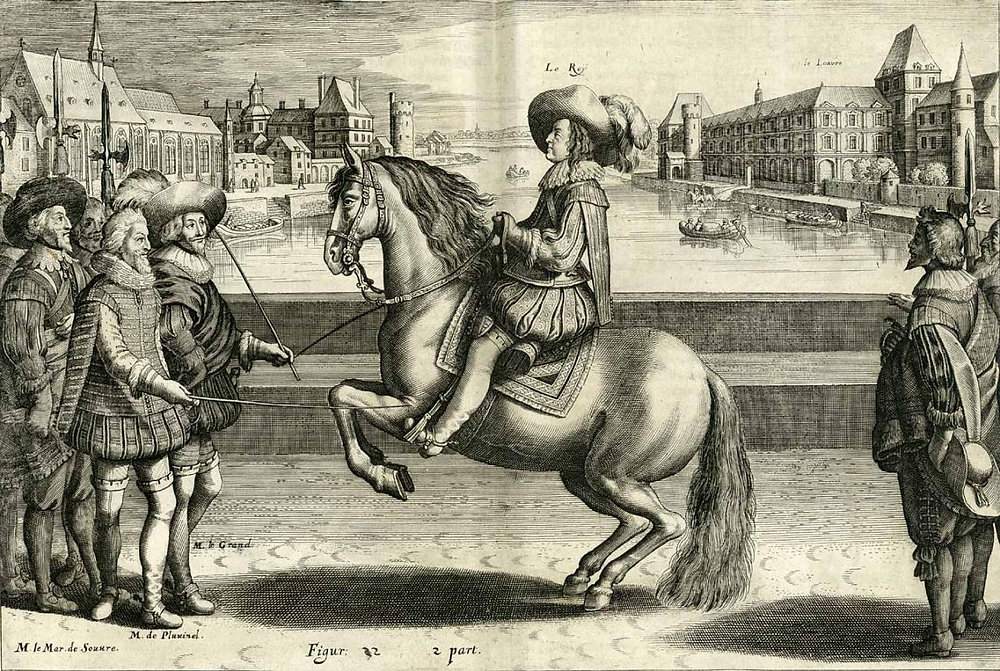
The history of horse riding is a fascinating narrative that spans thousands of years, illustrating the profound connection between humans and horses. It began with early ancient horsemanship practices around 3500 BC, where horses were first domesticated in Central Asia, revolutionizing transportation and agriculture. As civilizations grew, horseback riding evolved not just as a means of mobility but as a significant part of cultural identity and military strategy, leading to the birth of various equestrian sports. Throughout time, horse riding techniques have advanced, reflecting changes in societal values and technologies. In this article, we will journey through the evolution of horseback riding, exploring its transformation from a vital survival skill to a celebrated modern sport.
The art of riding horses has a rich heritage, often characterized as equestrianism or horseback riding. This captivating pursuit has its roots in ancient times, where early humans relied on horses for essential functions such as transport and work. With the rise of civilizations, the practice evolved into a form of art and sport, showcasing advanced horse riding techniques that improved both rider and animal performance. From the grandeur of jousting in the medieval period to today’s diverse disciplines of equestrian activities, the evolution of this skill has left an indelible mark on cultures worldwide. Join us as we delve deeper into this compelling story of how horseback riding has shaped human history.
Exploring the Ancient Origins of Horse Riding
Horse riding’s roots can be traced back to the early domestication of horses, around 3500 BC in Central Asia. During this era, horses were primarily used as draft animals for agricultural purposes, aiding early humans in transporting goods and enhancing their daily lives. As societies evolved, the utility of horses expanded, leading to their incorporation into transportation beyond mere labor. Early humans gradually recognized the advantages of riding horses, sparking the evolution of horseback riding practices that would grow across varying cultures.
The archaeological discoveries from the Botai culture in Kazakhstan provide critical insights into these ancient practices. Remnants of horse bones alongside artifacts reveal that these early riders not only utilized horses for riding but also for dietary purposes, indicating a multifaceted relationship with the animal. The innovation of the bit around 3000 BC marked a turning point, allowing riders enhanced control over their steeds and facilitating more complex horse riding techniques that formed the groundwork for the sport as we know it today.
The Influence of Ancient Civilizations on Equestrian Techniques
As ancient civilizations flourished, so too did the art of horse riding, which became deeply embedded in the cultures of societies such as Mesopotamia and Egypt. The Sumerians and Babylonians pioneered chariot warfare, showcasing how horseback riding could dramatically alter military strategies and enhance combat effectiveness. Their history laid the foundation for systematic approaches to riding, as horses transitioned from mere transportation to becoming central figures in war and status.
In ancient Egypt, horses were revered and featured prominently in tomb artworks, symbolizing both prestige and divinity. The Greeks and Romans took horse riding a step further by formalizing training methods. Notably, philosophers like Xenophon emphasized the significance of riding schools which elevated equestrian practices into a respected discipline. These schools established structured techniques that would influence horseback riding evolution, blending practicality with artistry, and laying the groundwork for modern equestrian sports.
Medieval Horseback Riding: Knights and Chivalry
During the Middle Ages, the role of horses shifted dramatically as knights became central figures in society. The relationship between riders and horses evolved into one of mutual respect and partnership, which was essential for chivalry and warfare. Training schools for knights emerged, focusing on imparting advanced equestrian techniques that included not just riding, but also care, dressage, and conflict maneuvers within jousts. Jousting, an integral part of noble life, served both to hone combat skills and to entertain, creating a cultural tapestry woven with the art of horse riding.
The emergence of these techniques corresponded with the development of styles focused on the rider’s communication with the horse. The Spanish Riding School established in the 16th century crystallized this interaction, promoting the practice of classical dressage which remains influential today. Such historical techniques are not just remnants; they continue to shape various equestrian sports, ensuring a legacy that celebrates the artistry of horse riding and the deep connection that exists between human and horse.
The Age of Exploration: Horses and Cultural Transformation
The Age of Exploration introduced horses to new worlds, fundamentally altering indigenous lifestyles and societal structures. European colonizers brought horses to the Americas, which had a profound impact on Native American tribes. The introduction of horses revolutionized transportation, hunting, and warfare for these communities, creating new forms of mobility and enhancing their connection to the land. The status associated with horse ownership rapidly evolved, molding cultural identities that celebrated the horse as a power symbol.
Cultural exchanges initiated by the presence of horses led to the emergence of unique riding practices. This cross-pollination allowed diverse riding techniques and horsemanship philosophies to flourish, contributing to the evolution of horseback riding. As tribes adapted to their environments and circumstances, horse riding not only became a means of survival but also a way of expressing cultural heritage and identity, grounding them further in the narrative of equestrian history.
Modern Equestrian Sports and Their Evolution
By the 19th century, horse riding had transformed into structured forms of competition, paving the way for modern equestrian sports. Riding academies became prominent, organizing competitive events that highlighted various equestrian disciplines such as dressage, show jumping, and eventing. The first official horse race recorded in Newmarket in 1868 marked a new era for horseback riding, shifting the focus toward sport and competition, akin to today’s global equestrian community.
The inclusion of equestrian events in the Olympics in 1900 solidified the stature of horseback riding on the world stage. With the establishment of standardized competitions and judging criteria, riders and horses were pushed to new heights of performance. As sports disciplines diversified over the years, they highlighted not only physical prowess but also the technical skills and artistry involved in horse riding. This elevation of equestrian sports continues to attract millions worldwide, reflecting the evolving narrative of horse riding through time.
The Contemporary Landscape of Horse Riding
Today, horse riding encompasses a dynamic array of activities, transcending its past roles in labor and warfare to become a beloved recreational and therapeutic pursuit. Riding schools, stables, and equestrian clubs have sprung up across the globe, promoting accessibility and skill-building opportunities for horse lovers of all ages. This evolution underscores the transformative power of horses, allowing people to connect with nature while improving physical and mental well-being.
Furthermore, the influence of horseback riding has permeated popular culture, with films and literature that highlight this timeless bond between human and horse. Social media platforms have amplified this interest, allowing enthusiasts to engage and share their experiences and insights. Through these channels, communities have formed, celebrating not just the ride but the ethereal beauty of the horse itself. The contemporary landscape thus provides a rich tapestry interwoven with history, community, and the ongoing love for equestrian sports.
The Therapeutic Benefits of Horse Riding
Horse riding has garnered recognition for its therapeutic benefits, making it a vital tool in addressing various physical, emotional, and psychological challenges. Therapeutic riding programs leverage the unique relationship between humans and horses to assist individuals with disabilities, enhancing their mobility and confidence while promoting emotional healing. The rhythmic movement of the horse can provide sensory and physical stimulation, fostering therapeutic relationships that encourage growth and rehabilitation.
Moreover, equine-assisted activities encourage empathy, responsibility, and social interactions, which are invaluable for personal development. Engaging with horses can help individuals overcome emotional barriers, creating a supportive environment conducive to healing. As equestrian practices grow in popularity, the therapeutic potential of horse riding continues to evolve, spotlighting the holistic benefits of this ancient practice and its relevance in modern society.
Key Historical Figures in Equestrian Sports
Throughout the annals of horse riding history, numerous key figures have shaped equestrian sports, each contributing unique ideas and techniques that influence modern practices. Historical figures like Xenophon, who lived in ancient Greece, not only penned extensive works on the philosophy of riding but also highlighted the importance of kindness and respect towards horses. His teachings established ethical groundwork and practical strategies that still resonate in today’s equestrian community.
In the more contemporary landscape, figures like Federico Caprilli revolutionized riding techniques with their emphasis on natural horsemanship and jumping styles, which remain influential in world-class riding today. Celebrated athletes and trainers around the globe have continued to expand these legacies, ensuring that the principles of past equestrians are integrated within modern training regimens and competitive events, underscoring how the history of horse riding has been continuously shaped by exemplary individuals.
The Future of Equine Partnerships in Equestrian Sports
As horse riding continues to evolve, the future of equestrian sports appears promising, with emerging trends that emphasize sustainability, inclusivity, and the well-being of horses. The growing advocacy for animal welfare is bringing forth innovative practices aimed at ensuring ethical treatment within the equestrian industry. Riders today are more informed about equine health and psychology, fostering deeper partnerships that prioritize the horse’s experience over competitive success.
Additionally, technological advancements are enhancing rider education and horse management, making it easier to track health, training, and performance. This shift towards a balanced partnership between horse and rider signifies a transformation in the ethos of equestrian sports, paving the way for future practices that celebrate the cherished bond formed over centuries. Such developments promise to sustain the vibrant history of horse riding while creating a more equitable and conscientious equestrian future.
Frequently Asked Questions
What is the history of horse riding and its significance in ancient civilizations?
The history of horse riding dates back to around 3500 BC, primarily originating from ancient civilizations like the Botai culture in Kazakhstan. Horse riding was integral for transportation, agriculture, and later, military strategies. Early evidence shows horses were utilized not only for riding but also for milk and meat, showcasing their multifaceted role in societies.
How did ancient horsemanship influence modern equestrian sports?
Ancient horsemanship laid the groundwork for modern equestrian sports by establishing riding techniques and forms of competition. Civilizations such as the Greeks and Romans formalized riding through schools where techniques were taught and athletic competitions were held, influencing dressage, jumping, and other disciplines seen today.
What were the key developments in horseback riding during the Middle Ages?
During the Middle Ages, horseback riding evolved with the rise of chivalry and knighthood, giving birth to jousting and tournaments. Knights trained in various horse riding techniques, enhancing communication with their horses, which paved the way for the classical dressage seen today.
How did the Age of Exploration impact the history of horse riding?
The Age of Exploration brought horses to the Americas, which significantly affected indigenous cultures. Horses transformed hunting, warfare, and transportation for Native American tribes, becoming a symbol of status and altering their traditional ways of life.
What role did the Spanish Riding School play in horse riding techniques?
Founded in the 16th century, the Spanish Riding School became a premier institution for teaching classic dressage. Their techniques emphasized harmony between horse and rider, influencing modern horseback riding styles and training methodologies.
When did equestrian sports become recognized as formal competitions?
Equestrian sports began to take formal shape in the 19th century, with the establishment of riding academies and events. The first organized horse race in 1868 marked a significant moment, leading to the incorporation of equestrian events into the Olympics in 1900.
How has the history of horse riding contributed to its therapeutic benefits today?
The historical bond between humans and horses has transitioned into modern therapeutic practices. Horse riding today is recognized for its physical and mental health benefits, particularly in assisting individuals with disabilities, fostering emotional connections, and promoting overall well-being.
What disciplines emerged from the evolution of horseback riding?
The evolution of horseback riding has led to various disciplines, including dressage, show jumping, and eventing. Each discipline highlights different aspects of rider-horse partnerships, showcasing the diverse skills developed throughout the history of horse riding.
How is horse riding depicted in popular culture today?
Horse riding features prominently in popular culture, with portrayals in films, literature, and art. This exposure continues to spark interest in equestrian sports, while social media unites communities of horse enthusiasts who share experiences and insights.
What is the connection between the ancient history of horse riding and contemporary riding schools?
Contemporary riding schools draw upon techniques refined throughout the ancient history of horse riding, ensuring that pupils learn time-honored skills while adapting to modern facilities. This connection underscores the enduring influence of ancient horsemanship on current equestrian education.
| Period | Key Developments | Significance |
|---|---|---|
| Ancient Origins | Domestication of horses around 3500 BC; invention of the bit around 3000 BC. | Led to improved mobility and the use of horses for transport and agriculture. |
| Influence of Ancient Civilizations | Development of chariots for warfare; establishment of riding schools by Greeks and Romans. | Integral part of military strategies and a formalized sport, promoting equestrian techniques. |
| The Middle Ages | Training of knights; emergence of jousting. | Signified chivalry and nobility; development of classical dressage. |
| The Age of Exploration | Horses introduced to America; impact on indigenous cultures. | Altered travel, hunting, and social structures within Native American tribes. |
| Modern Equestrian Sports | Establishment of riding academies; introduction of equestrian events in the Olympic Games. | Formalized horse riding as a competitive sport, expanding its global influence. |
| Horse Riding Today | Thriving industry with riding schools and clubs; therapeutic uses of horse riding. | Promotes connection with nature and a supportive community of enthusiasts. |
Summary
The history of horse riding is a remarkable narrative that reveals humanity’s deep bond with horses over the centuries. From its origins in ancient civilizations, where horses transformed transportation and agriculture, to the medieval chivalry exemplified by knights and jousting, horse riding has continually evolved. With the establishment of modern equestrian sports, it has become a global phenomenon that combines skill, passion, and the timeless connection between riders and their horses. As we look at horse riding in today’s context, we see an ever-expanding community that embraces both its historical significance and its contemporary relevance, ensuring that the legacy of horse riding endures.