
Horse riding techniques are fundamental to ensuring a safe and enjoyable experience in the saddle. Whether you’re an aspiring equestrian or a seasoned rider refining your horse riding skills, understanding these techniques is paramount. From mastering the best riding techniques to incorporating practical horse riding tips, every detail makes a difference in achieving harmony with your horse. In this guide, we will delve into essential skills that will elevate your ability on horseback, answering how to ride a horse effectively through clear instruction and expert advice. Optimize your riding experience and deepen your connection with your horse by exploring the intricacies of these vital equestrian techniques.
The art of horseback riding encompasses a variety of skills and methods that enhance the relationship between rider and horse. Known as equestrian techniques, these practices are not merely about staying upright; they involve communication, balance, and an understanding of horse behavior. Whether you seek to enhance your recreation or competitive riding, focusing on core principles of riding can significantly improve your experience. Additionally, embracing helpful horse riding tips can lead to advances in your riding techniques, fostering a deeper bond with your horse. As we explore these interconnected skills, riders of all levels can find valuable insights to improve their proficiency in this rewarding pursuit.
Understanding the Importance of Horse Riding Techniques
Horse riding techniques serve as the foundation for a successful riding experience, intertwining safety and performance. For beginners, mastering these techniques not only enhances enjoyment but also ensures the safety of both rider and horse. Strong technique enables riders to communicate effectively with their horses, which is crucial for building trust and confidence. Those who practice and refine these skills often see significant improvements in their overall riding experience.
Furthermore, a solid grasp of horse riding techniques can lead to increased performance in various equestrian disciplines. Riders who understand elements such as body positioning, balance, and rein control are better equipped to tackle challenges in both competitive and recreational riding. Enhanced skills directly contribute to the horse’s performance, making the partnership between horse and rider not just collaborative but synchronistic.
Key Horse Riding Tips for Beginners
For beginners, mastering basic horse riding tips is crucial. Firstly, always begin with a sound understanding of how to care for your horse, which directly affects your riding experience. Familiarize yourself with your horse’s behavior and needs; this ensures that you establish a trustworthy connection right from the start. Basic grooming and tacking rituals can greatly enhance the bond you share with your horse, paving the way for effective communication.
Additionally, it’s essential for novice riders to practice basic safety measures. Always wear a properly fitted helmet, boots, and other protective gear to ensure safety while riding. Learning to fall safely is also vital; when you understand how to minimize injury risks, you feel more confident in your riding abilities. The combination of being well-prepared and maintaining awareness can significantly increase your comfort level when riding.
Effective Rein Control Techniques
Rein control is one of the most crucial horse riding skills that every rider must master. Effective use of reins allows for better communication with your horse, ensuring that commands are clear and concise. Riders should practice different types of rein holds, including direct and indirect rein control methods, to learn how to signal directions and adjust speed without confusion.
Moreover, maintaining a light, consistent contact with the horse’s mouth is essential in developing a responsive and respectful riding relationship. This contact not only provides information but also helps prevent resistance from the horse. Riders who can balance firmness and gentleness in their rein control foster a more trusting relationship, essential for mastering more complex riding maneuvers.
The Art of Riding with Proper Posture
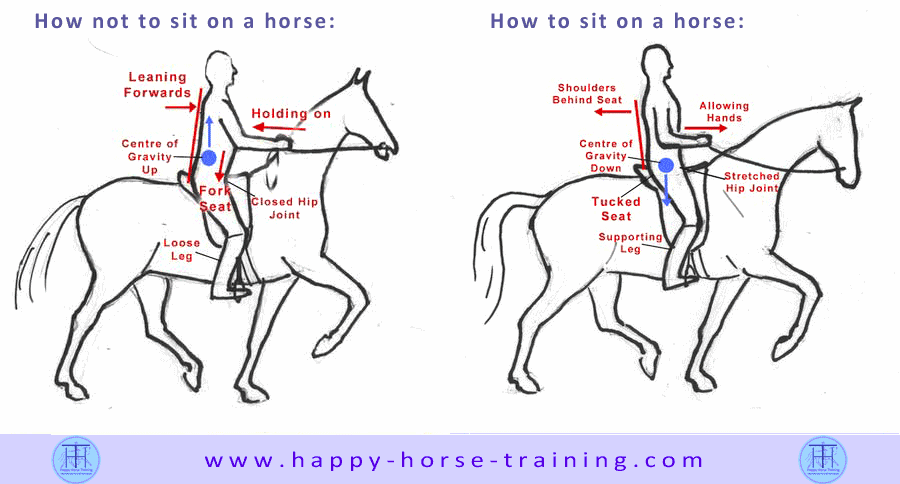
Good posture is fundamental in horse riding and affects every aspect of your riding technique. Maintaining an erect yet relaxed position is key to achieving balance and effective communication with your horse. It has been widely noted that riders with good posture are less likely to experience fatigue, allowing them to ride longer and with greater enjoyment.
Moreover, proper posture aids in achieving optimal leg positioning and stirrup placement, both of which are crucial for balance and control. When your body is aligned correctly, it enables you to use your legs and seat more effectively, which can enhance the performance of your horse. Practice exercises that promote awareness of your form and make adjustments regularly to ensure you remain centered and balanced while riding.
Mastering the Techniques of Mounting and Dismounting
Mounting and dismounting may seem like simple actions, but they are critical horse riding techniques that set the stage for every ride. A safe and effective mounting technique involves approaching your horse calmly, ensuring it is well-grounded before you swing into the saddle. Understanding the nuances of mounting helps to create a smooth experience for both the rider and the horse.
Dismounting should also be approached with care. A rushed dismount can lead to falls or injuries, which is why it’s essential to develop this technique slowly. Practicing a safe and controlled dismount should be part of every rider’s training, contributing to overall confidence and safety during rides. Like all techniques, consistent practice pays off.
Utilizing Seat and Leg Aids for Better Communication
Riders often underestimate the power of subtle body signals in horse riding. Using your seat and leg aids effectively allows you to communicate nuanced commands to your horse without relying solely on voice cues. Shifting your weight and informing your horse of intended movements can create a more natural and fluid riding experience.
A practical way to improve your use of leg aids is through consistent practice, focusing on when to apply pressure and how to release it. Riders should consider exercises that enhance their sensitivity to their horse’s responses, allowing for a more harmonious interaction. This silent dialogue between horse and rider creates a deeper bond and leads to improved performance in all riding disciplines.
Exploring Trotting and Cantering Techniques
Trotting and cantering present unique challenges and opportunities for riders looking to enhance their skills. Each gait requires distinct techniques for maintaining balance and control. For trotting, utilizing a two-point position not only aids in comfort but also enhances the rider’s ability to maintain rhythm, creating a smoother experience for both rider and horse.
Cantering, on the other hand, is often seen as a more dynamic gait that can take time to master. Understanding how to use your body effectively during transitions is key. Riders should practice collecting their horse through effective seating and leg techniques to ensure a smooth change from trot to canter. Adapting these skills not only fosters increased confidence but also significantly boosts overall riding performance.
Successful Turning Techniques for Riders
Turning is a fundamental component of horse riding, and mastering it can significantly enhance riding confidence and performance. Techniques for turning can vary depending on whether you are riding Western or English, but the principles of balance and precise control remain the same. Practicing directed turns with emphasis on appropriate leg pressure can improve your horse’s responsiveness when navigating curves.
Additionally, focusing on your body position during turns helps maintain balance and control, preventing the horse from feeling unsteady. Engaging your core while turning also contributes to a more effective and smoother turn. It’s imperative to practice turning techniques regularly to develop muscle memory—this makes turning second nature and enhances your overall riding skill set.
Safety First: Remembering Key Horse Riding Techniques
Safety should always be a priority in horse riding, which is why adhering to key techniques is paramount. Among these, wearing the correct personal protective equipment (helmets and boots) is the most basic yet essential practice every rider must undertake. Good safety protocols can prevent injury and build confidence among new riders, setting a standard from the start.
Additionally, it’s essential to practice safety-conscious riding when engaging with your horse, reinforcing commands and techniques that emphasize control and readiness. Developing a comprehensive understanding of safe riding practices prepares riders for unexpected situations, ensuring a more enjoyable and risk-free riding experience. Frequent engagement in safety drills and updates on best practices can enhance your skills and knowledge in a critical way.
Frequently Asked Questions
What are some basic horse riding tips for beginners?
Some essential horse riding tips for beginners include understanding your horse’s behavior, maintaining proper posture, and practicing mounting and dismounting techniques. Communication with your horse via effective rein control is also crucial to mastering horse riding skills.
How can I improve my horse riding techniques quickly?
To quickly improve your horse riding techniques, focus on practicing your balance without stirrups, enhancing your rein control, and consistently applying leg aids. Regular lessons with a qualified instructor can also help refine your riding skills.
What are the best riding techniques for effective communication with my horse?
The best riding techniques for effective communication include using clear rein signals, maintaining light contact with the horse’s mouth, and applying subtle seat and leg aids. Understanding your horse’s responses to these cues will enhance your riding experience.
What should I know about the importance of posture in horse riding techniques?
Proper posture in horse riding techniques is vital for balance and control. A correct body alignment allows you to effectively communicate with your horse, helping improve performance and ensuring safety during rides.
How do I master the technique of stopping my horse effectively?
To master the stopping technique, gradually tighten your reins while sitting deep in the saddle. Use a voice cue like ‘whoa’ and engage your seat to signal your horse to halt smoothly.
What advanced horse riding techniques should I learn after mastering the basics?
After mastering the basics, consider learning advanced horse riding techniques such as counter cantering, lateral movements, and more complex jumping techniques to enhance your riding repertoire.
How can I practice turning techniques while riding?
You can practice turning techniques by using direct and indirect rein signals, applying leg pressure, and practicing turns at different speeds to improve your agility and control.
What role does balance play in developing horse riding skills?
Balance plays a critical role in developing horse riding skills. It allows you to maintain control and stability throughout various gaits and movements, enhancing both your performance and your horse’s comfort.
Are there specific horse riding techniques for different riding styles?
Yes, different riding styles, such as Western and English, have specific horse riding techniques. For example, Western riding often uses more direct rein techniques whereas English riding may focus on indirect aids and subtle movements.
What safety measures should I consider while practicing horse riding techniques?
Always wear appropriate safety gear, including a helmet and boots, when practicing horse riding techniques. Additionally, ensure that you ride in a safe environment and seek guidance from experienced instructors whenever possible.
| Key Technique | Description |
|---|---|
| Know Your Horse | Understanding horse behavior and body language to improve communication and comfort. |
| Proper Posture | Maintaining a straight back, relaxed shoulders, and correct leg positioning while riding. |
| Mounting and Dismounting | Step-by-step process for safely getting on and off the horse. |
| Rein Control | Using direct and indirect rein techniques for effective communication with the horse. |
| Seat and Leg Aids | Using body weight and leg pressure to guide the horse’s movements. |
| Stirrup Position | Positioning stirrups correctly for better balance and control. |
| Balance and Control | Practicing without stirrups to enhance stability and strength. |
| Stop and Go Signals | Combining cues from seat, legs, and reins to signal movements. |
| Turning Techniques | Utilizing reins and leg pressure to navigate turns effectively. |
| Trotting and Cantering | Adjusting body position for different riding speeds. |
Summary
Horse riding techniques encompass a variety of skills essential for both safety and enjoyment in the saddle. To truly master the art of riding, it’s important to understand your horse and communicate effectively while maintaining a proper posture. Techniques such as mounting, rein control, and balance are crucial elements that every rider should practice. By immersing oneself in these techniques, riders can foster a stronger bond with their horse and enhance their overall riding experience. As you develop these skills, remember, patience and persistence are key to becoming a proficient rider.