Horseback riding styles encompass a rich tapestry of disciplines that cater to various interests, skills, and equestrian goals. From the elegance of English riding, with its nuances of dressage and jumping, to the relaxed atmosphere of Western riding and trail adventures, each style offers a unique experience for riders of all levels. Enthusiasts might find themselves captivated by the precision of dressage, the excitement of competitive jumping, or the endurance challenges presented in long-distance riding. As you explore these diverse horseback riding styles, you’ll discover the distinct characteristics and benefits that each brings to the rider and horse relationship. Whether you seek adventure, competition, or leisure, understanding these riding styles is the first step toward finding the perfect match for your horseback riding journey.
The world of equestrian disciplines is vast, presenting numerous ways to connect with horses and cultivate riding skills. Alternative terms for horseback riding styles include various forms of equestrianism, horsemanship techniques, and riding methods that span from competitive events like show jumping and dressage to leisure pursuits such as endurance and trail riding. Each of these practices not only highlights different riding techniques but also reflects the cultural heritage and functional needs that shape how riders interact with their horses. By delving into the intricacies of these diverse forms, riders can better navigate their options and select a style that resonates with their personal preferences and riding aspirations. This exploration allows individuals to appreciate the art and science behind each discipline while forging meaningful connections with their equine partners.
Exploring English Riding Techniques
English riding places a significant emphasis on technique and form. Riders utilize a saddle that encourages an upright position and maintains close contact with the horse, which is essential for communicating subtle cues. Techniques such as maintaining a steady leg position and using precise rein control are vital components that contribute to successful riding in disciplines like dressage and show jumping.
Furthermore, English riding offers various competitive opportunities, from high-stakes events to local shows. Riders often train for performance in disciplines that challenge their skills, such as jumping and eventing. This style attracts individuals who appreciate a structured and disciplined approach to horse riding.
Western Riding: A Relaxed Approach
Western riding is renowned for its practical and relaxing style, developed from the traditions of American cowboys. The larger saddle and one-rein control provide riders with a comfortable experience, particularly beneficial for long hours spent on the trail or during cattle handling. This approach allows for a more relaxed form of riding, often creating a deeper connection with the horse.
Additionally, western riding encompasses various activities, including rodeos and trail riding, making it versatile for riders of all skill levels. With a focus on trust and communication, many trainers employ techniques that emphasize understanding and responding to the horse’s natural movements, which can lead to a satisfying partnership.
The Art of Dressage
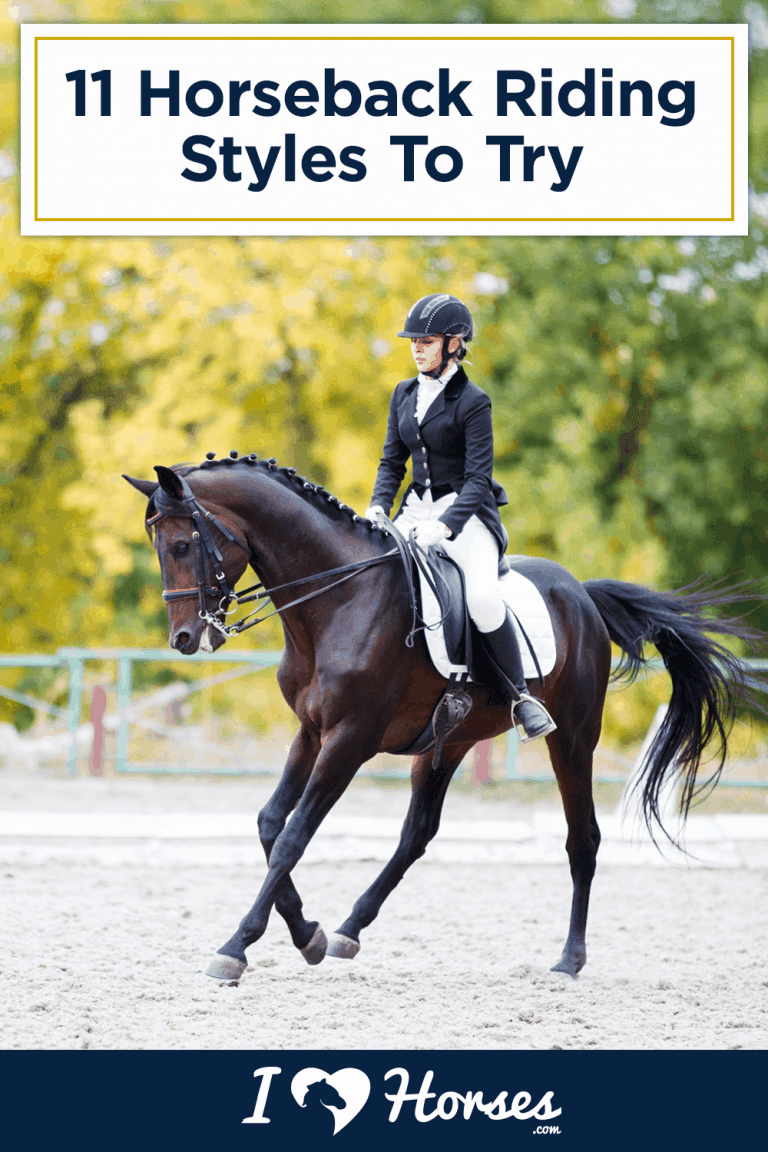
Dressage is often described as ballet for horses due to its emphasis on precision and grace. In this discipline, riders perform a series of predetermined movements in harmony with the horse, showcasing their training and skill. The connection between rider and horse is deepened through practice, as subtle cues dictate the horse’s movements, improving both riders’ and horses’ overall performance.
Moreover, the skills gained from dressage can enhance a rider’s ability across various disciplines. Many equestrians find that the balance, flexibility, and communication developed through dressage training significantly improve their expertise in jumping and even trail riding. This makes dressage an excellent foundation for any aspiring equestrian.
Jumping: The Thrill of Overcoming Obstacles
Jumping is an exhilarating discipline in the horseback riding world, where riders guide their horses over a series of obstacles in a competitive environment. This style not only tests the rider’s ability to navigate a course but also challenges the horse’s agility and strength. Many riders find immense fulfillment in successfully completing complex jumping courses.
Engaging in jumping helps improve a rider’s reflexes and independent seat, which benefits all areas of riding. The thrill and adrenaline rush that come with overcoming obstacles make jumping particularly appealing to those seeking excitement and challenge in their riding journey. Riders are often drawn to this discipline for its dynamic and fast-paced nature.
Endurance Riding: A Test of Stamina
Endurance riding is a unique discipline that emphasizes stamina and long-distance travel, usually spanning 50 to 100 miles. It requires both horse and rider to be conditioned for the challenges of performing over significant distances while ensuring the well-being of the horse throughout the journey. This form of riding facilitates a strong bond between rider and horse, cultivated through extensive training prior to events.
This discipline also encourages riders to develop strategic planning skills, as they must manage their horse’s energy and health during the ride. These factors make endurance riding attractive to those who enjoy long trail adventures and want to cultivate resilience in themselves and their horses.
The Joy of Trail Riding
Trail riding offers a fantastic way for riders to explore the beauty of nature while enjoying horseback riding without the pressure of competition. It is a less structured style that is highly adaptable, making it accessible to riders of all levels. Whether you’re a novice or experienced rider, trail riding allows you to connect with your horse in a leisurely setting, enhancing the joy of the riding experience.
Moreover, trail riding encourages riders to develop confidence and skills necessary for navigating various terrains. Many riders appreciate the relaxing atmosphere that trail riding provides, making it a tempting option for those looking for a peaceful, restorative break from the rigors of competitive riding.
Vaulting: A Unique Combination of Skills
Vaulting is an extraordinary blend of gymnastics and horseback riding, where riders perform acrobatic movements on a moving horse. This discipline is typically executed on a lunge line, promoting a balance between physical skill and creativity. It is not only an exciting way to enjoy horseback riding but also strengthens the rider’s core muscles and enhances their overall fitness.
Additionally, vaulting fosters a community-oriented environment, as it is often practiced in groups. This social aspect encourages teamwork, allowing participants to support one another while they develop their skills. As riders learn to express themselves creatively on horseback, they often develop a profound connection with both their horse and fellow vaulters.
Choosing the Right Riding Style for You
Selecting the appropriate horseback riding style comes down to personal preferences and specific goals. Understanding your interests—whether they lean towards competition, leisurely rides, or practical farm work—can guide you to the right discipline. Each riding style presents its own unique set of challenges and experiences that cater to different rider needs.
Moreover, assessing your long-term aspirations—be it improving your fitness, honing riding skills, or simply having fun—is crucial in this decision-making process. Taking the time to explore various riding options will ultimately lead to a more fulfilling and engaging horseback riding experience.
The Importance of Finding Local Resources
Before diving into any horseback riding style, it’s essential to consider the resources available within your vicinity. The presence of riding schools, trainers, and stables can significantly impact your learning experience. Local facilities often provide introductory lessons and trial opportunities in different riding disciplines, giving you a chance to sample various styles before fully committing.
The right resources can greatly enhance your riding journey, providing you with professional guidance and a supportive community. Exploring these options in your area will help you make an informed decision when selecting a style that truly resonates with your goals and interests.
Emphasizing the Bond Between Horse and Rider
Regardless of the chosen riding discipline, the bond between horse and rider is invaluable. This connection forms the foundation for successful riding experiences and accomplishments, whether in competitive events or leisurely trail rides. Developing that trust requires time, patience, and understanding, making it a key aspect of all horseback riding styles.
As riders embark on their journeys through various disciplines like English riding, Western riding, or dressage, fostering this bond ensures a more enjoyable and fulfilling experience. Ultimately, it is the relationship built with the horse that makes any riding style rewarding, transforming each ride into a meaningful adventure.
Frequently Asked Questions
What is the difference between English riding and Western riding?
English riding typically uses a close contact saddle, focusing on precision and various disciplines such as dressage and jumping, while Western riding employs a larger saddle with a more relaxed style, often associated with ranch work and trail riding.
What are the benefits of learning dressage in horseback riding?
Dressage enhances communication between rider and horse, improving their skills such as obedience, balance, and flexibility. It also serves as a foundational training method beneficial across various horseback riding styles.
Can you explain the concept of endurance riding?
Endurance riding involves long-distance rides that test the stamina and conditioning of both horse and rider, emphasizing training, strategy, and a deep bond formed through extensive preparation.
What should beginners know about jumping as a horseback riding style?
Jumping offers excitement and challenges riders to guide their horse over obstacles. Beginners should focus on building confidence and basic skills before attempting more advanced jumping techniques.
How does trail riding differ from competitive horseback riding styles?
Trail riding is a more informal style focused on enjoying nature and bonding with your horse, making it ideal for beginners compared to the structured nature of competitive riding styles.
What is vaulting in horseback riding?
Vaulting combines gymnastics and horse riding, where riders perform acrobatic maneuvers on a moving horse, emphasizing fitness, balance, and teamwork.
What are the key characteristics of jumping as a riding style?
Jumping is characterized by guiding the horse over obstacles at speed, requiring sharp reflexes and coordinated effort from both rider and horse to clear jumps safely.
Why might someone choose endurance riding over other horseback riding styles?
Individuals may prefer endurance riding for its focus on long-distance challenges, the opportunity to explore nature, and the strong bond it fosters between horse and rider during extensive training.
What psychological benefits does trail riding provide?
Trail riding offers relaxation and a peaceful escape from daily stress, allowing riders to connect with nature while strengthening their bond with their horse in a serene environment.
How can someone decide which horseback riding style is right for them?
To choose the right horseback riding style, consider your interests in competition or leisure, your personal goals for riding, available resources, and the suitability of your horse for specific disciplines.
| Style of Riding | Characteristics | Advantages | Suitable For |
|---|---|---|---|
| English Riding | Close contact saddle, two reins. Common in show jumping, dressage, eventing. | Focuses on precision and control. Offers a variety of disciplines from competition to leisure. | Those interested in competition or foundational riding techniques. |
| Western Riding | Relaxed style with larger saddle and one rein, rooted in cowboy culture. | Provides comfort for long rides, gentle trust-based training methods. | Those drawn to ranch work, trail riding, or rodeo events. |
| Dressage | Art of training that develops obedience and balance, focusing on intricate movements. | Improves communication and bond with the horse, foundational for other disciplines. | Those who appreciate the artistry of riding and wish to deepen their relationship with their horse. |
| Jumping | Involves guiding the horse over obstacles, often thrilling and event-based. | Provides excitement and enhances overall riding ability. | Adventurous riders seeking thrills and challenges. |
| Endurance Riding | Tests stamina over long distances, emphasizing conditioning and strategy. | Offers physical challenge and builds trust through extensive training. | Riders who enjoy long trails and challenging themselves with equine partners. |
| Trail Riding | Informal riding in nature, adaptable for various skill levels and horses. | Provides relaxation and the chance to bond in a natural setting. | Novices or experienced riders seeking a laid-back experience. |
| Vaulting | Combines gymnastics with horseback riding, performed on a lunge horse. | Improves fitness and balance, fostering a sense of community. | Athletic individuals who enjoy team activities combining dance and theater. |
Summary
Horseback riding styles are diverse, and each style offers unique characteristics and benefits suited to different riders and their goals. Whether you’re looking for competition, leisurely activities, or work-related riding, understanding the various horseback riding styles can help guide your decision. It’s essential to consider your interests, skill level, and objectives as you explore the rich landscape of riding disciplines. Remember that experiencing a few different styles can lead you to discover which one resonates with you the most, enhancing your overall enjoyment and connection with the horse.