
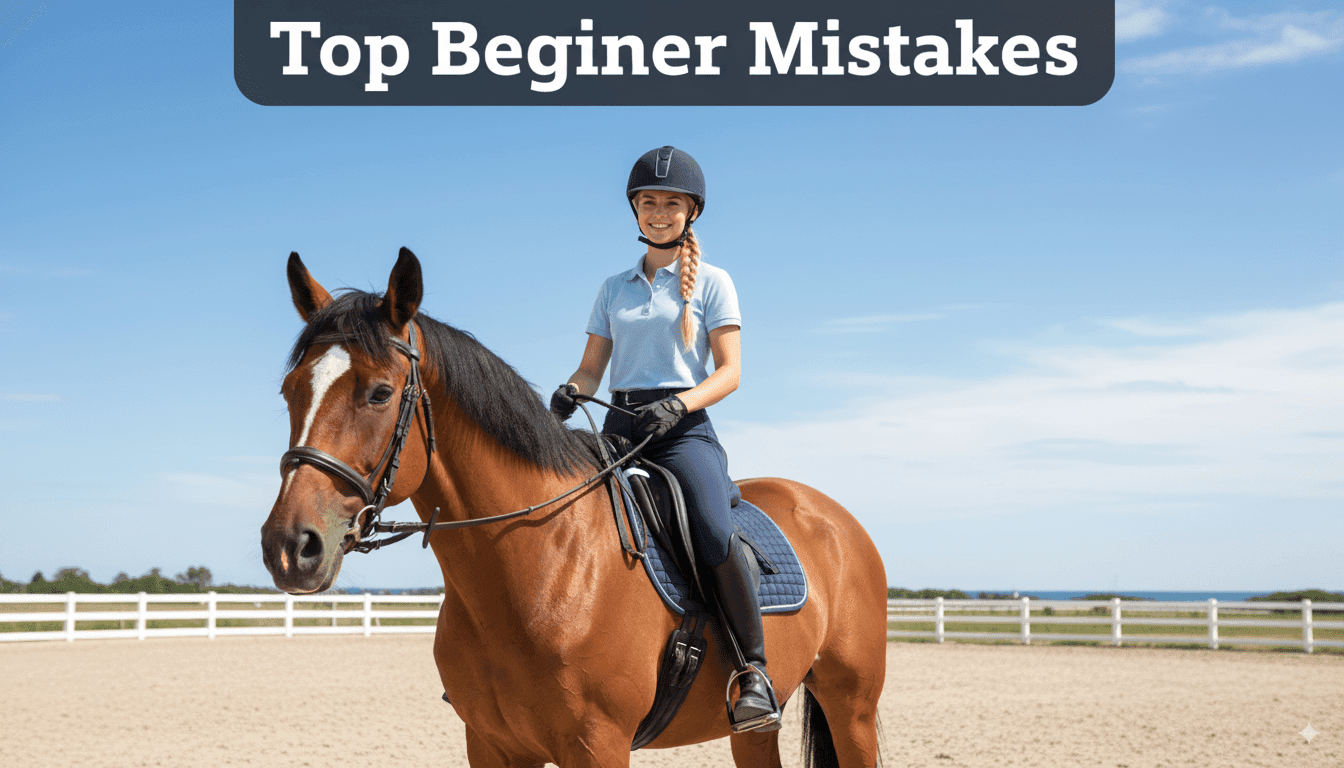
Starting horseback riding can be an exciting venture filled with new experiences, but for many beginners, it comes with its fair share of challenges. To ensure a smooth journey, it is crucial to be aware of the common mistakes to avoid when starting horseback riding. Many novices overlook the importance of safety gear, selecting the right horse, and understanding basic horse care, which can all lead to frustration or risks of injury. In this guide, we’ll explore five essential mistakes to avoid when starting horseback riding to help you develop a solid foundation for your equestrian adventure. Embracing these tips can make a significant difference in your learning process, allowing you to enjoy the bond with your horse while riding safely and confidently.
Embarking on the journey of equestrianism can be both thrilling and overwhelming, especially for those new to riding. As aspiring riders take their first steps into the world of horses, there are various pitfalls that can hinder their progress. Recognizing the common blunders to steer clear of when beginning your horse riding journey is essential for success. From ensuring proper safety measures to understanding the needs of your equine partner, this exploration will highlight the crucial factors that every newcomer should consider. Learning about these common misconceptions can greatly enhance your experience and performance, paving the way for a fulfilling and enjoyable riding adventure.
The Importance of Safety Gear in Horseback Riding
Safety gear is paramount for any horseback rider, particularly for beginners who may not have developed the necessary skills to fall safely. Investing in a high-quality riding helmet is non-negotiable; it provides crucial protection in case of falls, which are a common hazard in this activity. Beyond helmets, riders should wear appropriate footwear. Sturdy riding boots with a defined heel prevent feet from slipping through the stirrups, which can lead to severe injury during an unplanned dismount. Additionally, wearing suitable riding pants can enhance comfort, prevent chafing, and contribute to better overall performance in the saddle.
Furthermore, gloves and appropriate riding jackets should not be overlooked. While they may seem like optional accessories, gloves provide a better grip on the reins, contributing to improved control of the horse. Jackets not only help in maintaining body warmth during rides in cooler weather but can also serve as an extra layer of protection. Prioritizing safety gear sets a positive precedent for newcomers, highlighting that safety is just as important as the thrill of the ride. A confident rider is better equipped to handle challenges, leading to a more enjoyable and fulfilling horseback riding experience.
Choosing the Right Horse: A Key Step for Beginners
Selecting an appropriate horse is one of the most critical decisions a beginner can make, and it significantly influences the early riding experiences. Many beginners are drawn to horses that are visually appealing or appear powerful, but such choices can lead to stressful situations if the horse is not well-suited for a novice rider. It’s essential to prioritize temperament and training over aesthetics; a calm, well-trained horse can provide a safe environment for learning the basics of riding. Riding an unsuitable horse can be a recipe for frustration and fear, which can deter newcomers from pursuing their passion.
Consulting with experienced trainers is invaluable during this process. A professional can assess your skill level and recommend a horse that matches your abilities. They can also explain the nuances of horse behavior, allowing you to better understand how to work with different types of horses. Remember, a positive and supportive connection with your horse is fundamental for effective learning. Partnering with a horse that has a temperate nature fosters confidence and paves the way for a successful riding journey.
Essential Horse Care: A Novice’s Guide
For beginners, horse care involves much more than just riding; it’s about building a relationship and understanding the needs of these magnificent animals. Grooming your horse is not only a functional task to maintain hygiene but also a bonding moment between rider and horse. Learning how to properly brush the horse and check its health is an essential skill that enhances your interaction with the animal. Regular grooming not only makes the horse feel comfortable but also allows you to observe any changes in their condition, which is key for early detection of potential health issues.
Furthermore, understanding basic feeding needs and routines is crucial for any horse owner or rider. A well-nourished horse is a happy horse, which directly impacts its performance and demeanor under saddle. Familiarize yourself with the proper diet, including the types of hay and grains that suit your horse’s health. Additionally, being competent in tasks such as hoof cleaning contributes to both the horse’s well-being and your confidence as a rider. Skipping these fundamentals may lead to health issues for the horse, ultimately affecting your riding experience, so taking the time to learn these aspects is essential.
Mastering the Basics: Avoiding Rushed Learning in Riding
One of the common mistakes to avoid when starting horseback riding is the urge to rush through the learning process. Beginners may feel the excitement of learning new skills, leading them to attempt advanced techniques before mastering fundamental ones. Rushing can create a dangerous scenario where bad habits and improper techniques develop, leading to unsafe riding conditions. Instead, focus on essential skills such as balance, control, and establishing a connection with the horse at a comfortable pace.
Groundwork plays a vital role in this process and should not be overlooked. Working with your horse on the ground builds a solid foundation of mutual respect and understanding, instrumental for a successful riding experience. Mastering these initial stages can lead to more advanced skills later on. Every rider progresses uniquely, emphasizing the need for patience and practice. Remember, the mastery of basic skills not only ensures safety but also enhances your overall riding enjoyment.
Seeking Professional Guidance: Why It Matters for Novice Riders
In the journey of horseback riding, seeking professional guidance is a crucial step that novice riders shouldn’t neglect. Many beginners mistakenly believe that self-learning through videos and articles is sufficient. While these resources can provide valuable information, they often do not offer the personalized feedback that experienced instructors can provide. A qualified riding instructor can identify your strengths and weaknesses, guiding you in building effective habits and correcting any misconceptions. This tailored approach is essential for developing safe and effective riding techniques.
Moreover, learning in a structured environment promotes camaraderie among other beginners, allowing you to share experiences and tips with peers. Having a supportive network can significantly enhance your learning curve, making the process more enjoyable. The insights gained from an instructor can also prepare you for unexpected challenges, building your confidence along the way. Investing in professional lessons from the outset will yield long-term benefits, equipping you with the skills necessary to embrace the joys of horseback riding safely.
Understanding Horse Behavior: Building Trust and Connection
To become an effective rider, understanding horse behavior is key. Horses are sentient beings with their unique personalities and instincts, which can significantly influence your experiences as a rider. Developing the ability to read your horse’s body language is fundamental. Start by observing how your horse reacts to various situations, recognizing when it feels anxious, relaxed, or excited. This understanding can help prevent potential mishaps and foster a safer environment when riding.
Building trust is another critical component. Spending time with your horse outside of riding—through grooming, feeding, and simply being present—helps establish a deeper bond. This connection encourages the horse to respond positively to your cues while riding. A well-connected horse and rider operate as a team, enhancing the riding experience and leading to improved performance. By nurturing this relationship, you set the groundwork for years of shared enjoyment in horseback riding.
The Role of Patience in Developing Riding Skills
Patience is perhaps the most crucial virtue to cultivate when starting horseback riding. It’s easy to feel discouraged when progress seems slow, yet every rider encounters challenges during their learning journey. Recognizing that mastery comes with time can help you maintain a positive outlook. Taking the time to improve fundamental skills, such as mounting, dismounting, and balancing, will pay off in the long run when it becomes second nature.
Allow yourself the grace to make mistakes, as they are essential for growth. Each session in the saddle is an opportunity to learn, and celebrating small achievements can boost your morale. Approach each ride with a mindset geared towards improvement rather than perfection. Over time, patience will contribute to your overall confidence and competence as a rider, allowing you to tackle more advanced techniques with ease.
Continuous Learning: Expanding Your Equestrian Knowledge
Equestrianism is a field that offers endless opportunities for learning and improvement. As a beginner, it’s essential to recognize that your education doesn’t stop after a few lessons. Actively seek ways to expand your knowledge about riding techniques, horse care, and training methods. Reading books, attending clinics, and watching educational videos can provide new insights that complement your hands-on experience. Compounding knowledge will enhance your understanding of the sport and equip you with the skills necessary to handle various situations.
Additionally, engaging with the equestrian community can greatly enrich your learning experience. Joining local riding clubs or online forums allows you to connect with experienced riders who can share their insights and tricks. Participating in discussions about techniques, horse care, and even troubleshooting challenges can significantly broaden your perspective. Continuous learning not only keeps your riding journey invigorating but also deepens your bond with horses, leading to a more rewarding experience overall.
Reflecting on Your Riding Journey: The Path Forward
As you embark on your horseback riding journey, taking time to reflect on your experiences can enhance your learning. Setting goals, whether big or small, helps maintain motivation and provides direction as you progress. For instance, you might aim to master a particular skill by a certain date or participate in a local riding event. By having clear objectives, the learning process becomes much more structured and enjoyable.
Moreover, regularly evaluating your experiences allows you to recognize areas for improvement and achievements. Taking the time to journal about your rides, noting challenges faced, and successes achieved strengthens your connection to the learning experience. This reflective practice can also highlight the importance of patience and celebration of small victories, reinforcing that horseback riding is a lifelong journey filled with ongoing opportunities for growth and development.
Frequently Asked Questions
What are the top mistakes to avoid when starting horseback riding?
Some top mistakes to avoid when starting horseback riding include neglecting safety gear, choosing the wrong horse, ignoring the basics of horse care, rushing the learning process, and neglecting professional guidance.
Why is neglecting safety gear a common mistake to avoid when starting horseback riding?
Neglecting safety gear is a common mistake because it puts beginners at risk. Proper safety gear, such as helmets and riding boots, is essential for protecting riders from injuries during falls or accidents.
How does choosing the wrong horse relate to mistakes to avoid when starting horseback riding?
Choosing the wrong horse is a critical mistake to avoid when starting horseback riding. Beginners should select a calm, well-trained horse suited for their skill level to ensure a positive and safe riding experience.
What basic horse care knowledge should beginners have to avoid common mistakes when starting horseback riding?
Beginners should have basic horse care knowledge such as grooming, feeding, and hoof care. Ignoring these aspects can lead to negative interactions with the horse and adversely affect the riding experience.
Why is it important for beginners to avoid rushing the learning process in horseback riding?
Avoiding rushing the learning process is vital for beginners to build a solid foundation of skills. Mastering the basics before attempting advanced techniques helps prevent unsafe habits and improves overall confidence.
What role does professional guidance play in avoiding mistakes when starting horseback riding?
Professional guidance is crucial for beginners as it provides personalized feedback, helps develop good riding habits, and ensures proper techniques are learned, significantly reducing the likelihood of mistakes.
How can beginners ensure they choose the right horse to avoid mistakes in horseback riding?
To ensure they choose the right horse and avoid mistakes in horseback riding, beginners should consult with instructors or stable managers who can recommend compatible horses based on their skill level.
What is one key piece of safety gear beginners should not overlook when starting horseback riding?
A properly fitted riding helmet is one key piece of safety gear beginners should not overlook when starting horseback riding, as it offers essential head protection in case of falls.
Why is it essential to learn about horse care to avoid mistakes when starting horseback riding?
Learning about horse care is essential to avoid mistakes when starting horseback riding because it fosters trust between rider and horse, ensuring a safer and more enjoyable experience.
How can neglecting professional guidance lead to mistakes when starting horseback riding?
Neglecting professional guidance can lead to mistakes when starting horseback riding because self-taught methods may promote misinformation and poor riding techniques that could hinder progress and safety.
| Mistake | Explanation |
|---|---|
| Neglecting Safety Gear | Failing to wear a riding helmet and proper footwear can lead to serious injuries. |
| Choosing the Wrong Horse | Selecting a horse that is too spirited or not suited for your experience can lead to dangerous situations. |
| Ignoring the Basics of Horse Care | Not understanding horse grooming, feeding, and basic care can harm the horse and hinder your riding experience. |
| Rushing the Learning Process | Trying to progress too quickly can create bad habits and unsafe practices. |
| Neglecting Professional Guidance | Learning without a qualified instructor can result in misinformation and poor riding techniques. |
Summary
Mistakes to avoid when starting horseback riding include overlooking safety gear, selecting the wrong horse, ignoring horse care fundamentals, rushing the learning process, and disregarding professional instruction. By being aware of these common pitfalls, beginners can ensure a safer and more enjoyable introduction to horseback riding. Prioritizing safety with the right equipment, conditioning, and understanding of horse care fosters a productive learning environment. Taking lessons from a qualified instructor facilitates correct skill acquisition and can turn your riding journey into a fulfilling adventure.