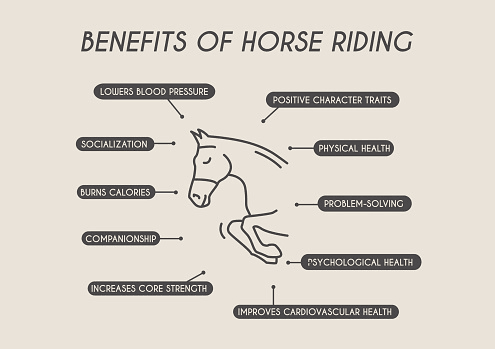
While many are aware of the fundamental benefits of horseback riding, the hidden benefits of horseback riding often go unnoticed, yet they play a significant role in enhancing both physical and mental well-being. Riding a horse is not merely an athletic endeavor; it also offers improved coordination, stronger core muscles, and notable mental health improvements. For instance, engaging in this activity can serve as a form of equine therapy, offering calming effects that help reduce anxiety and boost confidence—all while allowing for personal growth and discipline. Moreover, connecting with horses heightens your communication skills and fosters social connections within the riding community. As you explore these lesser-known horseback riding advantages, you may find motivation to saddle up and enjoy a plethora of rewards that impact your life in profound ways.
Exploring the world of equestrianism reveals a host of benefits affiliated with horse riding, often overshadowed by its physical aspects. Many enthusiasts may not realize the profound advantages included within horseback riding, such as enhanced mental clarity and emotional resilience. Engaging with these majestic animals through various riding techniques not only improves physical health but also nurtures mental strength and fosters valuable life skills. Additionally, participating in activities involving horses offers tremendous therapeutic effects, which have been documented in equine-assisted therapies. Embracing the joys of horse riding, therefore, opens the door to a rich tapestry of learning and self-discovery.
Improved Core Strength Through Riding Techniques
One of the most notable advantages of horseback riding is the significant improvement it offers to core strength. As riders maintain their balance on a moving horse, they engage a variety of core muscles, including the abdomen and lower back. This engagement not only supports better riding posture but also enhances overall physical stability. In this way, horseback riding serves as an enjoyable workout that helps individuals trim and tone the core without the monotony of traditional gym exercises.
Moreover, maintaining a strong core through horseback riding translates into improved performance in daily activities. From lifting objects to participating in sports, improved core strength assists individuals in maintaining proper form and preventing injuries. Thus, it’s not just about getting on a horse; it’s an effective method to enhance one’s physical health in multiple dimensions.
Mental Stimulation and Cognitive Growth via Riding
Horseback riding is often underrated when it comes to its mental benefits. It requires participants to be highly observant and engaged at all times. Riders must constantly evaluate their environment, make swift decisions about horse handling, and anticipate the animal’s movements. This level of mental engagement offers robust cognitive stimulation, honing critical thinking and decision-making skills, which can aid in both personal and professional life.
Additionally, the cognitive demands of horseback riding expose riders to complex problem-solving situations. Whether it’s traversing challenging terrain or managing the horse’s behavior, each ride encourages the development of quick thinking and adaptability. This form of mental exercise contributes significantly to a rider’s overall cognitive health, demonstrating that the joys of horseback riding extend beyond the physical realm.
Fostering Patience and Discipline Through Equestrian Relationships
Patience and discipline are two crucial traits that horseback riding helps develop. Building a relationship with a horse requires time, effort, and an understanding that progress in riding skills may not happen overnight. This necessity for patience is particularly beneficial in a fast-paced world, teaching riders that mastery takes time and that persistence ultimately pays off.
As riders learn to set realistic goals and strive towards them, they cultivate personal discipline. This training translates into other facets of life, shaping behaviors in both personal and professional encounters. For many riders, these traits aren’t just about riding but become essential life skills that enhance overall personal development.
Enhancing Communication Skills Through Equine Interaction
Horseback riding presents a unique opportunity to improve communication skills, particularly non-verbal cues. Riders must learn to read their horse’s body language, effectively translating the subtleties of movements and postures into actionable riding strategies. This form of communication focuses on listening and observing, essential skills that extend beyond the horse-rider relationship.
By understanding how to interact with horses, riders often find that these skills positively influence their human relationships. Improved non-verbal communication can lead to more effective interactions with friends and colleagues, showcasing just one more way that horseback riding can enrich one’s life off the saddle.
Exploring the Therapeutic Benefits of Equestrian Activities
One of the most profound hidden benefits of horseback riding is its therapeutic effects. The simple act of riding can activate the body’s relaxation responses, reducing feelings of anxiety and elevating mood. Therapeutic riding programs, often referred to as equine therapy, capitalize on these benefits, providing emotional support to individuals dealing with stress, trauma, or mental health challenges.
Additionally, the rhythmic motion of the horse often mimics the soothing effects of gentle rocking, which can be particularly calming for riders. This connection with the animal helps cultivate a sense of peace and well-being while promoting mindfulness. Thus, horseback riding serves as a beautiful avenue for personal healing and emotional growth.
Building Social Connections in the Riding Community
Horseback riding offers rich opportunities for socialization, bringing together riders from all walks of life. The equestrian community is a vibrant space where friendships can flourish, shared experiences are valued, and social bonds are formed. Riding lessons, competitions, and group trail rides serve as platforms for meeting new people and fostering connections built upon a mutual passion.
These social interactions can significantly enhance one’s enjoyment of horseback riding and contribute to overall mental health. Having a supportive community not only helps buffer feelings of isolation but also encourages riders to engage more fully in their riding journey. Thus, while individuals might start riding for personal reasons, they often end up becoming part of a larger family.
Connecting with Nature and its Mental Health Benefits
One of the most rewarding aspects of horseback riding is the opportunity it provides to connect with nature. Riding often takes individuals through picturesque trails and serene landscapes, allowing them to immerse themselves in the beauty of the outdoors. This exposure to fresh air and natural surroundings can have a revitalizing effect on mental health, reducing feelings of stress and fostering mindfulness.
Moreover, the combination of physical activity and nature contributes to a holistic sense of well-being. Engaging in outdoor activities has been shown to enhance mood and lower anxiety, proving that horseback riding is not just about mastering equestrian skills but also about nurturing the human spirit through nature’s therapy.
Boosting Confidence Through Equine Challenges
Riding presents numerous challenges that can significantly boost an individual’s confidence. As riders work to master new skills or overcome obstacles—such as riding different horses or navigating difficult trails—they experience a sense of achievement and accomplishment. Each successful ride fosters greater self-esteem, leading riders to believe in their abilities.
This newfound confidence often extends beyond horseback riding into everyday life. As riders learn to face fears—whether it’s stepping out of their comfort zone or dealing with unexpected challenges—they develop a resilient mindset. The lessons learned in the saddle can cultivate a brave, confident approach to life itself.
Strength and Coordination Development Through Riding Practice
Horseback riding uniquely contributes to the development of both strength and coordination. As riders engage various muscle groups to steer and control their horse, they cultivate not only core strength but also overall body awareness and balance. This physical engagement promotes a fit, active lifestyle while enhancing skills that can be beneficial in a range of activities.
Improved coordination through horseback riding also translates to better motor skills, benefiting daily tasks and other sports. Riders often find they have heightened awareness of their body movements, enhancing their ability to perform with precision. Overall, the strength and coordination fostered in horseback riding lead to a more active, fulfilling life.
The Lifelong Learning Journey of Horseback Riding
Horseback riding is a continuous journey of learning, presenting riders with ongoing opportunities to expand their knowledge about horsemanship and riding techniques. From understanding horse behavior to keeping up with training best practices, every ride offers a new lesson. This perpetual learning fosters a deep love for the sport, encouraging riders to seek out new challenges and improvements.
This commitment to lifelong learning not only enhances equestrian skills but also keeps the mind agile. Engaging with new information and experiences encourages cognitive resilience as one matures, showing that horseback riding is more than just a hobby; it can be a vital aspect of personal growth and development throughout life.
Frequently Asked Questions
What are the hidden benefits of horseback riding that enhance core strength?
One hidden benefit of horseback riding is its ability to improve core strength. As riders maintain balance on moving horses, they engage their abdominal muscles, enhancing stability and overall posture both on and off the saddle.
How does horseback riding provide mental stimulation?
Horseback riding offers significant mental stimulation as riders are required to assess their surroundings, maintain focus, and make quick decisions. This constant engagement enhances cognitive function, proving the value of horseback riding for mental health.
Can horseback riding teach patience and discipline?
Yes! One hidden benefit of horseback riding is the development of patience and discipline. Building a bond with a horse and refining riding techniques takes time and commitment, which can positively influence personal and professional discipline.
In what ways does horseback riding enhance communication skills?
Horseback riding enhances communication skills by requiring riders to interpret and respond to the horse’s non-verbal cues. This skill can translate into improved non-verbal communication in human interactions, showcasing a hidden benefit of horseback riding.
What are the therapeutic effects of horseback riding?
Horseback riding provides therapeutic effects by creating a calming and meditative experience. The rhythmic motion of the horse can help reduce anxiety and boost mood, highlighting the emotional benefits of riding and equine therapy.
How does horseback riding facilitate social connections?
Horseback riding fosters social connections through interactions with fellow riders, trainers, and stable staff. Engaging in a riding community promotes friendships and enjoys shared interests, showcasing the social benefits of horseback riding.
What connection does horseback riding provide with nature?
Horseback riding connects riders with nature, as riding trails often traverse picturesque landscapes. This exposure to the outdoors enhances mental health and offers the calming effects of fresh air and natural scenery, making it a unique benefit.
How does horseback riding boost confidence?
One of the hidden benefits of horseback riding is the boost in confidence that riders experience from mastering new skills and overcoming challenges. Successfully navigating difficult trails or riding different horses fosters a sense of achievement that can enhance overall self-esteem.
What strength and coordination benefits does horseback riding provide?
Horseback riding develops overall body strength and coordination. Controlling the horse requires the engagement of multiple muscle groups, enhancing fine motor skills and body awareness, which are crucial for balance and coordination.
How does horseback riding contribute to lifelong learning?
Horseback riding is a continuous learning journey. From understanding equine behavior to mastering new riding techniques, the ongoing learning experience keeps the mind active and engaged, promoting cognitive resilience as one ages.
| Key Point | Description |
|---|---|
| Improved Core Strength | Engages abdominal muscles for better stability and posture. |
| Mental Stimulation | Enhances cognitive function and decision-making skills through focus and assessment. |
| Building Patience and Discipline | Develops a bond with horses, requiring time and patience, improving personal discipline. |
| Enhanced Communication Skills | Improves non-verbal communication through understanding horse behavior. |
| Therapeutic Effects | Can reduce anxiety and improve mood through calming movements. |
| Social Connections | Encourages friendships and community interactions among riders. |
| Connection with Nature | Promotes outdoor activity and mental well-being through nature immersion. |
| Boosting Confidence | Mastering riding skills increases self-assurance and resilience. |
| Development of Strength and Coordination | Enhances overall body strength and fine motor skills through riding activities. |
| Lifelong Learning | Encourages continuous learning about horses and riding techniques. |
Summary
The hidden benefits of horseback riding are truly remarkable, as they extend far beyond just physical exercise. From building core strength to enhancing mental stimulation, the advantages of engaging with horses are multi-faceted and rewarding. Not only do riders develop valuable skills such as patience and communication, but they also find emotional support and therapeutic relief through the rhythmic movements of riding. Furthermore, horseback riding fosters social connections and a deep appreciation for nature, contributing to an overall sense of well-being. Embracing these hidden benefits can greatly enrich one’s life, inspiring both personal growth and lasting friendships in a vibrant equestrian community.