
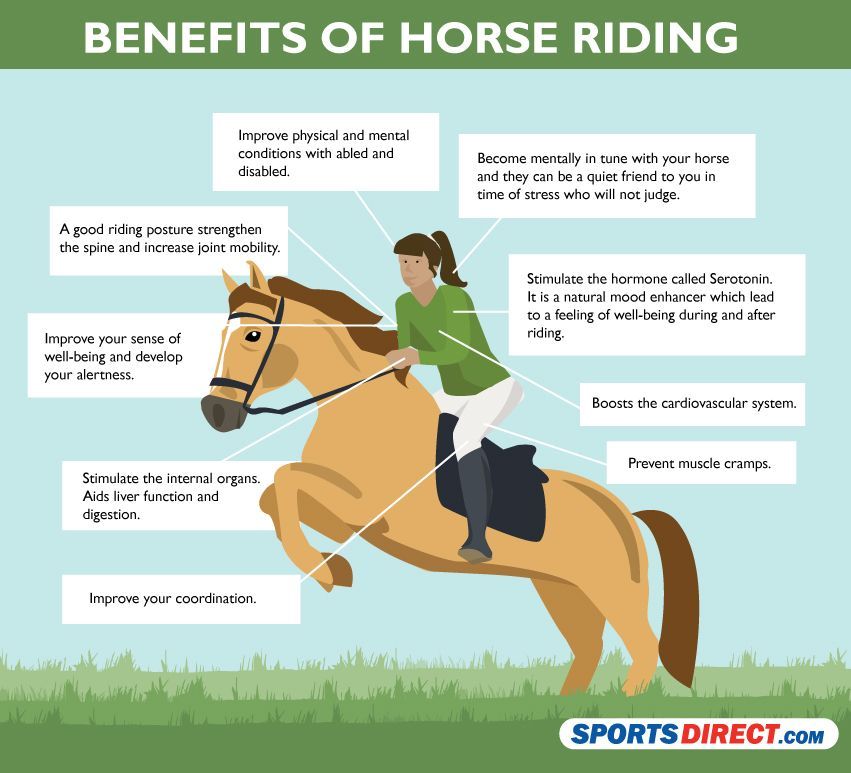
Horseback riding offers a multitude of benefits that can enhance both physical and mental well-being. Engaging in horseback riding not only provides an exhilarating outdoor activity but also contributes significantly to physical fitness through exercises that build strength and improve coordination. Moreover, the health benefits of horseback riding extend to mental health, where interaction with horses can alleviate stress and anxiety, fostering emotional stability. The social benefits of riding horses cannot be overlooked, as joining equestrian groups or visiting stables creates opportunities for deep connections and friendships. By embracing the many advantages, such as horseback riding confidence and the soothing effects of equine therapy, enthusiasts can unlock a fulfilling and balanced lifestyle.
Equestrian activities, including riding horses, have gained popularity as a means of promoting overall wellness. Not only are these outdoor pursuits excellent for physical fitness, but they also cater to emotional and mental health needs. Engaging in horseback riding exercises can foster a sense of achievement and discipline within riders, providing essential skills for both life and sport. Many individuals find solace in the relationship with their horses, emphasizing the emotional bond and trust developed during their time together. Furthermore, the communal aspect of riding often leads to lasting friendships, highlighting the social advantages of engaging in this enriching activity.
1. Enhancing Physical Fitness Through Horseback Riding
Horseback riding offers a unique blend of exercise that engages various muscle groups, making it an excellent choice for enhancing overall physical fitness. As the rider adjusts to the horse’s movements, they naturally activate their core and leg muscles, which contributes to improved strength and endurance. Moreover, regular riding sessions can significantly enhance cardiovascular health by elevating heart rate, promoting better circulation, and increasing aerobic capacity. These physical fitness benefits make horseback riding not just a recreational activity but a viable workout option.
In addition to building core strength, horseback riding improves overall coordination and balance. Riders learn to maintain stability while the horse moves beneath them, which ultimately translates to better motor skills both on and off the horse. The combination of physical engagement and the dynamic nature of riding ensures that participants get a full-body workout, which can be particularly advantageous for those seeking a fun and engaging way to stay fit.
2. Mental Health Benefits of Horseback Riding
Riding horses has been shown to have profound effects on mental well-being. Engaging with horses provides a calming environment that can alleviate symptoms of anxiety and depression. The rhythmic motion and gentle swaying while riding offer a form of moving meditation that promotes relaxation. Many riders report a significant boost in their mood after riding, attributed to the combination of physical exercise, fresh air, and the therapeutic bond formed with horses.
Furthermore, equine therapy has gained recognition for its effectiveness in treating various mental health disorders. Sessions where riders interact with horses are often integrated into therapeutic practices, helping individuals develop coping strategies and emotional awareness. The social aspect that comes with horseback riding can also enhance mental health, as riders often bond with others who share similar experiences, fostering a supportive community that works toward emotional healing.
3. Deepening Connection with Nature
Horseback riding presents a unique opportunity to immerse oneself in nature, offering an array of benefits for both physical and mental well-being. The tranquil settings of riding trails allow individuals to escape the noise and stresses of everyday life, providing a sanctuary of peace and rejuvenation. Being surrounded by the beauty of nature while riding can significantly reduce stress levels and enhance feelings of happiness, as studies have shown that outdoor activities are linked with improved mental health.
Moreover, interacting with the natural world during horseback riding strengthens the appreciation for environmental stewardship. Riders learn to respect wildlife and the surroundings, fostering a sense of responsibility for nature conservation. This connection not only enriches the riding experience but also cultivates a lifelong appreciation for the outdoors and all of its benefits.
4. Building Emotional Bonds with Horses
The bond developed between a rider and their horse is both unique and powerful, often leading to enhanced emotional intelligence. Understanding horse behavior and cultivating trust over time can lead individuals to become more empathetic and patient. As riders work to build these relationships, they gain insights not only into their horses but also into their own emotions, creating a mutually beneficial dynamic.
Participating in horse care activities such as grooming and feeding further solidifies this bond. These interactions require a level of sensitivity and mindfulness, helping riders develop greater emotional awareness. This profound connection often translates into other areas of life, where individuals find themselves expressing more compassion and understanding in their interactions with others.
5. Boosting Self-Confidence with Riding
Horseback riding is an empowering activity that encourages individuals to conquer their fears and enhance their self-confidence. Facing the challenges of mastering riding techniques or navigating obstacles can lead to remarkable personal growth. Each ride presents unique experiences that push riders outside of their comfort zones, allowing them to develop resilience and self-assurance over time.
Additionally, the accomplishment of overcoming fears, such as riding in new environments or competing in events, fosters a lasting sense of confidence. Many riders find that this newfound self-esteem permeates their lives beyond the saddle, inspiring them to pursue other interests with the same determination and courage.
6. Fostering Social Connections Through Riding
Horseback riding inherently has social elements, making it a wonderful way to meet new people and forge lasting friendships. Whether one is participating in classes, joining equestrian clubs, or simply spending time at stables, these shared experiences create a strong sense of community. Engaging with fellow riders can lead to emotional support networks that enhance the social benefits of riding.
Additionally, the collaborative nature of riding activities fosters teamwork and camaraderie, creating lasting bonds among riders. Sharing triumphs and challenges builds connections that often extend beyond the riding arena, enriching riders’ social lives and providing invaluable emotional connections.
7. Discipline and Responsibility in Horse Care
Caring for a horse necessitates a great deal of discipline and responsibility, qualities that extend far beyond the stables. Riders learn fundamental skills in time management, as they must ensure their horse receives adequate care through feeding, grooming, and exercise. This level of commitment nurtures a strong sense of responsibility that is beneficial in both personal and professional realms.
Moreover, the demanding routine that comes with equine care instills a work ethic that can positively influence all aspects of a rider’s life. Whether it is maintaining a schedule or adhering to safety protocols, these lessons in responsibility empower riders to manage challenges effectively in their everyday lives.
8. Coordinating Body and Mind During Riding
Horseback riding provides an excellent platform for enhancing coordination and balance, critical skills that are transferable to many areas of life. Riders must constantly adjust their movements to maintain harmony with their horse’s gait, which sharpens their proprioception and neuromuscular coordination. Such physical engagement leads to improved overall motor skills, which can greatly benefit other sports or activities.
The mental aspect of riding is equally significant; riders must process information quickly and make spontaneous decisions based on their horse’s behavior. This mental engagement paired with physical action fosters comprehensive coordination, sharpening focus and improving reaction times in various tasks.
9. Enhancing Critical Cognitive Skills with Riding
Engaging in horseback riding exercises stimulates cognitive development in numerous ways. Riders are often required to learn complex techniques and maintain an understanding of horse behavior, which challenges their critical thinking and problem-solving abilities. The need to communicate effectively with the horse also enhances cognitive skills, cultivating sharper decision-making processes both in and out of the saddle.
Additionally, navigating different riding environments and unexpected situations requires quick thinking and adaptability. This cognitive engagement sharpens a rider’s ability to assess scenarios rapidly, making horseback riding not only a physical endeavor but also an exercise for the brain.
10. Utilization of Riding as a Stress Relief Techniques
Horseback riding serves as an ideal method for relieving stress, offering an escape from the pressures of everyday life. The peaceful surroundings of riding trails paired with the presence of horses create a serene environment conducive to relaxation. Riders often describe the tranquility experienced while riding, as the focus required helps divert attention from worries, leading to mental rejuvenation.
Moreover, the emotional connection formed with the horse enhances this stress-relieving experience. Horses can intuitively sense their rider’s moods, often providing comfort and companionship, which adds to the overall calming effect. Such interactions contribute not only to stress relief but also promote a lasting sense of well-being.
Frequently Asked Questions
What are the physical fitness benefits of horseback riding?
Horseback riding is an excellent workout that builds core strength, enhances balance, and improves overall coordination. By engaging core muscles to maintain balance on the horse, riders can achieve greater stability and physical fitness.
How does horseback riding improve mental health?
The mental health benefits of horseback riding are substantial. Engaging with horses can significantly reduce anxiety and depression symptoms. The rhythmic motion of riding fosters calmness, elevates mood, and promotes relaxation, proving beneficial for mental wellness.
Can horseback riding serve as an effective form of equine therapy?
Absolutely! Equine therapy utilizes horseback riding and horse interaction to provide therapeutic benefits. It can help individuals manage stress, alleviate depression, and build emotional resilience, making it a powerful tool for mental health improvement.
What social benefits can be gained from horseback riding?
Horseback riding naturally fosters social interaction. Joining riding schools or equestrian clubs helps riders meet like-minded individuals, creating friendships and networks that can enhance social support and emotional well-being.
How can horseback riding boost confidence in individuals?
Confidence building is a significant aspect of horseback riding. Riders often overcome challenges, such as mastering new skills or handling a horse, which boosts self-esteem and instills a sense of accomplishment.
What role does horseback riding play in developing discipline and responsibility?
Caring for a horse requires commitment and discipline. Riders learn to manage feeding, grooming, and training, which cultivates a sense of responsibility that can positively impact other areas of their lives.
How does horseback riding enhance coordination and balance?
The unique movements in horseback riding improve coordination and balance. As riders adjust to the horse’s gait, they develop motor skills that translate well to other physical activities and sports.
What cognitive skills can be developed through horseback riding?
Horseback riding engages the mind by requiring riders to learn various techniques and understand horse behavior. This mental engagement enhances critical thinking and decision-making skills, beneficial for various life aspects.
What are the stress relief benefits of horseback riding?
Horseback riding provides potent stress relief by serving as an escape from daily pressures. The calming environment at stables and the focus required while riding help clear the mind, promoting mental wellness.
How does horseback riding connect individuals with nature?
One of the overlooked benefits of horseback riding is the connection it fosters with nature. Riding outdoors allows individuals to enjoy natural surroundings, which is known to reduce stress and improve overall well-being.
| Benefit | Description |
|---|---|
| Physical Fitness | Riding helps build core strength, improve balance, and enhance overall coordination. |
| Mental Health Benefits | It can reduce anxiety and depression, promoting relaxation and improved mood. |
| Connection with Nature | Spending time outdoors while riding rejuvenates and reduces stress. |
| Emotional Bonding | Building trust with a horse enhances emotional intelligence and empathy. |
| Confidence Building | Overcoming challenges in riding boosts self-esteem. |
| Social Interaction | Joining riding schools and clubs fosters friendships and emotional support. |
| Discipline and Responsibility | Caring for a horse teaches responsibility that applies to other life areas. |
| Improved Coordination and Balance | Synchronizing movements with the horse enhances overall motor skills. |
| Cognitive Skills Development | Engaging with riding techniques and horse behavior enhances critical thinking. |
| Stress Relief | Riding serves as a calming escape from daily stressors. |
Summary
The benefits of horseback riding extend far beyond mere enjoyment, impacting physical and mental well-being alike. This activity not only provides an excellent physical workout but unlocks many benefits such as improved emotional health, increased social interactions, and enhanced cognitive skills. By embracing the unique bond with horses and immersing oneself in nature, riders can cultivate a profound sense of tranquility and confidence. Whether new to equestrian activities or an experienced rider, the transformative benefits of horseback riding are substantial and well worth exploring.